


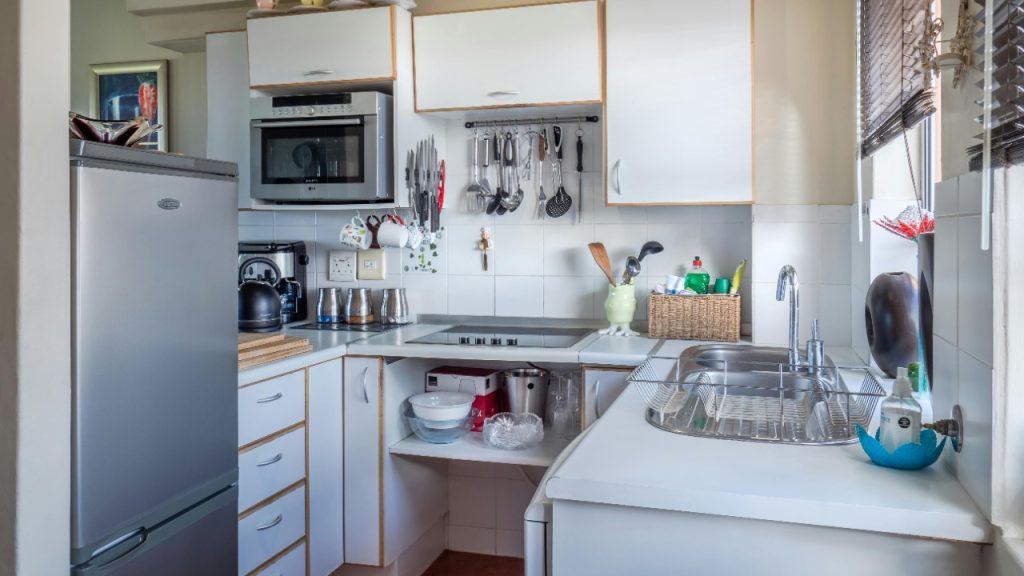
The kitchen, often called the heart of the home, is a place where we spend a significant amount of time. It’s where we cook our meals, entertain guests, and even gather for family discussions. But it can also be a place where clutter accumulates, often in the form of unnecessary or redundant items. I used to have a kitchen full of such items until I took a step back and evaluated what I truly needed. Here are the 13 things I stopped buying for my kitchen – not only did it free up space, but it also saved me money and reduced my environmental impact.
1. Plastic Bags

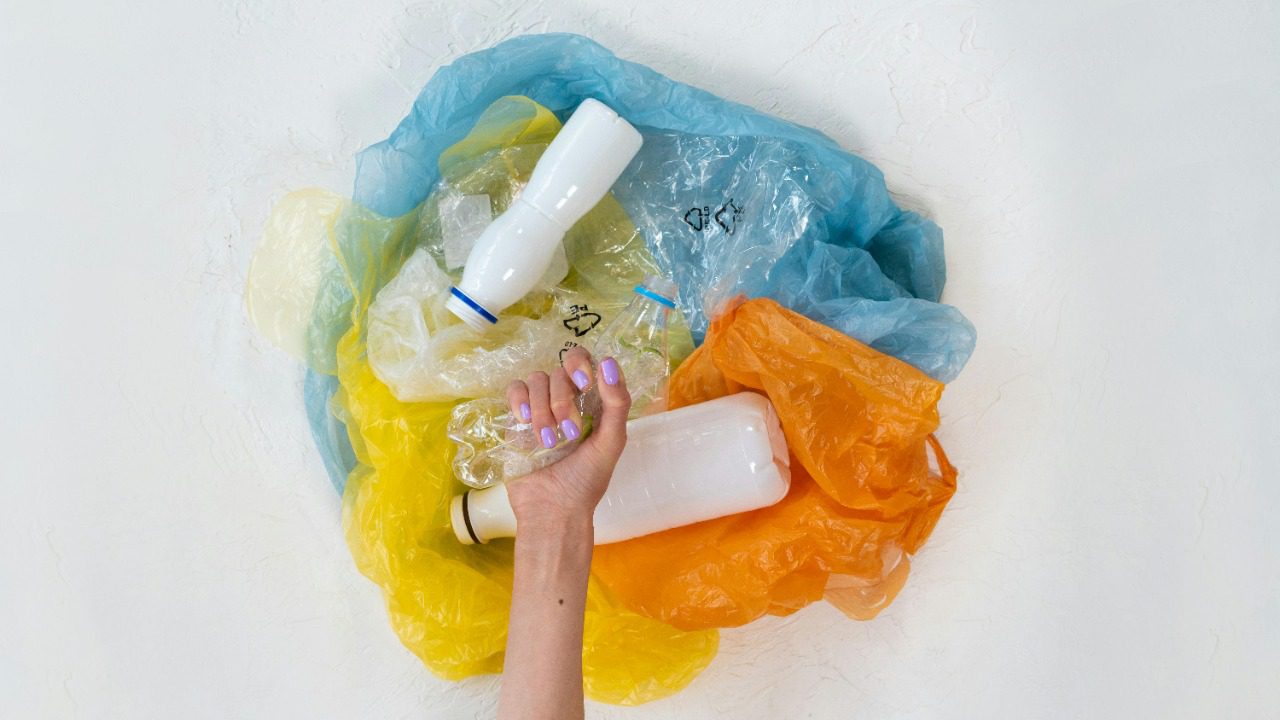
Plastic bags were once a mainstay in my kitchen. They seemed convenient for storing leftovers, packing lunches, and even for keeping produce fresh. However, I soon realised that this convenience came at a cost – both to my wallet and to the environment. Now, I’ve switched to reusable silicone bags and glass containers. Not only are they durable and long-lasting, but they’re also better for the environment. Plus, they’re safer for storing food since they don’t contain harmful chemicals like some plastic bags do.
2. Disposable Cutlery and Plates


In my quest to make hosting easier, I used to stock up on disposable cutlery and plates. But I soon realized that they were not only wasteful but also detracted from the overall dining experience. These days, I invest in quality, reusable dishes and cutlery. They not only add a touch of class to my meals, but they’re also more cost-effective in the long run. Plus, it feels good to know I’m reducing my carbon footprint.
3. Paper Towels

I used to think that paper towels were indispensable in the kitchen. However, they can be quite expensive over time and generate a lot of waste. Instead of reaching for paper towels, I now use reusable, washable cloths. They’re just as effective at cleaning up spills, and they can be used over and over again. It’s a small change that saves money and is kinder to our planet.
4. Specialty Kitchen Gadgets

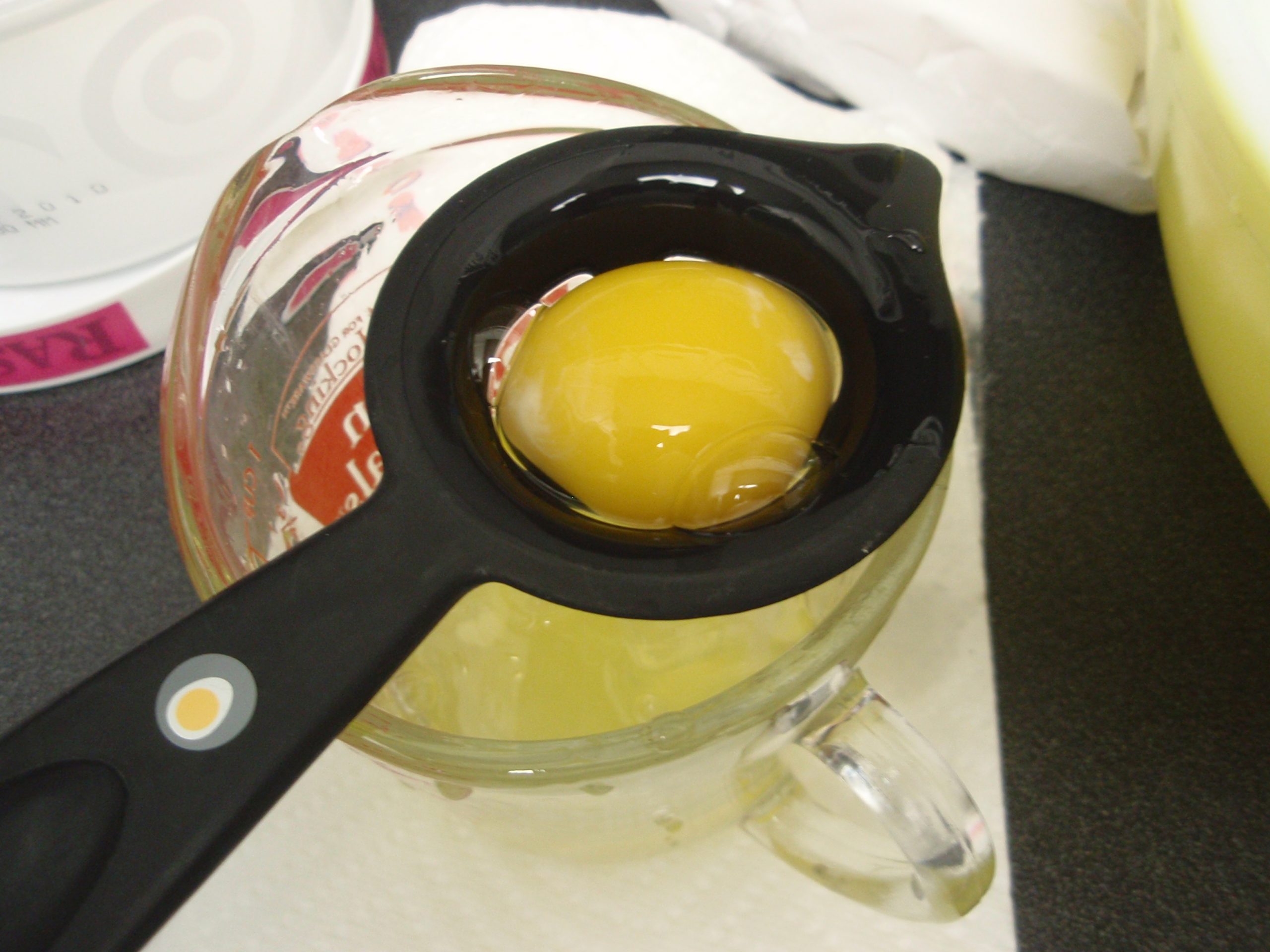
From avocado slicers to egg separators, there are countless specialty kitchen gadgets on the market. While they may seem fun and useful at first, I found that they often ended up gathering dust in my drawers. Instead, I’ve learned to master basic kitchen tools that can perform multiple tasks. For example, a good quality chef’s knife can do everything from slicing bread to dicing vegetables. A whisk can mix, beat, and whip. Learning to use these tools efficiently has not only decluttered my kitchen but also enhanced my cooking skills.
5. Bottled Water
Bottled water used to be a staple in my kitch

en, but I’ve since realized that it’s an unnecessary expense and a significant contributor to plastic waste. Now, I use a water filter and reusable bottles. This way, I still get clean, fresh-tasting water, but without the cost and environmental damage associated with disposable bottles.
6. Pre-packaged Meals


While pre-packaged meals can be convenient, they’re often loaded with preservatives and unhealthy ingredients. Plus, they generate a lot of packaging waste. Instead, I’ve started cooking more meals from scratch. Not only is it healthier, but it’s also more cost-effective and reduces waste. Plus, there’s something incredibly satisfying about creating a delicious meal with your own hands.
7. Plastic Wrap

I used to use plastic wrap for everything from covering leftovers to wrapping sandwiches. But I’ve since realized that it’s wasteful and not the best choice for our environment. Instead, I’ve started using beeswax wraps. They’re reusable, eco-friendly, and very easy to clean. Plus, they’re just as effective at keeping food fresh.
8. Single-Use Coffee Pods

While single-use coffee pods are convenient, they generate a lot of waste, and the cost adds up over time. Instead, I’ve switched to a traditional coffee maker with a reusable filter. Not only does it make delicious coffee, but it’s also more cost-effective and eco-friendly.
9. Single-Use Cleaning Wipes


Cleaning wipes may seem convenient, but they’re not the most environmentally friendly or cost-effective choice. Now, I make my own cleaning solution with vinegar and water, and use reusable cloths for cleaning. It’s just as effective, cheaper, and greener.
10. Pre-cut Fruits and Vegetables
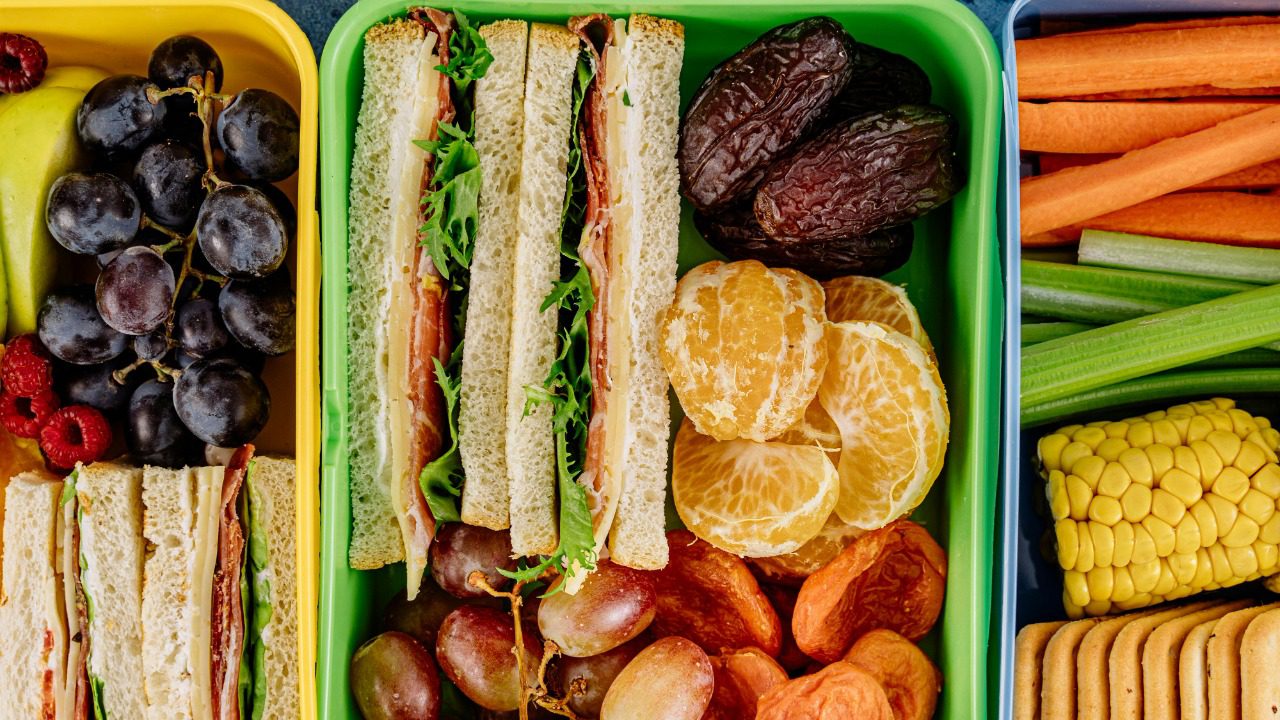
While pre-cut fruits and vegetables save time, they’re often more expensive and can spoil faster. Instead, I buy whole fruits and vegetables and take a few extra minutes to prepare them. It’s more cost-effective, and I find that the produce tends to taste better and last longer.
11. Fancy Cleaning Tools
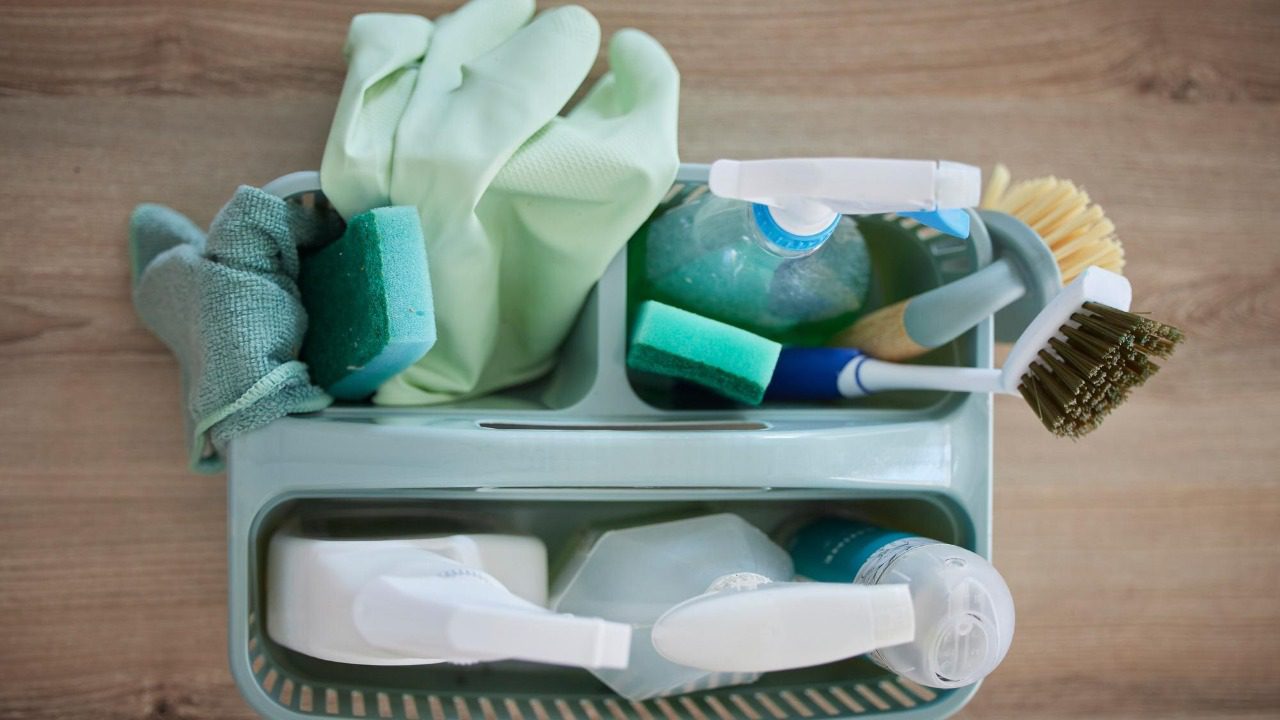
While fancy cleaning tools may look appealing, I’ve found that they’re often unnecessary and can clutter up my kitchen. Instead, I stick to a few basic, versatile cleaning tools. A good scrub brush, a sturdy broom, and a microfiber mop can tackle most kitchen messes.
12. Store-Bought Salad Dressings
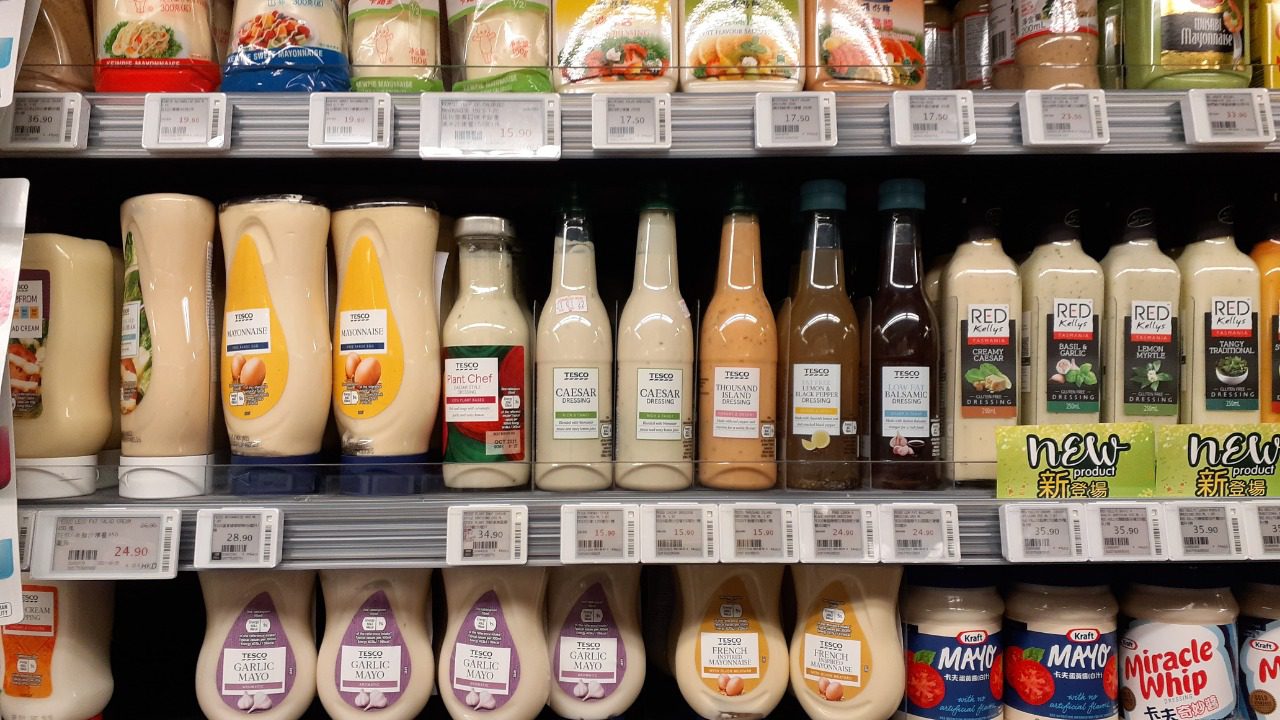
I used to buy store-bought salad dressings, but then I realized how easy (and delicious!) it is to make my own. Now, I make my own dressings with just a few simple ingredients. Not only does it taste better, but it’s also healthier and cheaper.
13. Single-Use Baking Pans
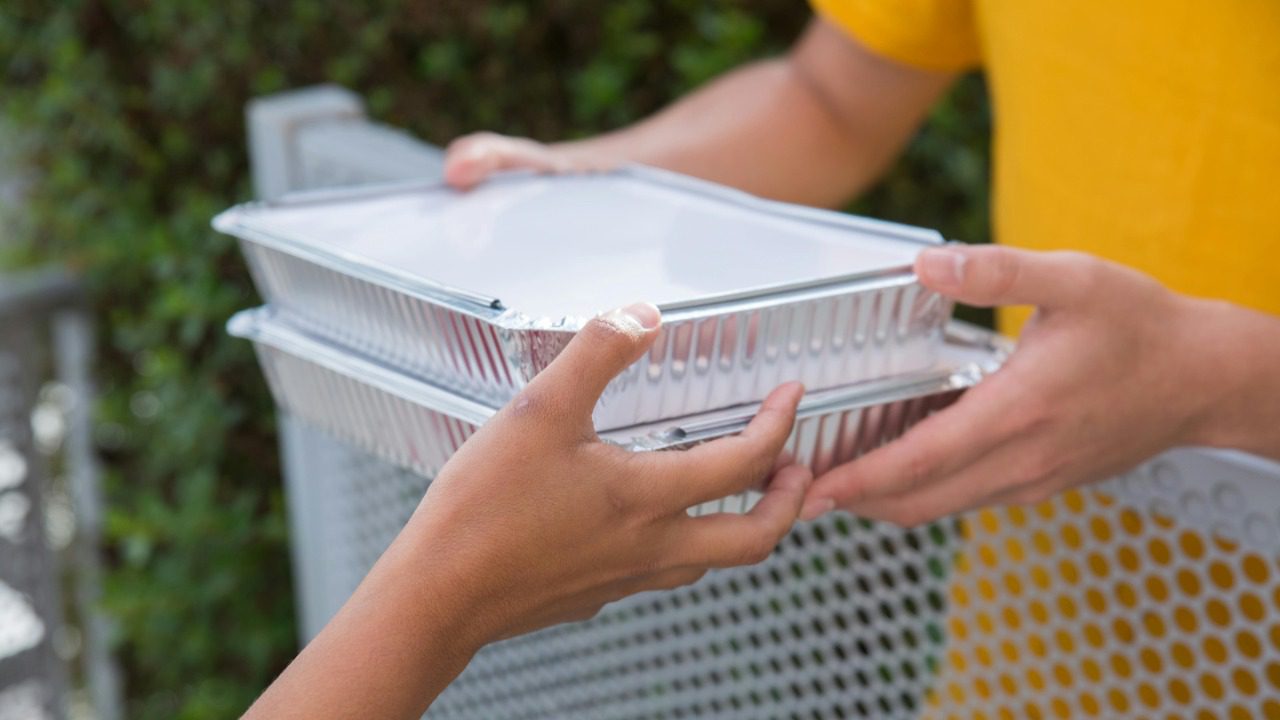
While single-use baking pans can be handy for parties or potlucks, they’re not the most sustainable or cost-effective choice. Instead, I’ve invested in durable, reusable baking pans. They’re more cost-effective in the long run, and I feel good knowing I’m reducing waste. In conclusion, reassessing what I truly need in my kitchen has not only saved me money and reduced clutter, but it’s also had a positive impact on the environment. I encourage you to take a look at what’s in your kitchen and consider whether there are items you could do without.