Clutter might feel like just an annoyance, but it can actually hit your wallet in ways you don’t expect. You might not realize how much money is tied up in stuff you don’t use or need.
Understanding how clutter costs you money helps you make smarter choices about what to keep and what to let go of. This article breaks down different ways clutter quietly drains your finances, so you can start saving without buying anything new.
Buying duplicates because you can’t find the original

When stuff is buried under clutter, you might forget you even own it. That leads to buying the same item again, which adds up without you realizing it.
This happens a lot with everyday things like kitchen gadgets, clothes, or tools. If you could find the first one quickly, you’d save money and avoid the extra hassle.
Keeping your space organized helps you spot what you have right away. That way, you don’t waste cash on things you already own but can’t find.
Paying late fees from lost bills

When bills get buried under clutter, you might miss their due dates without even realizing it. That often leads to late fees, which can add up quickly and hit your wallet harder than expected.
Plus, consistently paying late can affect your credit score, making future borrowing more expensive. Keeping your bills organized can help you avoid these unnecessary charges and stress.
Spending on storage bins and organizers

You might think buying bins and organizers will fix clutter, but these purchases can add up quickly. Each container you get costs money, and if you keep buying more, it gets expensive.
Sometimes, these items only delay the problem instead of solving it. Instead of spending on more stuff to contain clutter, consider cutting down what you keep.
Renting extra storage space unnecessarily
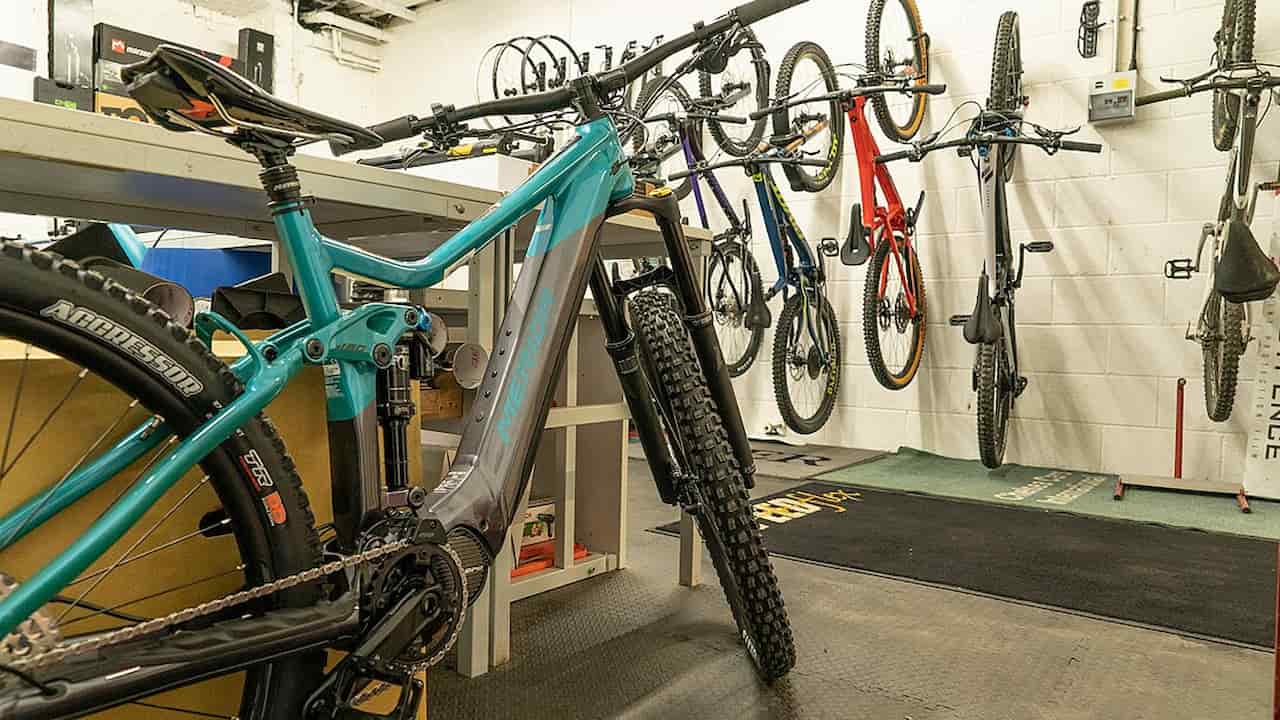
You might be paying for storage units to keep things you rarely use. This adds up quickly and takes money out of your pocket without much benefit.
Often, clutter in your home pushes you to rent extra space when you could just declutter. Clearing out what you don’t need can save you those monthly fees.
By organizing better, you can avoid spending extra on storage and keep your belongings accessible at home.
Losing time searching for things

When your space is cluttered, you spend extra time hunting for everyday items like keys, documents, or your phone.
This can add up quickly, turning a simple task into a frustrating time sink.
Even a few minutes lost each day can take away from things you actually want to do.
By keeping your belongings organized, you save time and reduce stress caused by constant searching.
Missing discounts on bulk buys due to cluttered pantry

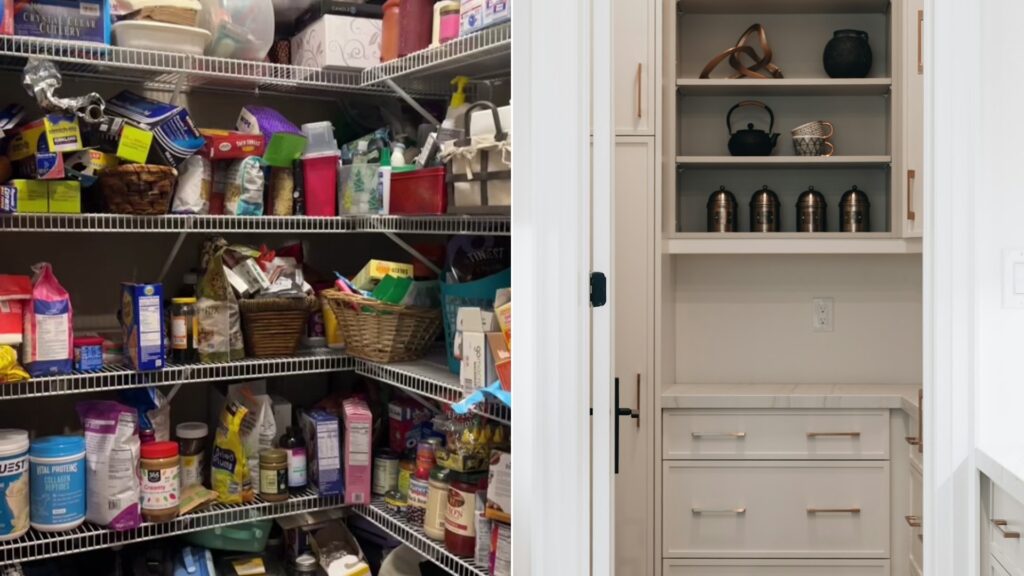
When your pantry is cluttered, it’s easy to lose track of what you already have. This means you might miss out on buying in bulk because you don’t see you have enough space or supplies.
Bulk buying usually comes with discounts, but if you can’t organize your pantry, you’ll miss these savings. Plus, clutter can cause you to buy items you didn’t plan for since you don’t know what’s already there. Clearing space helps you take advantage of deals and plan smarter.
Damaged items you forgot you owned
When your space is cluttered, it’s easy to forget about things tucked away in corners or boxes. Over time, those items can get damaged without you even noticing.
You might end up buying replacements for stuff you already have but don’t remember. This not only wastes money but also creates more clutter.
Taking time to organize can help you spot damaged items and decide whether to fix, toss, or keep them. It saves money and keeps your space clearer.
Forgetting what you own leads to unnecessary purchases

When your space is cluttered, it’s easy to lose track of what you already have. You might buy things twice or even three times without realizing it.
This happens because you can’t find the item or forget about it completely. Over time, those extra purchases add up and drain your budget.
Keeping things organized helps you see what you own and prevents you from spending on duplicates. It saves money and reduces waste.
Wasting money on unused gym memberships (cluttered schedule)

You might be paying for a gym membership that you rarely use. When your schedule is packed or disorganized, fitting workouts in can feel impossible.
That unused membership is basically money slipping through your fingers each month. It adds clutter to your expenses, just like physical clutter takes up space.
Canceling or pausing memberships you don’t use can save you cash. It also pushes you to find more realistic ways to stay active within your actual routine.
Reduced home value from cluttered spaces

When your home is cluttered, it can feel smaller and less inviting. Potential buyers might see cluttered rooms as a sign that the space isn’t well cared for.
This can lower their impression of your home’s value, making it harder to get a good price. Keeping spaces tidy helps your home look bigger and more appealing, which can boost its market value.
Higher cleaning costs from clutter build-up

When clutter piles up, it makes cleaning take longer and get more complicated. You might need to spend extra on cleaning supplies or even hire help just to keep your space manageable.
Clutter traps dust and dirt, so you end up cleaning the same spots more often. Over time, those extra efforts add up, hitting your wallet without you noticing.
Having to replace items that got lost or forgotten

When your space is cluttered, it’s easy to lose track of things you already own. You might buy duplicates because you can’t find the original item.
This can add up fast, especially with everyday essentials. Spending on replacements might seem minor, but over time it can really eat into your budget.
Keeping your stuff organized helps you find what you need quickly. That way, you avoid unnecessary purchases and save money in the long run.
Increased stress affecting work productivity

Clutter can make it harder for you to focus on tasks. When your workspace is messy, your brain spends extra energy trying to ignore distractions.
This stress can slow you down, meaning you take longer to finish work. It’s easy to feel overwhelmed and less motivated when clutter surrounds you.
All of this can add up to less productivity and more frustration during your workday.