


If we’ve learned anything over the past few years, it’s that every small action counts, especially when it comes to taking care of our planet. The thought of becoming more eco-friendly can seem daunting, but it doesn’t have to be. By making small changes in our everyday lives, we can contribute to the overall health of our planet. One place where you can make a significant difference is in your own home. Below, I’ve listed 13 ways I’ve made my home more eco-friendly, and I hope you find them inspiring and easy to implement in your own life.
1. Switch to LED Bulbs


When it comes to energy efficiency, LED bulbs are a clear winner. They use about 75% less energy than traditional incandescent bulbs and last 25 times longer. The initial cost may be higher, but the long-term savings and environmental benefits make it a no-brainer. Plus, they’re available in a range of shapes, sizes, and styles, so you can easily find one that fits your home.
2. Compost Your Kitchen Waste

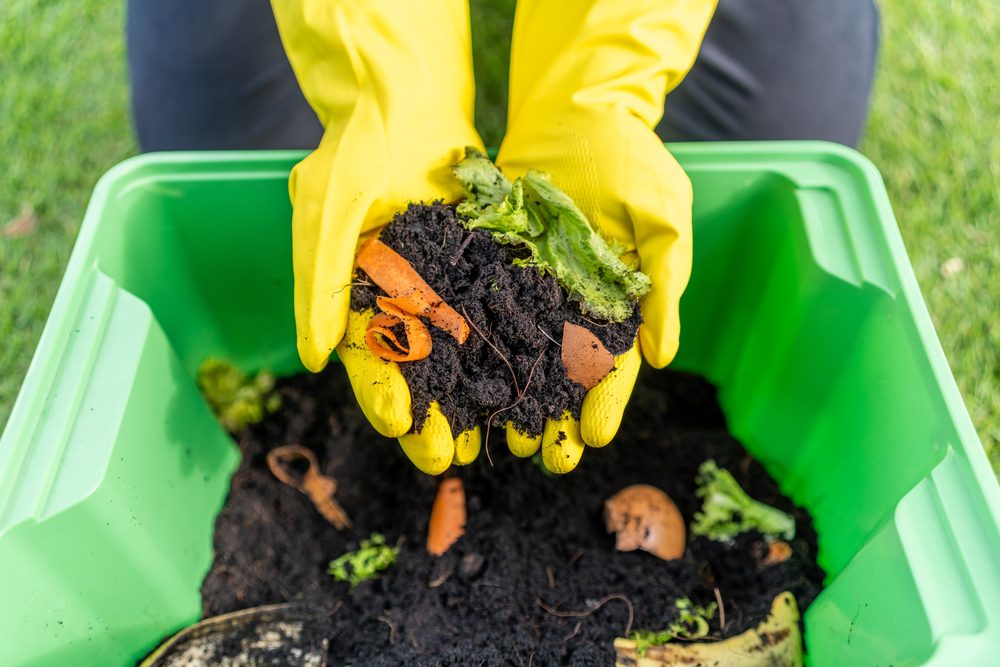
Composting is a great way to reduce food waste and create nutrient-rich soil for your garden. It’s easy to get started – all you need is a compost bin or pile in your backyard. You can compost fruit and vegetable scraps, coffee grounds, eggshells, and yard waste. Remember, not all food waste can be composted. Avoid adding meat, dairy, and oily foods as they can attract pests.
3. Use Natural Cleaning Products

Many conventional cleaning products are packed with harsh chemicals that can harm the environment. By switching to natural alternatives, you can reduce your home’s environmental impact and create a healthier living space. Many natural cleaning ingredients such as vinegar, baking soda, and lemon juice are likely already in your pantry.
4. Install a Programmable Thermostat

A programmable thermostat can help you manage your home’s energy use more effectively. By setting your thermostat to lower the temperature when you’re not home or at night, you can save energy and reduce your carbon footprint. Some models even allow you to control your thermostat remotely through your smartphone.
5. Reduce, Reuse, Recycle

The three R’s are a cornerstone of eco-friendly living. Try to reduce your consumption by buying only what you need, reuse items when possible, and recycle everything else. Remember, recycling should be the last resort. It’s always better to reduce and reuse first.
6. Plant a Garden

Planting a garden not only provides you with fresh, organic produce, but it also helps reduce your carbon footprint. Plants absorb carbon dioxide, a major greenhouse gas, and produce oxygen. Plus, gardening is a great way to get outdoors and connect with nature.
7. Use Reusable Shopping Bags
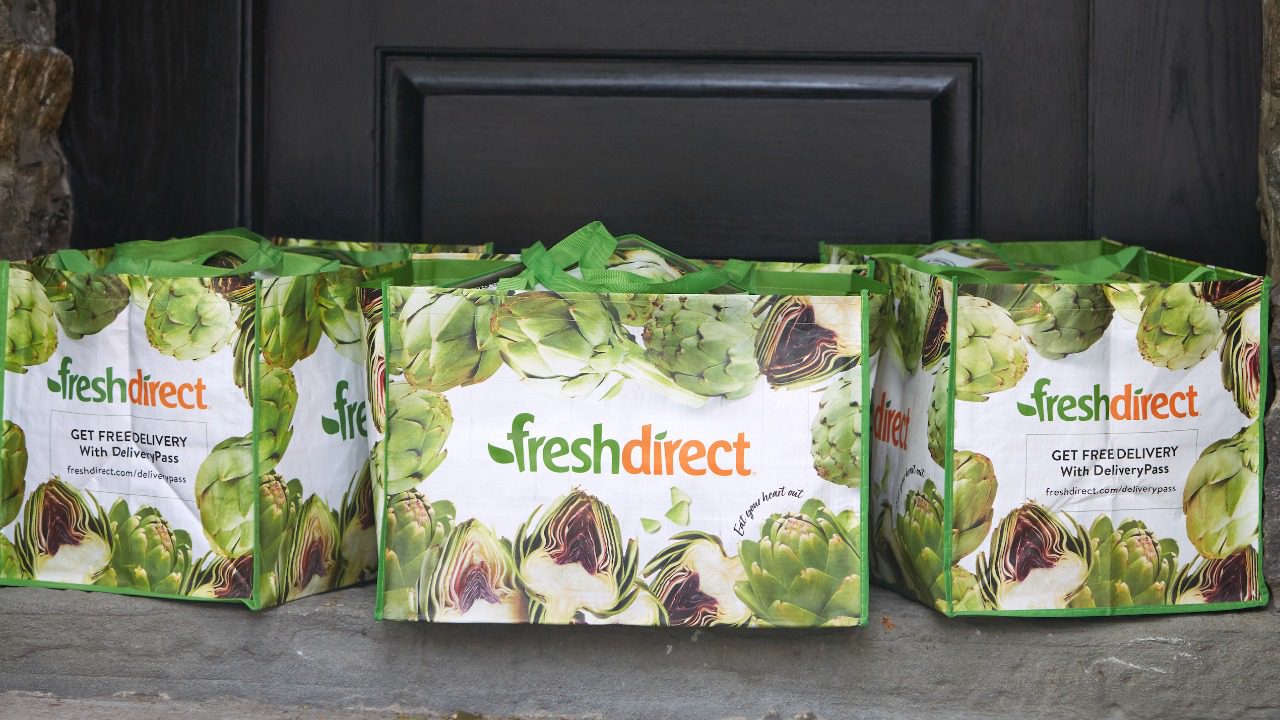
Plastic bags are a major source of pollution. They take hundreds of years to decompose and often end up in the ocean, where they harm marine life. By bringing your own reusable shopping bags, you can reduce your plastic consumption and help protect our oceans.
8. Install Solar Panels
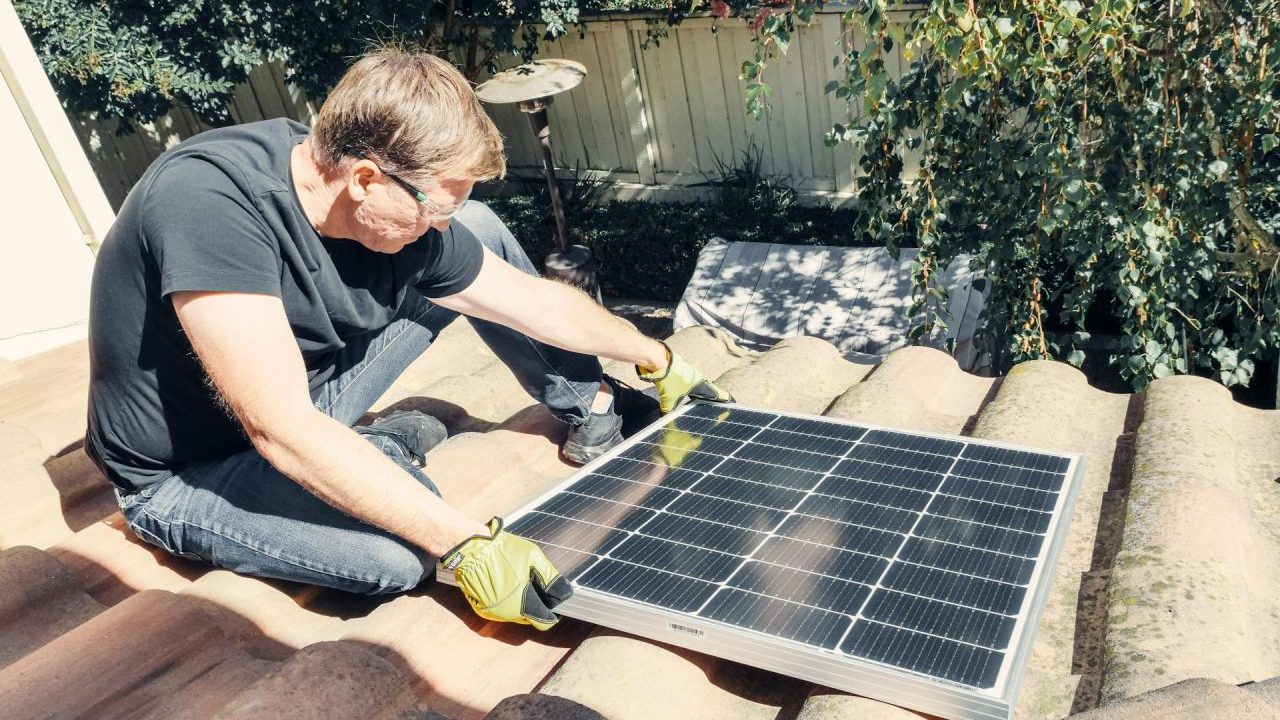
Solar panels are a great way to reduce your reliance on fossil fuels and lower your energy bills. While the upfront cost can be high, many areas offer incentives and rebates that can make it more affordable. Plus, you’ll be contributing to a cleaner, greener future.
9. Use Low-Flow Showerheads and Toilets

A low-flow showerhead or toilet can significantly reduce your water usage, saving you money and helping conserve water. Look for models with the WaterSense label, which meet the EPA’s criteria for water efficiency and performance.
10. Buy Energy Star Appliances
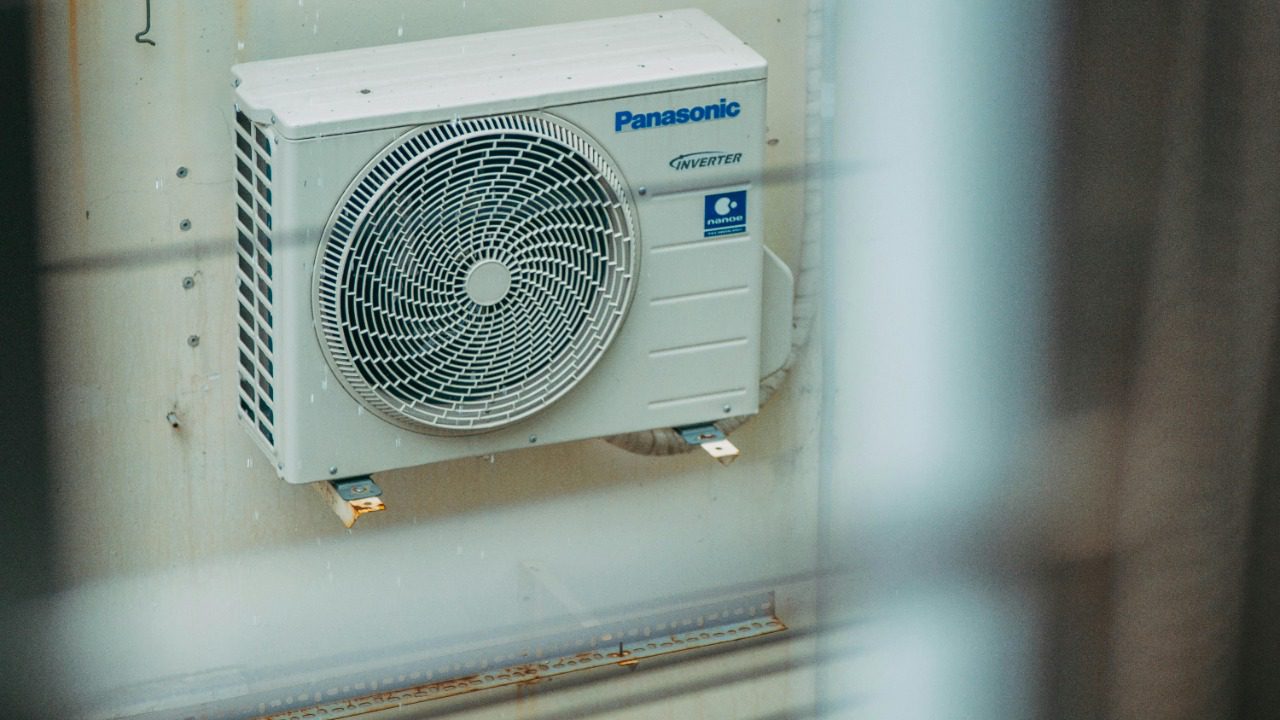
Energy Star appliances use less energy and water than conventional models, making them a smart choice for eco-conscious homeowners. When it’s time to replace an appliance, look for the to ensure you’re getting the most efficient model.
11. Choose Sustainable Materials

When renovating or decorating your home, choose materials that are sustainably sourced or made from recycled content. This can include everything from reclaimed wood flooring to recycled glass countertops. Not only do these materials have a lower environmental impact, but they can also add unique character to your home.
12. Use a Rain Barrel

A rain barrel collects rainwater from your roof that can be used to water your garden or lawn. This reduces your reliance on municipal water and helps conserve this precious resource. Plus, rainwater is free of the chemicals often found in tap water, making it better for your plants.
13. Create a Home Energy Audit
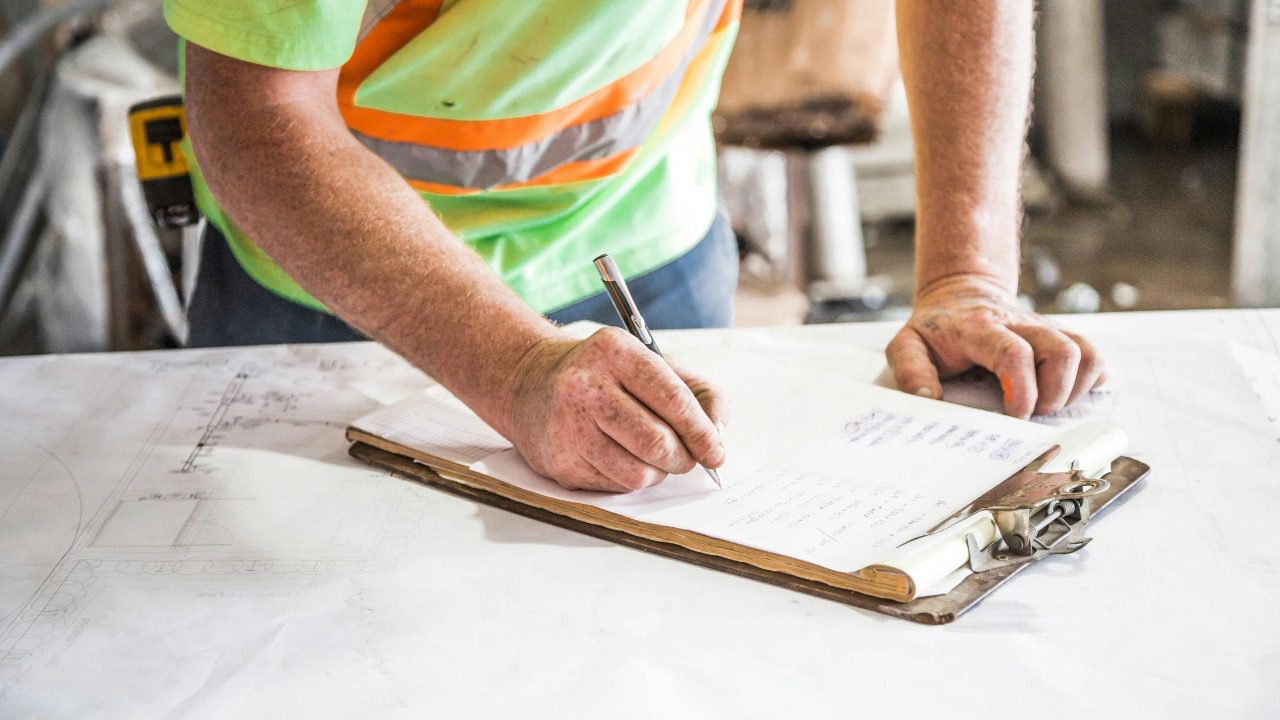
A home energy audit can help you identify areas where your home is wasting energy. This can include everything from drafty windows to an inefficient heating system. Once you know where the problems are, you can make targeted improvements to increase your home’s energy efficiency. Many utility companies offer free energy audits, so check with yours to see if this service is available. Remember, every small action counts. By implementing these eco-friendly practices in your home, you can help create a healthier, more sustainable world.