


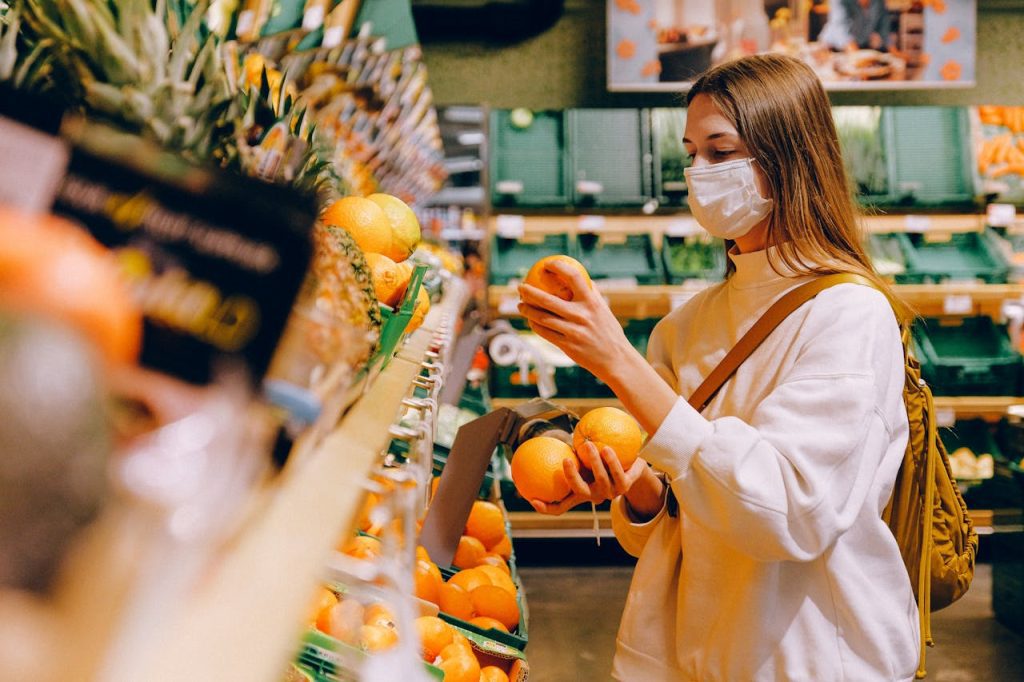
Food waste is a common issue that affects both your budget and the environment. Finding ways to reduce it can help you save money while using your groceries more efficiently.
By making small changes in how you shop, store, and use food, you can cut down on waste and stretch your meals further. These practical tips are designed to fit easily into your daily routine without adding extra hassle.
Store fruits and veggies correctly to extend freshness


You can keep your fruits and veggies fresh longer by storing them properly. Remove any greens from root vegetables like carrots to prevent moisture loss. Use paper towels to wrap the ends and place produce in breathable bags or containers.
For fruits, try washing them in a water and vinegar solution before drying completely to slow spoilage. Keep your fruits and vegetables in the right spots in your fridge, usually the top shelf or crisper drawer, depending on the item.
Plan meals weekly to buy only what you need

When you plan your meals for the week, you know exactly what ingredients to buy. This helps you avoid impulse purchases and reduces the chance of food going to waste.
Make a list based on your planned meals and check your pantry before shopping. Sticking to the list keeps your spending in check and ensures you use everything you buy.
Planning ahead also makes it easier to use leftovers or pantry staples. This way, you save money and make the most of your food.
Shop from a detailed grocery list

You can save money and reduce waste by planning your meals before shopping. Write down exactly what you need and stick to your list to avoid impulse purchases.
Check your fridge and pantry first. Cross off items you already have to prevent buying duplicates.
Buying only what you need helps food last longer and cuts down on what gets thrown away. Keeping your list detailed makes shopping more efficient and less stressful.
Check pantry before shopping to avoid duplicates


Before you head out to shop, take a quick look through your pantry and fridge. This helps you know exactly what you already have.
By tracking your current items, you avoid buying duplicates that might go unused. It also saves you money and keeps your food fresher.
Try making a list based on what you actually need. This simple habit helps reduce waste and keeps your meal planning clearer.
Buy food from bulk bins to reduce packaging

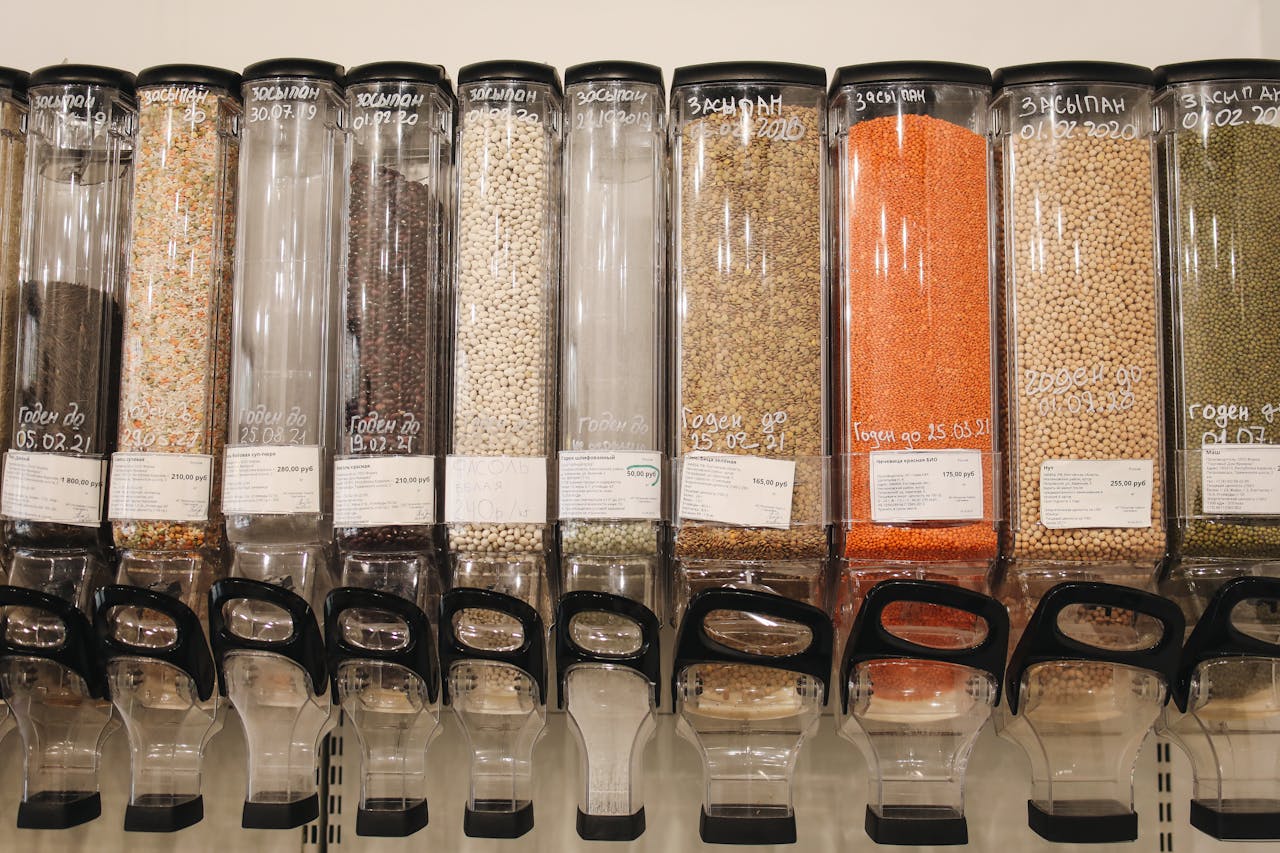
Buying from bulk bins lets you take only what you need. This helps you avoid buying excess food that might go to waste.
You’ll also reduce the amount of packaging waste. Bulk bins often use less plastic or paper compared to pre-packaged items. Try bringing your own containers when shopping bulk. It’s an easy way to cut down on single-use packaging even more.
Label leftovers with date and use FIFO method


Label your leftovers with the date and content. This simple step helps you know what to eat first. It prevents food from sitting in the fridge until it spoils.
Use the FIFO method—first in, first out. When you add new groceries, place them behind older items. This way, older food gets used before it goes bad.
Together, these habits make it easier to keep track of your food and reduce waste. You’ll save money and avoid tossing perfectly good leftovers.
Eat leftovers by turning them into new meals


You can give leftovers a second life by turning them into entirely new dishes. For example, roast chicken can become chicken salad or a tasty sandwich filling.
Get creative with vegetables by blending or chopping them into soups, stir-fries, or casseroles.
This approach not only saves you money but also cuts down on waste. It makes meal planning easier and more flexible too.
Buy ‘ugly’ or misshapen produce


You can save money by choosing fruits and vegetables that look imperfect. These “ugly” items are often just as fresh and nutritious as their nicer-looking counterparts.
Buying misshapen produce helps reduce food waste because many perfectly edible items are discarded due to appearance standards.
Try subscription boxes or local stores that offer ugly produce. This simple change can cut your grocery bill without sacrificing quality.
Ask for smaller portions when dining out

You can ask for smaller portions when eating at restaurants to avoid wasting food. Many places are willing to serve less if you request it.
Smaller meals often cost less, so you save money and reduce leftovers. This way, you only eat what you can finish, helping both your budget and the environment.
Use airtight containers to preserve food longer

You can keep fruits, vegetables, and leftovers fresh by storing them in airtight containers. These containers prevent moisture loss and slow down spoilage.
Make sure to separate fruits and vegetables, as some release gases that cause others to ripen faster. Label your containers with dates to track freshness and reduce waste.
Freeze bread, herbs, and cooked meals before they spoil

You can extend the life of bread by freezing it before it goes stale. Slice it first, so you only thaw what you need.
Herbs freeze well too. Chop them and store in ice cube trays with a bit of water or oil for easy use later.
Cooked meals can be portioned and frozen, helping you avoid tossing leftovers. This saves money and gives you quick meals on busy days.
Prep lunches in advance to use up ingredients

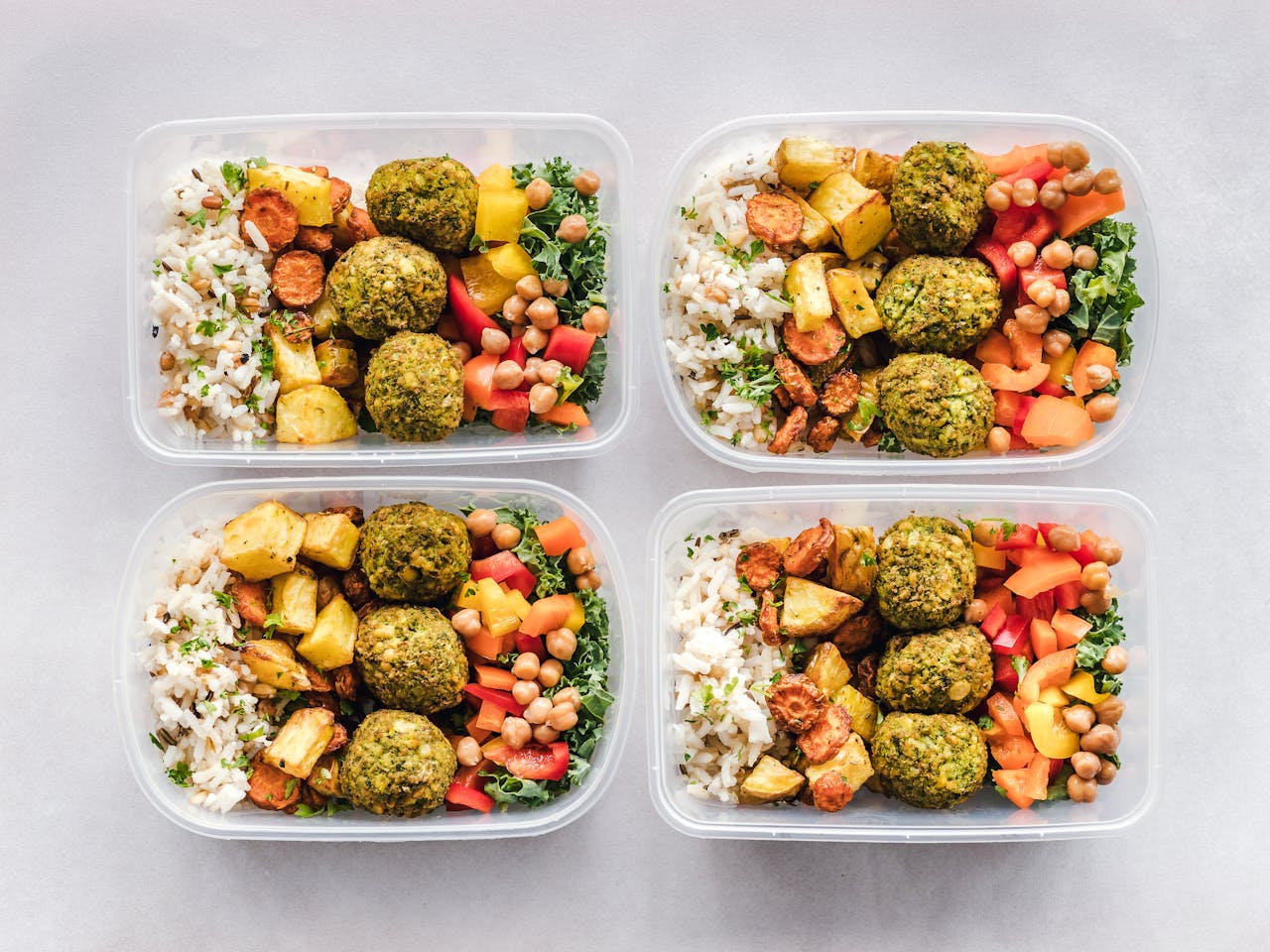
You can save money by planning your lunches ahead. Preparing meals in advance helps you use up ingredients before they spoil.
Batch cooking and portioning your lunches makes it easier to use leftovers and pantry items. This reduces waste and keeps your meals varied.
Try combining common ingredients in different recipes. It helps you avoid having random bits of food go unused.
Eat before shopping to avoid impulse buys


When you shop on an empty stomach, it’s easy to grab more than you need. Eating a meal or snack before heading to the store helps you stick to your list.
This simple step reduces impulse purchases and keeps your grocery bill in check. You’ll also avoid buying perishable items that might go to waste later.
Planning ahead makes your shopping trip more focused and helps you buy only what you truly need.
Like what you read? Here’s more by us: