


When you decide to purge your belongings, you might be surprised by what valuable items you could find hidden among things you no longer need. Knowing what to look for can help you spot pieces that have worth beyond their sentimental value or appearance.
Understanding how to identify valuable items during a purge can save you money and even earn you some extra cash. By paying attention and being a bit strategic, you can turn a simple decluttering session into an opportunity to uncover hidden treasures.
Check if the item has been used in the last 12 months


Look at your purchase or usage history to see if the item has been active in the past year. If it hasn’t been used or bought within 12 months, it might not be valuable to keep.
You can track this by checking receipts, digital records, or inventory logs. This simple step helps you focus on items that are still useful or wanted.
Look for brand names or designer labels

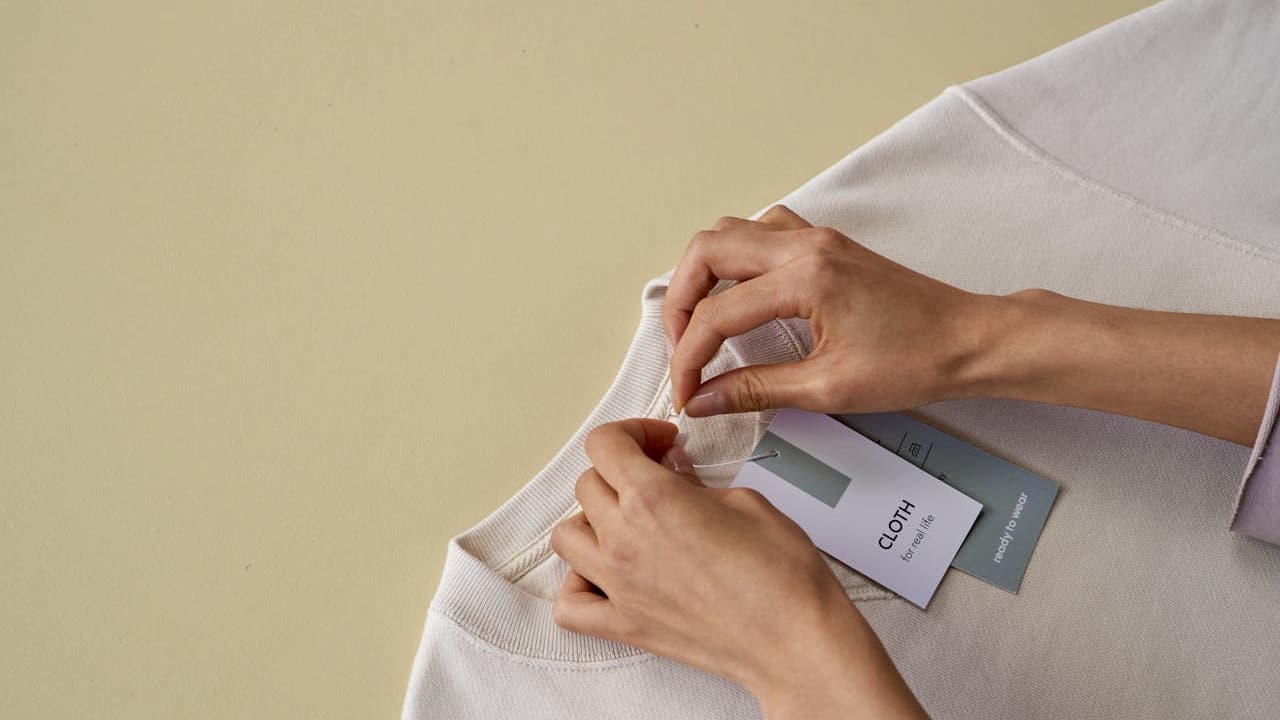
When you’re sorting through items, keep an eye out for well-known brand names or designer labels. These marks can often signal higher value or quality.
Check the labels carefully for details like the brand name, country of origin, and care instructions. Sometimes, you might find collection names or season codes that give clues about the item’s rarity.
Familiarizing yourself with popular designer brands makes it easier to spot valuable pieces quickly. Even small labels can make a big difference in an item’s worth.
Assess if the item is in good condition without damage


When you look at an item, check closely for any cracks, chips, or stains. Small flaws can lower the value, especially in collectibles or furniture.
Feel the texture to spot any tears or worn spots. For textiles, tight and even stitching often means better quality.
Even alignment and smooth finishes on furniture show good care. Taking your time helps you avoid keeping damaged goods.
Determine if the item has resale value online

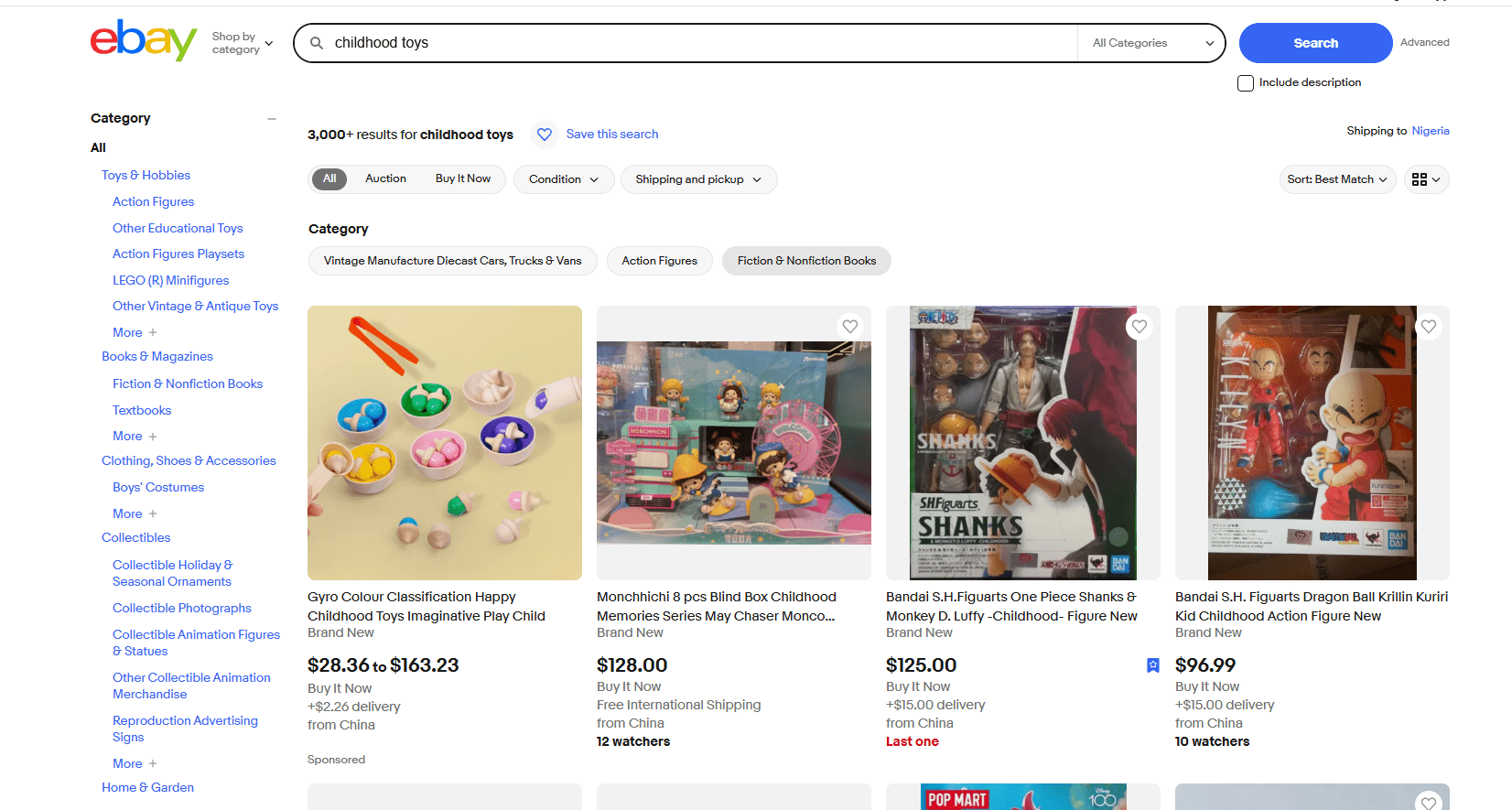
Start by searching for your item on online marketplaces like eBay. Look for recently sold listings to see what buyers are actually paying.
You can also use tools like Google Lens to quickly identify the item and find similar ones online. This helps you spot potential resale value without much hassle.
Checking collector sites or digitized databases can give extra insight, especially for niche or vintage items. If unsure, consider asking an appraiser for a professional opinion.
Ask if the item holds sentimental or unique value


When you come across an item, pause and consider its sentimental meaning. Does it remind you of a special person, place, or time? Items like letters, heirlooms, or keepsakes often carry personal stories that money can’t replace.
You should also check if the item is unique or rare. Limited editions, original packaging, or one-of-a-kind pieces might have value beyond the usual. These details often make an item more meaningful or worth keeping.
Evaluate if it can be easily cleaned or repaired

Before deciding to toss something, check if it can be cleaned or fixed. Some items just need a little care to regain value or usefulness.
Look for simple repairs like replacing a sole on shoes or fixing a loose seam on clothes. Even spot cleaning can make a big difference.
If the damage is minor and repair shops handle that type of item, you might save money and preserve something valuable.
See if the item is a limited edition or collectible
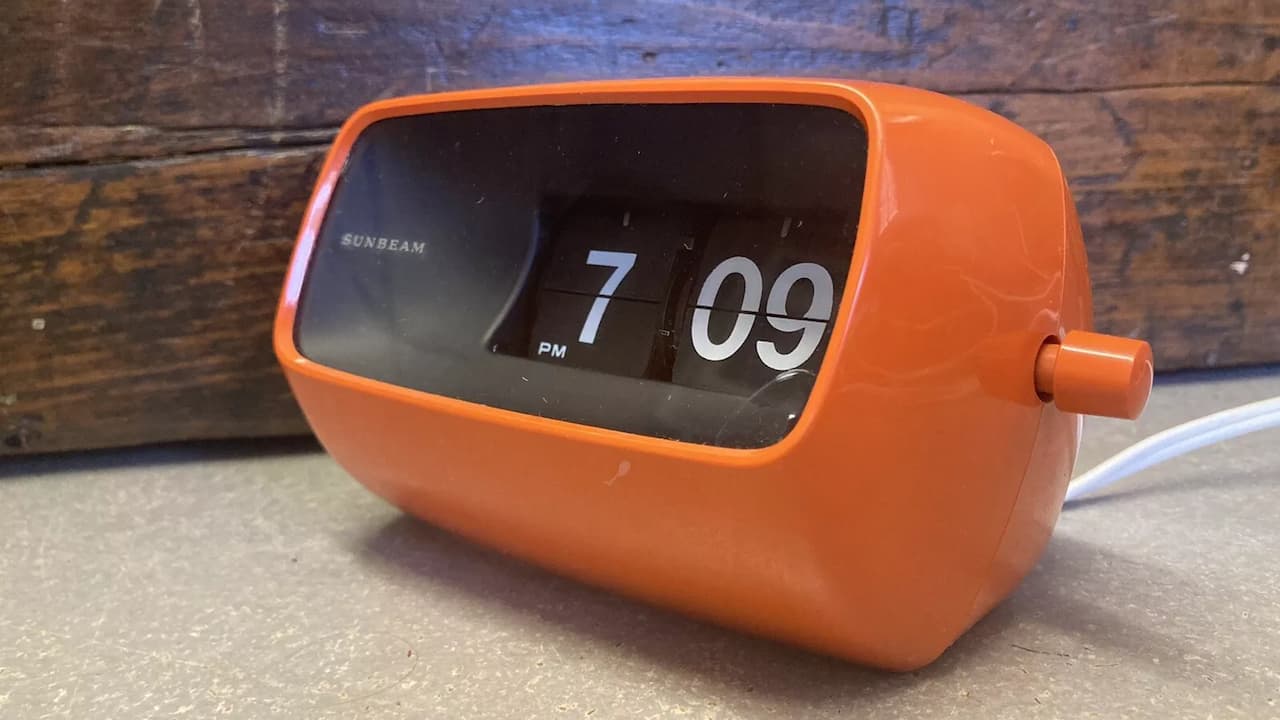
Check if your item is marked as a limited edition. These often come with numbers showing how many were made, which means they are rarer.
Look for certificates of authenticity or signatures. These details can increase the item’s value because they prove it’s part of a special run.
Collectibles from well-known brands or special events are also worth noting. The smaller the production number, the more collectible your item may be.
Research whether the item is currently in demand


Before deciding to keep or sell an item, check if it’s popular right now. You can use your smartphone to quickly look up recent sales or listings online. This will give you a good idea of how much interest there is.
Search for similar items on sites like eBay to see how often they sell and at what price. If an item is rare or tied to a trending style or brand, it’s more likely to be worth something. This step helps you avoid holding onto things no one wants.
Check for rare materials like silver, gold, or hardwood
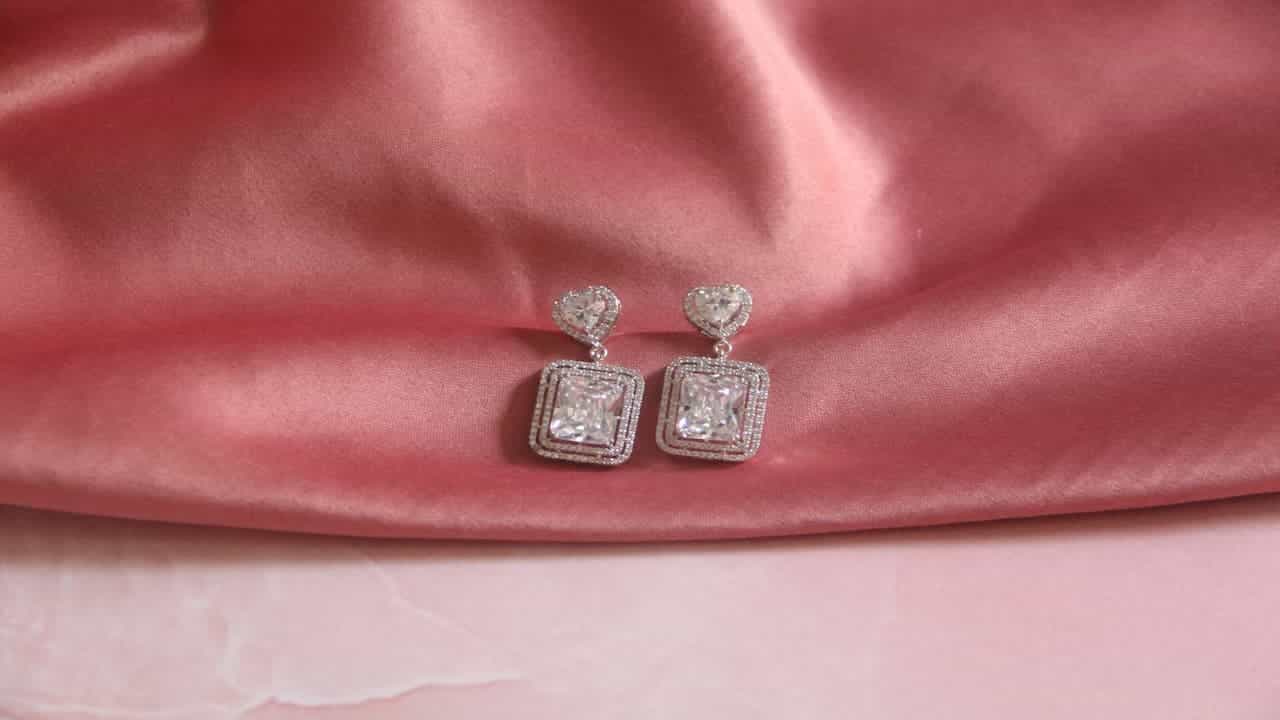
When you come across items made of metal, look closely for markings like “925” or “sterling,” which indicate silver. Gold items may have karat stamps such as “14K” or “18K.”
For wooden pieces, check if the wood is hardwood, like oak or mahogany. These often suggest better quality and higher value.
Knowing these materials helps you decide what to keep or research further while purging. It makes your process easier and more rewarding.
Identify electronics that are not outdated or obsolete

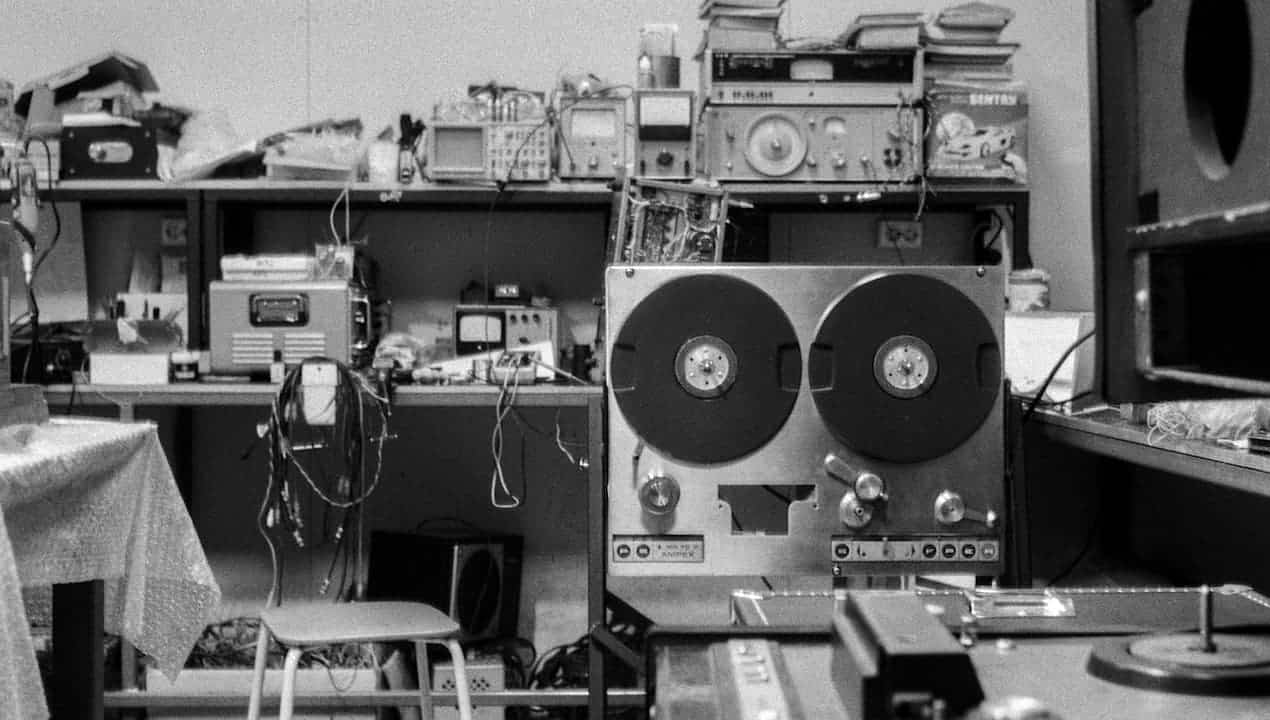
When sorting through your gadgets, check if they still run the latest software or apps. Devices that receive updates regularly are usually still valuable.
Look for electronics that are compatible with current accessories and connections. If your item supports new chargers or peripherals, it’s likely not obsolete.
Also, consider items that have unique features or functions rare in newer models. These can be worth keeping or selling.
Notice if the item serves multiple purposes or functions


Look for items that can do more than one thing. If something combines a few uses, it often holds more value because it saves space and money.
For example, a bag that also works as a changing mat is handy. Or metal spoons chilled for reducing puffiness show how one item can serve multiple needs.
When you find things like this, consider keeping them. Multipurpose items are often more practical and valuable in daily life.
Find out if it’s a classic piece that never goes out of style

When you’re sorting through items, look for pieces known for timeless appeal. Think of the little black dress or a crisp white shirt—these never really go out of style.
Classic pieces often have simple designs and neutral colors, which means they can be used in many ways. If you find something like this, it might be worth keeping or selling.
Jewelry like white pearls or well-made accessories also hold value over time. These items usually fit any style and occasion, making them good finds while purging.
Determine if the item has original packaging or manuals
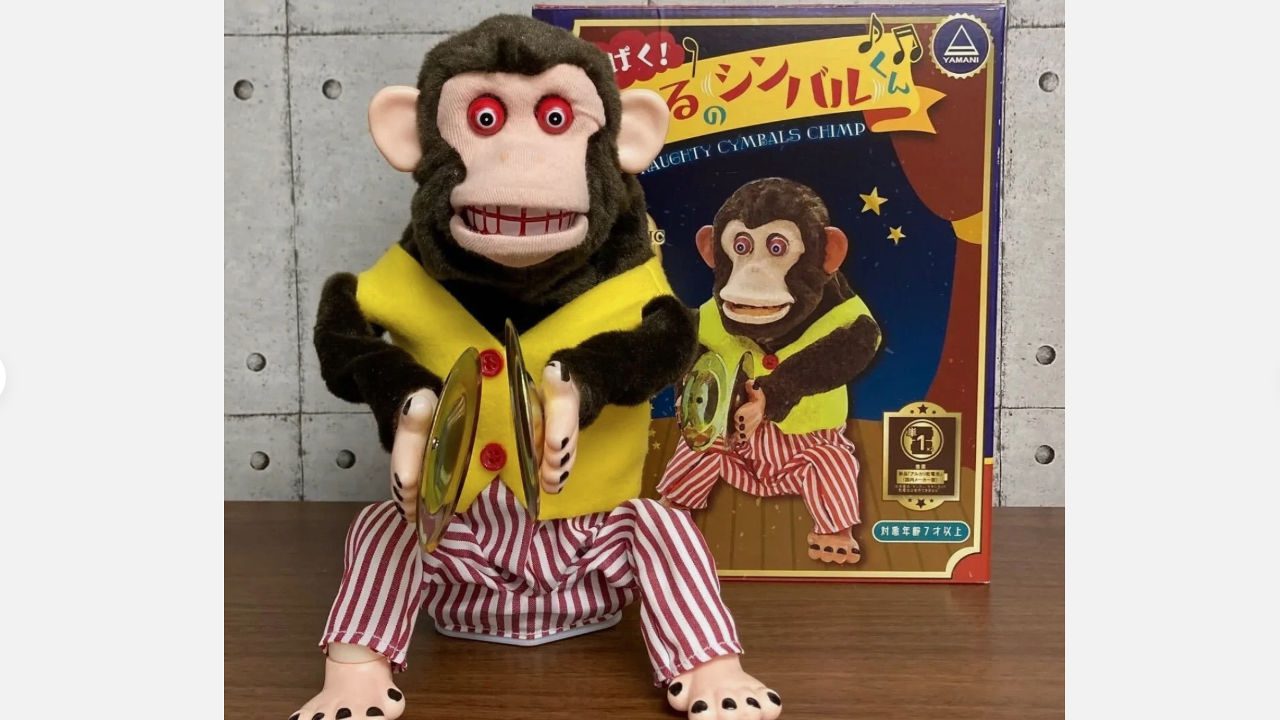
Japanese Happiness shop/eBay.
Check if your item includes its original packaging or manuals. These can add value, especially for collectibles and electronics.
Look for intact boxes with clear printing and no damage. Original packaging shows the item was well cared for.
Manuals and paperwork can also increase worth. They provide proof of authenticity and help future owners understand the item better.