



Is your home gobbling up more energy than necessary? You may be living in an energy hog and not even realize it. An energy hog is a house that uses more energy than it should, leading to high utility bills and a larger carbon footprint.
Figuring out if your house fits this description can be tricky, but several signs can tip you off. Here are 13 ways to tell if your home is an energy hog.
1. High Utility Bills: Are You Paying More Than Your Neighbors?


One telltale sign of an energy hog is unusually high utility bills. If you’re paying significantly more than your neighbors, it’s time to investigate. High utility bills can be a result of many factors, such as poor insulation, outdated appliances, or inefficient heating and cooling systems. You can start by comparing your bills to the average in your area or asking neighbors about their energy consumption. If there’s a significant discrepancy, your home might be using more energy than it needs to.
You can also use online tools to compare your energy consumption with others in your area. Websites like APG&E offer useful resources to help you understand if your energy use is higher than average. Remember, knowledge is power, and in this case, it could save you a lot of money!
2. Cold Drafts: Detecting Air Leaks Around Doors and Windows


Feeling a chilly draft in your home, even when the doors and windows are closed? This is a sign of air leaks, which can waste a lot of energy. Air leaks allow warm air to escape in the winter and cool air to escape in the summer, making your HVAC system work harder than it needs to. Sealing these leaks can save you up to 20% on heating and cooling costs.
Identifying these leaks can be pretty straightforward. On a windy day, light an incense stick and hold it near your windows, doors, and any other potential leak spots. If the smoke wavers or is sucked out of an opening, you’ve found a leak. You can seal these leaks with weatherstripping or caulk to save energy and money.
3. Overworked HVAC System: Is Your Air Conditioner or Furnace Running Constantly?


If your heating, ventilation, and air conditioning (HVAC) system seems to be running all the time, your home may be an energy hog. An overworked HVAC system can be due to a variety of issues, including poor insulation, air leaks, or an old, inefficient system. Regular maintenance can help keep your HVAC system running efficiently, saving you energy and money in the long run.
Consider having your HVAC system serviced regularly by a professional to ensure it’s running at its best. If your system is old, it may be more cost-effective to replace it with a more energy-efficient model. Check out this Be Insulated article on the biggest energy hogs in a home for more tips.
4. Outdated Appliances: Are Your Electronics Energy Inefficient?

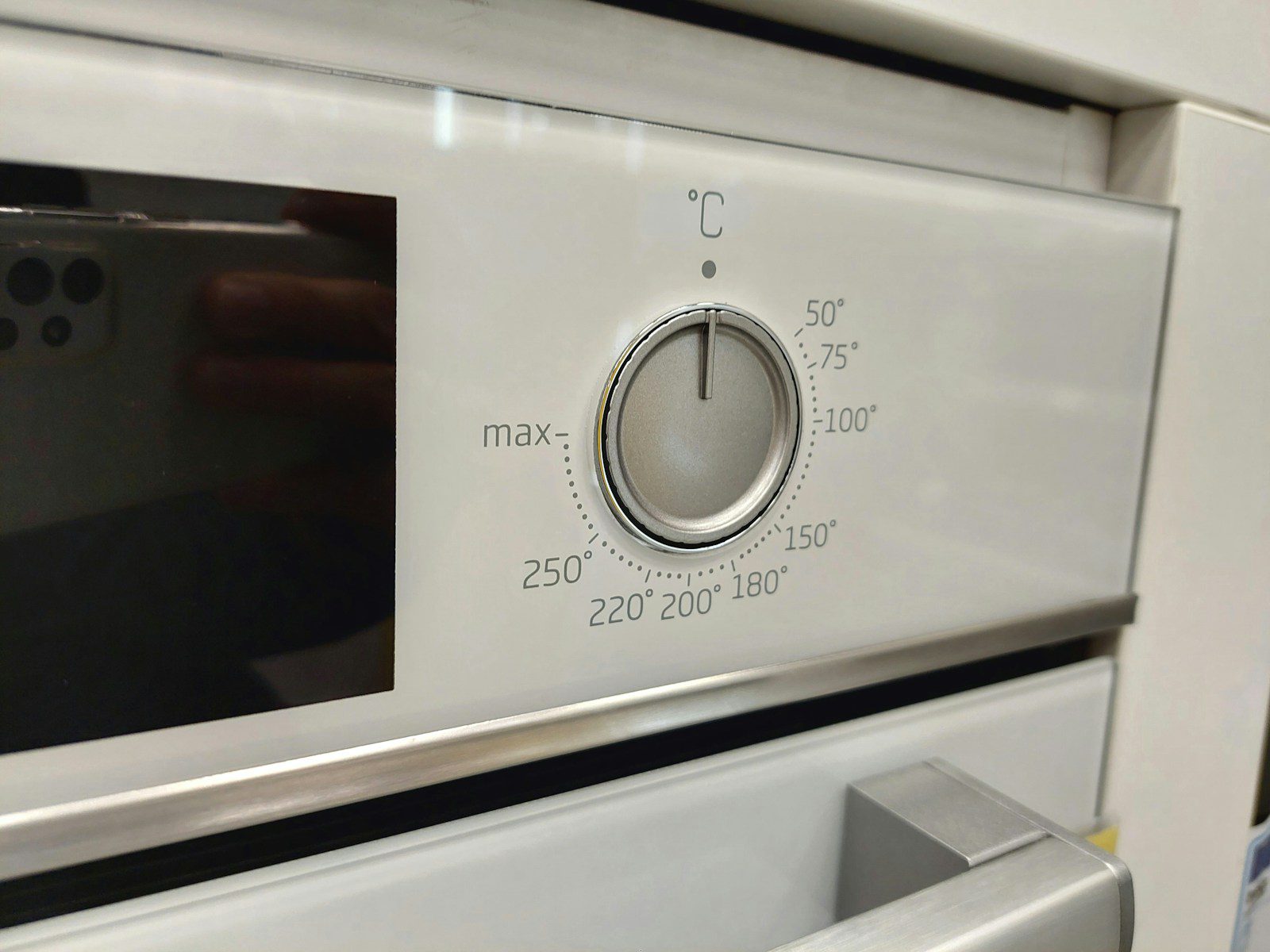
Older appliances can be serious energy hogs. If your fridge, washing machine, or other appliances are more than 10 years old, they’re likely using more energy than newer, more efficient models. Upgrading to energy-efficient appliances can save you money on your utility bills and reduce your home’s energy use.
Before buying new appliances, look for the Energy Star label. Appliances with this label meet strict energy efficiency guidelines set by the EPA. Not only will these appliances use less energy, but they can also save you money on your utility bills.
5. High Water Usage: Is Your Home Water-Wise?

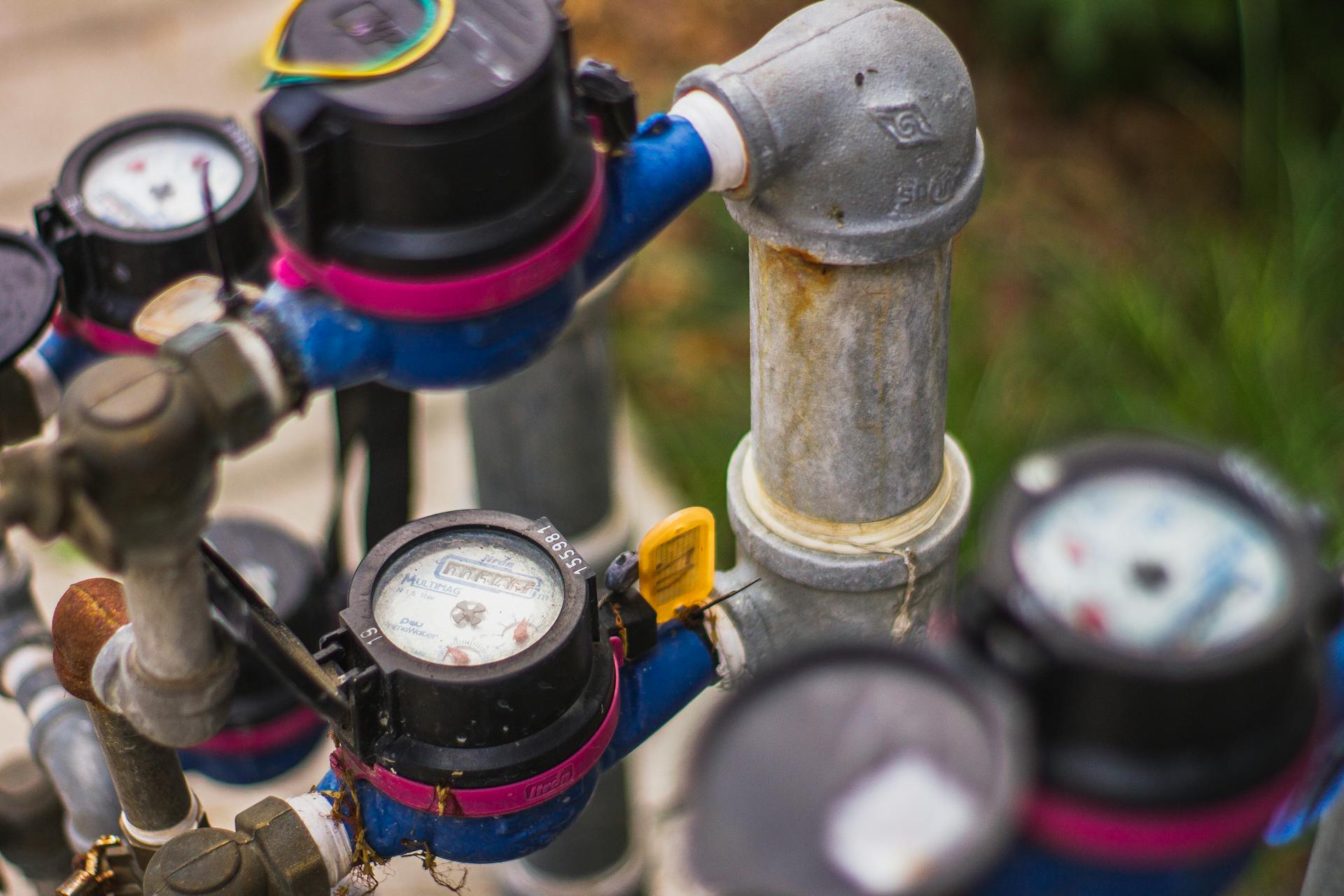
High water usage is another sign of an energy hog. If your water bills are consistently high, it might be time to look for ways to conserve water. Simple changes like fixing leaky faucets, installing low-flow showerheads, and only running your washing machine and dishwasher with full loads can make a big difference.
Consider investing in a water-efficient toilet or a rainwater collection system to further reduce your water usage. You can also check out this Lowe’s article for more tips on how to reduce your home’s water consumption.
6. Inadequate Insulation: Does Your Home Retain Heat Adequately?


Poor insulation is a leading cause of energy waste in homes. If your home doesn’t stay warm in the winter or cool in the summer, you might need to upgrade your insulation. Good insulation reduces the amount of heat that escapes from your home in the winter and enters your home in the summer.
If you’re not sure whether your home is well insulated, consider getting a home energy audit. This assessment can identify areas in your home that need better insulation and suggest other ways to improve energy efficiency.
7. Light Bulb Types: Are You Still Using Incandescent Bulbs?
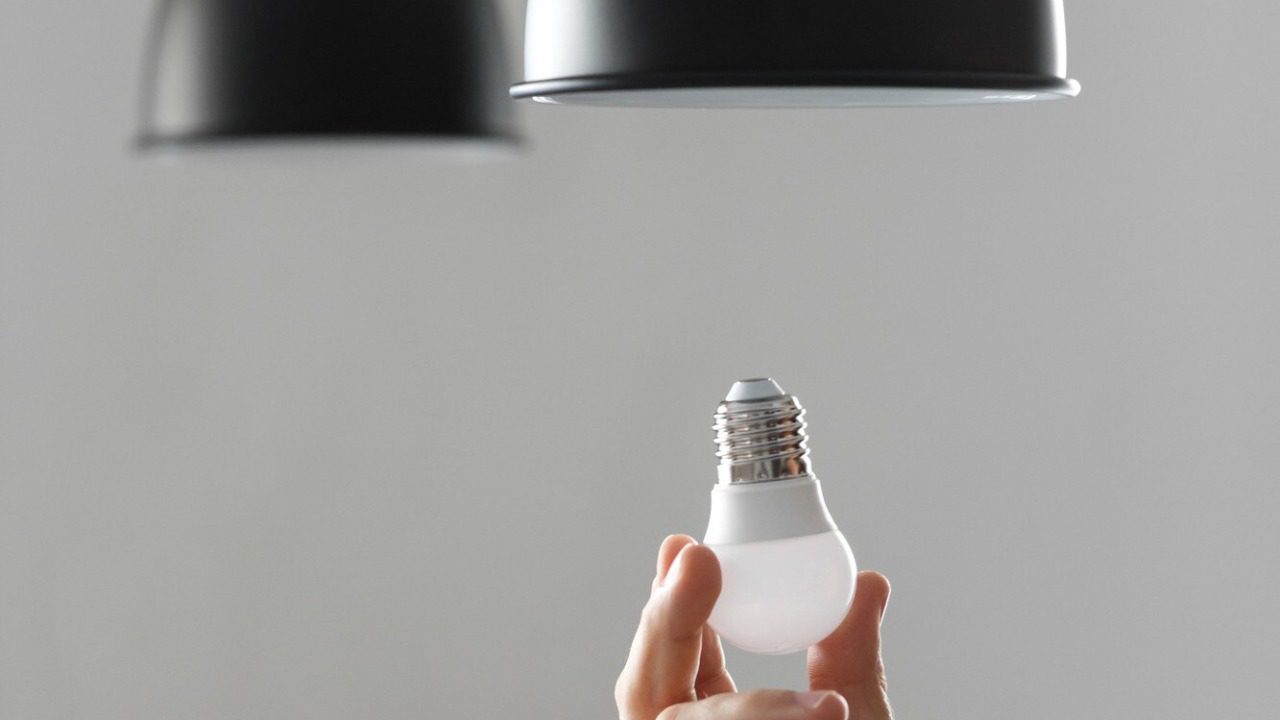
If you’re still using incandescent bulbs, you’re wasting energy. These bulbs use a lot more energy than compact fluorescent bulbs (CFLs) or light-emitting diode bulbs (LEDs) and don’t last as long. By switching to CFLs or LEDs, you can save energy and reduce your electricity bills.
While CFLs and LEDs may cost more upfront, they’ll save you money in the long run because they use less energy and last longer. Plus, they can help reduce your home’s carbon footprint, which is good for the environment.
8. Phantom Loads: Is Standby Power Wasting Your Energy?
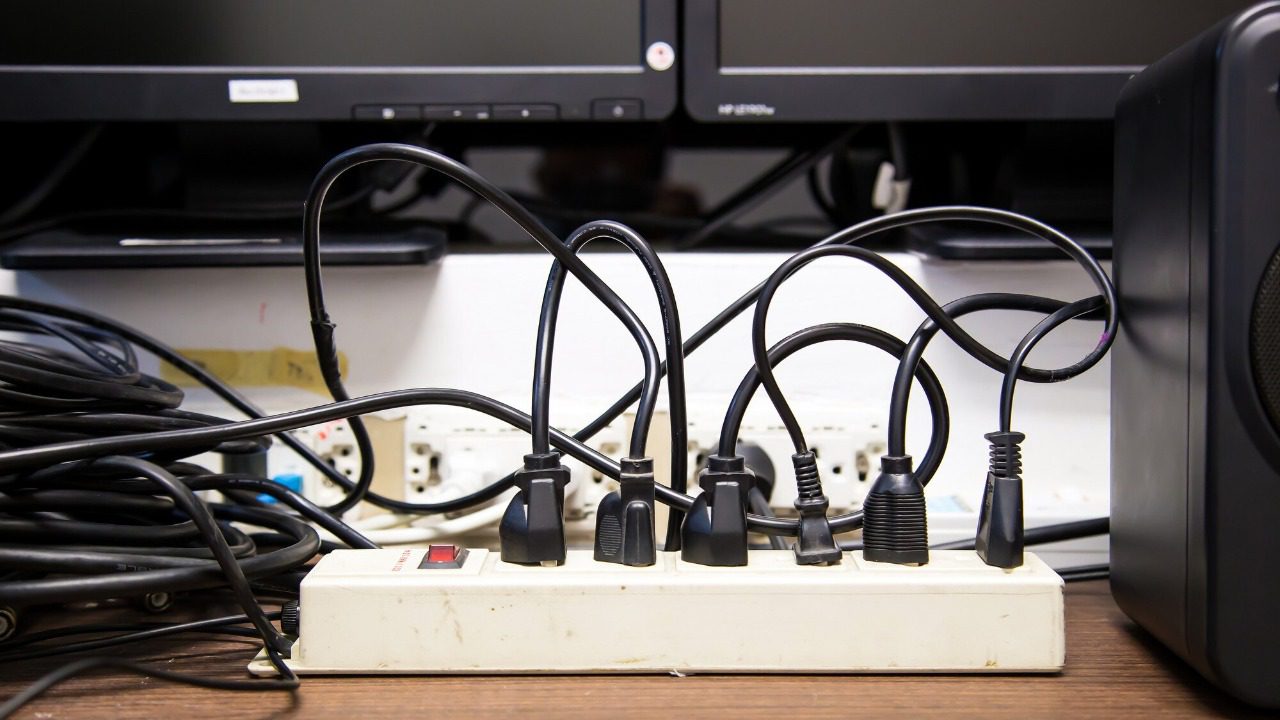
Phantom loads, or the energy consumed by electronics when they’re turned off but still plugged in, can add up to a significant amount of energy waste. Common culprits include TVs, computers, and chargers. Unplugging these devices when they’re not in use or using a power strip with a switch can help you save energy.
Consider investing in smart power strips. These devices can detect when a device is in standby mode and cut off power, saving energy. According to the U.S. Department of Energy, smart power strips can save up to $100 per year.
9. Single-Pane Windows: Are Your Windows Letting Heat In and Out?

If you have single-pane windows, they could be letting heat in and out of your home, wasting energy. Single-pane windows are not very effective at insulating your home. In contrast, double-pane or triple-pane windows can significantly reduce your heating and cooling costs.
While upgrading your windows can be a significant investment, it can pay off in the long run in terms of energy savings. Plus, it can make your home more comfortable by reducing drafts and noise.
10. Old Water Heater: Is It Time to Upgrade to An Energy-Efficient Model?

Water heating accounts for about 18% of the energy consumed in your home. If your water heater is more than 10 years old, it may be time for an upgrade. Newer models are much more energy-efficient and can save you money on your utility bills.
Consider a tankless water heater, which heats water only when you need it, saving energy. Or look for a water heater with the Energy Star label for the most energy-efficient models.
11. Inefficient Laundry Practices: Are You Washing and Drying Clothes the Right Way?
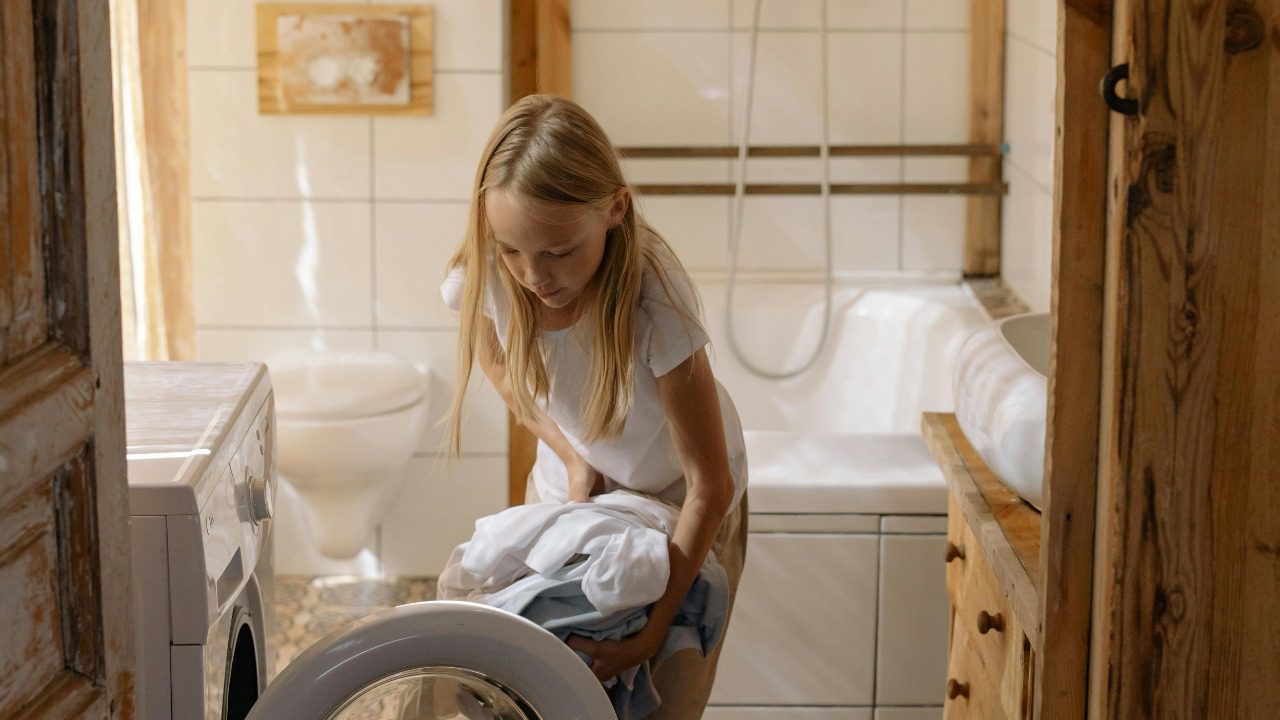
Your laundry habits could be making your home an energy hog. For instance, using hot water for all your loads or over-drying your clothes can use a lot of energy. Instead, try washing clothes in cold water and drying them just until they’re dry, not until they’re hot to the touch.
Consider air-drying your clothes when possible. Not only does this save energy, but it can also help your clothes last longer. And remember to clean your dryer’s lint filter after every load. A clogged filter makes your dryer work harder, using more energy.
12. Overuse of Electronics: Are You Managing Your Electronic Usage Effectively?

Overuse of electronics can contribute to high energy use in your home. From leaving your computer on all day to binge-watching your favorite shows, these habits can add up to a lot of wasted energy. Try to be mindful of your electronic usage and turn off devices when they’re not in use.
Consider implementing a digital detox in your home. Set designated times where all electronics are turned off. This can not only save energy but also help you reconnect with family or spend time on other hobbies.
13. Lack of Energy Star Labels: Are Your Appliances Certified Energy Efficient?


If your appliances lack Energy Star labels, they’re probably not very energy efficient. Energy Star is a program run by the U.S. Environmental Protection Agency and the U.S. Department of Energy that promotes energy efficiency. Appliances with the Energy Star label meet strict energy efficiency guidelines, which means they use less energy and can save you money on your utility bills.
If you’re in the market for new appliances, look for the Energy Star label. While these appliances may cost more upfront, they’ll save you money in the long run by reducing your energy use. And remember, every little bit helps when it comes to saving energy!