

A 13-year-old girl’s fatal leap from the Brooklyn Bridge has become the center of a sweeping lawsuit that accuses New York City’s child welfare system of ignoring years of warning signs. Her family argues that the agencies tasked with protecting her instead removed her from her home, failed to treat her mental illness, and then lost track of her as her condition spiraled.
The complaint portrays a chain of decisions that began with child protection workers and ended in a preventable death, alleging that repeated red flags about the girl’s delusions, self-harm, and online cries for help were brushed aside. It frames her story as a stark example of how a system built to safeguard vulnerable children can deepen the harm when oversight breaks down.

The Lawsuit’s Core Allegations Against NYC Child Welfare
The lawsuit filed by the girl’s family contends that New York City’s child welfare authorities mishandled virtually every stage of her case, from the initial removal from her home to the lack of follow-up as her mental health deteriorated. According to the complaint, officials treated her family as the problem, labeling the child “delusional” while failing to provide consistent psychiatric care or to ensure that she was safe in the placements they chose. The suit argues that the city’s own records documented escalating risk, yet caseworkers did not intervene with the urgency that her condition demanded.
Family members say the girl’s death was not a sudden tragedy but the foreseeable outcome of years of missteps by NYC child-welfare officials who were repeatedly alerted to her worsening state. The complaint describes a pattern in which reports of self-harm, suicidal ideation, and erratic behavior were minimized or closed without meaningful investigation. By the time she climbed onto the Brooklyn Bridge, the family alleges, the agencies responsible for her safety had effectively abandoned their duty of care.
A 13-Year-Old’s Final Moments on the Brooklyn Bridge
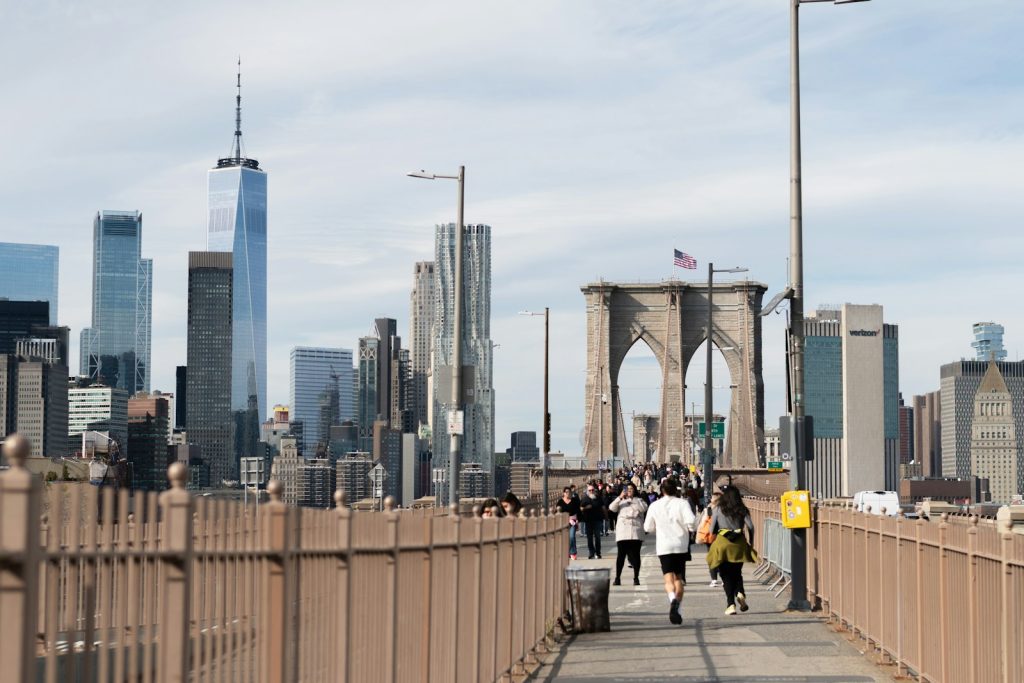
Witness accounts and emergency response records describe a harrowing scene on the Brooklyn Bridge as the 13-year-old girl made her way onto the span and ultimately jumped into the water below. First responders were dispatched to the iconic crossing after reports that a young person had gone over the railing, and recovery teams later pulled her body from the river. The lawsuit frames that moment as the culmination of a long decline, arguing that her presence on the bridge that day was the predictable result of untreated mental illness and inadequate supervision.
Officials have not publicly detailed every step of the emergency response, but the complaint notes that the girl’s age and the location of her death underscore how visible her crisis had become. The bridge, a heavily trafficked landmark connecting Manhattan and Brooklyn Bridge to the rest of NYC, is not a place where a child can easily go unnoticed. Her family argues that a system that had already documented her instability should never have allowed her to reach such a public and perilous point without intensive intervention.
Years of Warnings About a Delusional, At-Risk Child
Long before the fatal jump, the girl’s relatives and advocates had been sounding alarms about her mental health. The lawsuit describes her as “delusional,” recounting episodes in which she expressed paranoid beliefs, reported hearing things that were not there, or fixated on self-destructive thoughts. Rather than treating those symptoms as signs of a serious psychiatric disorder, the family says, child welfare workers used them to justify removing her from her home while failing to secure sustained, high-quality treatment. That decision, they argue, left her isolated from her primary support system without addressing the underlying illness.
Social media posts and advocacy pages that have circulated since her death echo the family’s description of a child in deep psychological distress. One widely shared account states that “a 13-year-old girl is dead, and her family says the system meant to protect her failed at every step,” emphasizing that her condition had been documented in case files and online pleas long before she reached the bridge. According to that account, the lawsuit was filed after relatives concluded that every warning they raised had been ignored, a claim amplified in According posts that call for accountability.
Removal From Home and the Role of NYC Agencies
Central to the family’s case is the decision by city workers to remove the girl from her home in NYC, a move they say severed her from the relatives who best understood her needs. The complaint alleges that the city “ripped” the child away based on a flawed assessment of risk, then placed her in settings that were ill-equipped to manage a delusional teenager. Once she was in the system, the family contends, oversight became sporadic, with caseworkers missing visits, failing to coordinate with mental health providers, and neglecting to track whether she was taking prescribed medications.
Advocates who have amplified the lawsuit describe a broader pattern in which the New York City child welfare apparatus intervenes aggressively to remove children but struggles to provide stable, therapeutic environments afterward. One widely shared post accuses the city of tearing a “delusional 13-year-old NYC girl” from her family and then failing to monitor her as she repeatedly fled or acted out, a narrative that has been repeated in NYC focused commentary. The family’s lawsuit argues that this combination of intrusive removal and weak follow-through left their daughter more vulnerable than she had been before the state intervened.
Claims of Missteps by the Admintration of Child Services for the City
The complaint specifically targets the New York City agency responsible for child protection, accusing the Admintration of Child Services for the city of negligence and systemic failure. According to the family, caseworkers and supervisors within that agency ignored clear policy requirements for monitoring high-risk children, including regular home visits, mental health evaluations, and safety planning. The suit alleges that internal warnings about the girl’s deteriorating condition were either dismissed or lost in bureaucratic handoffs, leaving no one clearly accountable for her day-to-day welfare.
Public posts from relatives and supporters have sharpened those accusations, stating that a New York City family is now holding the Admintration of Child Services for the city responsible for the death of their 13-year-old daughter after she jumped off the bridge. In one widely shared message, the family is described as accusing the agency of failing to protect the girl despite knowing she was delusional and suicidal, a claim that has circulated in New York City community discussions. The lawsuit seeks to translate that public anger into legal accountability, arguing that the agency’s missteps were not isolated errors but part of a broader culture of indifference.
Celebrity Pleas and the Angelique Bates Connection
The case has drawn attention beyond New York’s child welfare circles in part because of the involvement of actor Angelique Bates, known for her role on “All That.” According to reporting on the lawsuit, Angelique Bates pleaded for someone to help the girl, identified in coverage as Kianna Underwood, before her death. Bates, who has spoken publicly about abuse and mental health, is described as having tried to raise awareness about the teenager’s situation, using her platform to urge intervention while the child was still alive.
Those pleas have taken on a haunting resonance in retrospect, with supporters pointing to them as evidence that the girl’s crisis was visible far beyond the confines of a case file. Coverage of the lawsuit notes that the same reports that detail the 13-year-old’s jump from the Brooklyn Bridge also recount how Bates had begged for help, underscoring how many adults knew the child was in danger. In one account, the story of the Girl is presented alongside other tragedies, reinforcing the sense that her death fits into a wider pattern of ignored warnings.
Online Outcry, Petitions, and Demands for Reform
In the wake of the girl’s death, online advocates have mobilized around her story, turning it into a rallying point for broader reform of child welfare practices. Social media posts recounting her case have been shared thousands of times, often accompanied by calls to overhaul how New York City handles children with serious mental health needs. Commenters have focused on the allegation that the system “failed at every step,” arguing that the combination of removal, inadequate treatment, and poor monitoring reflects structural problems rather than isolated mistakes.
One advocacy page notes that, despite the existence of online petitions and campaigns, meaningful change has been slow, even as a petition linked to the case has grown to nearly 200,000 signatures. That figure is cited as evidence of widespread public frustration with the status quo and a demand for accountability from city leaders and child welfare administrators. The same post, which highlights how the family’s story has galvanized supporters, has been shared through According channels that track alleged systemic failures.
How the Case Fits Into a Larger NYC Child Welfare Pattern
For critics of New York City’s child welfare system, the lawsuit over the 13-year-old’s death is not an anomaly but part of a troubling pattern. They point to other cases in which children known to authorities have died or been seriously harmed after reports of abuse, neglect, or mental illness were mishandled. In this context, the girl’s leap from the Brooklyn Bridge is seen as another example of a system that intervenes late, reacts inconsistently, and often fails to coordinate with schools, therapists, and community supports that might stabilize a child’s life.
Some advocates have contrasted the intense surveillance that low-income families of color often experience with the relative lack of sustained support once a child is in state custody. They argue that the same agencies that aggressively investigate and remove children sometimes struggle to provide basic services like therapy, medication management, and safe placements. The geography of the case, unfolding in the shadow of the Brooklyn landmark that draws tourists and commuters every day, has become a symbol in these debates, a reminder that systemic failures can play out in the most visible corners of the city.
What Accountability and Change Could Look Like
The family’s lawsuit seeks financial damages, but it also implicitly calls for structural change in how New York City handles children like their daughter. Legal experts note that, if successful, such cases can force agencies to revise policies on mental health screening, caseworker training, and oversight of high-risk youth. Advocates are urging the city to adopt clearer protocols for children labeled as delusional or suicidal, including mandatory psychiatric evaluations, crisis planning, and rapid response when a child goes missing or expresses self-harm.
Reformers also argue that accountability must extend beyond individual caseworkers to the leadership that sets priorities and allocates resources. They are calling for independent reviews of the Admintration of Child Services for the city, public reporting on child fatalities linked to agency involvement, and stronger partnerships with community-based mental health providers. As the lawsuit over the 13-year-old’s death moves forward, it is likely to test whether the city is willing to confront the systemic weaknesses that her family says turned a vulnerable child into a preventable casualty of the very system meant to keep her safe.
More from Decluttering Mom: