


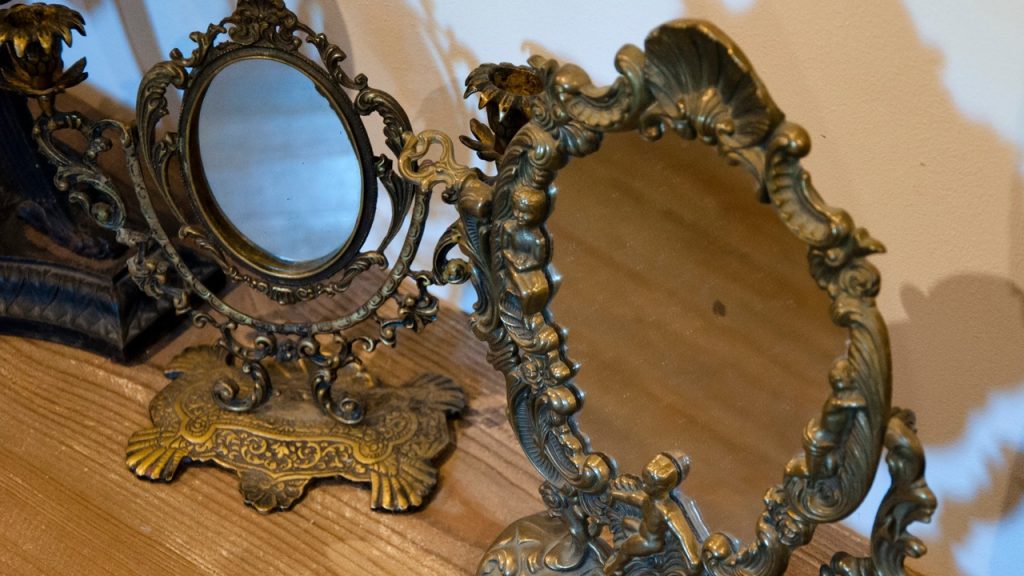
Antique mirrors have a charm that goes beyond their reflective surfaces. They carry history in their frames and designs, often surprising owners with their unexpected value.
You might be surprised to learn that many antique mirrors are worth far more than you think, depending on their age, style, and craftsmanship. Whether you’re a collector or just curious, understanding what makes certain mirrors valuable can open your eyes to hidden treasures.
19th Century Neo-Classical Gilt Pier Mirror


You’ll find 19th-century neo-classical gilt pier mirrors are elegant additions to any space. They often feature gold leaf with intricate details like acanthus leaves and bead motifs.
These mirrors were designed to fit narrow wall spaces between windows or doors. Their tall, slender shape makes them perfect for adding height and light to your room.
If you come across one with original gilt and good condition, it could be valued between $2,700 and $3,000. They can bring a refined vintage charm to your home without overwhelming your decor.
Vyg Antique Art Nouveau Brass Mirror

Max Vakhtbovycn / pexels
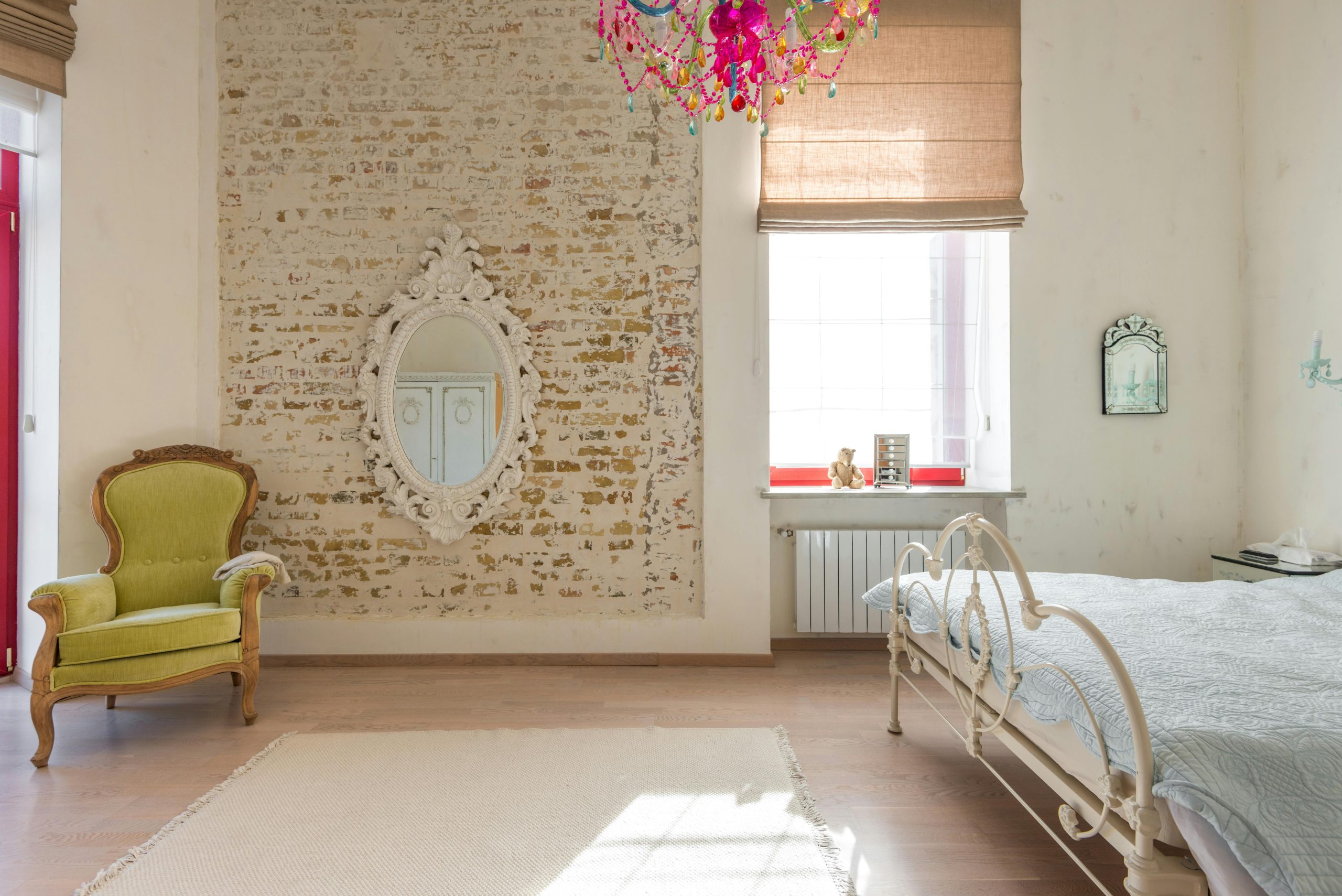
The Vyg Antique Art Nouveau Brass Mirror stands out with its elegant brass frame and classic Art Nouveau design. It’s a freestanding floor mirror, measuring about 32 inches tall, making it a striking piece for your room.
Its mirrored finish reflects light nicely, helping brighten your space. This mirror combines functionality with vintage charm, perfect if you appreciate antiques with a unique look.
Spanish Reverse-Painted Mirrored Box

Vintage Thisnthat TW / eBay
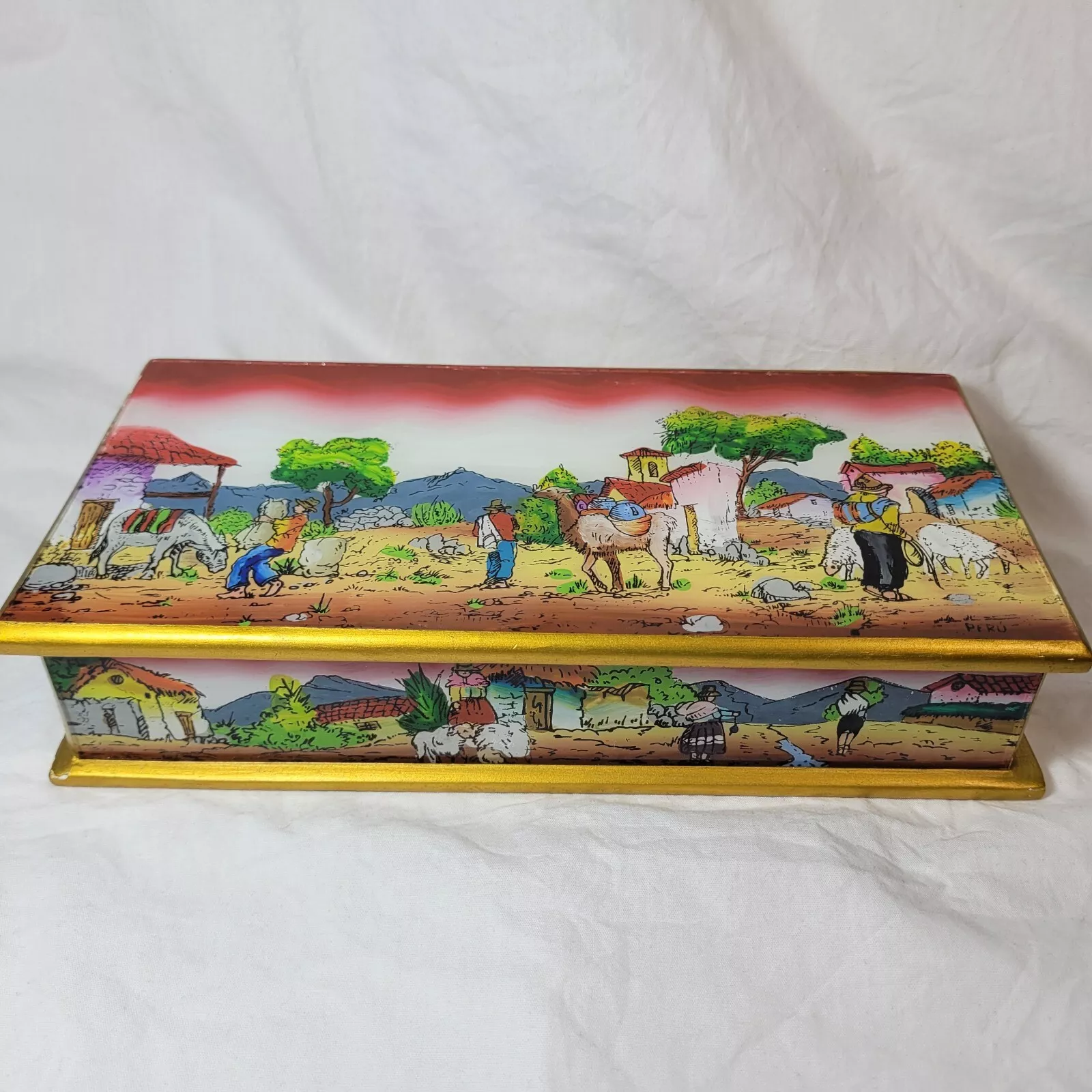
You’ll find that Spanish reverse-painted mirrored boxes are charming pieces with a rich history. These boxes often feature delicate hand-painted scenes on the inside surface of the glass.
They were popular in the 19th century and served both decorative and practical uses. Adding one to your collection can bring a unique touch of craftsmanship and vintage appeal to your space.
Early 1900s Freestanding Floor Mirror


SHVETS production / pexels
You might find an early 1900s freestanding floor mirror adds charm and history to your space. These mirrors often feature detailed wood or brass frames, reflecting the design trends of the time.
If your mirror has intricate carvings or original glass, it could have real value. Look for signs of age like slight wear or patina, which many collectors appreciate.
Marble Top Bench Mirror with Carved Gilt Frame

Max Vakhtbovycn / pexels
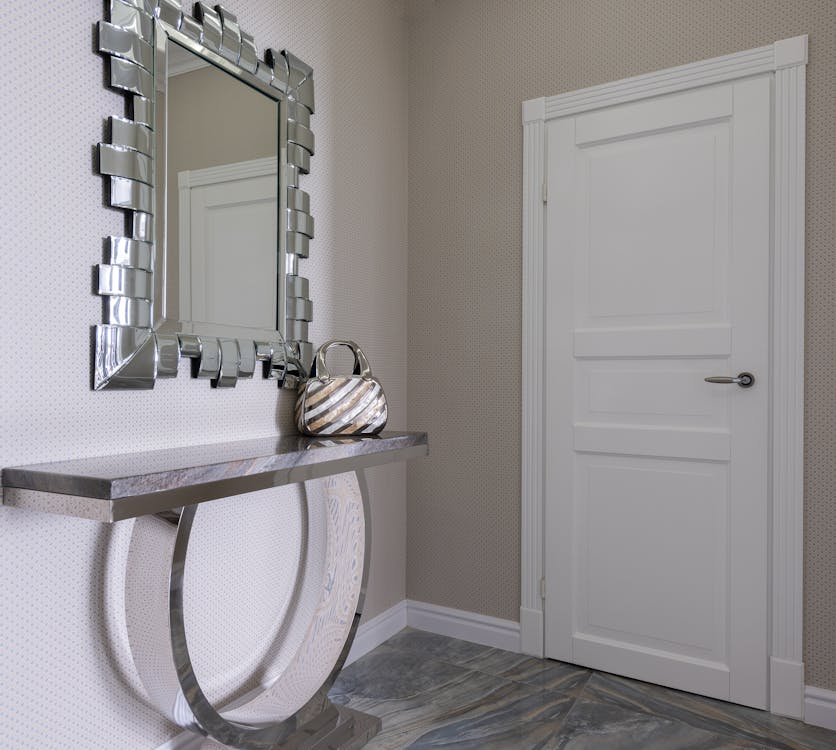
You’ll often find these mirrors paired with a marble-top bench or console table, which adds elegance to any space. The gilt frame is usually hand-carved, showcasing detailed craftsmanship.
These mirrors date back to the 19th century, often from the Louis XVI period, making them a desirable antique. Their unique combination of materials and style can increase their value more than you might expect.
If you spot one with a well-preserved marble surface and intact gilt details, it’s definitely worth a closer look for your collection.
Antique Wooden Cheval Mirror

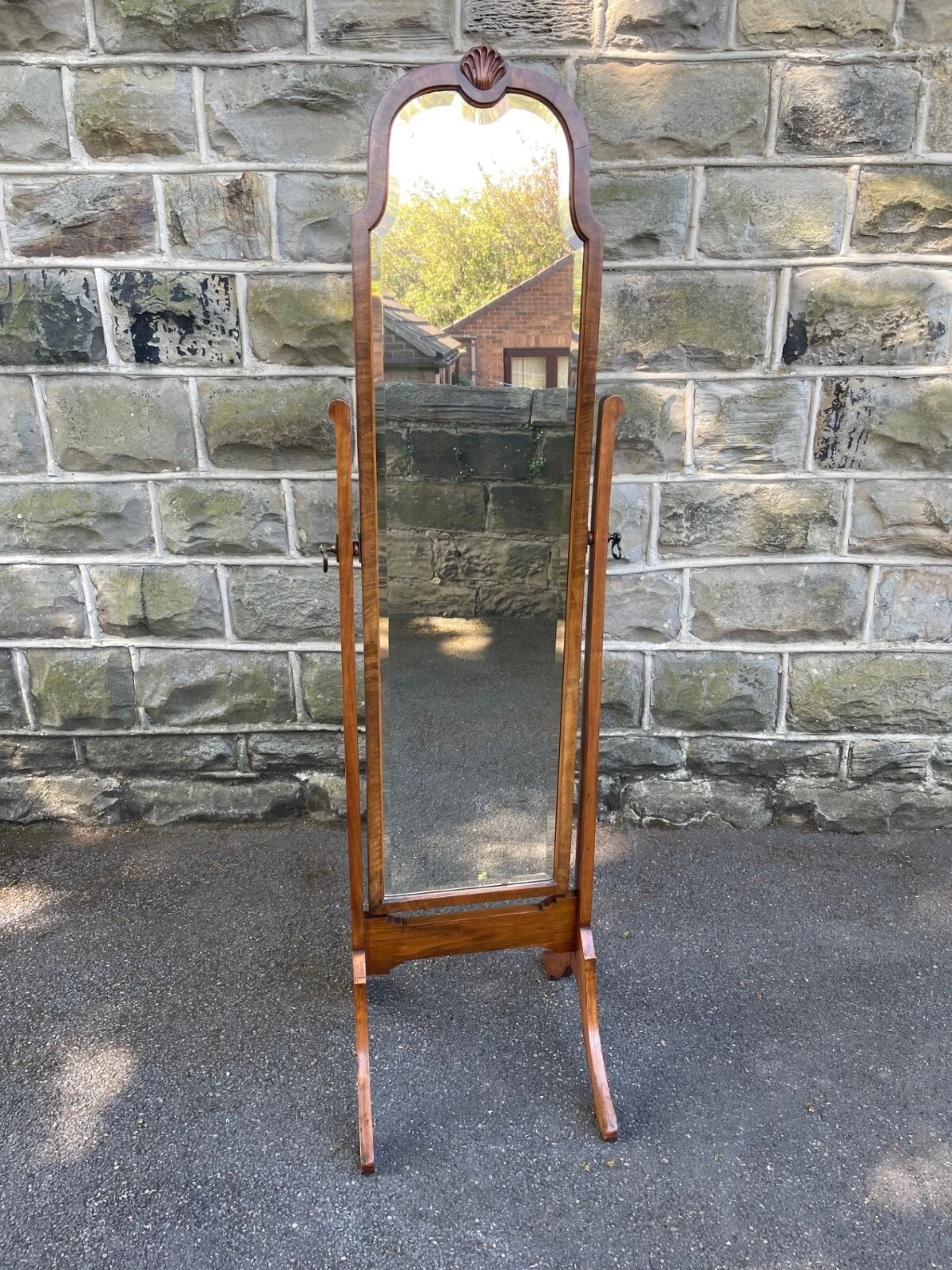
emtow76 / eBay
If you have an antique wooden cheval mirror, you’re holding a piece that blends practicality with classic style. These mirrors often feature adjustable tilting frames and are made with rich, carved wood that adds warmth to any room.
Your mirror’s age, wood type, and condition impact its value. Many collectors appreciate the craftsmanship in these pieces, especially those with original glass and detailed woodwork. They can be a charming addition to your home or a smart investment.
Blackened Mercury Oxidation Mirrors

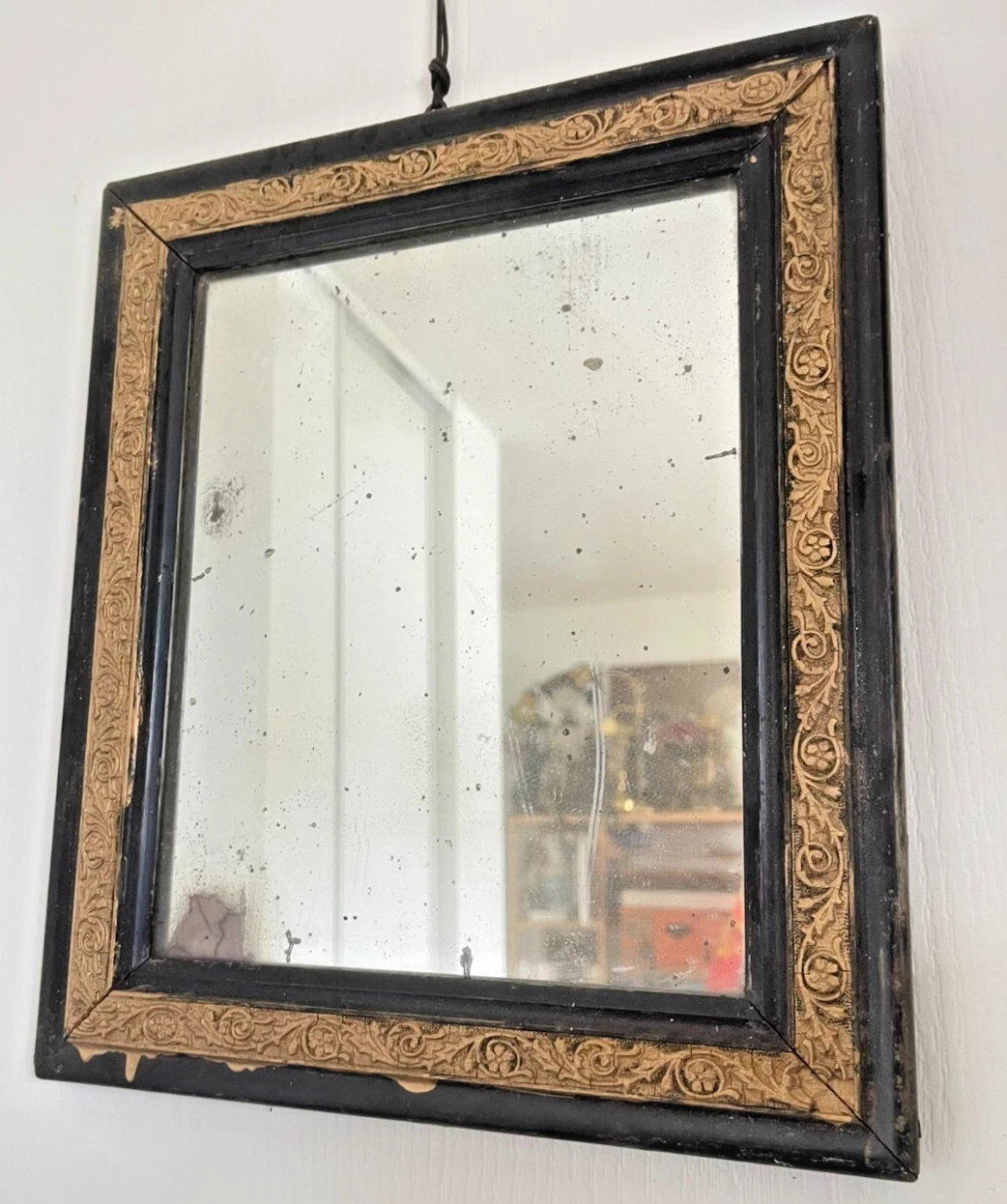
Maison Telmoni / eBay
You might notice some antique mirrors have dark spots or patches on the reflective surface. This effect comes from mercury oxidation, which happens when the mercury backing ages and interacts with air.
These blackened areas add character and indicate the mirror’s age, making it more appealing to collectors. When you consider the value, this natural aging can actually increase interest in your antique mirror.
19th Century Wall-Mounted Toilet Mirror

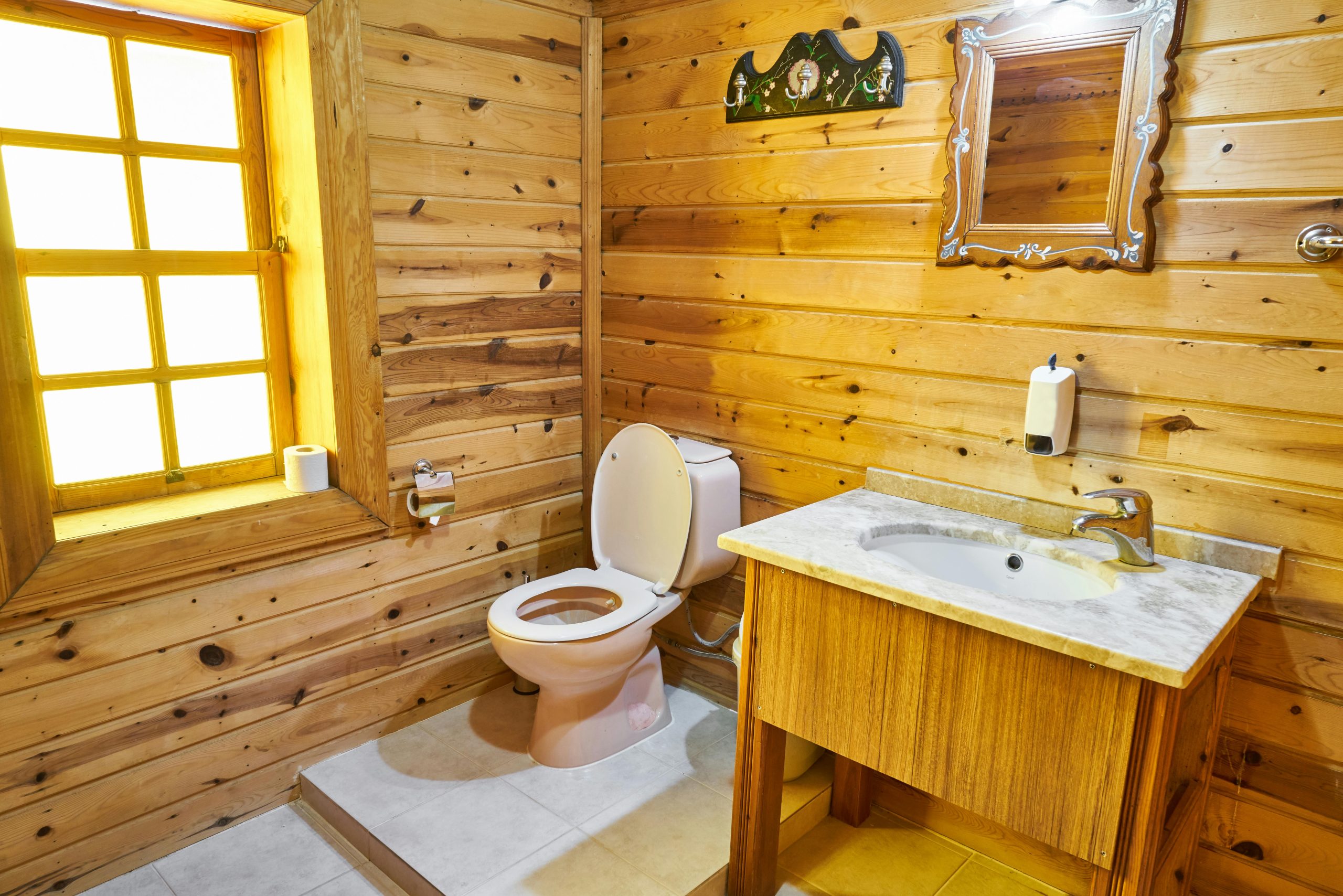
Engin Akyurt / pexels
You might be surprised how charming a 19th-century wall-mounted toilet mirror can be. These mirrors often feature delicate wooden or gilded frames that add a touch of vintage charm to your bathroom.
If you find one in good condition, it can bring both style and history into your space. The size is usually small, making it perfect for tight spots where you still want some elegance.
Adding one to your collection or home gives you a piece of everyday history you can enjoy daily.
French Louis XVI Style Gilt Mirror

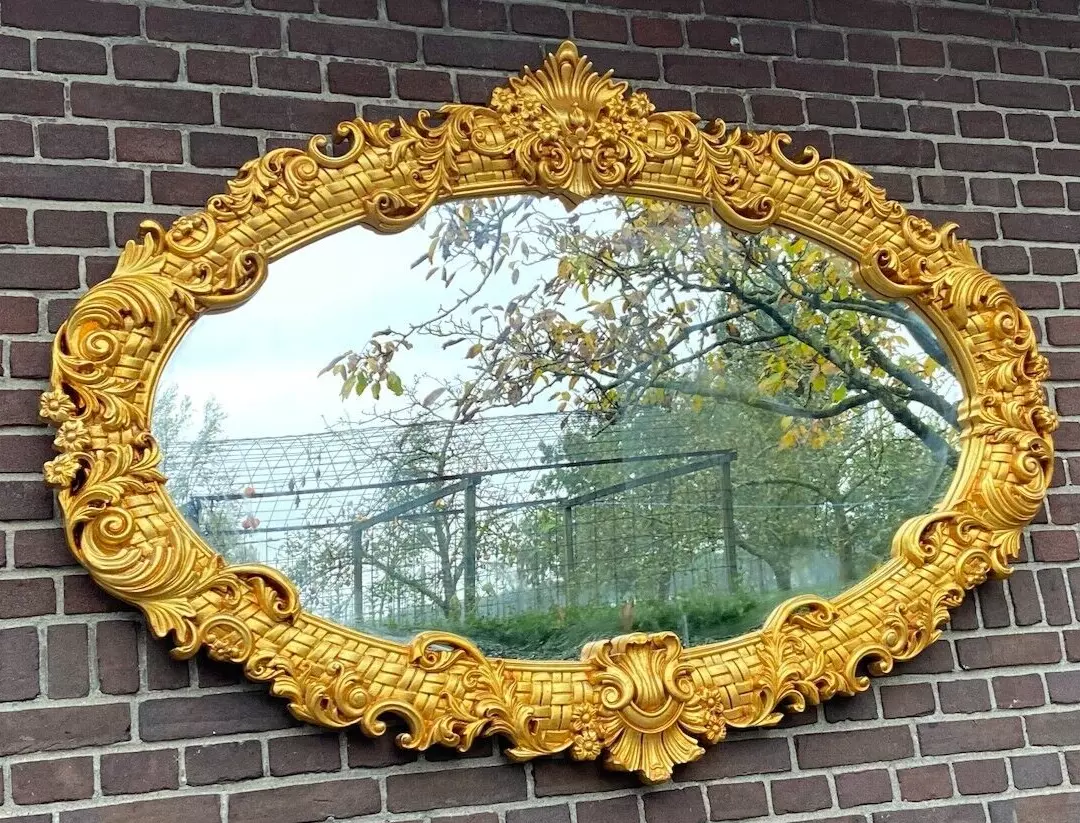
Napoleonantiques/ pexels
You’ll find French Louis XVI style gilt mirrors prized for their elegant, classical designs. They often feature finely detailed giltwood frames with symmetrical motifs like laurel leaves and ribbons.
These mirrors commonly have beveled glass and a warm gold tone that adds a touch of sophistication to your space. Their timeless style fits well in both traditional and modern interiors.
If you’re looking for a statement piece, a Louis XVI gilt mirror can bring charm without overwhelming your decor.
Vintage Brass Mirror with Original Screws
midnightkids1234/ eBay
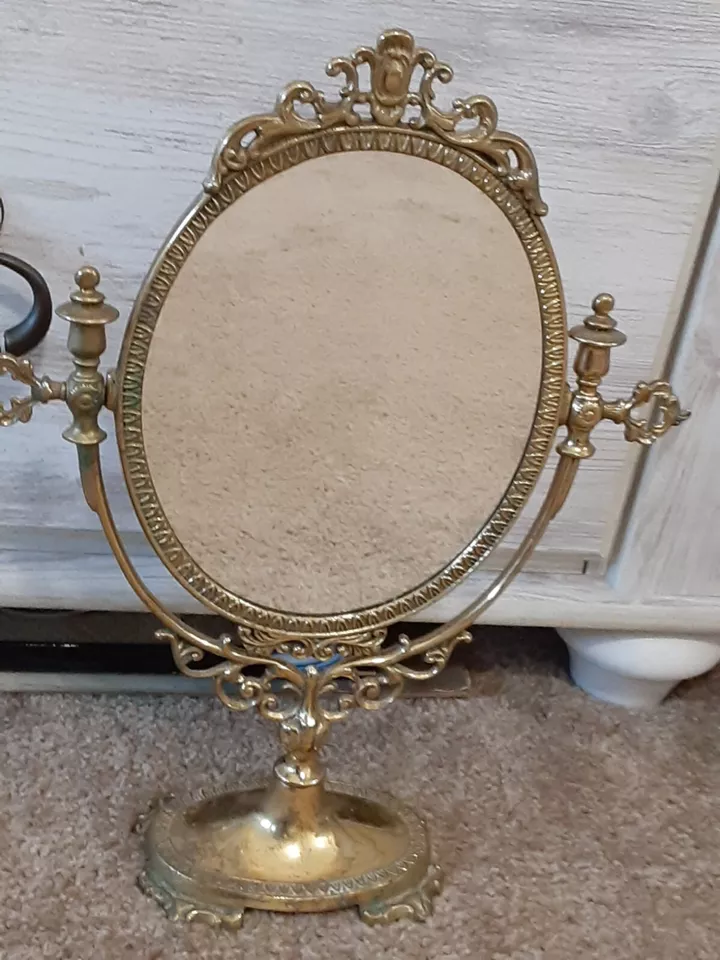
You can often spot a vintage brass mirror by checking for original screws on the back. These screws suggest the mirror has not been altered or repaired, adding to its authenticity.
Brass mirrors develop a natural patina over time, which can give them character without harming their value. If your mirror shows signs of gentle tarnish, this usually means it’s genuinely vintage.
Having the original hardware intact makes your mirror more appealing to collectors and enthusiasts. It’s a small detail that can make a big difference in assessing worth.
Victorian Era Beveled Glass Mirror

Mimico Antique/ eBay
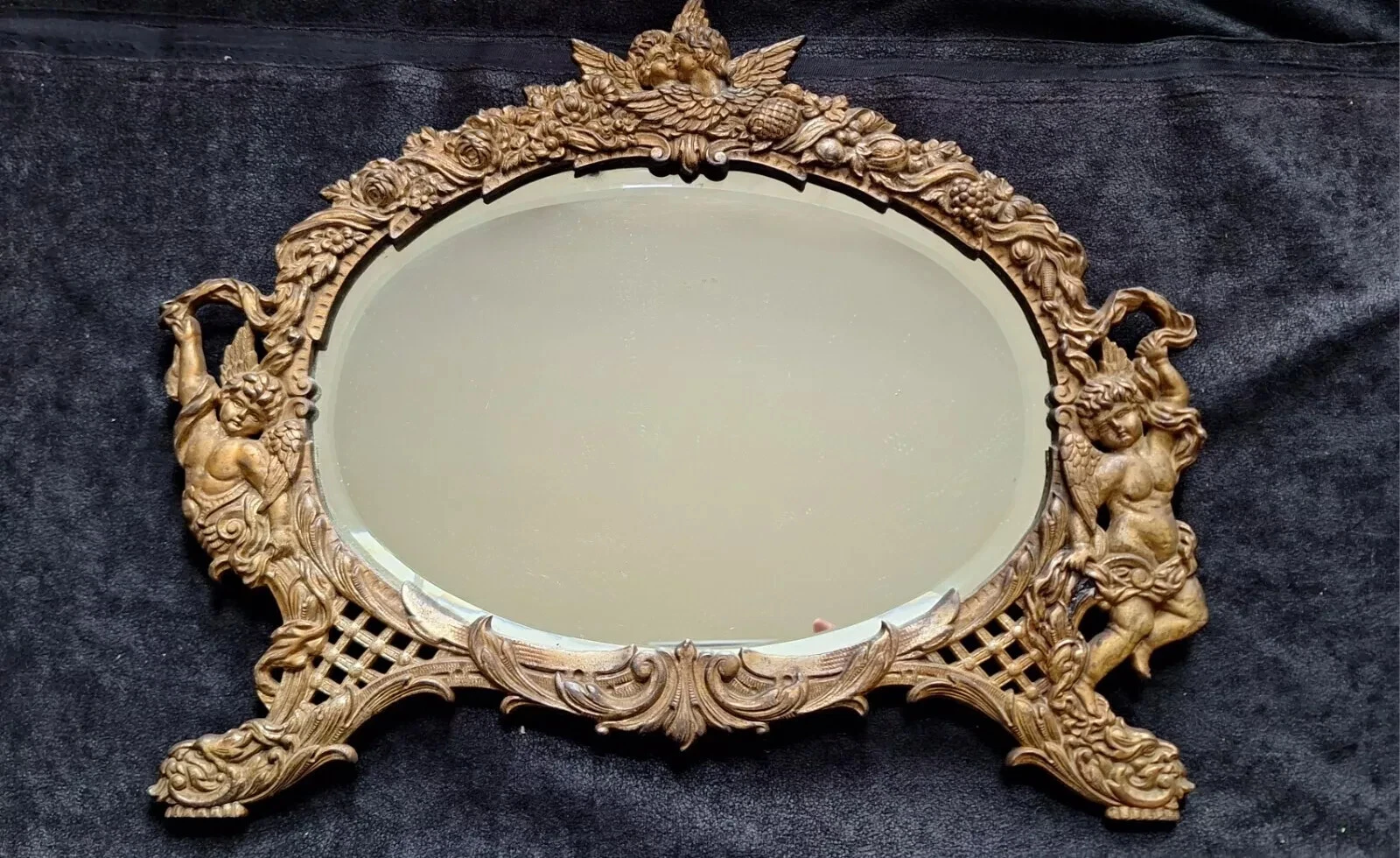
If you have a Victorian era beveled glass mirror, it’s likely more valuable than you expect. These mirrors often feature thick, angled glass edges that catch light beautifully, adding depth to any room.
The frames are usually made from rich woods like oak or mahogany, giving your piece an elegant, timeless feel. With proper care, your mirror can be a charming focal point, blending history and style perfectly.
Art Nouveau Handcrafted Gold Leaf Mirror
Replacement-china-and-more/ eBay
Your Art Nouveau gold leaf mirror offers a unique charm with its handcrafted details. The delicate curves and natural motifs reflect the style’s emphasis on organic forms.
This mirror often features a gold leaf finish that adds warmth and elegance to your space. Its beveled edges and floral etchings make it a subtle yet striking centerpiece.
You’ll find these mirrors blend well with both vintage and modern decor, giving your room a timeless touch.
Edwardian Pier Glass Mirror with Decorative Applied Details


Darya Sannikova/ pexels
If you have an Edwardian pier glass mirror, you’re holding a piece that’s both elegant and timeless. These mirrors are usually tall and slender, designed to fit perfectly between two windows.
Your mirror likely features decorative applied details, such as floral or scroll motifs, adding subtle charm. Using one can brighten your space and bring a classic touch to your décor.
Circa 1900 Ornate Mantel Mirror
Treasure Hunters/ eBay
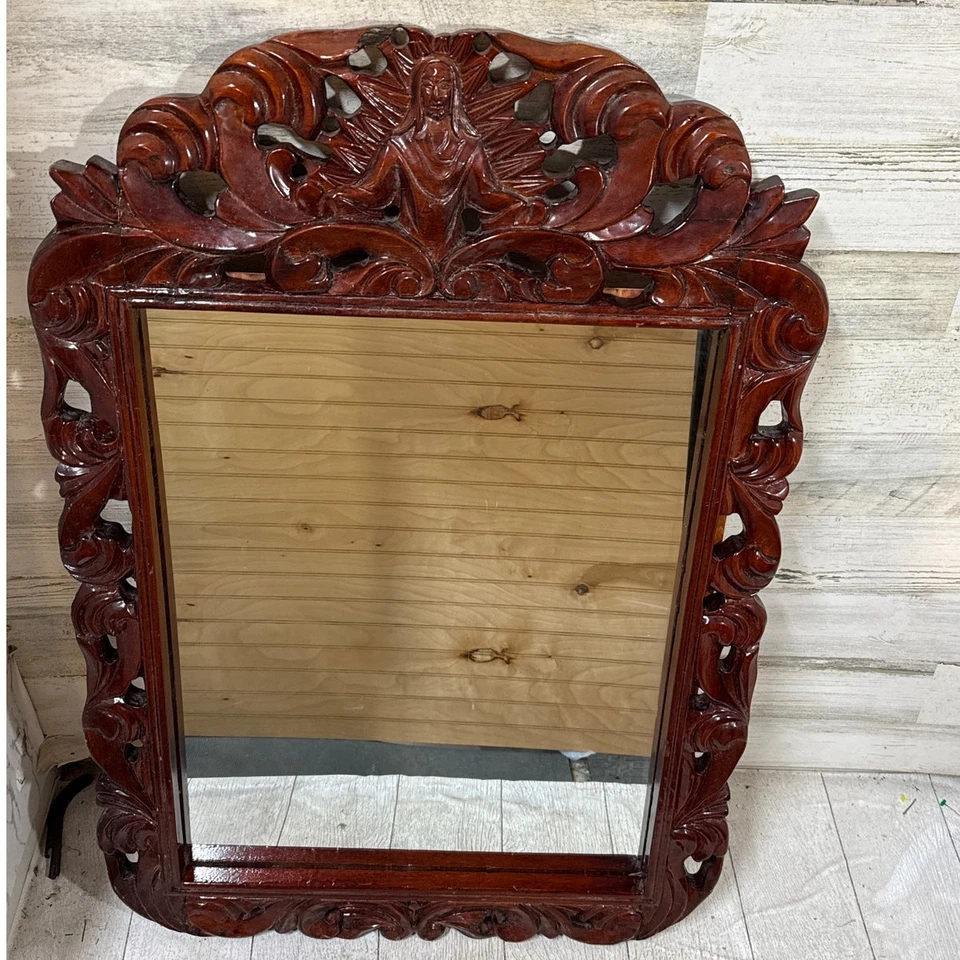
You’ll find that a circa 1900 ornate mantel mirror often features detailed framing with gilt or plaster finishes. These mirrors were designed to sit above fireplace mantels, adding elegance to a room.
Your mirror might have floral motifs or intricate carvings that reflect Victorian or Art Nouveau styles. The value comes from the craftsmanship and condition, so take good care if you own one.