


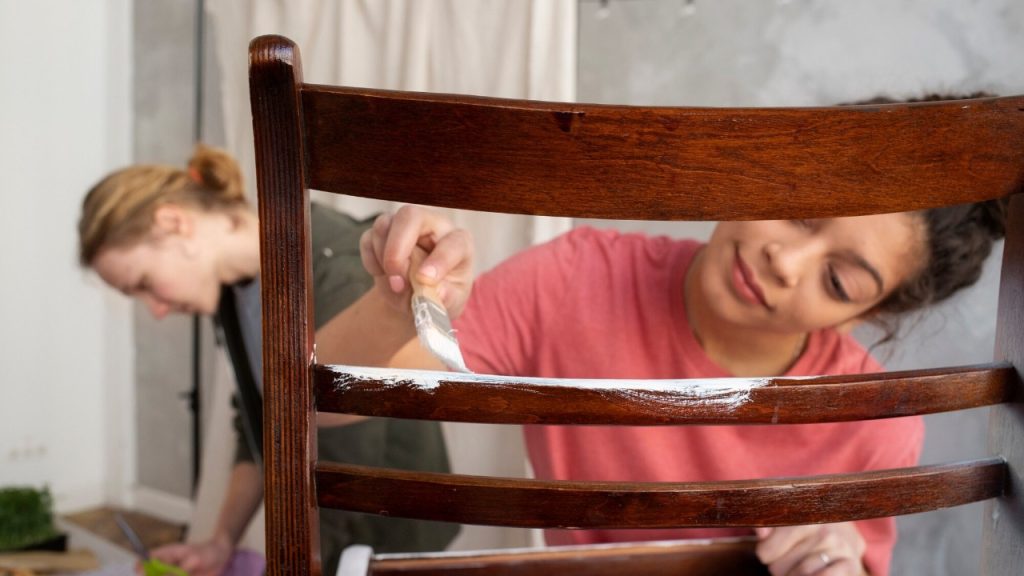
Everyone loves a good DIY project. There’s nothing quite like the satisfaction that comes from creating something with your own two hands. But as any DIY enthusiast knows, the road to a successful project is often paved with mistakes. These mistakes can be frustrating, time-consuming, and downright costly. But they’re also a necessary part of the learning process. I’m here to share 14 DIY mistakes I’ve made along my own journey, in the hope that you can learn from them and avoid making the same errors in your own projects.
1. Not Measuring Twice (Or Even Three Times)

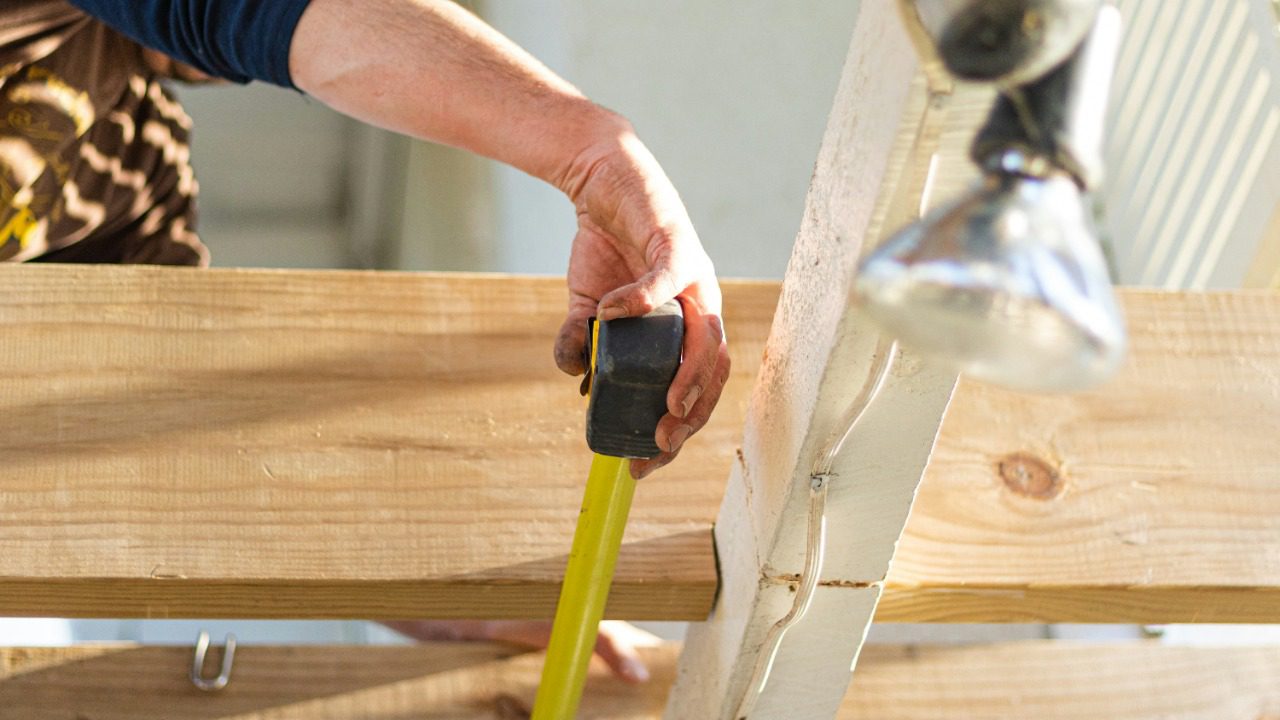
One of the most common mistakes I’ve made is not measuring properly. The old adage of “measure twice, cut once” is a rule for a reason. There were times when I was so eager to get started, I would measure once and then immediately start cutting or drilling. This often resulted in pieces that were too short, holes that were in the wrong place, and a whole lot of frustration.
Take the time to double-check your measurements before you make any cuts or drill any holes. It might feel like it’s slowing you down, but it will save you a lot of time and materials in the long run. If necessary, get a second opinion on your measurements. It’s better to be safe than sorry.
2. Using the Wrong Tools
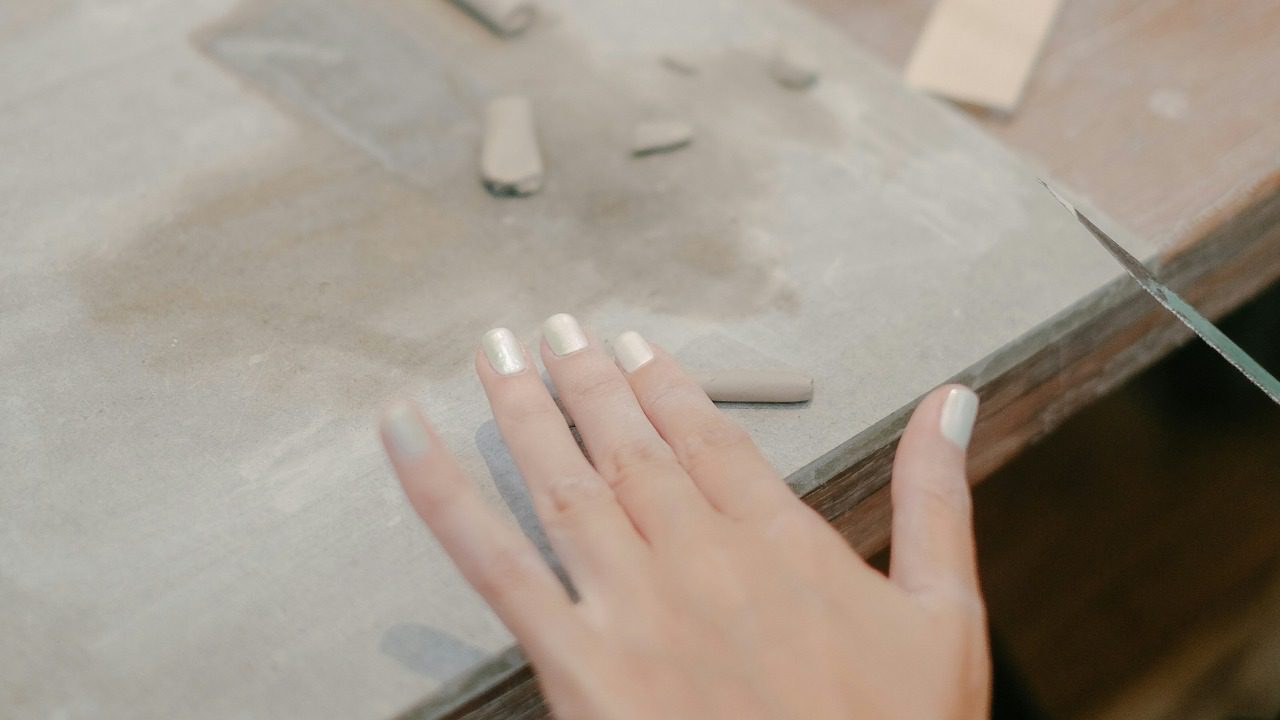
Another common mistake is using the wrong tools for the job. I can’t count the number of times I’ve tried to make do with a tool that wasn’t quite right, only to end up with subpar results, damaged materials, or even a broken tool.
Investing in the right tools is a crucial part of successful DIY. Not only will it make your work easier and more efficient, but it can also improve the quality of your results. Before starting a project, research what tools you’ll need and make sure you have them on hand. If you don’t, consider borrowing from a friend or renting from a local hardware store.
3. Ignoring Safety Precautions
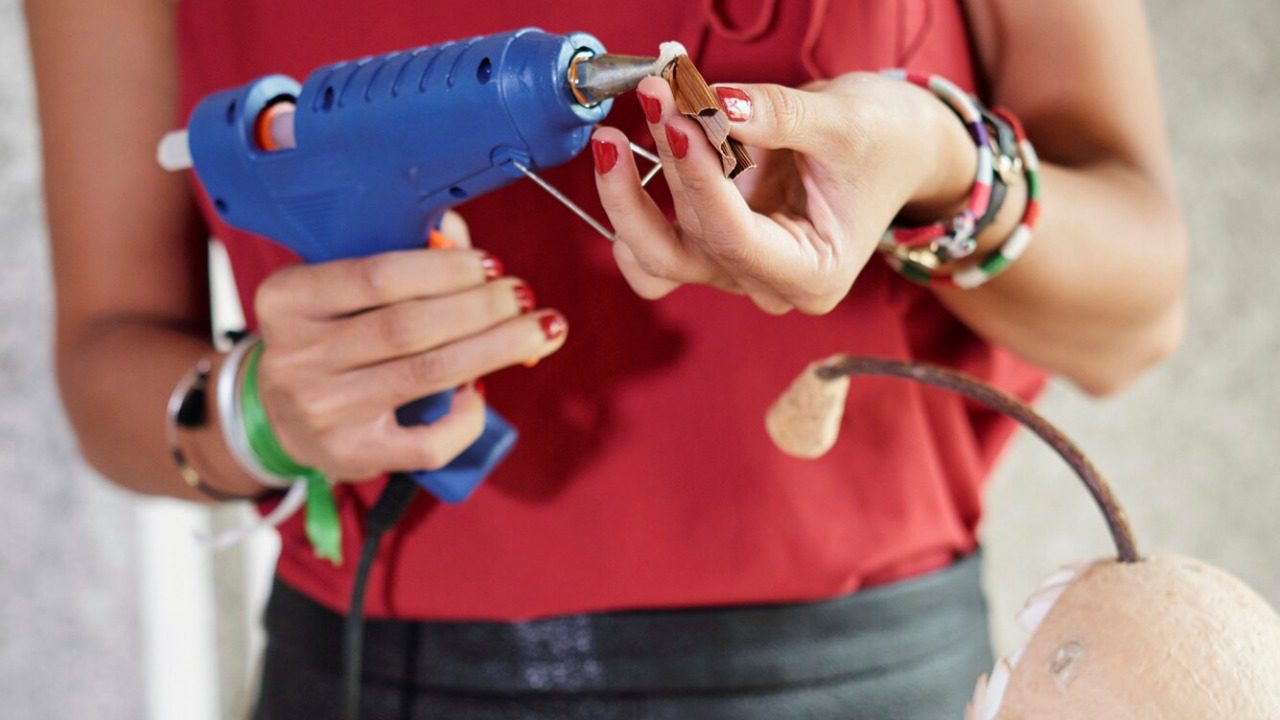
Safety should always be your number one priority when embarking on a DIY project. I’ve learned this the hard way, from minor cuts and bruises to more serious incidents. Don’t make the same mistake.
Always wear appropriate protective gear, such as safety glasses, gloves, and sturdy footwear. Make sure your working area is well-lit and free of clutter. Don’t rush or take shortcuts that could compromise your safety. And if you’re ever unsure about something, don’t hesitate to seek professional advice.
4. Overestimating My Abilities
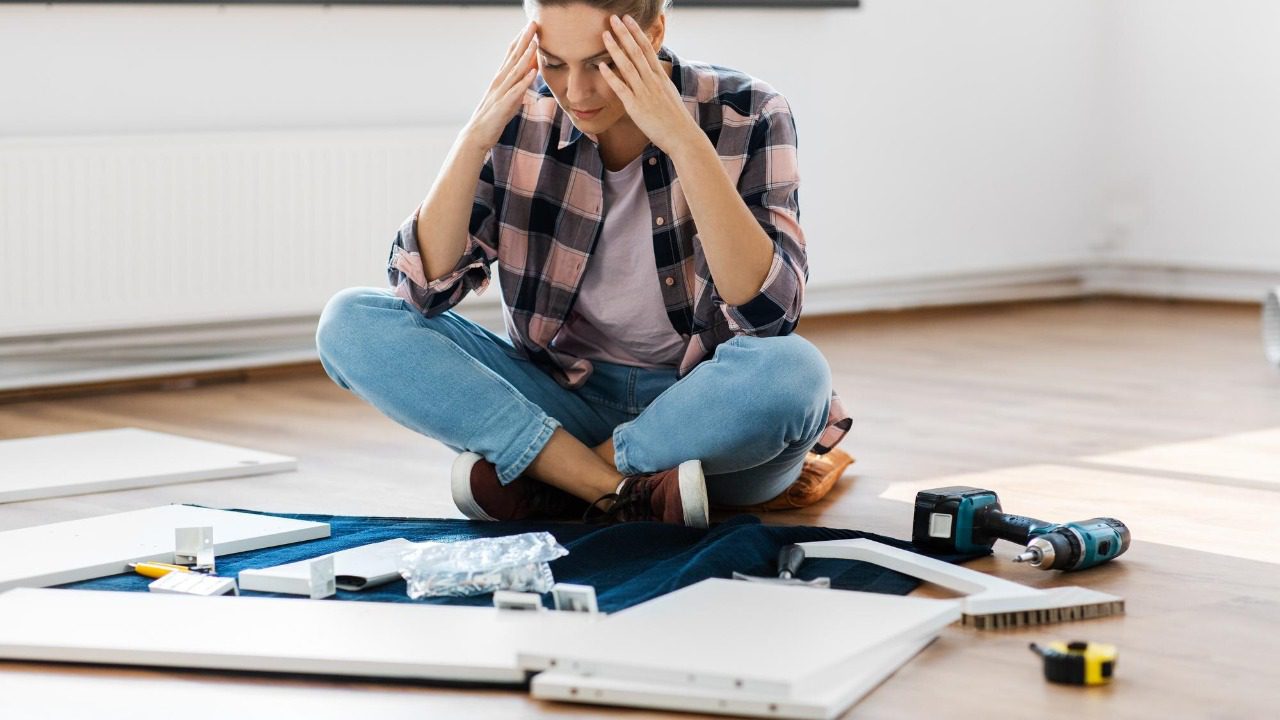
It’s easy to get carried away with ambitious DIY projects, especially when you’re feeling inspired. But overestimating your abilities can lead to disappointment and frustration. I’ve learned this the hard way, from projects that ended up half-finished because they were simply too complex.
Be realistic about your skills and experience. Start with smaller, manageable projects and gradually work your way up to more complex ones. Learn from each project and don’t be afraid to ask for help when you need it.
5. Not Planning Ahead

Planning is crucial in DIY. Without a clear plan, it’s easy to get lost and end up with a project that doesn’t meet your expectations. I’ve made this mistake more times than I care to admit, from projects that took twice as long as expected, to those that ended up costing way more than I had budgeted for.
Before starting a project, spend time planning out each step. Make a list of the materials you’ll need, estimate how long it will take, and create a budget. This will help you stay organized and ensure that your project goes smoothly.
6. Ignoring the Details

Details matter in DIY. Whether it’s choosing the right type of paint, selecting the perfect hardware, or ensuring your measurements are accurate, paying attention to the small details can make a big difference in the final result. I’ve learned this the hard way, from projects that looked great from afar but fell short upon closer inspection.
Take the time to focus on the details. This might mean spending a little more time on prep work, or investing in higher-quality materials. But the extra effort will be worth it when you see the final result.
7. Not Asking for Help

There’s a certain satisfaction in completing a project on your own, but it’s also important to know when to ask for help. I’ve made the mistake of trying to tackle complex projects alone, only to end up frustrated and overwhelmed.
Don’t be afraid to ask for help. Whether it’s getting a second opinion on your plans, borrowing a tool from a neighbor, or hiring a professional for certain parts of the project, getting help can save you a lot of time and stress.
8. Not Practicing Patience
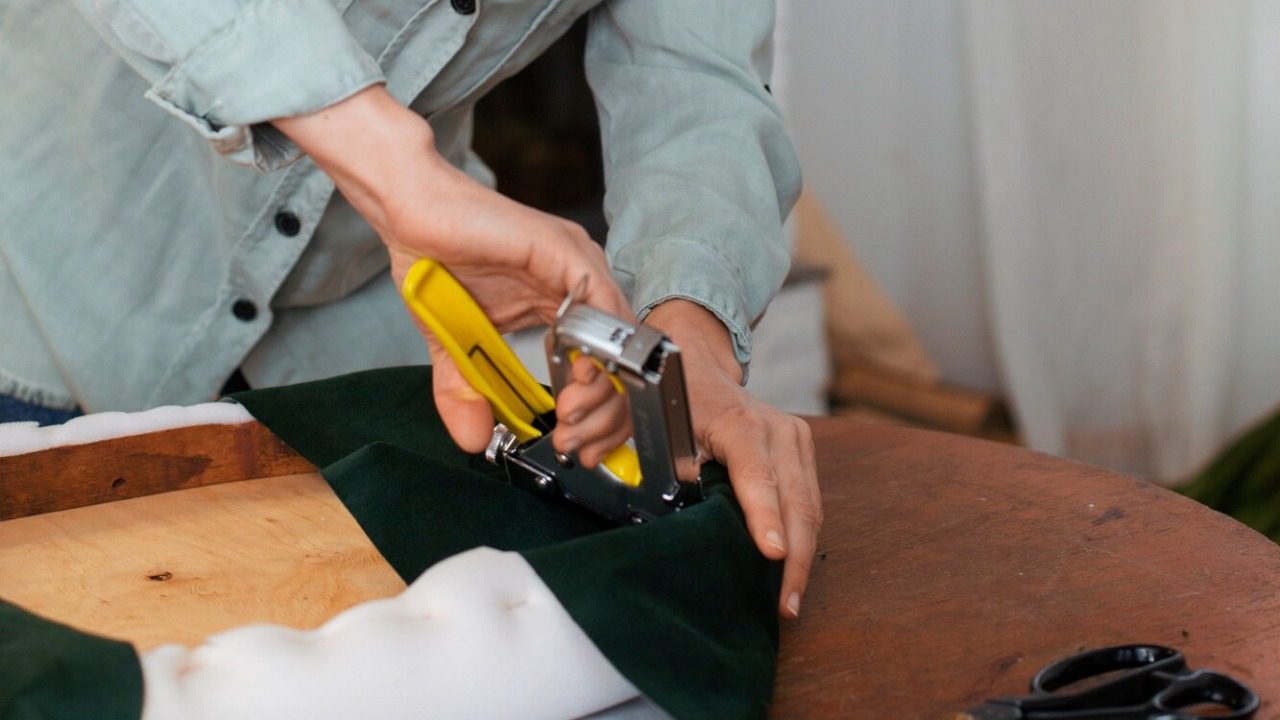
Patience is a virtue in DIY. Whether it’s waiting for paint to dry, allowing glue to set, or taking the time to properly prep your materials, rushing through a project can lead to sloppy results. I’ve learned this the hard way, from projects that ended up looking rushed and unprofessional.
Take your time with each step of the project. If you’re feeling frustrated, take a break and come back to it with fresh eyes. Remember, the goal is to create something you’re proud of, not to finish as quickly as possible.
9. Not Cleaning Up as I Go
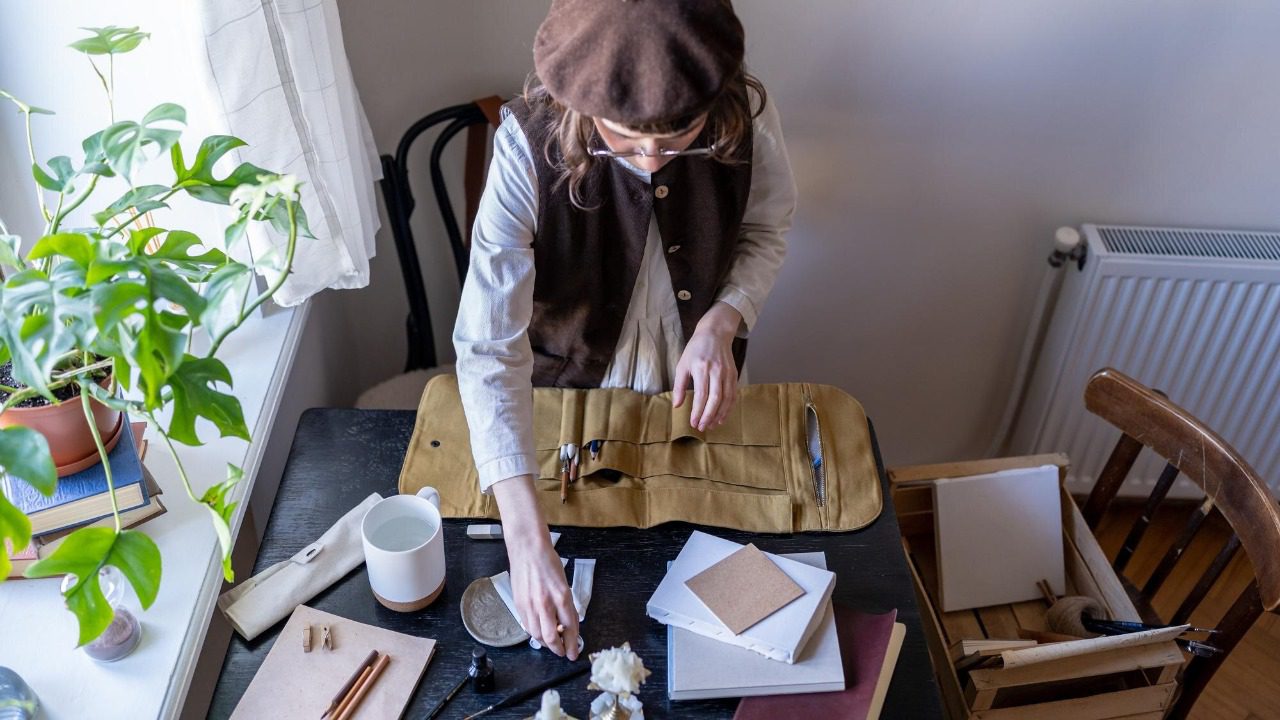
Cleaning up is probably the least fun part of any DIY project, but it’s also one of the most important. I’ve made the mistake of leaving my workspace cluttered with tools and materials, only to end up tripping over them or losing important items.
Make a habit of cleaning up as you go. Put tools away when you’re done using them, sweep up any sawdust or debris, and keep your workspace organized. This will make your project go more smoothly and help prevent accidents.
10. Not Following Instructions

Instructions are there for a reason. I’ve learned this the hard way, from projects that ended up being much more difficult than they needed to be because I tried to wing it instead of following the provided instructions.
When you’re working with a kit or following a tutorial, take the time to read and understand the instructions before you get started. They’re there to guide you and help ensure your project turns out the way you want it to.
11. Not Taking Before and After Photos

Before and after photos are a great way to document your progress and show off your hard work. I wish I had taken more photos of my earlier projects, not just for the satisfaction of seeing how far I’ve come, but also to help troubleshoot any issues that arose during the process.
Make a point to document your projects. Not only will this give you a record of your work, but it can also be useful if you need to replicate or modify the project in the future.
12. Not Labeling Parts and Pieces
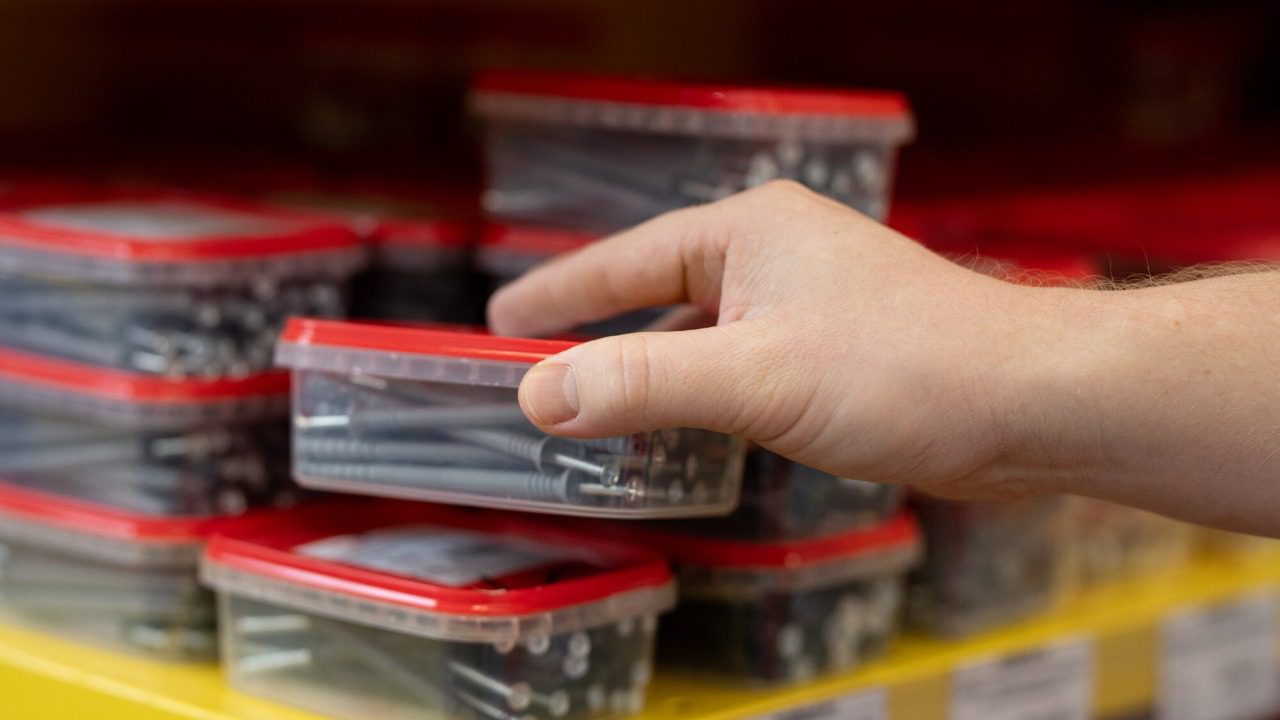
This may seem like a small thing, but trust me, it can make a big difference. I’ve wasted so much time rummaging through piles of screws, bolts, and other small parts, trying to find the one I need.
Take the time to label your parts and pieces as you go. This can be as simple as writing on a piece of masking tape with a marker. It will save you time and frustration in the long run.
13. Not Doing Enough Research


Research is a crucial part of any DIY project. I’ve made the mistake of jumping into projects without fully understanding what they involve, and it’s always ended in frustration.
Before you start a project, take the time to do your homework. Read up on the process, watch tutorial videos, and make sure you understand exactly what you’re getting into.
14. Not Enjoying the Process
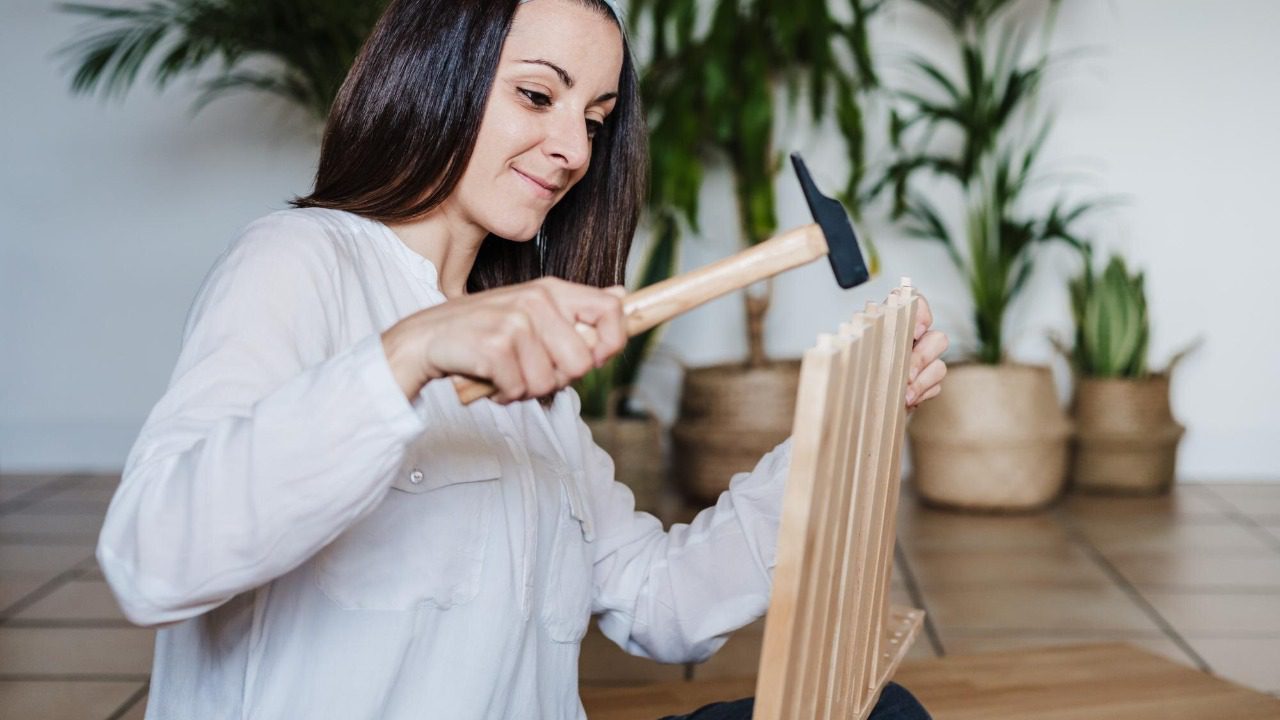
Lastly, and perhaps most importantly, don’t forget to enjoy the process. DIY is about more than just the end result. It’s about learning new skills, challenging yourself, and taking pride in your work. I’ve made the mistake of getting so caught up in the details that I forgot to have fun along the way.
Remember, DIY is a journey, not a destination. Take the time to enjoy each step of the process, regardless of the outcome. After all, it’s the mistakes and challenges along the way that make the success even sweeter.