


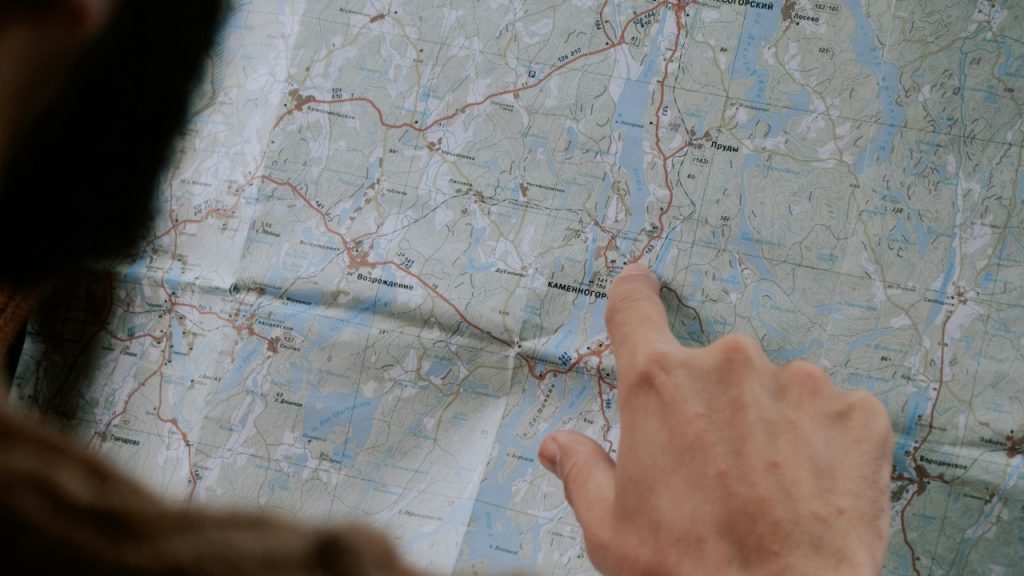
Technological advancements have transformed the world in countless ways, making it almost unrecognizable from the one baby boomers grew up in. As a result, many of the everyday things that boomers bought are no longer in existence. To those of us who grew up in the digital era, these items might seem foreign or even archaic. Yet, they were once essential parts of everyday life. Let’s take a walk down memory lane and revisit 14 items that boomers bought, which have since disappeared from the shelves and our lives.
1. Dial-Up Internet Modems

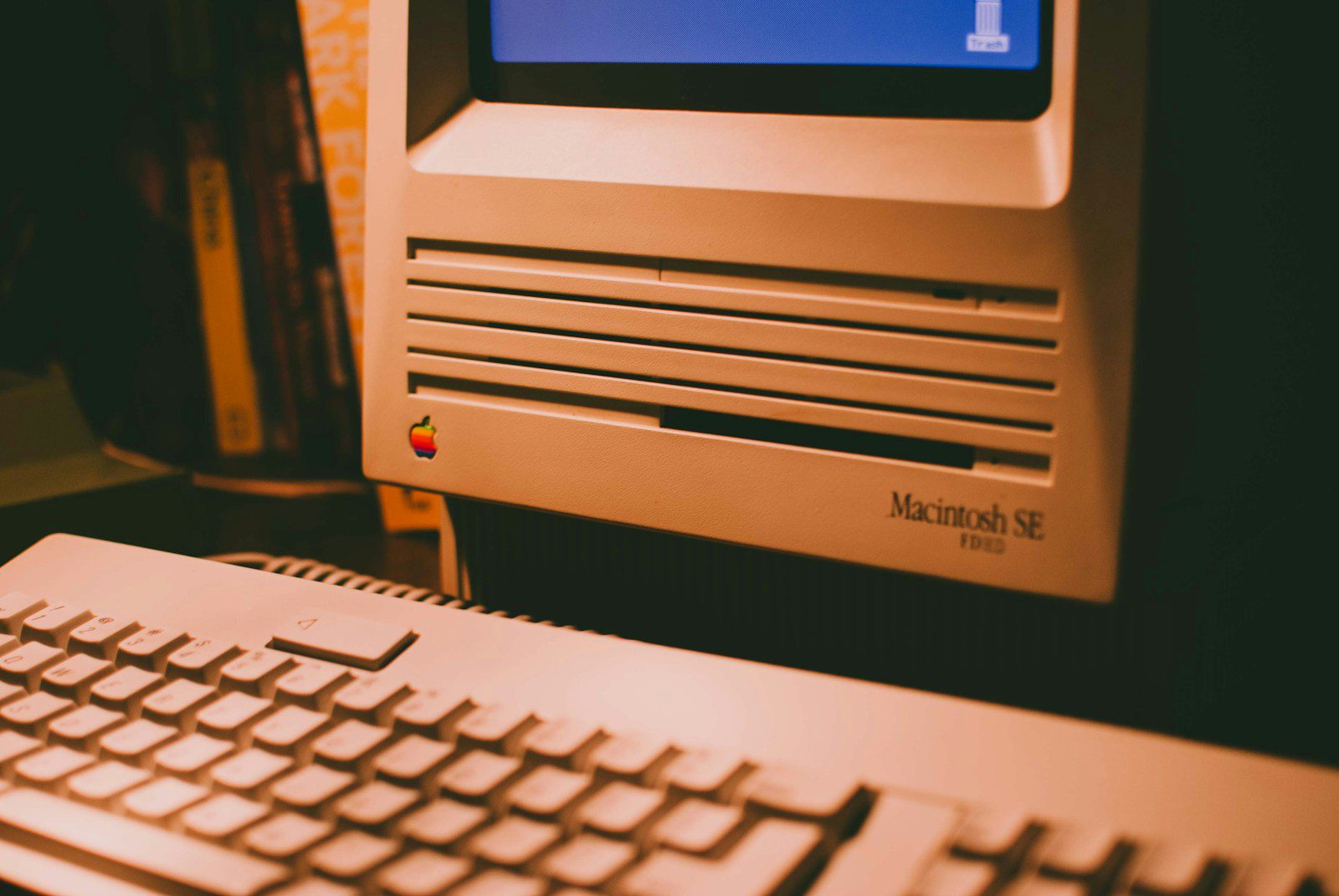
Back in the day, connecting to the internet was an event, accompanied by the unforgettable sound of a dial-up modem. Today, the idea of waiting minutes to connect to the internet seems ridiculous, but back then, this was the norm. The advent of broadband and wireless technology has rendered these dial-up modems obsolete.
2. Disposable Cameras

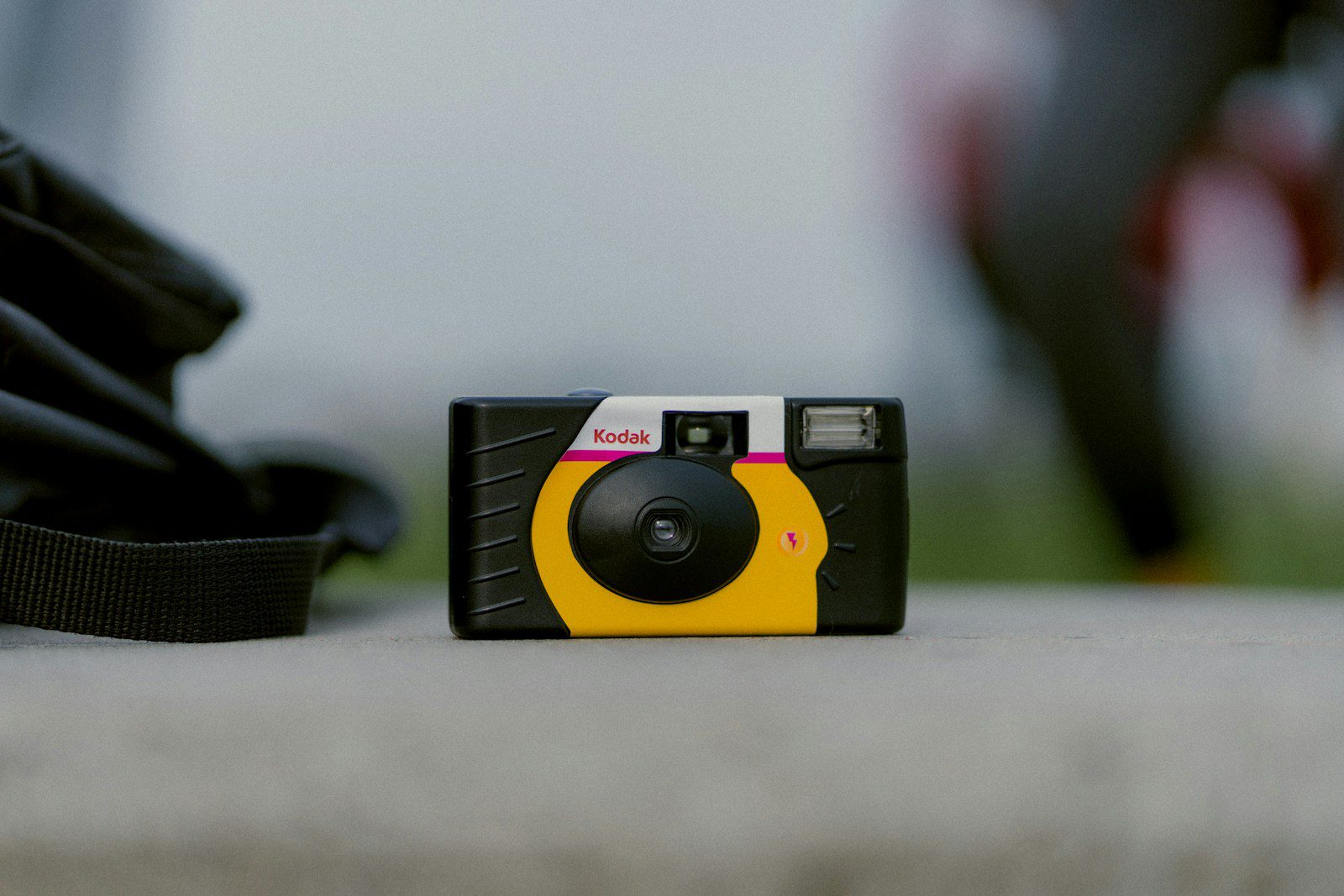
The digital photography revolution has pretty much wiped out the market for disposable cameras. Boomers often used these handy devices for vacations or special events. Now, with the convenience of smartphone cameras and the rise of social media, the demand for disposable cameras is almost non-existent.
3. Phone Booths

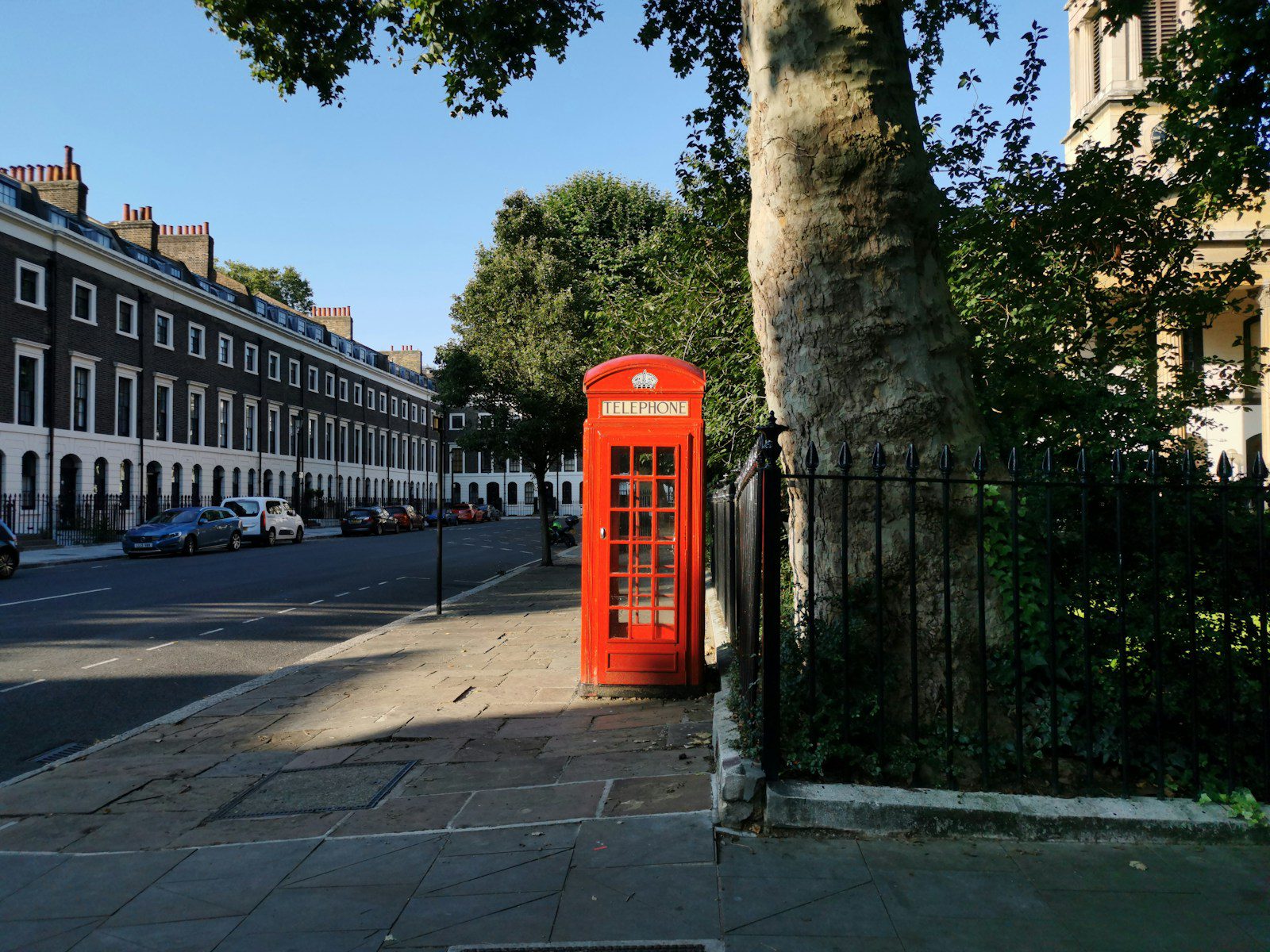
Before the widespread use of mobile phones, public phone booths were a common sight. Whether you needed to make a call while out and about, or just wanted some privacy, phone booths were there to save the day. Now, they’re mostly seen as vintage props in films or TV shows.
4. Pagers

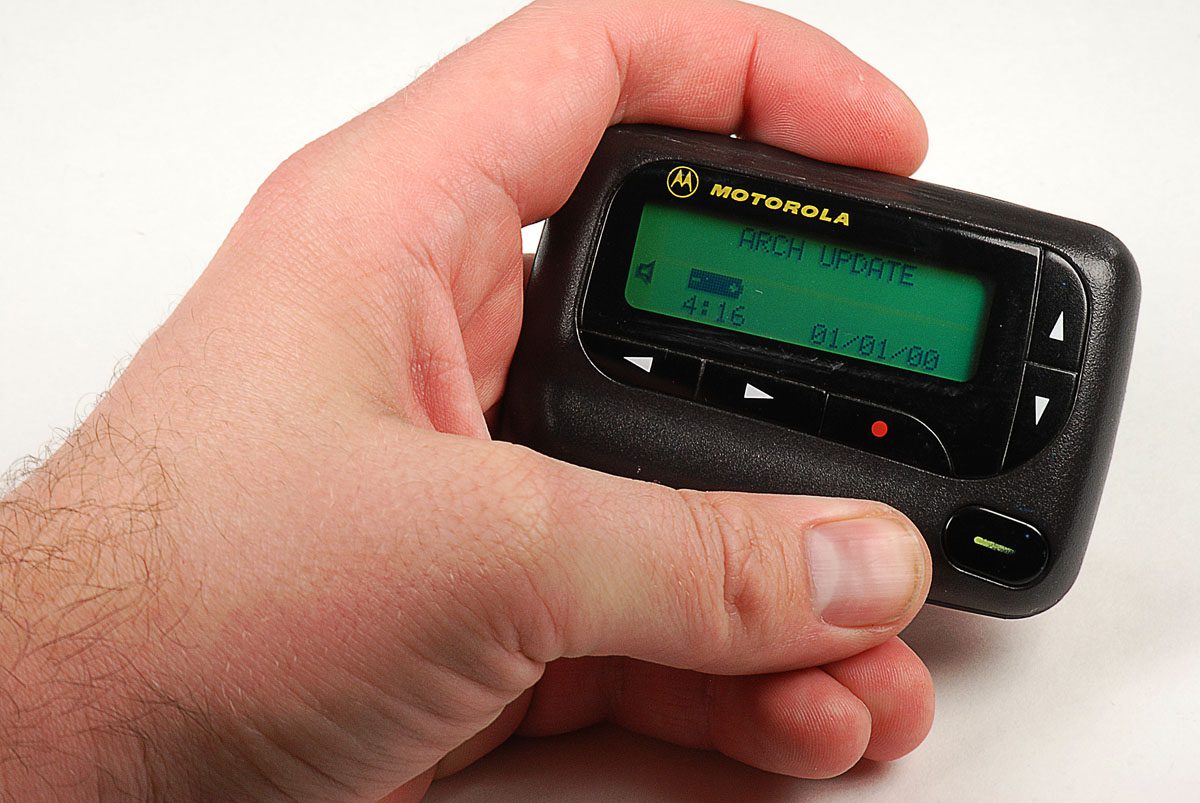
Before cellphones took over, pagers were the go-to device for instant communication. Doctors, business professionals, and even teenagers sported these small devices. However, the rise of smartphones has made pagers a thing of the past.
5. Floppy Disks

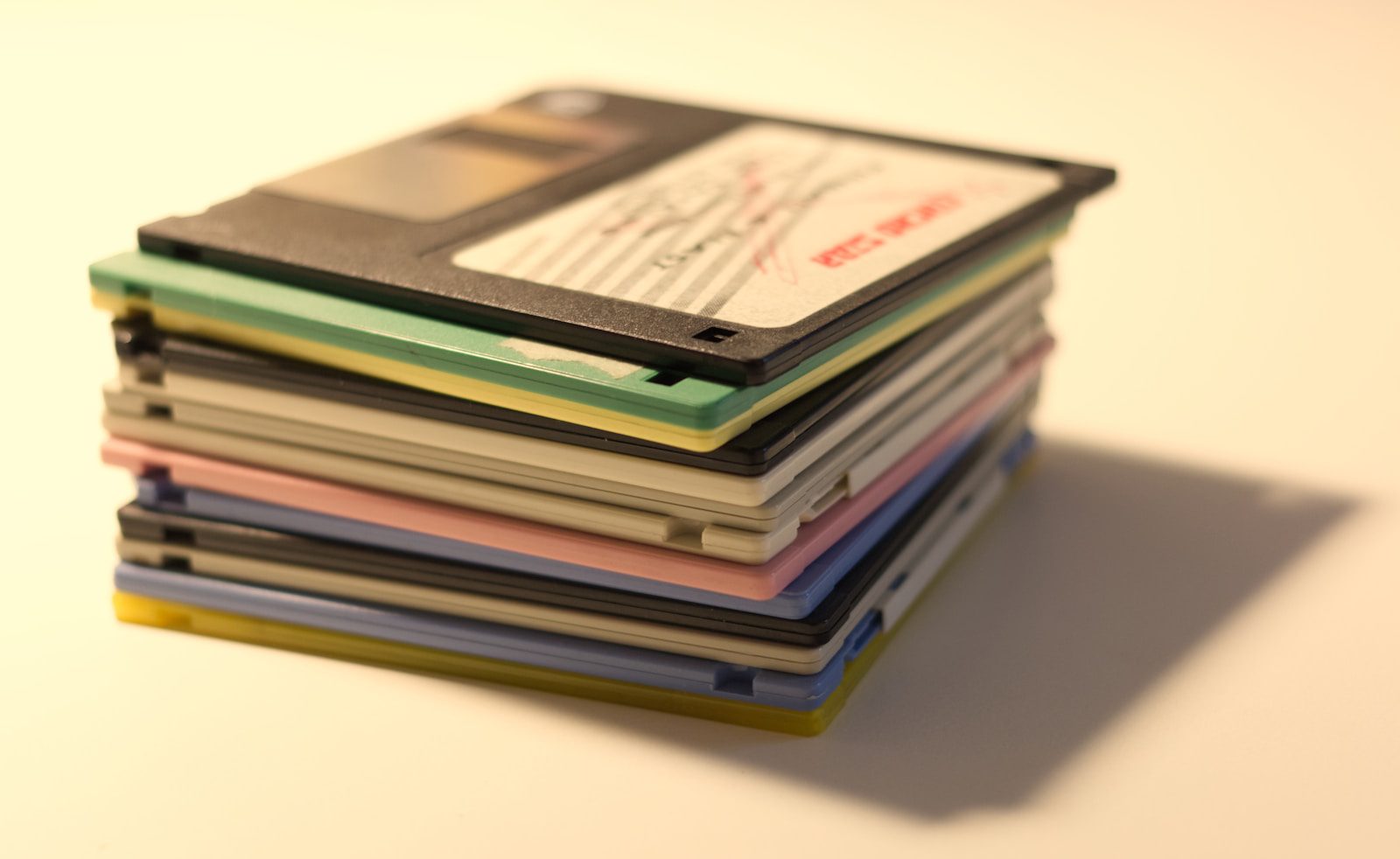
Floppy disks were once the primary method for storing and transferring data. They were a common sight in offices and schools. Nowadays, with the advent of cloud storage and USB drives, floppy disks have become a relic of the past.
6. Typewriters
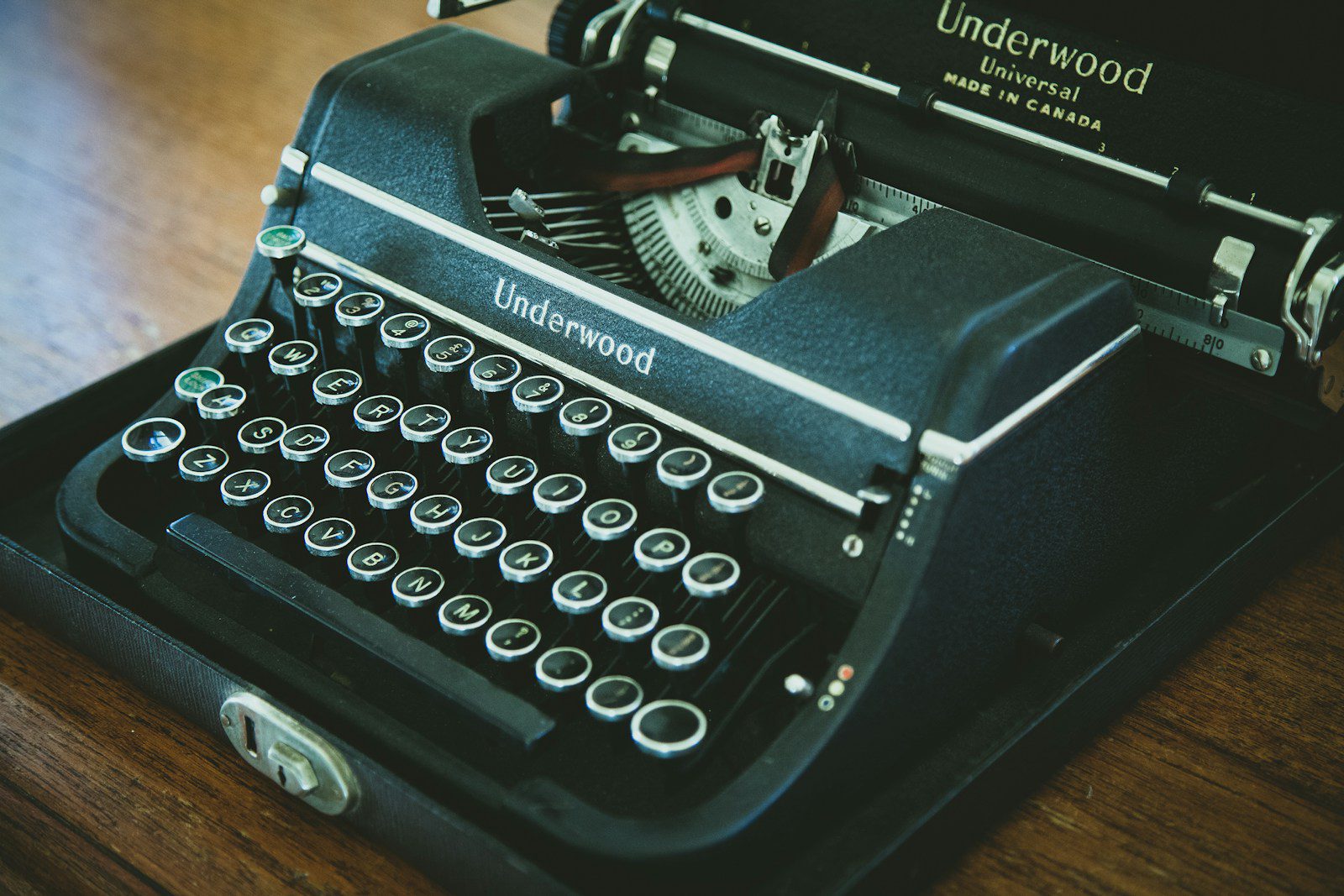
These mechanical or electromechanical machines were once the backbone of offices and newsrooms. They were used for writing letters, documents, and even novels. But the advent of computers and word processing software has made typewriters obsolete. Sure, they have a certain vintage charm, but they’re not practical for everyday use anymore.
7. Cassette Tapes and Players
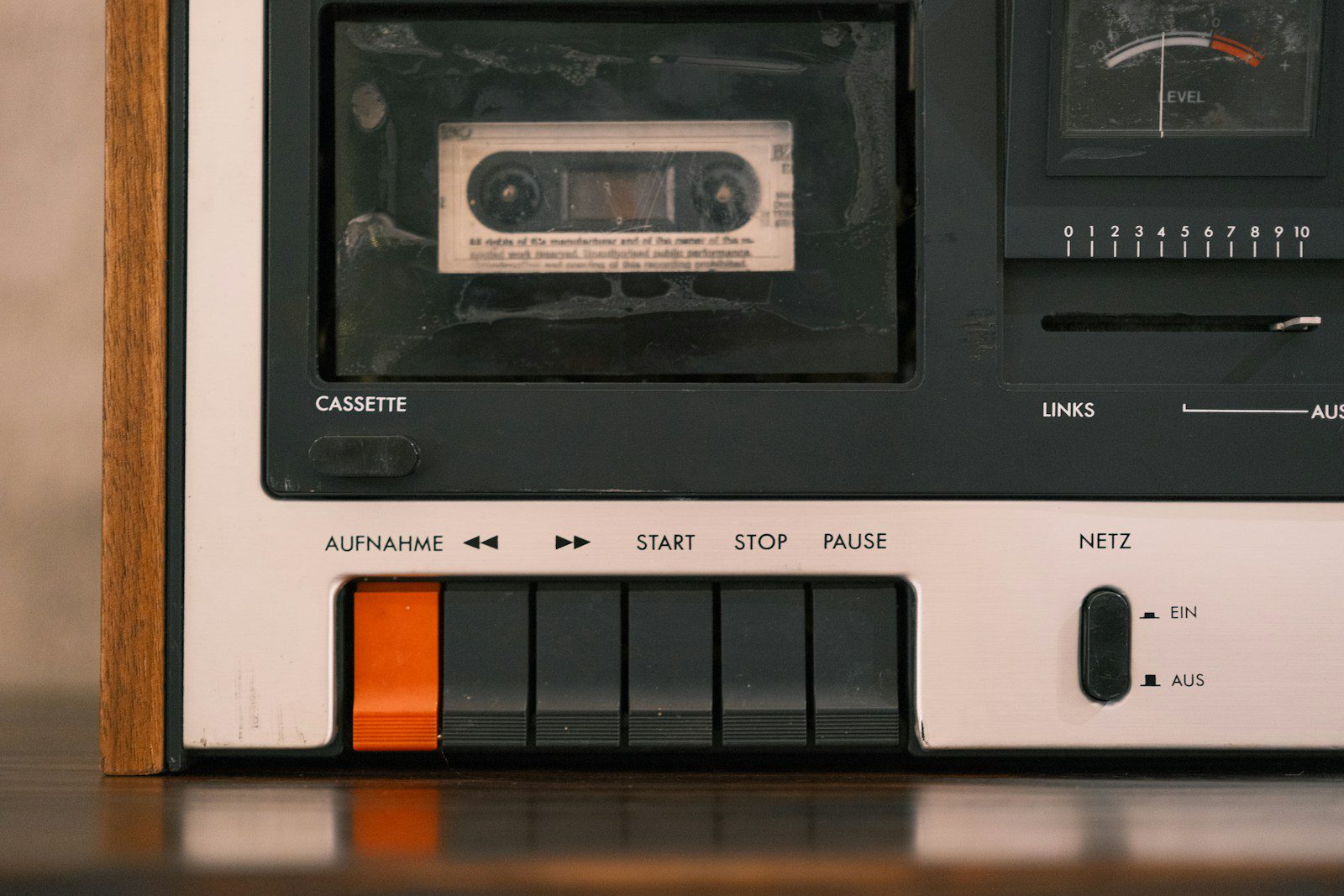
Before the rise of CDs and digital music, cassette tapes were the primary format for recorded music. Boomers would buy albums on cassette and listen to them on their cassette players. Now, streaming services like Spotify and Apple Music have replaced physical formats, making cassette tapes and players obsolete.
8. Encyclopedias


Before the internet, if you wanted to look something up, you would turn to an encyclopedia. These hefty volumes were a common sight in many boomer households. But now, with the ease of online search engines and digital resources like Wikipedia, physical encyclopedias have become a thing of the past. You can still find them in some libraries or as decorative items in homes, but their use as a primary source of information has dwindled.
9. VHS Tapes and VCRs

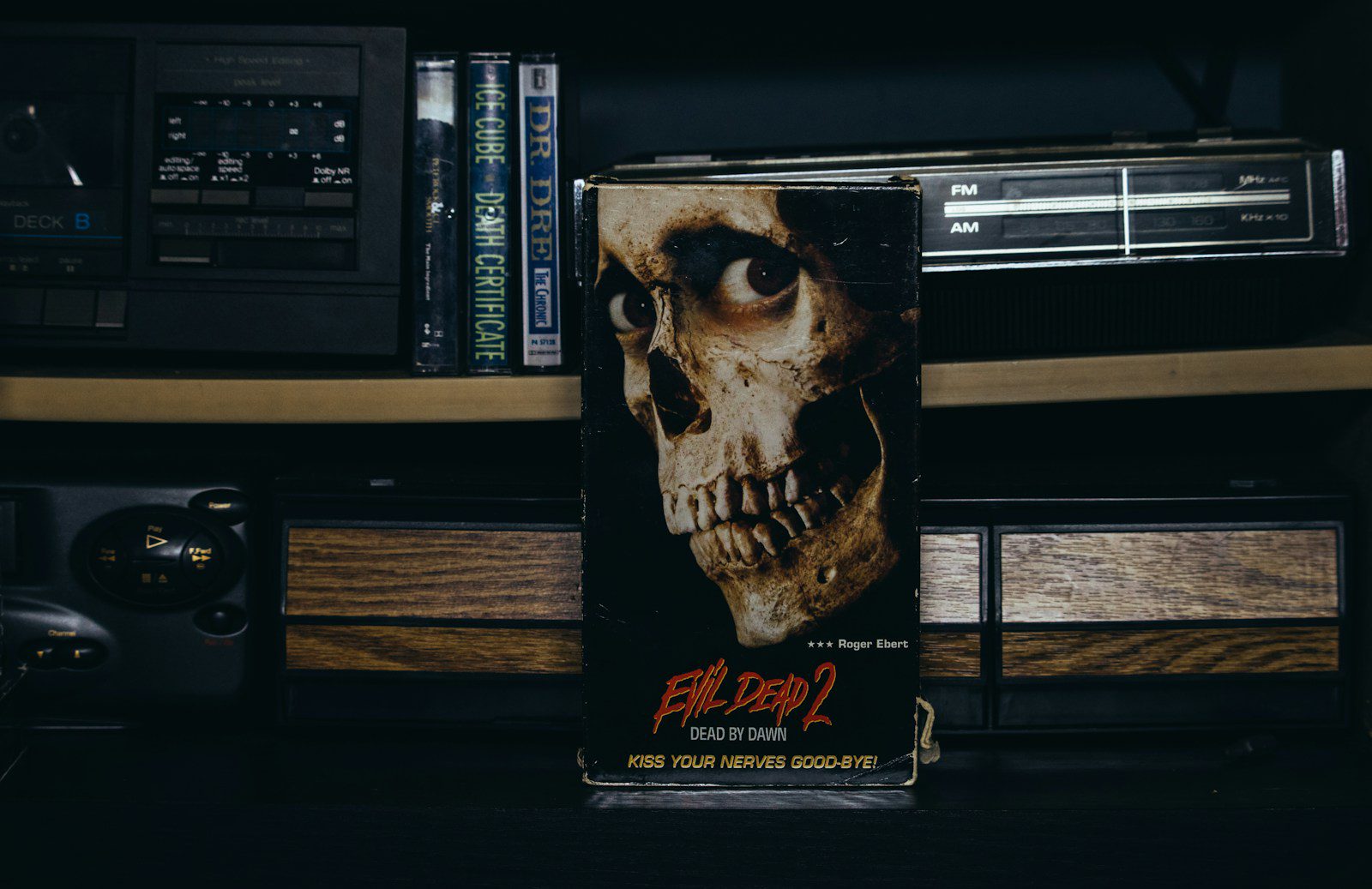
VHS tapes and VCRs were once the mainstay of home entertainment. Families would gather around the TV to watch movies or record their favorite shows. But with the advent of DVDs, Blu-ray, and streaming services, VHS tapes and VCRs have gone the way of the dodo.
10. Rotary Telephones

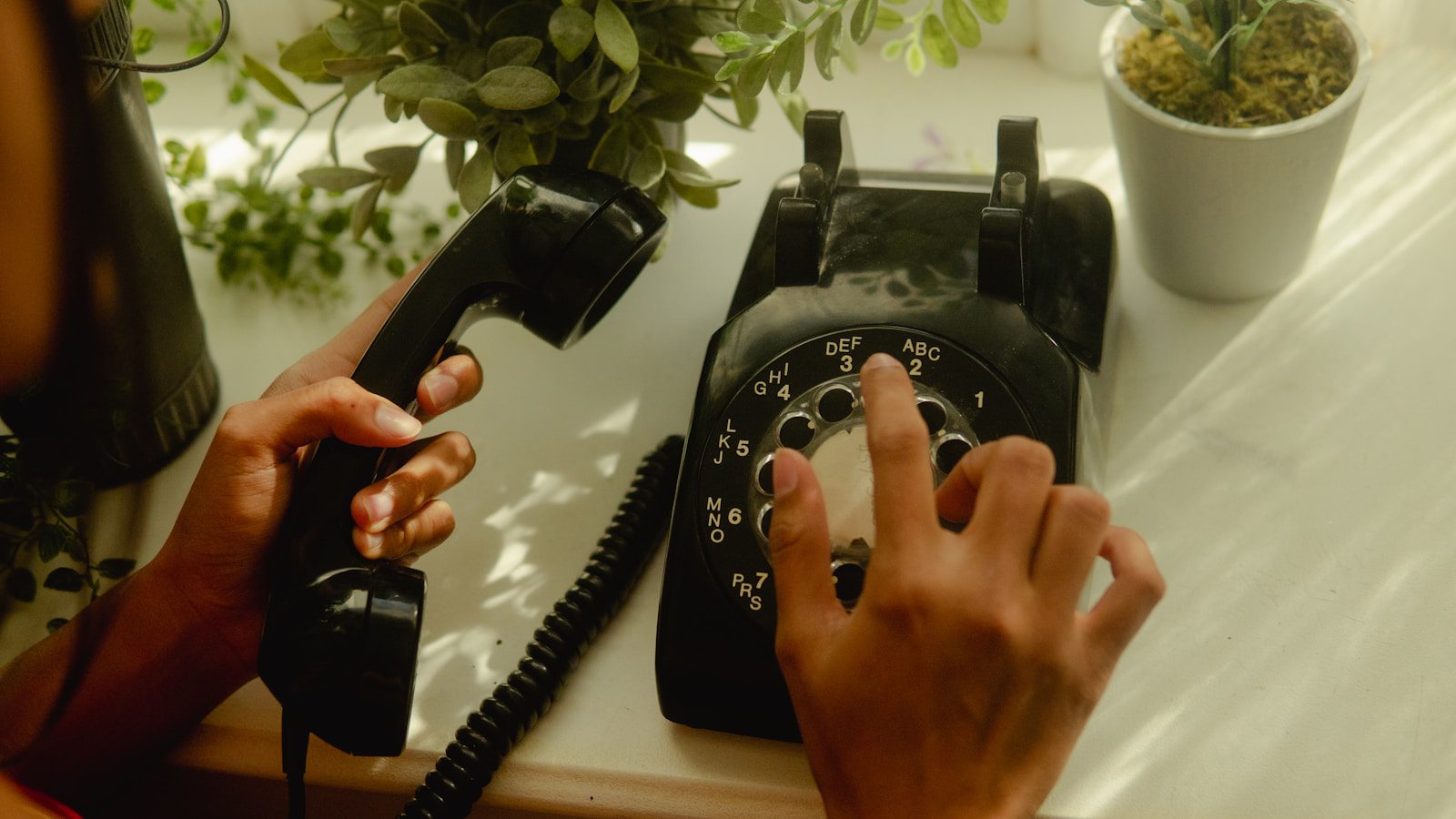
Rotary phones, with their distinctive ring and dialing mechanism, were a staple in many boomer households. But with the rise of push-button phones and later, mobile phones, rotary phones have become obsolete. They’re now mostly seen as decorative items or collector’s pieces.
11. Walkman Portable Radios
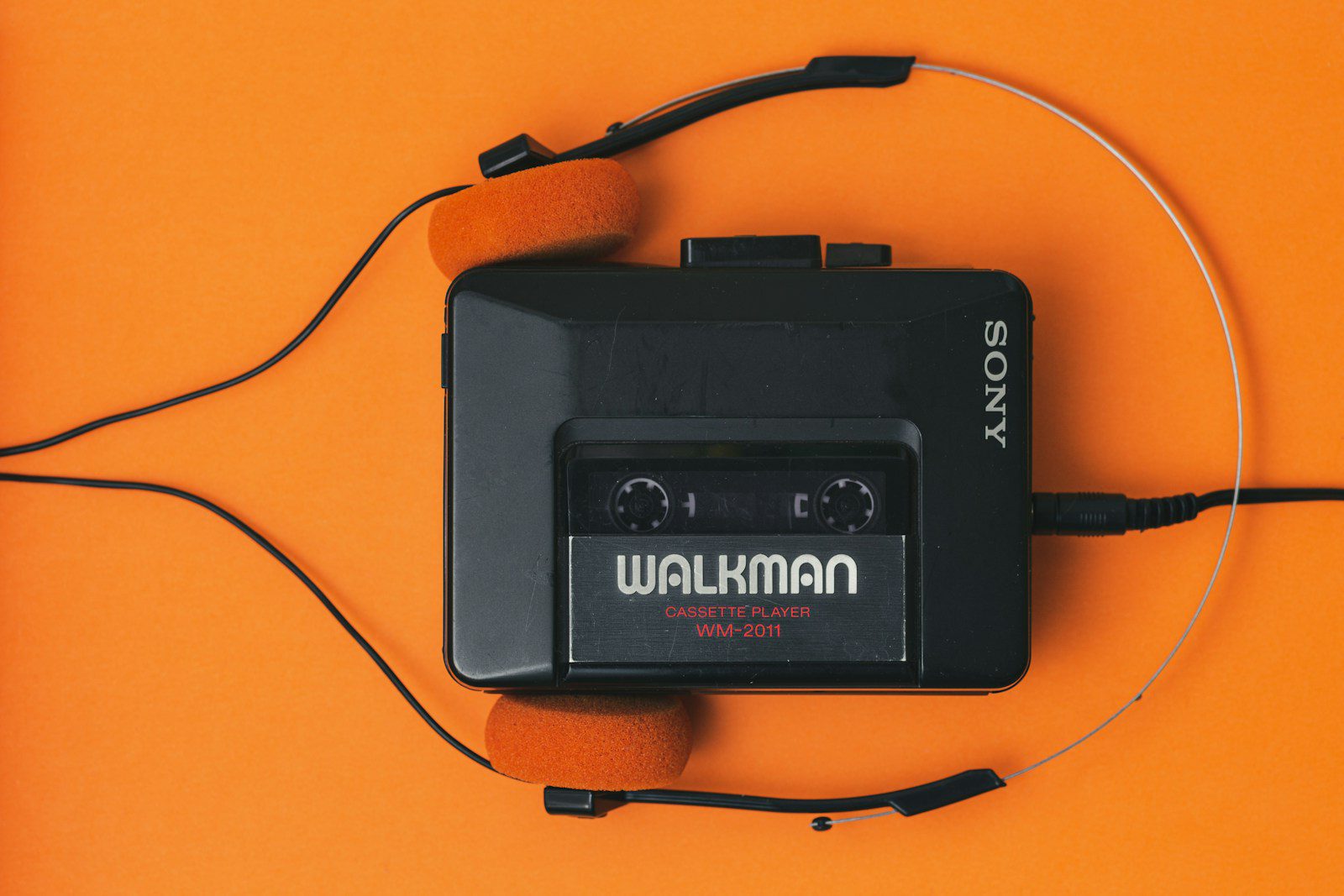
Before iPods and smartphones, the Walkman was the portable music device of choice. Boomers would listen to their favorite radio stations or cassette tapes on the go. But with the rise of digital music and streaming services, the Walkman has become a thing of the past.
12. Paper Maps and Atlases


Before GPS and digital maps, paper maps and atlases were essential for getting around. Whether you were planning a road trip or just trying to find your way in a new city, you’d rely on these physical maps. Now, with the convenience of digital maps and navigation apps, paper maps are rarely used.
13. Film Projectors
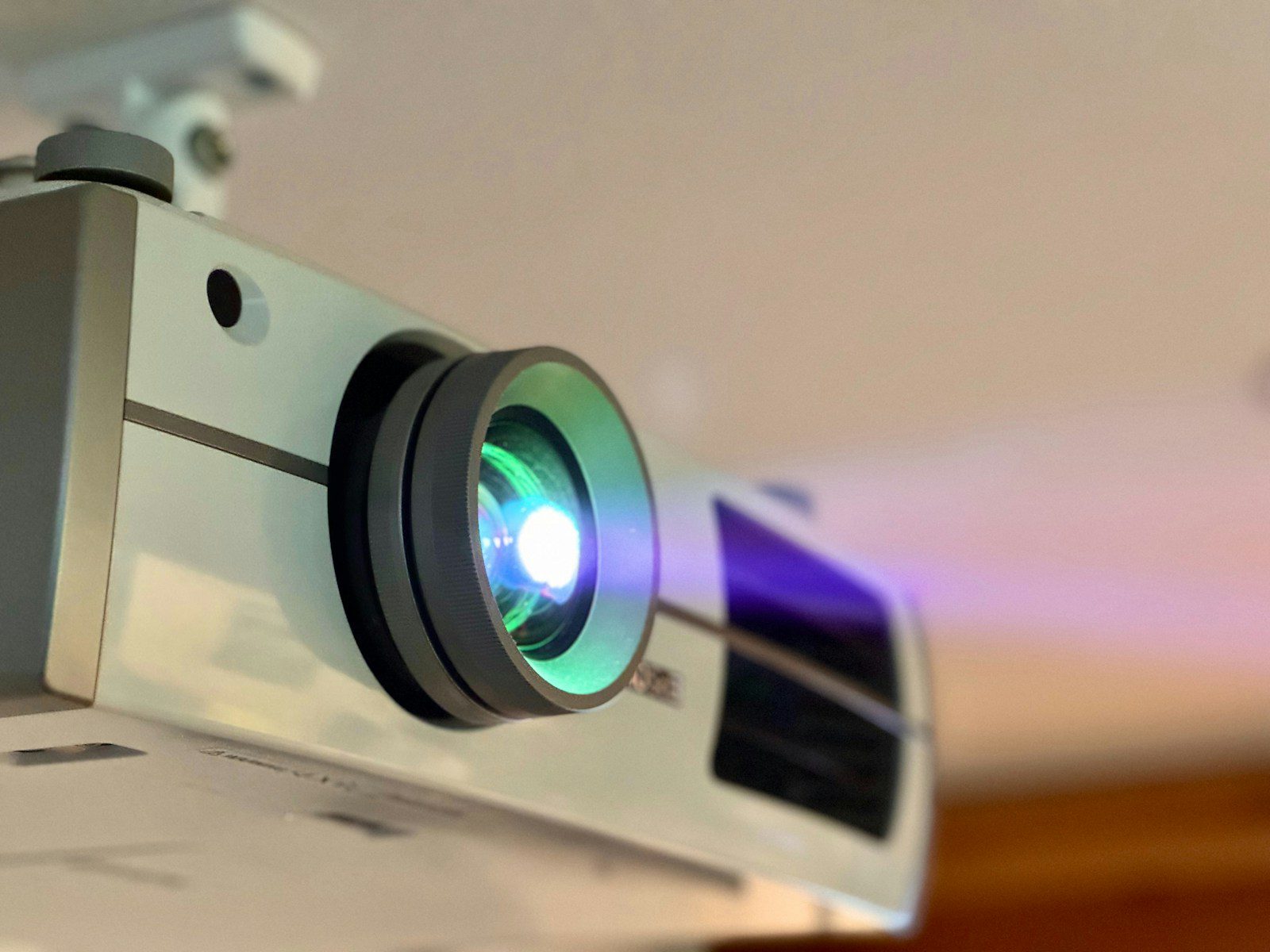
Film projectors were once the only way to watch movies at home. Families would gather around to watch home movies or favorite films on the big screen. But with the advent of televisions, DVDs, and streaming services, film projectors have become obsolete.
14. Carbon Copy Paper
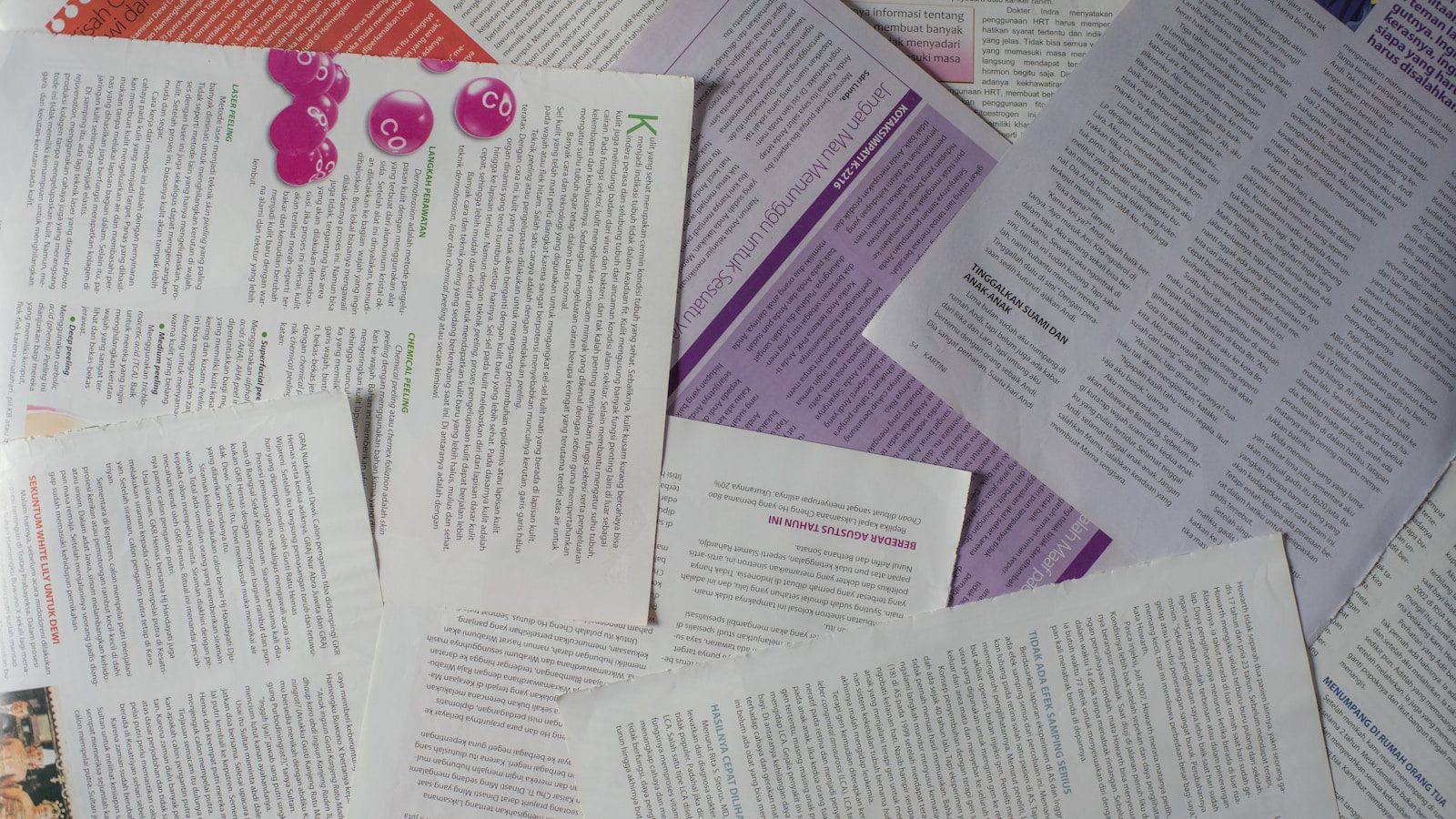
Before the rise of digital documents and emails, carbon copy paper was used to make instant duplicates of written or typed documents. This was especially useful in offices for record-keeping. But now, with the convenience of digital copies and cloud storage, carbon copy paper is rarely used.
Indeed, the world has changed a lot since the baby boomer era. As technology continues to advance, it’s likely that even more everyday items will become obsolete. But while these items may no longer exist, they’re a reminder of how far we’ve come, and they’ll always hold a special place in our memories. As we adapt to new technologies, it’s fun to take a moment to look back at the past and remember the items that used to be part of our everyday lives.
You might also be interested in reading about the difference between Gen Z and baby boomers or checking out some of the trends that are likely to disappear. For more in-depth analysis, this book provides a fascinating look at the everyday things boomers bought that no longer exist.