


Your home should be your sanctuary, a safe haven where you can relax and feel secure. However, unbeknownst to many, lurking within our own four walls are potential hazards that may pose a threat to our health and safety. Some of these dangers are not immediately obvious, and that’s what makes them truly insidious. In this post, we will explore 14 hidden hazards in your home that you might be ignoring, and provide practical advice on how to address them.
1. Carbon Monoxide


Carbon monoxide is a colorless, odorless gas that can cause severe health problems and even death if inhaled in large amounts. It is produced by burning fuel in cars, stoves, lanterns, grills, fireplaces, gas ranges, or furnaces.
Many people may not realize they have a carbon monoxide issue until they begin to feel sick, experiencing symptoms such as headaches, dizziness, vomiting, chest pain, and confusion. To prevent carbon monoxide poisoning, install detectors throughout your home and ensure they are working properly. Regularly inspect your household appliances and heating systems, and never run a car or truck inside a garage attached to your house.
2. Lead Paint

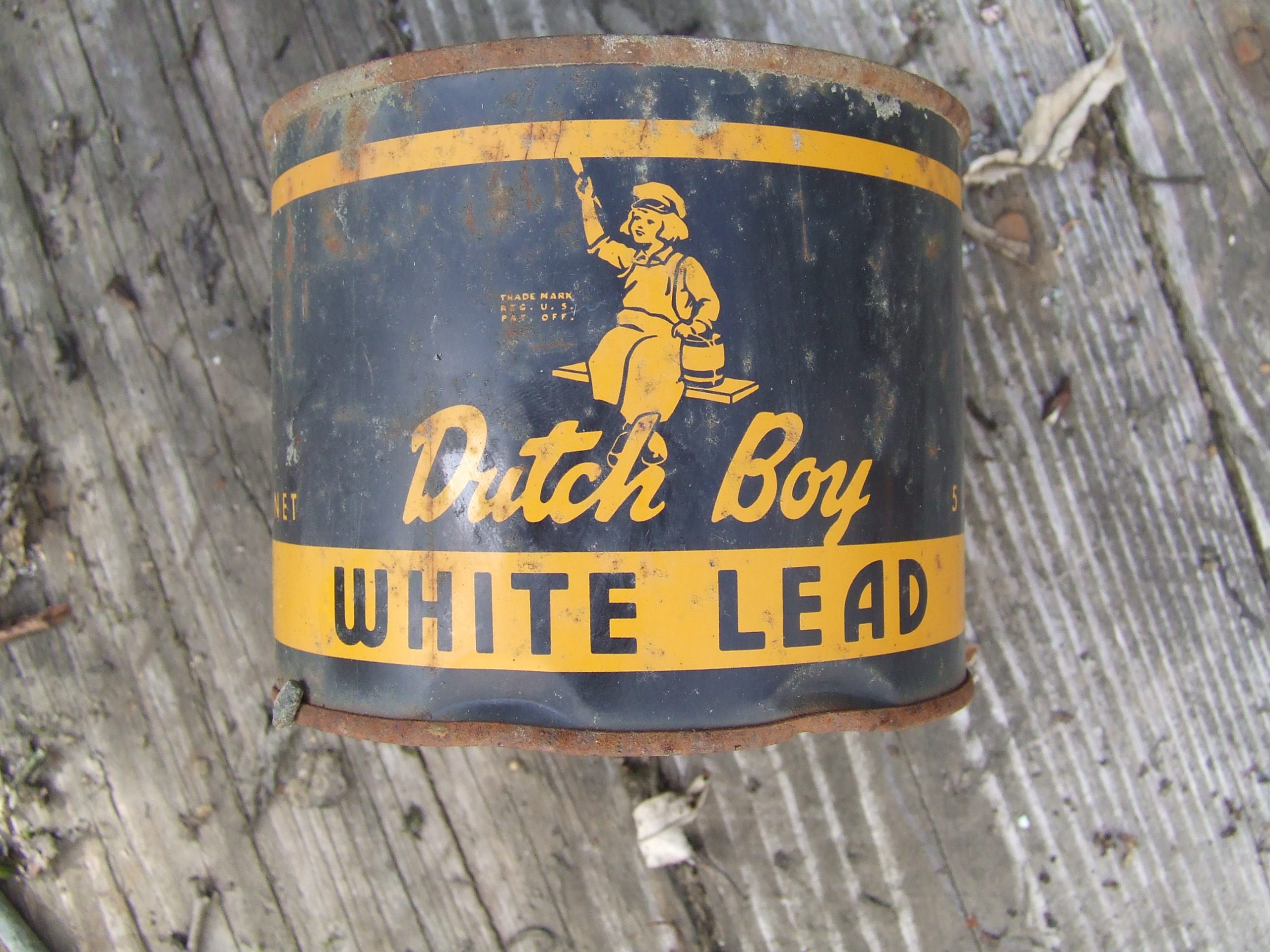
Lead-based paint was widely used in homes until it was banned in 1978 due to its toxicity. If your home was built before this time, there’s a chance it could contain lead paint, which can be harmful if ingested or inhaled.
Lead poisoning can lead to a variety of health problems, especially in children, affecting their development and cognitive abilities. If you suspect your home may have lead paint, hire a professional to conduct a test. If confirmed, don’t try to remove it yourself; instead, hire a certified lead abatement professional to safely eliminate the risk.
3. Mold


Mold spores are everywhere, but they become a problem when they find a damp spot in your home and start to multiply. They can cause allergies, asthma, and other respiratory issues, and some molds can even produce toxins that are harmful to people and pets.
To prevent mold, control the humidity in your home, fix leaks promptly, and ensure your home has good ventilation. If you find mold, it’s essential to not only clean it up but also solve the underlying moisture problem that allowed it to grow.
4. Radon


Radon is a radioactive gas that you cannot see, smell, or taste. It can seep into your home through cracks and holes in the foundation and, over time, can cause lung cancer.
Testing is the only way to know if your home has high radon levels. Home test kits are affordable and easy to use. If you find high levels, a qualified radon mitigation contractor can make repairs to lower the radon levels in your home.
5. Asbestos


Asbestos was once used in a variety of building materials due to its fire-resistant properties. However, when asbestos fibers are inhaled, they can cause lung diseases, including cancer.
If your home was built before the 1980s, it might contain asbestos. If you suspect this, don’t try to remove it yourself. Disturbing asbestos-containing materials can make the problem worse. Instead, hire a professional to assess the situation and safely remove it if necessary.
6. Household Cleaners


While household cleaners can help keep our homes sparkling and germ-free, some contain chemicals that can be harmful if ingested or inhaled.
Always read the labels on cleaning products and use them as directed. Keep them out of the reach of children and pets. Consider using natural cleaning products or making your own from common household ingredients like vinegar and baking soda.
7. Unsecured Furniture

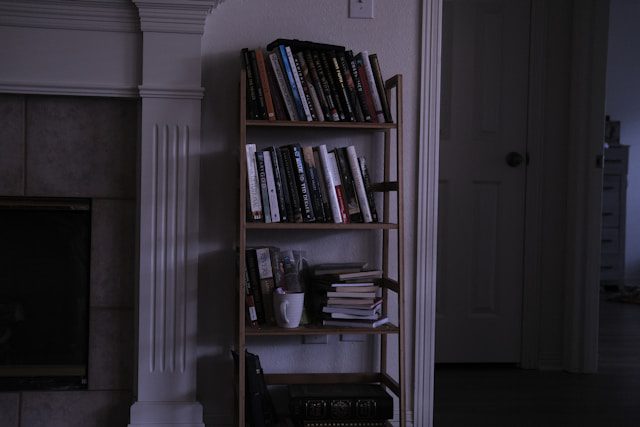
Furniture tip-overs can cause serious injuries, especially to children. This can occur when kids climb on furniture or when heavy items are placed on top.
Secure heavy furniture to the wall using brackets, braces or wall straps. Keep heavier items on lower shelves or in lower drawers. Never place a TV on top of a piece of furniture that isn’t designed to hold it.
8. Cluttered Spaces


Cluttered spaces can be more than just an eyesore. They can be a fire hazard, a tripping hazard, and can harbor dust and allergens.
Keep your home tidy by regularly decluttering and cleaning. Don’t let items pile up on stairs or near cooking appliances. A clean, organized home is not only safer but also more enjoyable to live in.
9. Poor Lighting

Poor lighting can lead to eye strain and increase the risk of trips and falls, especially on stairs.
Ensure that your home is well-lit, with extra attention to areas like staircases, entrances, and areas where you read or do detailed work. Consider using LED bulbs, which are energy efficient and last longer than traditional bulbs.
10. Loose Rugs


A loose rug can easily become a tripping hazard, especially for children and elderly family members.
Ensure rugs are secured with non-slip mats or rug grippers, and always smooth out any wrinkles or folds that someone could trip over. Consider removing rugs from high traffic areas entirely if they continue to cause problems.
11. Electrical Safety Hazards

Overloaded outlets, frayed cords or the misuse of extension cords can lead to electrical fires.
Always use power strips with built-in circuit breakers instead of traditional extension cords, and never plug more appliances into an outlet than it can handle. Regularly check cords for damage and replace them if necessary.
12. Window Blind Cords


Long cords on window blinds can present a strangulation hazard for small children and pets.
Keep cords out of reach of children and pets, and consider replacing blinds with cordless or motorized versions. If replacing them is not an option, there are retrofit kits available that can make existing blinds safer.
13. Staircases

Staircases can be a fall hazard, especially if they are steep, narrow, or lack handrails.
Install sturdy handrails on both sides of the stairs, and ensure they are well-lit. Keep stairs clear of clutter, and consider adding non-slip strips to the steps for additional safety.
14. Poisonous Plants

Many common houseplants are toxic if ingested, posing a danger to children and pets.
Before bringing a plant into your home, research to see if it is safe. Keep potentially harmful plants out of reach of children and pets. If you suspect someone has ingested a poisonous plant, contact Poison Control immediately.
By identifying and addressing these potential hazards, you can make your home a safer place for everyone. It’s always better to be safe than sorry, so don’t ignore these hidden hazards in your home.
Enjoy this read? Here’s More From Us

Visit Our Site: