


Welcome to the home-buying landscape of 2025! As the world continuously evolves, so do our preferences for living spaces. With the rise in technology, sustainability, and remote work, buyers now have new demands when searching for a home. They’re no longer just looking at the size of the kitchen or the view from the living room. Today, buyers are more discerning, focusing on features that enhance their quality of life, ensure security, promote sustainability, and allow for a connected, digital lifestyle. If you’re a homeowner aiming to sell or a buyer looking to invest, here are 14 home features that could be potential deal breakers in 2025.
Outdated Home Security Systems


In an era where safety is paramount, outdated home security systems can be a significant turn-off for potential buyers. The demand for modern, comprehensive security measures is high. Think smart locks, advanced alarm systems, and even tech-driven surveillance cameras. Homes with old-fashioned, non-connected security systems are less likely to attract buyers.
Poor Energy Efficiency Systems

With growing awareness about climate change and rising energy costs, buyers are now more conscious about energy efficiency. Homes with outdated insulation, single-pane windows, or older HVAC systems might not make the cut. Buyers are looking for energy-efficient appliances, advanced insulation, and solar panel installations that can help reduce their carbon footprint and save on electricity bills.
Lack of Smart Home Integrations

Smart homes are no longer a luxury but a norm. From voice-activated lights to app-controlled thermostats, homebuyers are seeking properties that support a connected lifestyle. The absence of smart home features or the inability to integrate such systems can be a significant deal breaker for tech-savvy buyers.
Absence of a Home Office or Dedicated Workspace

The pandemic has permanently altered the work landscape, making remote work more common. Hence, a dedicated workspace or home office has become a sought-after feature. Homes without a quiet, comfortable space for work might face a thumbs-down from potential buyers.
Inadequate Internet Connectivity


As our lives become more digitally connected, strong and reliable internet connectivity has become a necessity. Whether it’s for work, education, or entertainment, a home with poor internet connectivity can be a major deterrent for buyers in this digital age.
Lack of Electric Vehicle Charging Stations


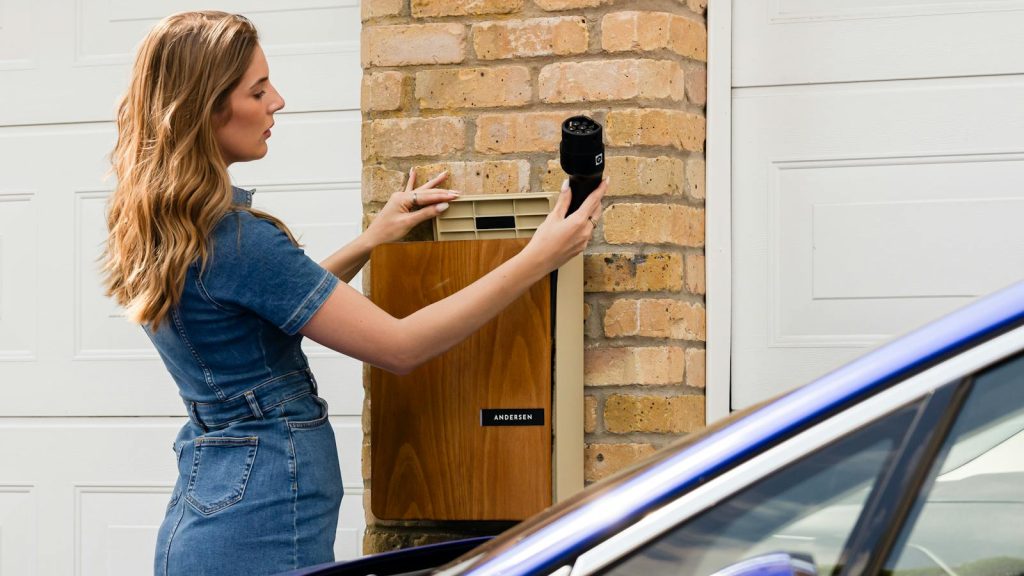
With the rise of electric vehicles (EVs), having an EV charging station at home has become increasingly important. Homes without this feature may find it challenging to attract environmentally conscious and tech-forward buyers.
Inefficient Water Usage Systems

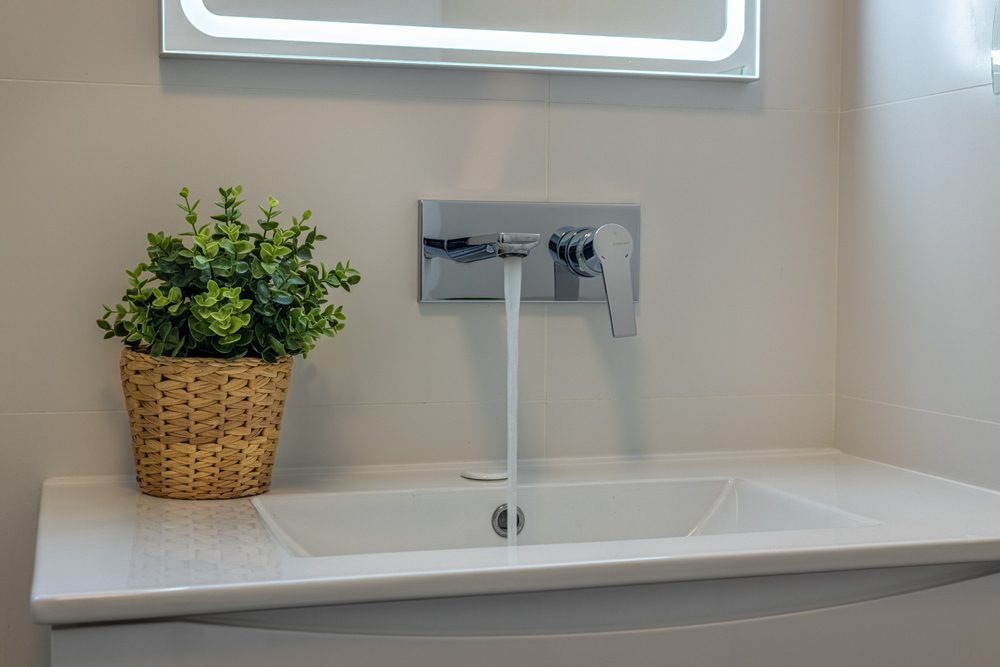
Water is a precious resource, and efficient water usage systems are now high on homebuyers’ checklists. From low-flow toilets to smart irrigation systems, buyers prefer homes that promote water conservation.
Absence of Sustainable or Eco-Friendly Materials

Eco-conscious buyers are on the rise, and they’re looking for homes that align with their values. Homes not built or renovated with sustainable or eco-friendly materials may not appeal to such buyers. Think bamboo flooring, recycled materials, and non-toxic paints.
Non-Adaptive Living Spaces


As our needs change, so should our living spaces. Non-adaptive homes that cannot be easily modified or adapted to accommodate changing needs can be a deal breaker. Buyers are looking for flexible layouts, movable walls, and other features that make a home more adaptable.
Lack of Indoor Air Quality Systems
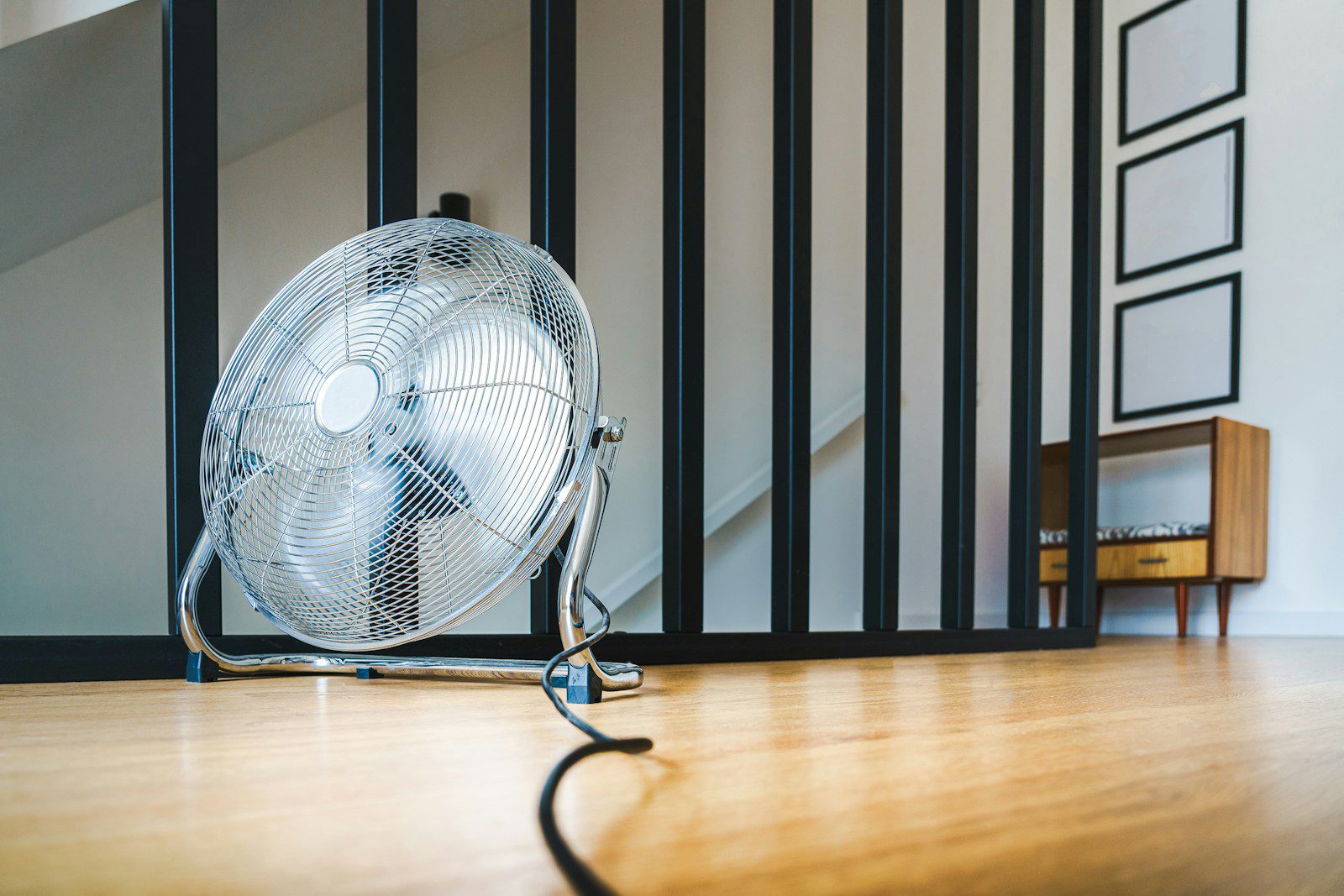
Indoor air quality has become a significant concern, especially with more people spending time at home. Buyers are now prioritizing homes with good ventilation, air purifiers, or other indoor air quality systems to ensure a healthy living environment.
Outdated Kitchen Appliances

With the rise of cooking and baking trends, the kitchen has become a focal point in many homes. Outdated or energy-inefficient kitchen appliances are less desirable to buyers, who often prefer modern, high-functioning appliances.
Absence of Outdoor Living Spaces

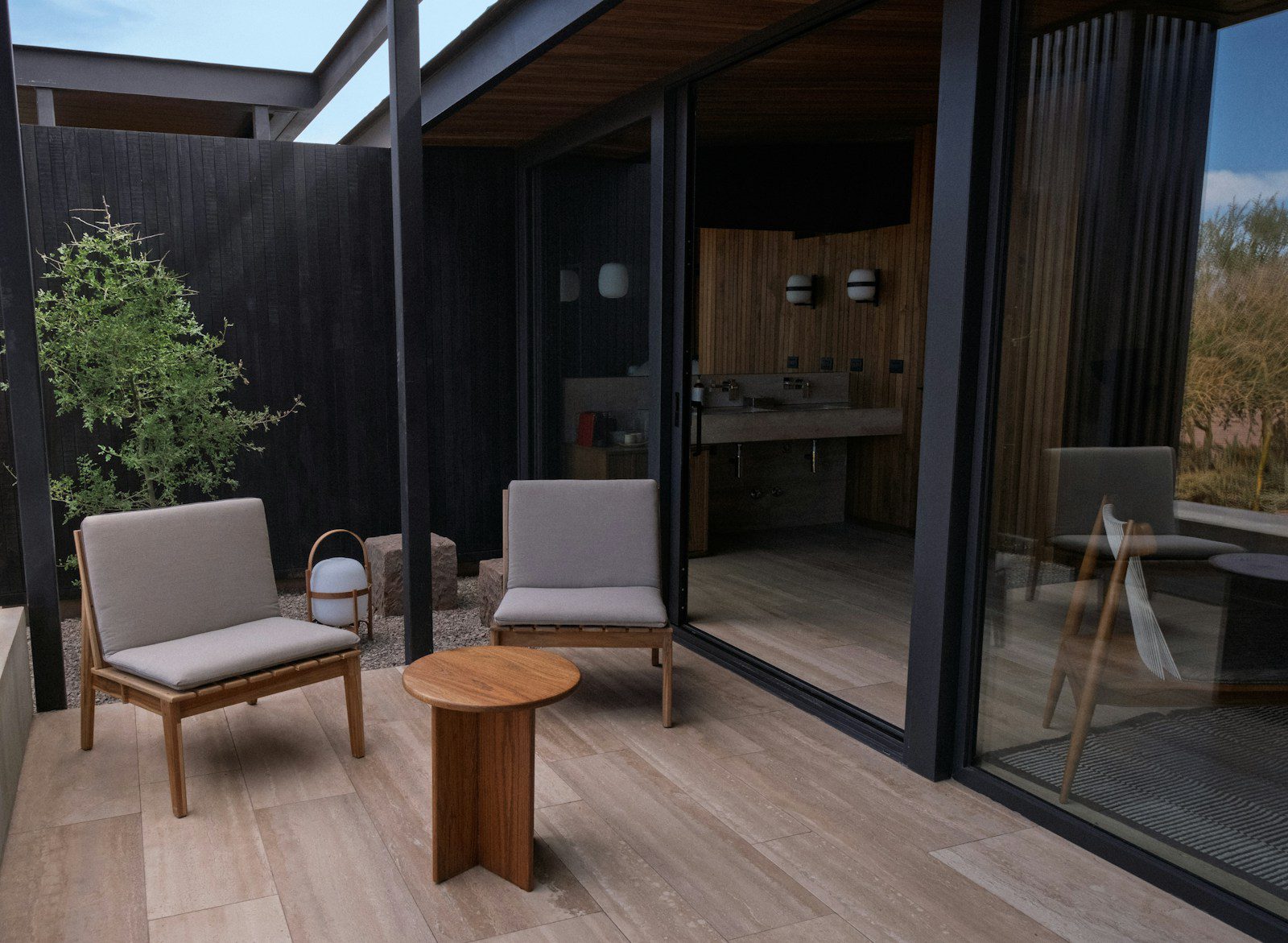
Outdoor spaces have become especially valuable for relaxation, entertainment, or even as additional workspaces. Homes without a deck, patio, or garden may face rejection from buyers who value these outdoor amenities.
Insufficient Natural Light
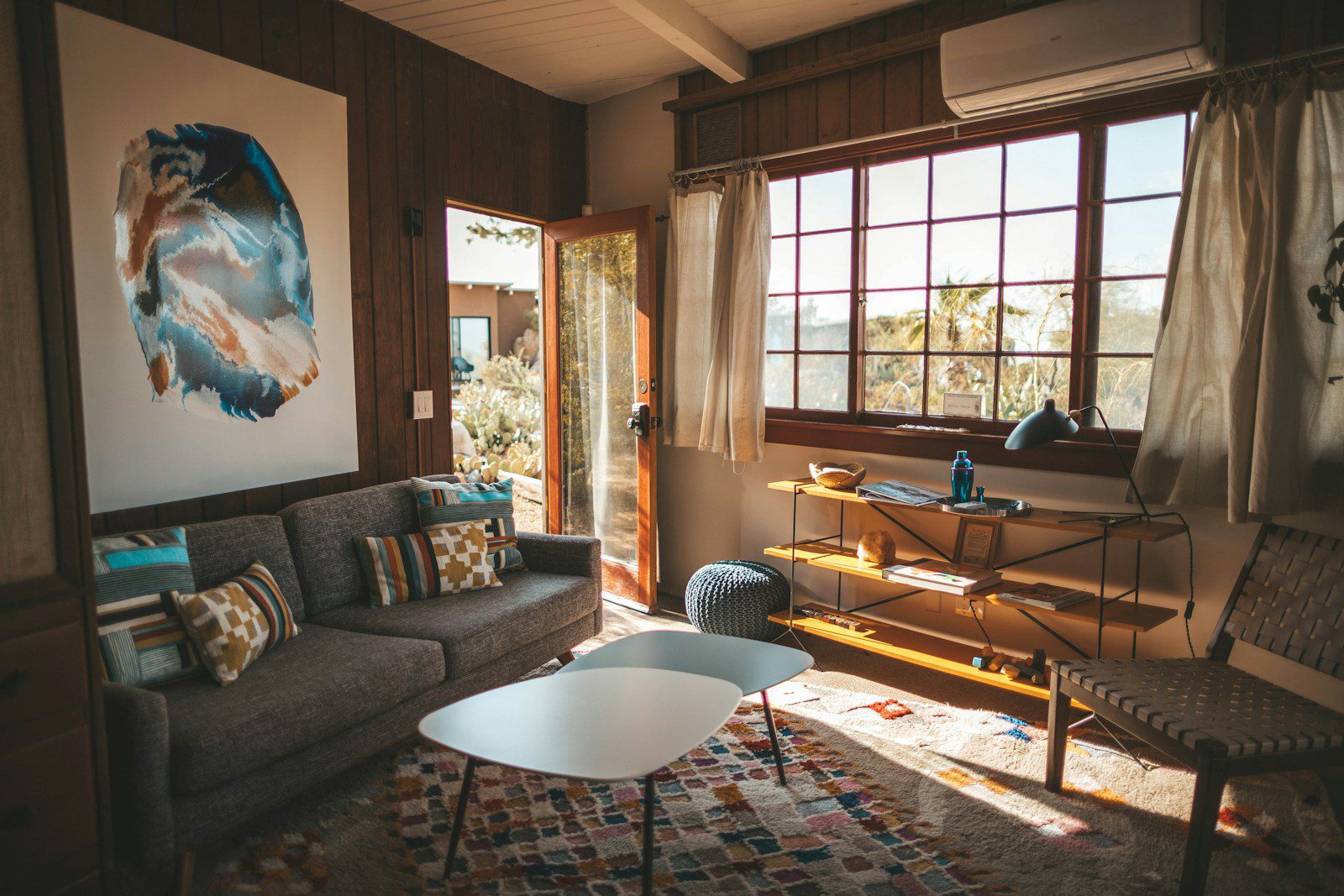
Natural light is not only aesthetically pleasing but also crucial for our wellbeing. Homes with insufficient windows, poor orientation, or obstructed views that limit natural light may not attract buyers who value a bright and airy living space.
Homes Not Designed for Aging in Place

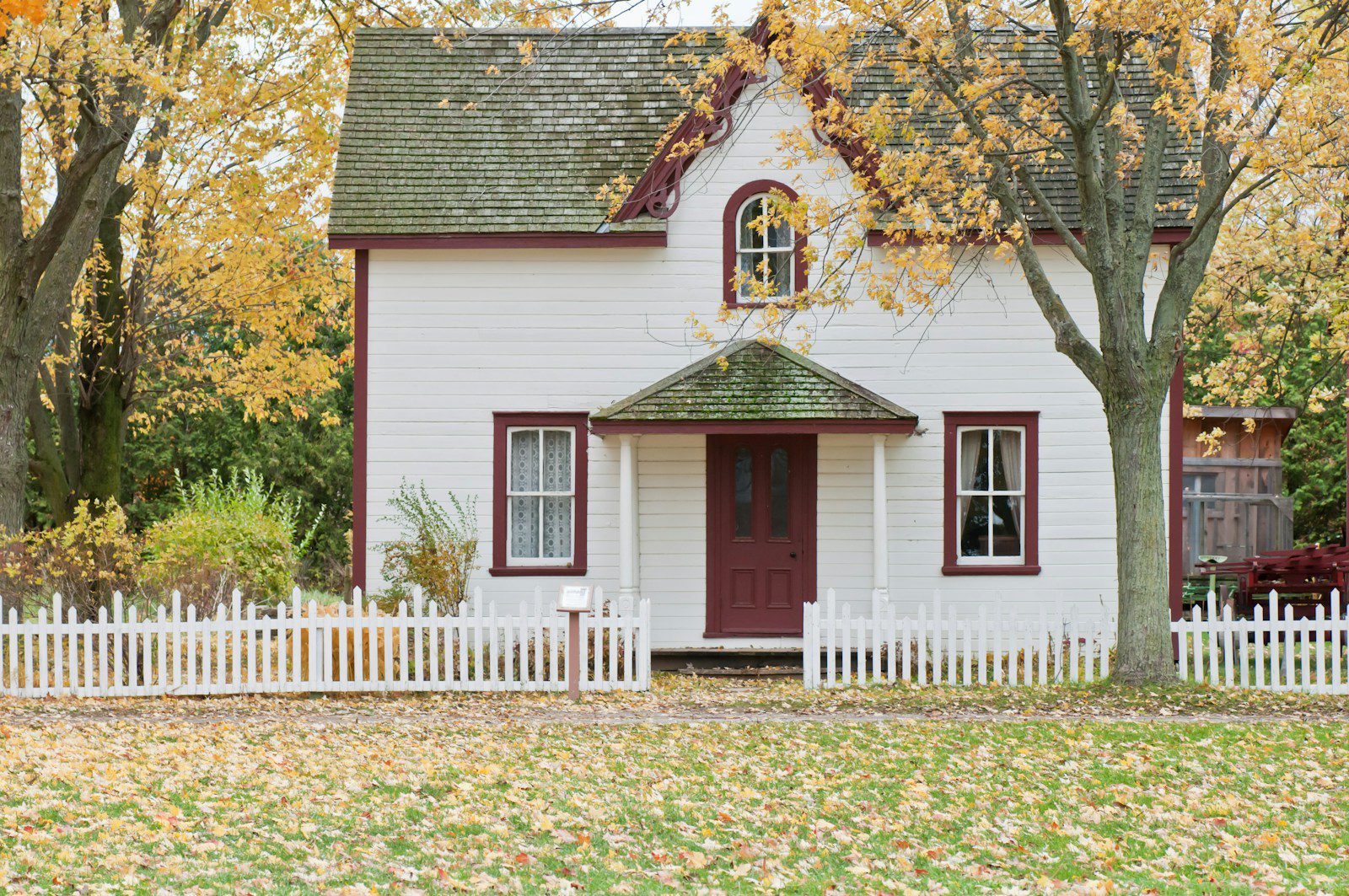
With the increasing life expectancy, more buyers are considering homes that are designed for ‘aging in place’. Features like step-free entrances, wide doorways, and grab bars in the bathroom can make a significant difference. Homes without these features may not appeal to buyers planning for their future.
Remember, homebuyers in 2025 are not just looking for a place to live. They’re looking for a space that enhances their quality of life, aligns with their values, and caters to their evolving needs. By understanding these potential deal breakers, you can better position your property in the market or make a more informed buying decision.