


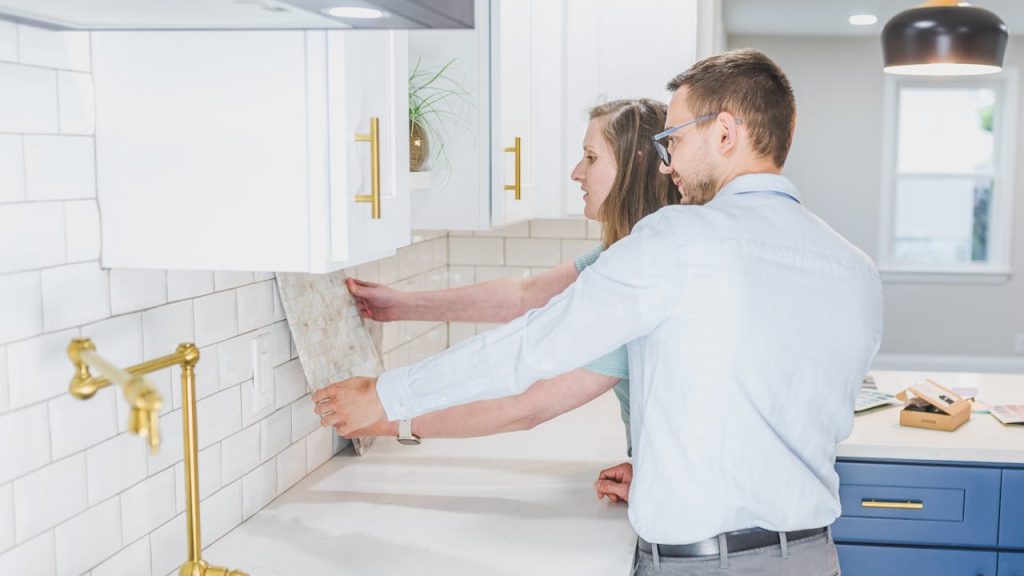
Designing a kitchen can be an exciting project, whether you’re building a new home or renovating your current one. However, with the plethora of design trends out there, it’s easy to get caught up in the hype and make decisions that you may regret later on. From overly trendy colors to lack of functional space, the pitfalls are numerous. To help you avoid these common mistakes, I’ve compiled a list of 14 kitchen design trends that buyers often regret based on my experiences and the shared experiences of others online. Let’s dive in!
1. Overly Trendy Colors and Patterns


While it’s tempting to go all out and incorporate the latest color or pattern trend into your kitchen, it’s important to remember that trends fade. Today’s hot hue or pattern might seem outdated in just a few years. For instance, remember the mustard yellow and avocado green kitchens of the 1970s? Exactly. Instead, opt for timeless, neutral colors and add pops of color with accessories that can be easily changed out. You’ll thank yourself in the long run.
2. Lack of Adequate Storage Space

Storage is key in any kitchen. No matter how large or small your kitchen is, you can never have too much storage. The lack of it is a common regret among homeowners. It’s crucial to consider your storage needs before finalizing your kitchen design. Invest in cabinets that reach up to the ceiling or consider adding a pantry. Imagine the frustration of not having enough space to store your pots, pans, utensils, and food items. It can quickly turn your dream kitchen into a nightmare.
3. Open Shelving Overload


Open shelves look great in magazine spreads, but in reality, they can often lead to clutter and dust. Not everyone has a curated collection of dishes or the time to keep everything looking neat and tidy. If you love the look of open shelving, consider using it sparingly or in combination with closed cabinetry. This way, you can display your favorite pieces without worrying about keeping everything in perfect order all the time.
4. Excessive Use of Stainless Steel
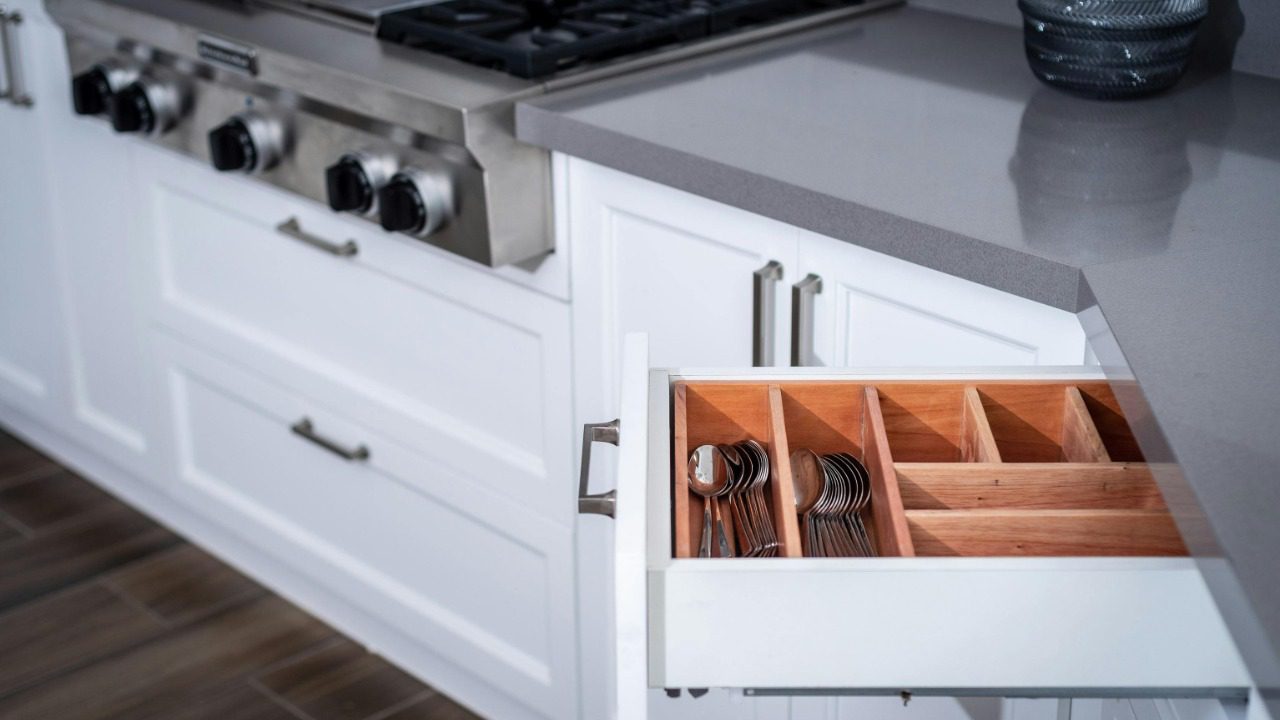
Stainless steel appliances have been the go-to for modern kitchens for years. However, an overload of stainless steel can make your kitchen feel cold and industrial. Mixing and matching appliance finishes can add warmth and character to your space. Plus, constantly cleaning fingerprints off stainless steel can get old fast.
5. Over-the-Top Farmhouse Sinks


Farmhouse sinks are beautiful and can add a charming touch to your kitchen. However, they’re not always practical. They can be quite deep, making them uncomfortable for shorter people to use. Additionally, they can chip or crack easily, leading to costly repairs. If you’re set on a farmhouse sink, consider these potential issues before making the final decision.
6. Limited Counter Space

Counter space is a precious commodity in any kitchen. It’s where you prepare meals, place your small appliances, and sometimes even serve dinner. A lack of counter space can make cooking and entertaining more challenging. So, make sure your kitchen design includes ample counter space to accommodate your needs. As they say on Reddit, “you can never have too much counter space!”
7. Limited Lighting Options
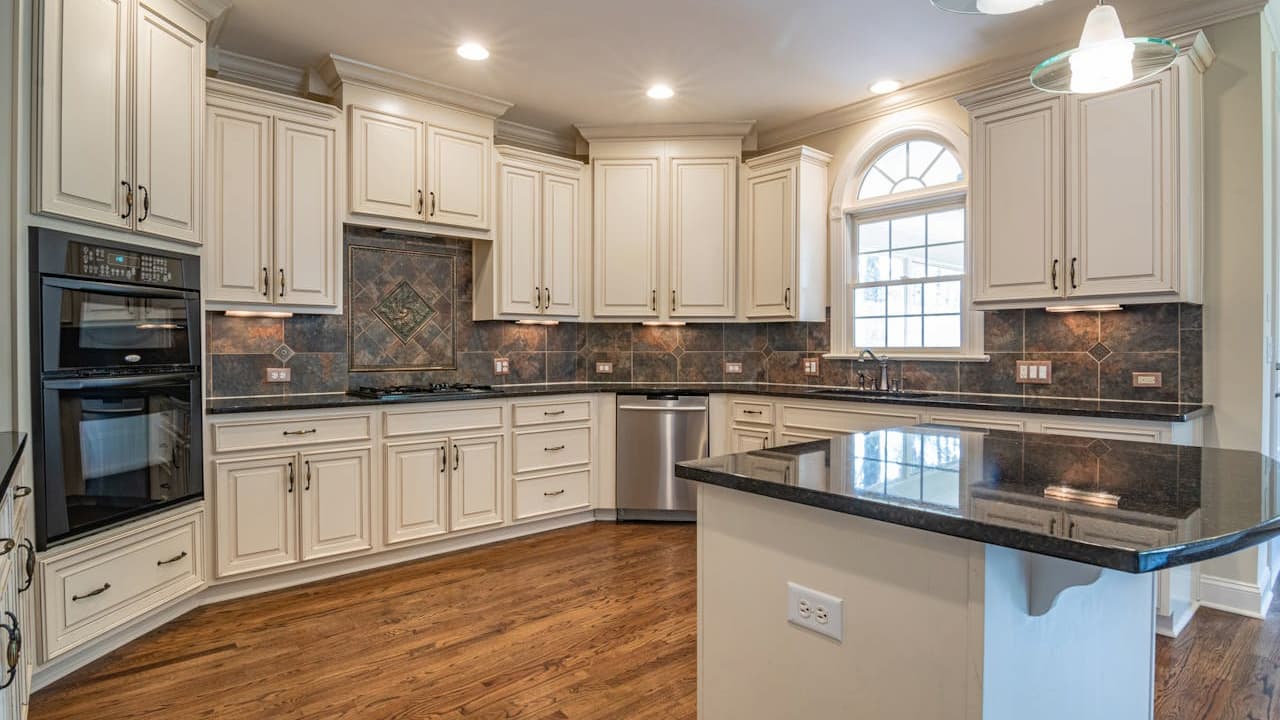
Lighting can make or break a kitchen. It’s not just about having enough light to see what you’re doing, but also about creating the right ambiance. Many homeowners regret not having enough lighting options in their kitchen. Incorporate a mix of task, ambient, and accent lighting to give your kitchen a well-rounded lighting plan.
8. DIY Kitchen Islands

While DIY projects can be fun and budget-friendly, a DIY kitchen island might not be the best choice. Unless you’re an expert carpenter, there’s a good chance your homemade island won’t be as sturdy or functional as a professionally made one. Plus, a poorly made island can be an eyesore in your otherwise beautiful kitchen. As one user on Ideal Home put it, “it looked great on Pinterest, but not so much in reality.”
9. Overly Industrial Design Elements

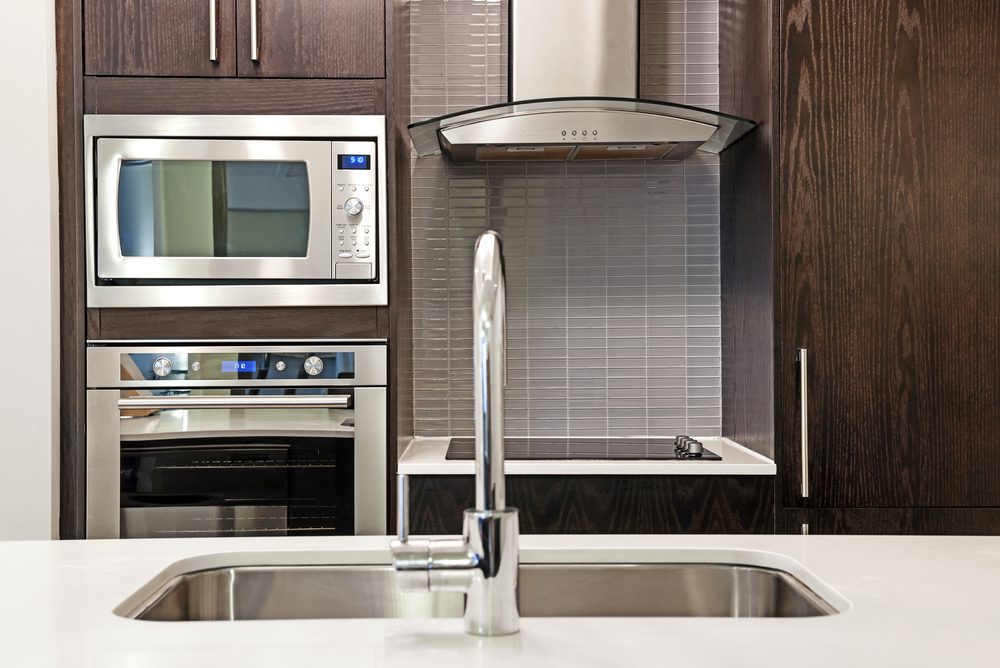
Industrial design elements can add character to your kitchen, but too much can make it feel cold and impersonal. Overuse of concrete, metal, and exposed pipes can overwhelm the space and make it feel less cozy. Balance is key when incorporating industrial elements into your design.
10. Oversized Range Hoods

A statement range hood can be a stunning focal point in a kitchen. However, an oversized one can dominate the space and make it feel cramped. Plus, they can be quite expensive and take up valuable cabinet space. Before you fall in love with a giant range hood, make sure it fits well within your kitchen layout and budget.
11. Lack of a Functional Kitchen Triangle
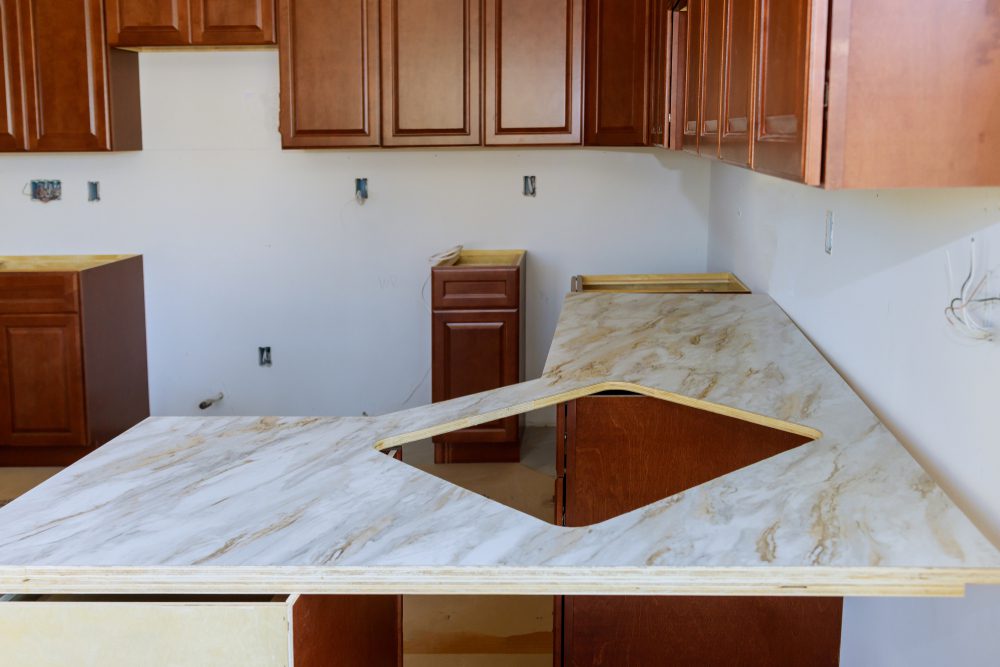
The kitchen triangle, which refers to the arrangement of the sink, stove, and refrigerator, is a fundamental design principle. If these three elements are too far apart, it can make cooking and cleaning up more difficult. Many homeowners regret not considering the kitchen triangle in their designs. As a study published by the Royal Society suggests, a well-planned kitchen layout can significantly improve efficiency.
12. Too Much White

A white kitchen is classic and can make a small space seem larger. However, an all-white kitchen can also feel sterile and cold. Plus, it shows dirt and spills easily. If you love the look of a white kitchen but want to avoid these issues, consider adding some color to your cabinets, backsplash, or accessories.
13. Excessive Use of Marble

Marble countertops are beautiful and luxurious, but they’re also porous and can stain easily. They require regular sealing and careful maintenance. Many homeowners regret choosing marble when they realize how much work it requires to keep it looking pristine. If you’re set on marble, make sure you’re ready for the upkeep.
14. Overly Customized Layouts and Appliances

Customizing your kitchen to suit your exact needs and tastes can be a dream come true. However, overly customized layouts and appliances can be a problem for future resale. Not everyone might share your love for a wine fridge or a six-burner stove. Plus, custom appliances can be more expensive to repair or replace. Remember, it’s important to balance your personal tastes with practicality and resale value.
In conclusion, while it’s important to have a kitchen that reflects your personal style, it’s also crucial to consider functionality, practicality, and long-term appeal. By avoiding these common design regrets, you can create a kitchen that you’ll love for years to come. Happy designing!