



Home insurance is an essential part of home ownership, offering an essential safety net in case of unforeseen damages or disasters. However, there are numerous ways you could accidentally void your policy, leaving you without coverage when you need it most. It’s crucial to understand the terms and conditions of your policy to avoid making mistakes that could potentially lead to a claim denial.
These are 14 common mistakes that could void your home insurance.
1. Failure to Disclose Full Information


When you apply for home insurance, it is critical to disclose all relevant information to your insurer. This includes details about your property, its construction, and any past claims you may have made. If you provide incorrect or incomplete information, your insurer may void your policy.
For instance, if you fail to disclose that your property has a flat roof – a feature commonly associated with higher insurance risks – and it subsequently suffers damage, your insurer could refuse to cover the claim. To avoid this, always ensure that you give complete and accurate information about your property when applying for insurance.
2. Not Updating Your Policy After Home Improvements


If you make significant improvements to your home, such as adding an extension or installing a new kitchen, it’s essential to update your home insurance policy. These changes can increase the value of your property, and if you don’t inform your insurer, they may not be covered in case of damage.
Imagine you’ve built a new garage but haven’t updated your insurance policy. If a fire destroys the garage, you might find that your insurer won’t cover the cost of rebuilding it because they weren’t informed of its existence. To avoid this, always update your insurance policy after making significant home improvements.
3. Neglecting Regular Maintenance

Home insurance is not a substitute for regular home maintenance. If your home suffers damage due to neglected maintenance, your insurer may refuse to cover the claim. For example, if your roof develops a leak due to lack of maintenance and this causes water damage inside your home, your insurance claim may be denied.
To avoid this, it’s essential to maintain your home regularly. This includes tasks like cleaning gutters, checking roofs for damage, and ensuring your home’s plumbing and heating systems are in good working order. Regular maintenance not only prevents damage but also helps you spot potential problems before they become serious.
4. Running a Business From Home Without Informing Your Insurer

If you run a business from your home, it’s crucial to inform your insurer. Many standard home insurance policies do not cover business-related risks. If you fail to notify your insurer about your home-based business, they could void your policy or refuse to cover a claim.
For example, if a client visiting your home office slips on your stairs and gets injured, your home insurance policy may not cover their medical bills if your insurer wasn’t aware you were running a business from home. To avoid this, always inform your insurer if you’re running a business from home and consider taking out additional business insurance if necessary.
5. Leaving Your Home Unoccupied for Extended Periods

Many home insurance policies stipulate that if you leave your home unoccupied for a certain period (often 30 days), your coverage may be void. This is because unoccupied properties are at higher risk of theft, vandalism, and damage.
If you plan to be away from home for an extended period, inform your insurer in advance. They may be able to provide you with unoccupied property insurance to cover your home while you’re away. Additionally, consider asking a trusted friend or neighbor to check on your property regularly to deter potential burglars.
6. Not Having Adequate Security Measures
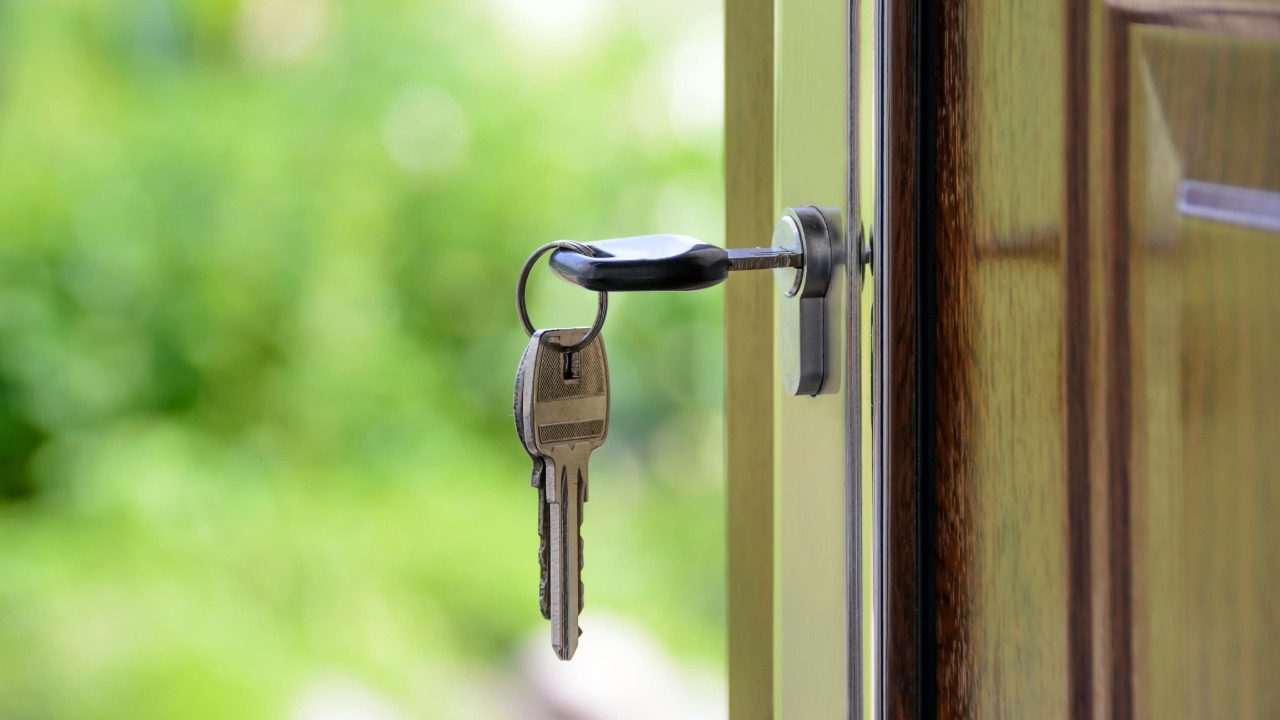
Insurers often require certain security measures, such as burglar alarms and secure locks on doors and windows. If you don’t have these measures in place, or if they’re not functioning correctly, it could void your policy.
For example, if your home is burgled but you didn’t have a functioning burglar alarm as required by your policy, your insurer might refuse to cover the claim. To avoid this, review your policy to understand what security measures are required and ensure they are in place and in good working order.
7. Not Informing Your Insurer About Changes in Occupancy

If the people living in your home change – for example, if you rent out a room or your children move out – it’s essential to inform your insurer. Such changes can affect your risk profile, and failing to notify your insurer could void your policy.
For instance, if you rent out a room and your tenant causes damage to your property, your insurer might refuse to cover the claim if they were not informed about the tenant. To avoid this, always notify your insurer about any changes in the occupancy of your home.
8. Renting Out Your Home on Short-Term Rental Sites

Renting out your home on short-term rental sites like Airbnb can be a great way to earn extra income, but it could also void your home insurance policy. Many insurers view short-term rentals as a business activity, which is not covered under standard home insurance policies.
If a guest causes damage to your property or gets injured while staying at your home, your insurer might refuse to cover the claim if they were not informed about your rental activity. To avoid this, always notify your insurer if you plan to rent out your home, and consider purchasing additional coverage specifically designed for short-term rentals.
9. Making Regular Claims

Filing numerous claims, even for small amounts, can lead to your insurer viewing you as a high-risk client, potentially leading to higher premiums or even policy cancellation. While it’s crucial to file a claim when necessary, consider dealing with minor repairs out of pocket to avoid being flagged as high-risk.
For instance, if you have a $500 deductible and a $600 repair, you might consider paying for the repair yourself rather than filing a claim for only $100. Over time, making regular small claims can increase your premiums and possibly result in policy cancellation.
10. Not Inventorying Your Possessions

Failing to keep an inventory of your possessions can make it difficult to prove their value if you need to make a claim. Most insurers require proof of purchase or ownership to reimburse you for stolen or damaged items.
It’s a good practice to keep an updated inventory of your possessions, including photos and receipts, in case you need to file a claim. If you have high-value items, like jewelry or artwork, you may need to insure them separately.
11. Owning Certain Breeds of Dogs

Believe it or not, owning certain breeds of dogs could void your homeowners insurance. Some insurers consider certain breeds high-risk because they’re statistically more likely to bite and cause injuries.
Before you bring a new dog into your home, check with your insurance company to see if they have restrictions on dog breeds. If they do, you may need to seek additional liability coverage or find an insurer that doesn’t discriminate based on breed.
12. Failing to Pay Your Premiums on Time

This might seem like a no-brainer, but failing to pay your insurance premiums on time can result in your policy being cancelled. Most insurers will give you a grace period, but if you exceed this, your coverage may be revoked.
To avoid this, set up automatic payments or calendar reminders to ensure you never miss a payment. Remember, without insurance, you could be financially responsible for any damages to your home.
13. Not Keeping Up with Building Codes
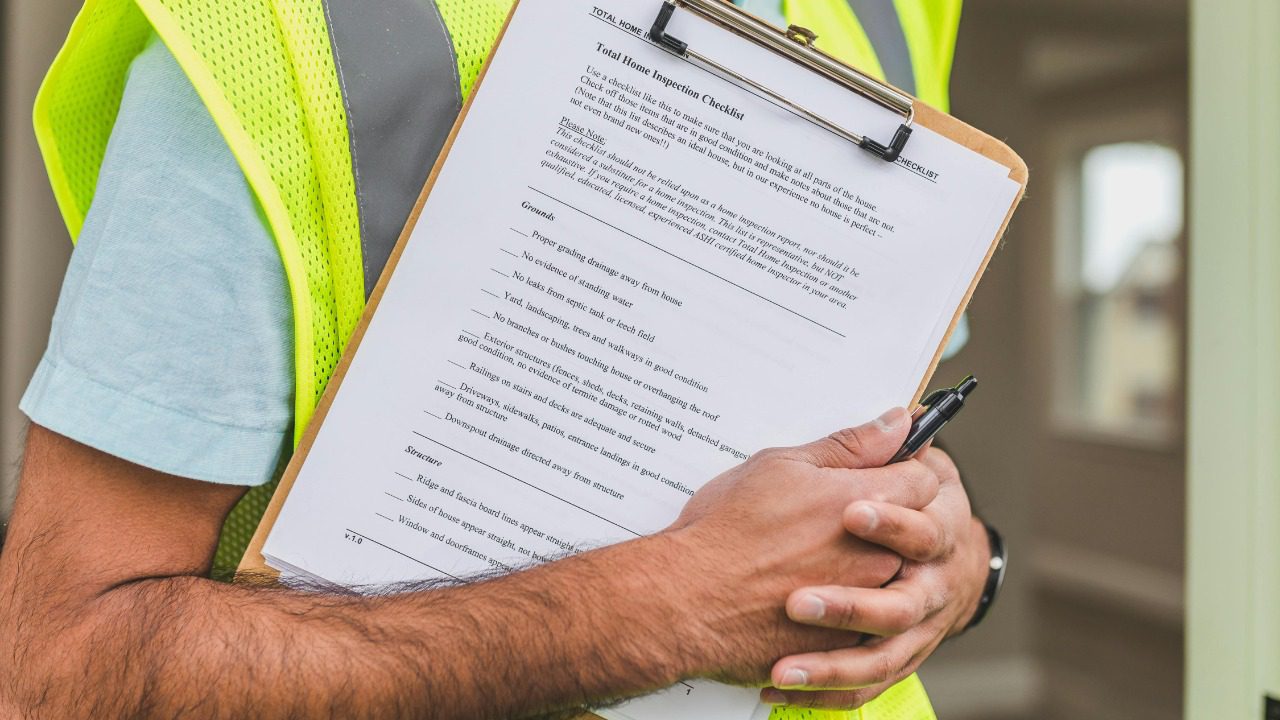
If your home isn’t up to local building codes and standards, your insurance may not cover you in the event of a disaster. For example, if your area is prone to earthquakes and your home doesn’t meet the local seismic codes, your insurer could refuse to pay out if your home is damaged in an earthquake.
To avoid this, make sure your home complies with all local building codes. This may involve investing in updates or renovations, but it’s worth it to ensure your insurance coverage is valid.
14. Using Your Home for Illegal Activities

Using your home for illegal activities is a surefire way to void your home insurance. This could include anything from growing illegal substances to running an unlicensed business.
Not only are these activities illegal, but they could also lead to your insurance policy being cancelled. Keep in mind that insurance is designed to cover unexpected accidents and disasters, not illegal activities.
Remember, your home insurance is there to protect you and your property from unexpected disasters. Avoiding these common mistakes can help ensure your policy remains valid and provides the coverage you need when you need it most. Stay informed, be proactive, and don’t hesitate to ask your insurer if you’re unsure about any aspects of your policy.