

Have you ever felt overwhelmed by clutter? Or perhaps you’ve tried to organize your space only to find it in disarray again a few weeks later? I know I have. I’ve committed every organizing mistake in the book. But I’ve learned a lot from these mistakes, and today, my home is more organized and peaceful than ever.
Let’s dive into the 14 organizing mistakes I made before I learned better. Maybe you’ll see some of your own past blunders in my list—and learn how to avoid them in the future.
1. Buying Organizing Products Before Decluttering


This was one of my major blunders. I would get excited about the prospect of organizing, rush to the store, and buy lots of bins, boxes, and organizers, only to discover that I didn’t have enough stuff to fill them, or they didn’t fit my space properly.
Before you invest in any organizing product, start by decluttering. This way, you’ll have a clear idea of what you actually need. Measure your space and plan what type of organizer would be best, rather than buying on impulse. This strategy not only saves money but also prevents adding more clutter to your space.
2. Organizing Everything at Once


I used to think that I could overhaul my entire house in a day. I was wrong. Trying to organize everything at once only led to burnout and a half-finished mess.
Instead, break down your organizing project into manageable chunks. Start with one room or even one drawer. Celebrate your progress and maintain momentum by moving to the next space only after you’ve finished the current one. This way, you’ll be less overwhelmed and more likely to complete the task.
3. Not Labeling Items


Earlier, I used to put things in boxes and bins without labeling them. This led to a lot of confusion and wasted time when I needed to find something.
Labeling storage containers, even if you think you’ll remember what’s inside, is essential. It’s especially helpful when you have multiple boxes or bins that look the same. Simple handwritten labels, printable labels, or even a label maker can make a world of difference in keeping you organized.
4. Ignoring Vertical Space

I used to only focus on horizontal surfaces for storage. This led to cluttered countertops and overstuffed drawers while completely ignoring the vertical space in my home.
Remember, walls, doors, and the sides of furniture can all serve as extra storage space. Install shelves, hooks, or over-the-door organizers to maximize your space. Vertical storage not only helps in decluttering but also makes your space look bigger.
5. Not Having a Designated Space for Everything

One of my biggest mistakes was not having a specific place for each item. As a result, things would end up in random spots, causing clutter and confusion.
Every item in your house should have a home. When each item has a designated space, it’s easier to put things away and find them when you need them. This rule applies to everything, from your keys to your kitchen appliances.
6. Keeping Items ‘Just in Case’


I used to keep items that I didn’t need or use, thinking that I might need them ‘someday’. This only resulted in unnecessary clutter.
If you haven’t used something in a year, it’s time to let it go. Donate, sell, or recycle items that you don’t need or love. It’s better to have space for the things that truly matter to you than to hold onto things ‘just in case’.
7. Letting Paper Pile Up
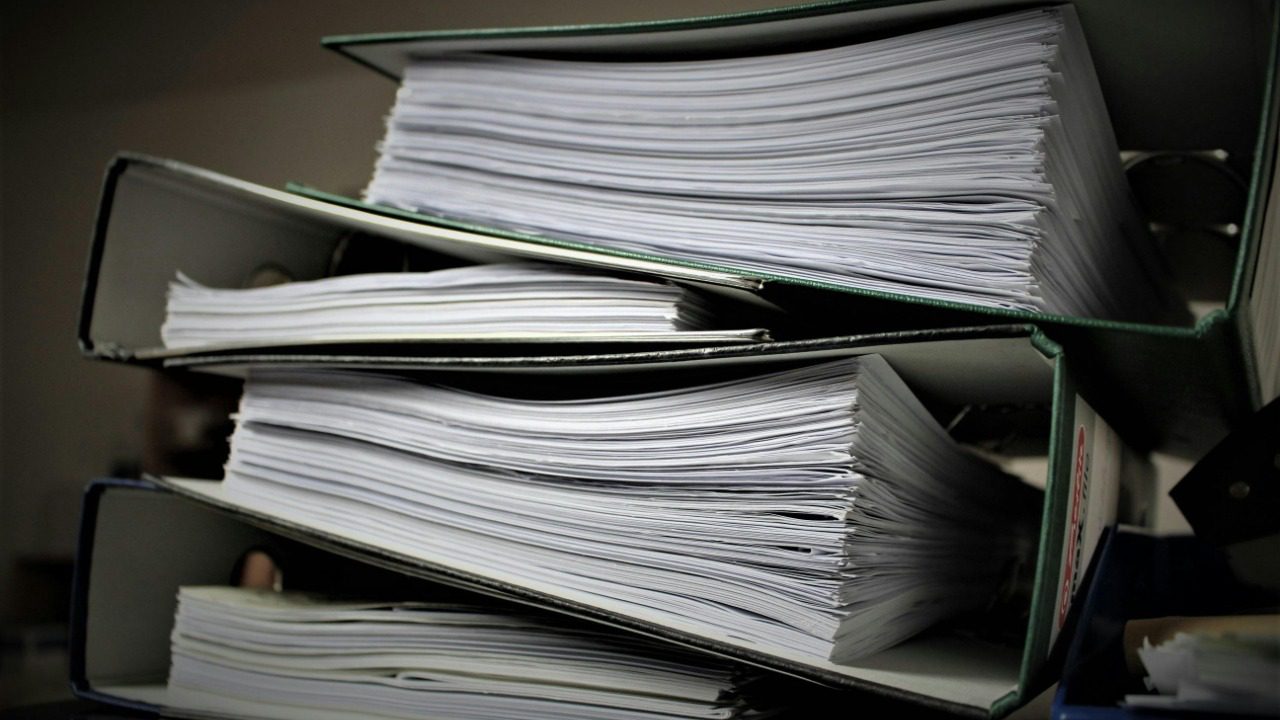
I used to let mails, receipts, and other paper documents pile up, thinking I would deal with them later. But ‘later’ rarely came, and the pile kept growing.
Deal with paper documents as they come in. Discard junk mail immediately, file important documents, and digitize receipts or bills if possible. A simple filing system can help keep paper clutter under control.
8. Not Having a Regular Maintenance Routine


I used to organize a space and then forget about it, assuming it would stay organized. But without regular maintenance, it would quickly revert to chaos.
Organizing is not a one-time task. It requires regular maintenance. Schedule time each week to tidy up and reorganize if needed. This way, you’ll stay on top of clutter and your space will remain organized.
9. Keeping Things Out of Sentiment

I used to hold onto items that had sentimental value but served no practical purpose. This led to clutter and made it harder to find and enjoy the items that truly mattered to me.
It’s perfectly fine to keep items that have sentimental value, but it’s important to be selective. Keep only those items that truly bring you joy and let go of the rest. You can take photos of items before letting them go, to keep the memories without the clutter.
10. Storing Items Far from Their Usage Area

I used to store items wherever there was space, not considering how often I used them or where I used them. This led to a lot of inefficiency and frustration.
Store items close to where you use them. Keep your coffee mugs near the coffee machine, your pots and pans near the stove, and so on. This will make your daily tasks easier and more efficient.
11. Not Utilizing Hidden Storage

I used to overlook spaces like the area under the bed or the back of a closet door as potential storage areas.
Hidden storage areas can be a game-changer when it comes to organizing. Utilize the space under your bed for out-of-season clothes or extra linens. Use the inside of closet doors to hang jewelry or scarves. Get creative with your storage solutions.
12. Not Asking for Help

I used to think that I had to do all the organizing myself. This was not only overwhelming but also time-consuming.
Don’t hesitate to ask for help, be it from a family member, a friend, or a professional organizer. Delegating tasks can make the process more manageable and less stressful.
13. Not Taking into Account My Habits and Lifestyle
I used to try to implement organizing systems that didn’t fit my lifestyle or habits. This led to frustration and the systems quickly fell apart.
When organizing, consider your habits and lifestyle. If you’re a night owl, an early morning cleaning routine might not work for you. Tailor your organizing systems to fit your individual needs and they’re more likely to stick.
14. Not Celebrating Progress

I used to focus on what I hadn’t done instead of celebrating what I had accomplished. This led to feelings of overwhelm and made the task of organizing feel endless.
Celebrate your progress, no matter how small. Did you clear off a cluttered countertop? Celebrate it. Did you declutter a drawer? Celebrate it. Celebrating progress keeps you motivated and makes organizing feel less like a chore.