


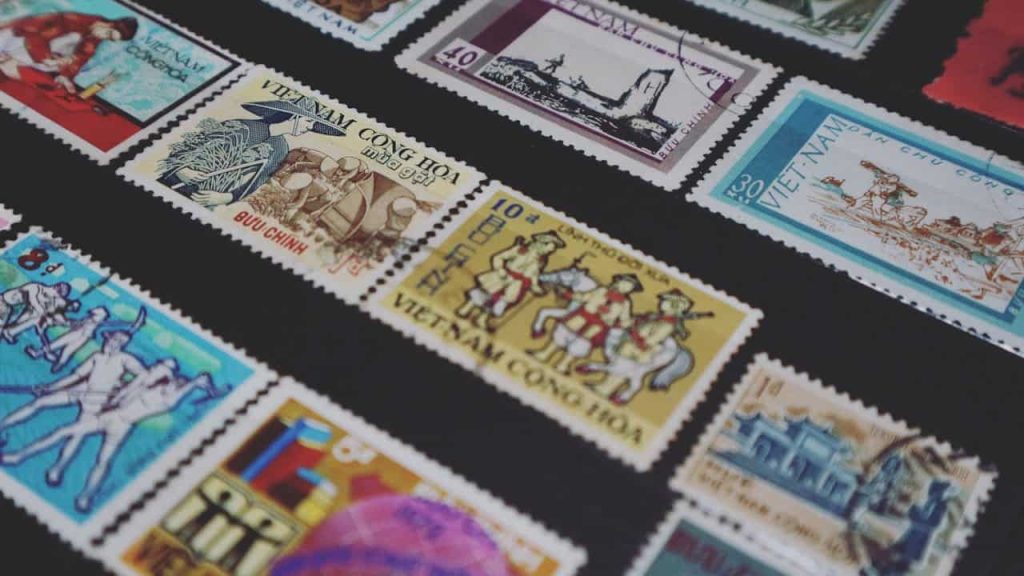
You might be surprised to learn that some of the rarest stamps in the world could be hiding in your junk drawer. Collecting stamps isn’t just a hobby for a few—it’s a window into history, art, and sometimes, unexpected value.
Knowing what to look for can help you spot hidden gems without needing expert skills. These stamps often have unique features like printing errors or historical significance that make them stand out from everyday postage.
Inverted Jenny (1918)

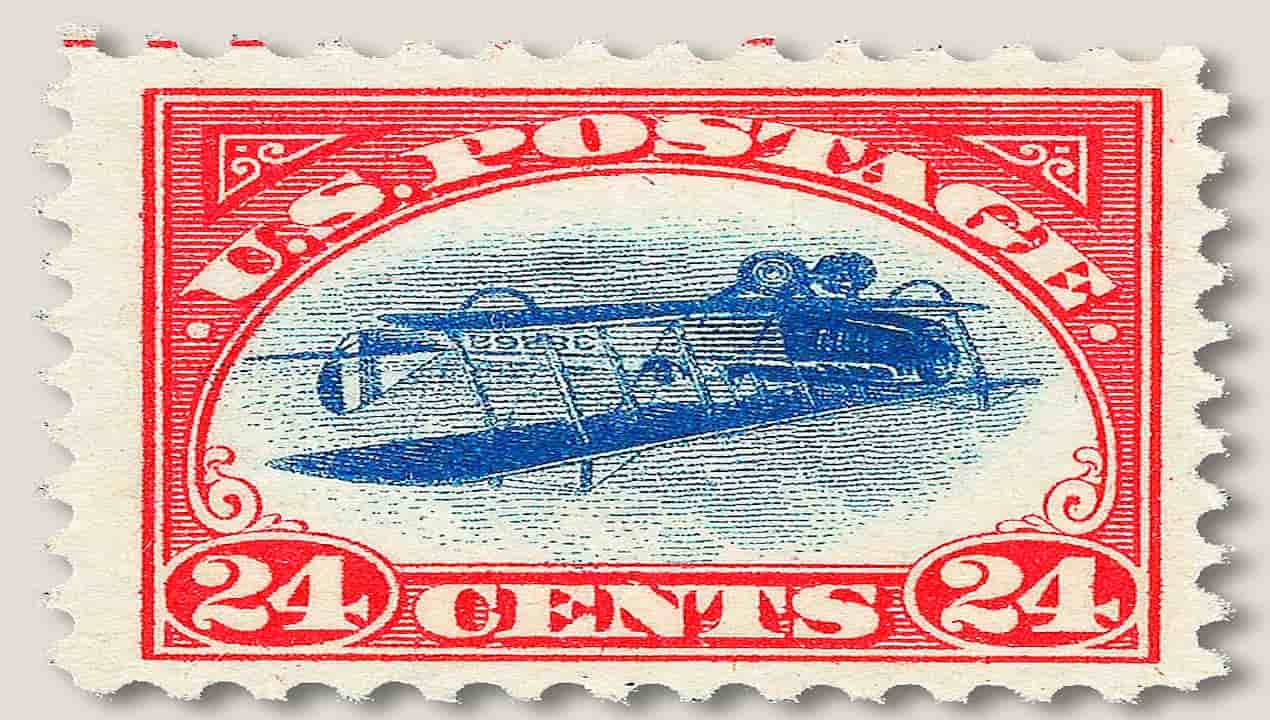
You might come across the Inverted Jenny, a famous 24-cent U.S. stamp from 1918. What makes it special is the upside-down airplane printed by mistake.
If you find one, it’s rare because only a small number were made before the error was caught.
British Guiana 1c Magenta

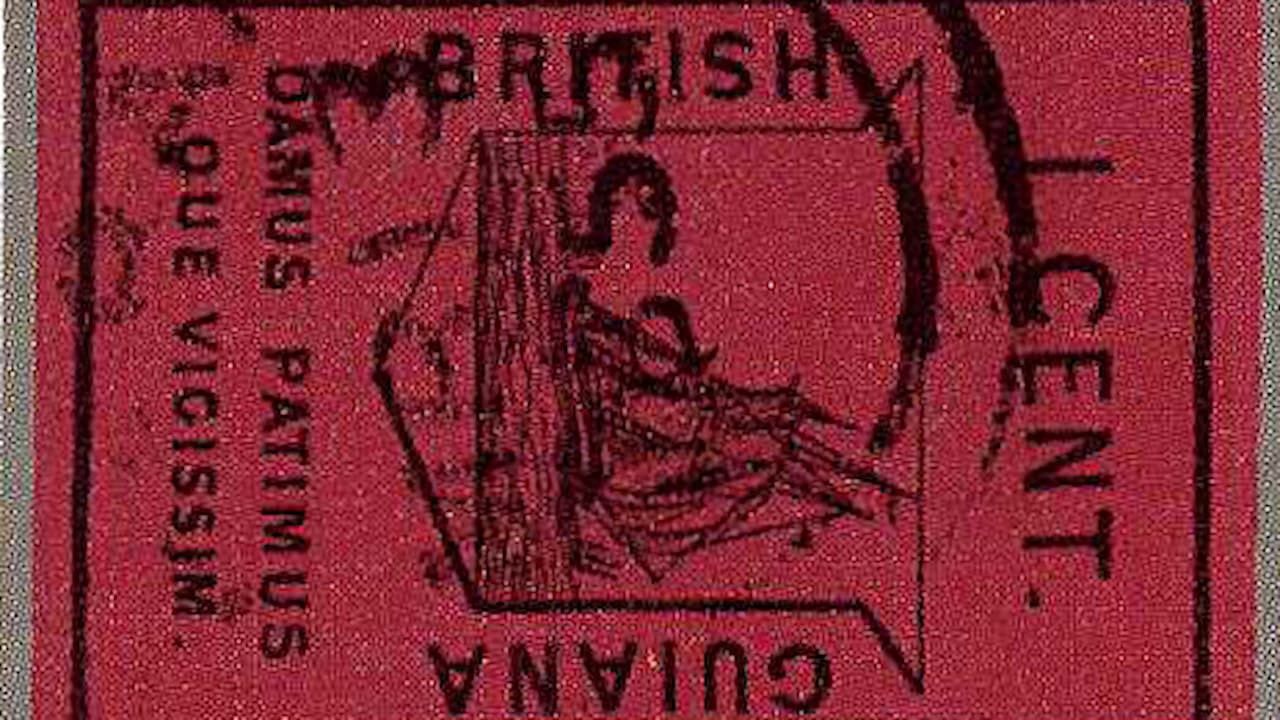
If you find a British Guiana 1c Magenta, you’re holding one of the rarest stamps in the world. It was printed in limited numbers in British Guiana and is highly prized by collectors.
This stamp is famous for its unique design and scarcity.
Treskilling Yellow (Sweden)


If you stumble upon a yellow Swedish Treskilling stamp from 1855, you might be holding a rare treasure. This stamp is famous for its unique color error—most were printed in green.
Only one example is known to exist today, making it incredibly valuable.
Penny Black (1840)

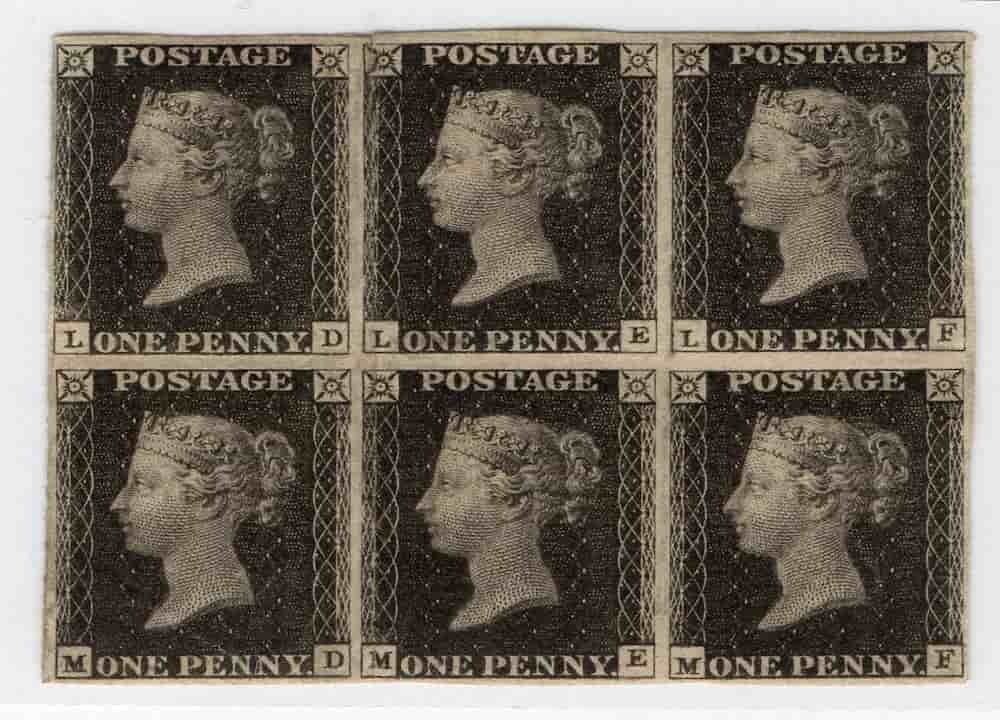
If you find a Penny Black in your collection, you have a piece of history. It was the world’s first official postage stamp, issued in May 1840 in the United Kingdom.
The stamp features Queen Victoria’s profile and helped change how mail was sent. Even used examples can be valuable, especially if they’re in good condition.
Keep an eye out for Penny Blacks with clear postmarks or unusual plates; these often catch the interest of collectors.
Hawaiian Missionaries
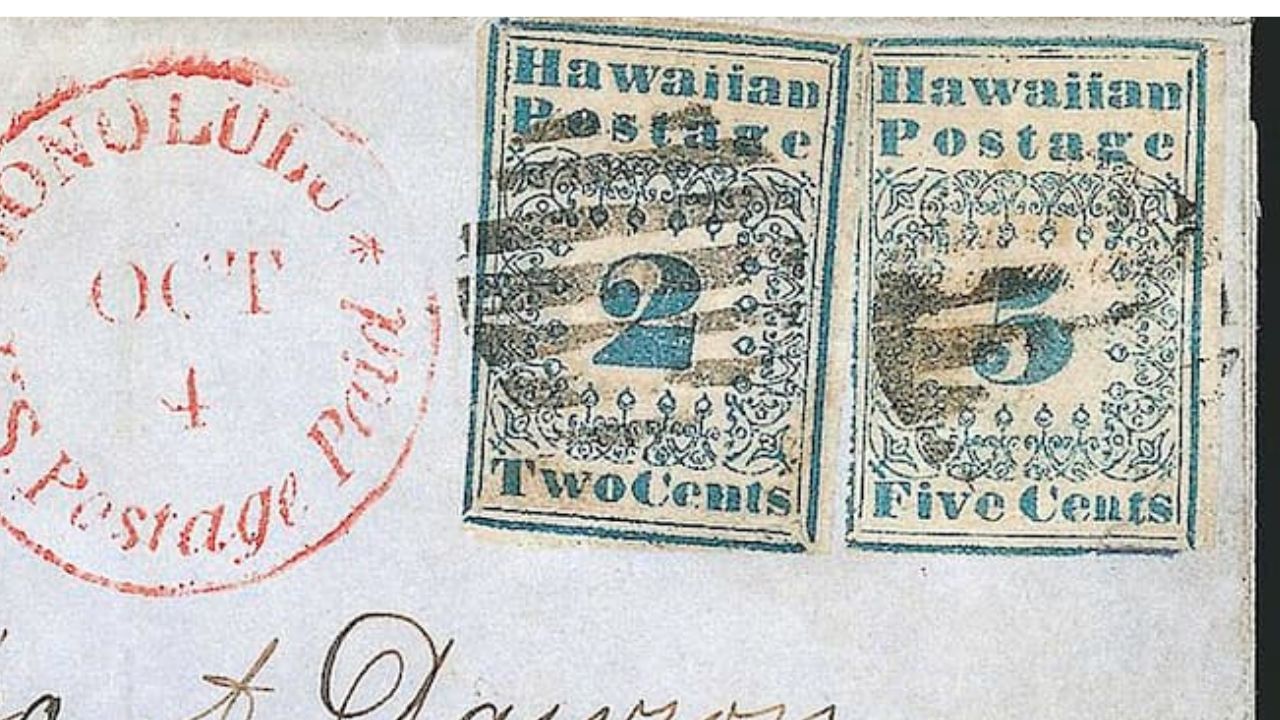
If you stumble upon an old stamp from Hawaii, it might be a Hawaiian Missionary. These were the first stamps issued by the Kingdom of Hawaii in 1851.
They are small, simple, and come in denominations of 2, 5, and 13 cents.
Though rare, these stamps could be in your collection without you knowing their history or value. Keep an eye out for their basic blue or red designs.
Basel Dove (Switzerland)

If you stumble upon a Basel Dove stamp, you’ve found a piece of history. It was issued in 1845 and is known as the world’s first tri-color stamp.
You’ll notice a striking white dove design, which stands out in black, blue, and carmine colors. These stamps are rare and prized by collectors because of their age and unique printing.
Even a slightly worn Basel Dove in your collection could be worth more than you expect.
Mauritius “Post Office” Stamps
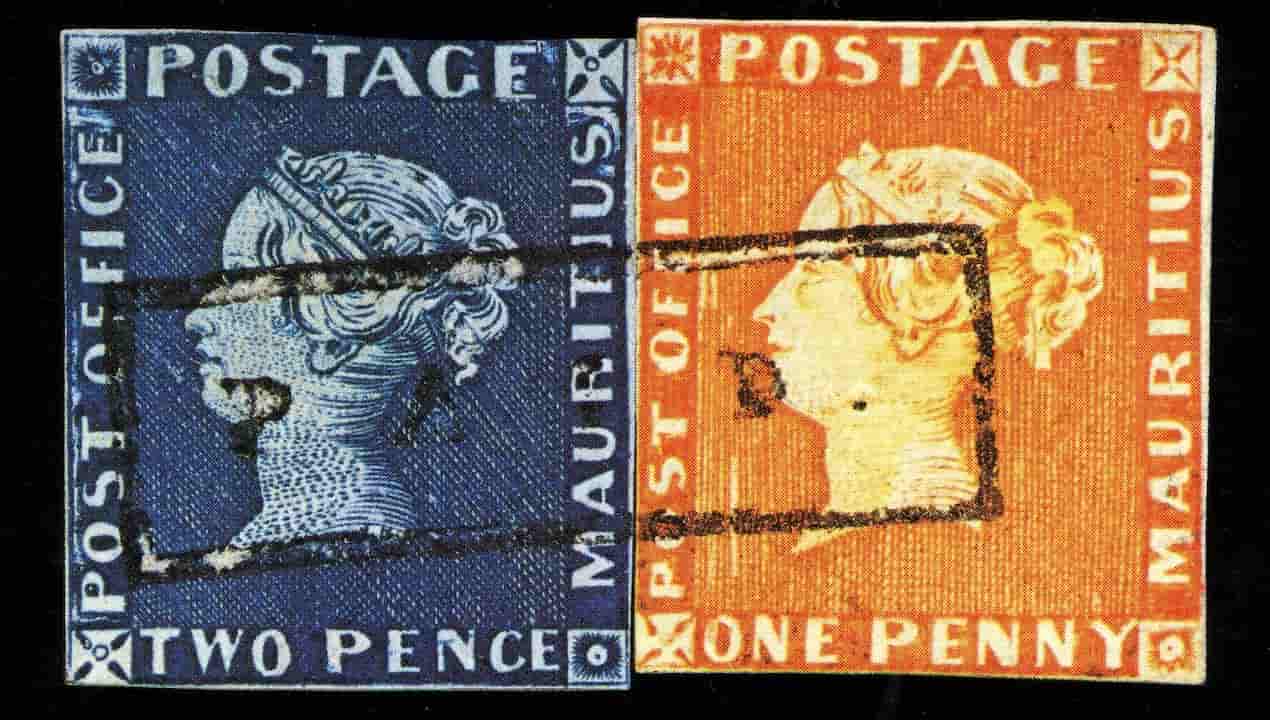
If you find a stamp from Mauritius dated 1847, it might be one of the rare “Post Office” issues. There were only two types: a one penny red and a two pence blue.
These stamps are very scarce; only a few examples are known to exist. They have a special place in stamp collecting because of their age and rarity.
Bermuda 12 Penny Black

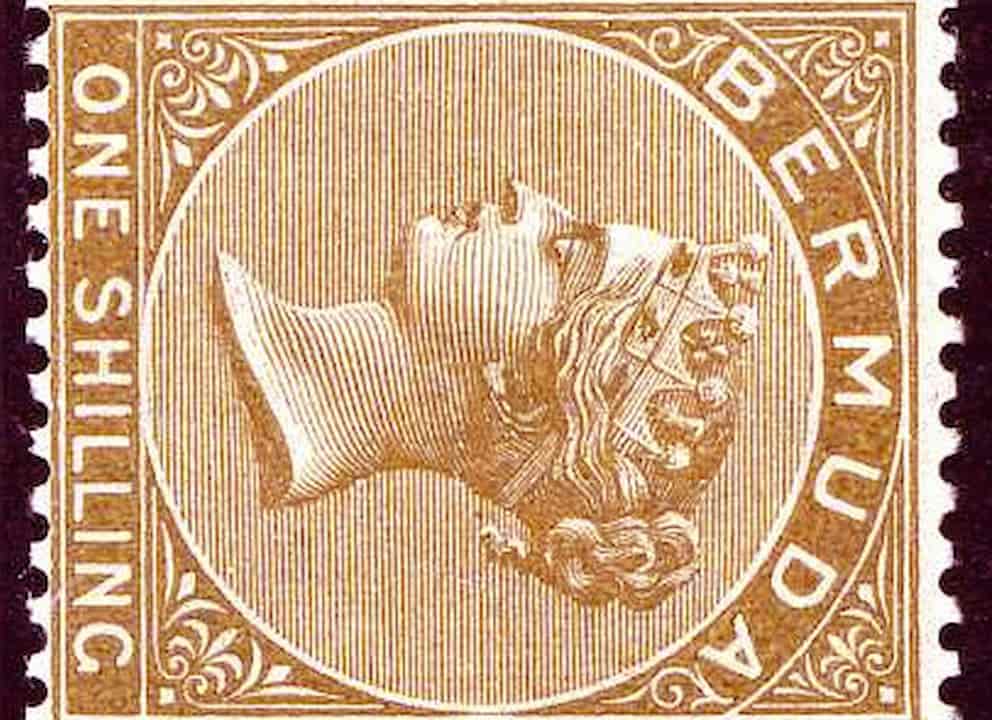
If you have a Bermuda 12 Penny Black stamp, you might be holding a rare piece of postal history. These stamps are sought after by collectors because of their age and limited print.
Your stamp could be similar to the famous Penny Black from 1840, but with Bermuda’s distinct designs. Finding one unused or in good condition makes it even more valuable.
Checking the details like the Queen Victoria image and any surcharges can help confirm its rarity.
U.S. 5-cent Lincoln Stamp (1909)
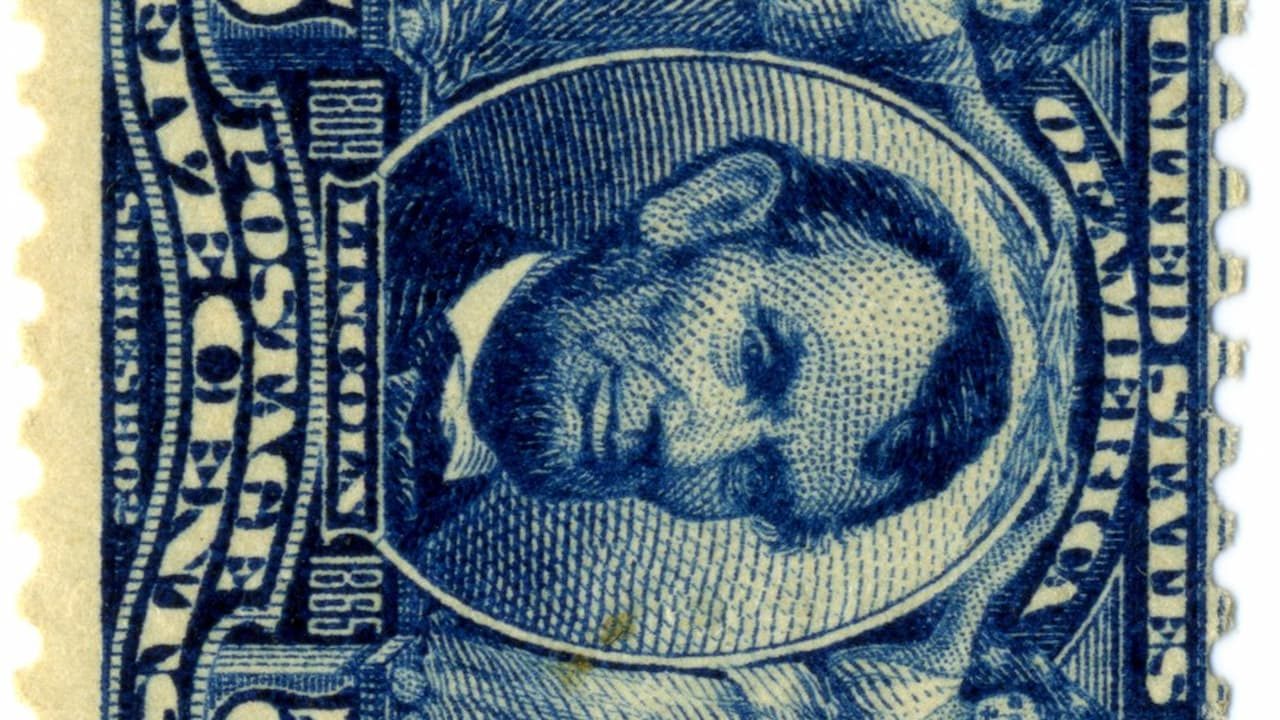
You might come across the 1909 5-cent Lincoln stamp, which honors the 100th anniversary of Abraham Lincoln’s birth. It features a detailed portrait of Lincoln in red.
This stamp is popular with collectors because of its historical significance.
1847 U.S. 10-cent Washington Stamp
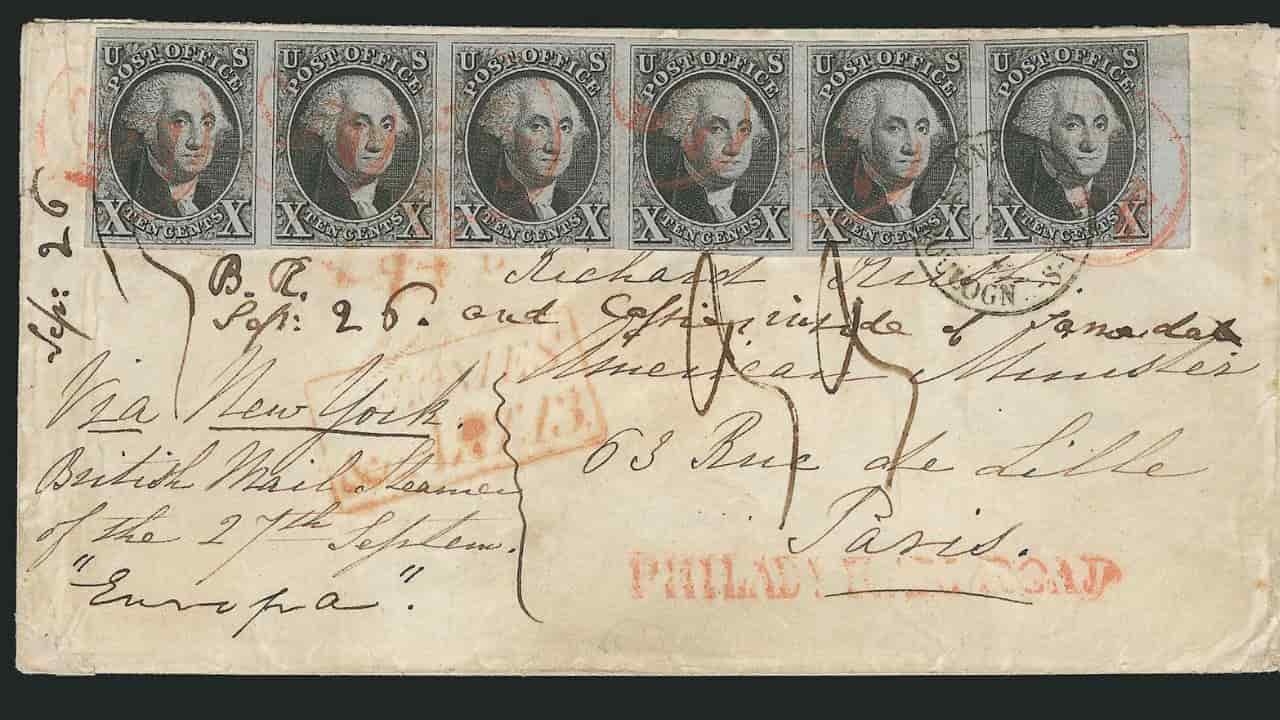
If you find an old black 10-cent stamp with George Washington’s portrait, you might have a piece of history. This stamp was among the first issued by the U.S. in 1847.
Its simple design features Washington’s profile on thin bluish paper. Because it’s so old, collectors highly value it, especially if it’s in good condition.
Orange Free State ‘Dues’
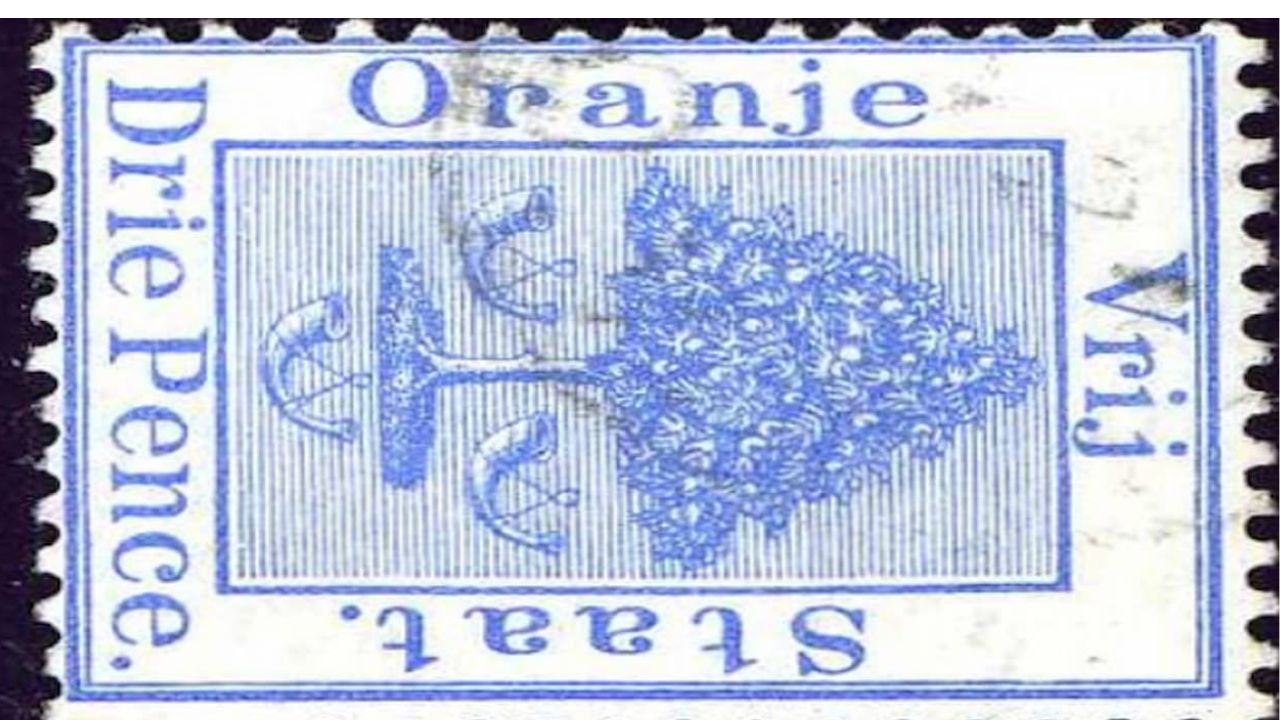
You might find rare Orange Free State fiscal or revenue stamps in your collection. These “dues” were used between 1882 and 1890 to indicate payment of fees or taxes.
Many of these stamps, like the gray-green ones marked SG F14a L3, are very rare. If you spot one, it could be a unique addition to your stash.
Keep an eye out for unusual postmarks from smaller towns. They add to the stamp’s story and value.
Japanese Cherry Blossom Errors
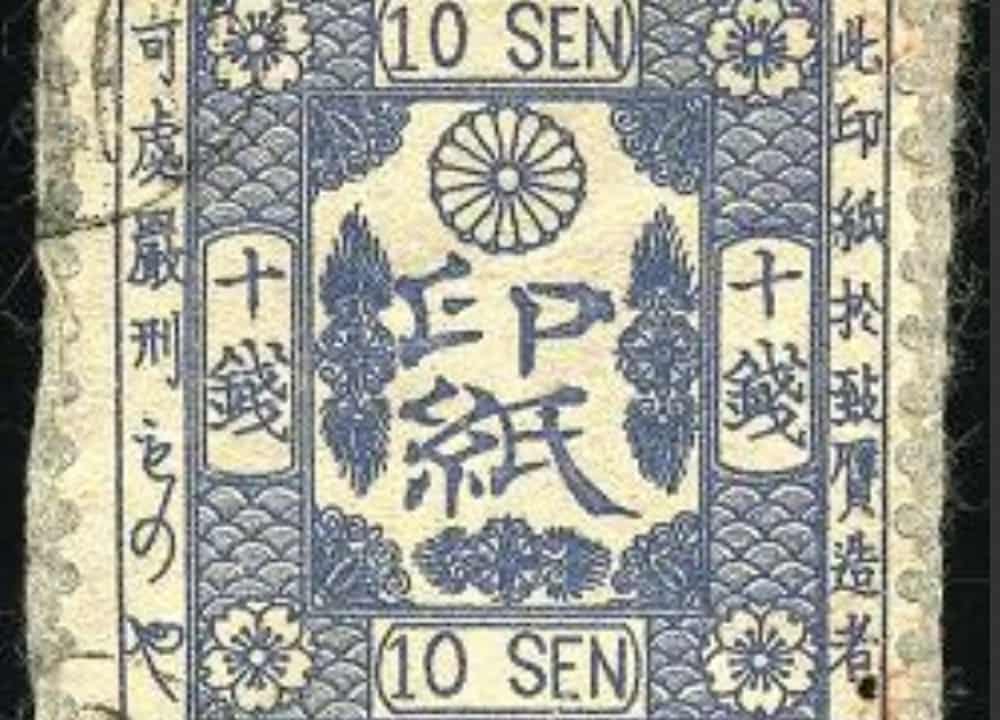
If you happen to find a Japanese Cherry Blossom stamp, take a closer look. Some of these stamps have small errors, like the syllabics used or the way cherry blossoms touch the frame.
These details help you spot genuine stamps from forgeries. For example, genuine stamps show blossoms touching the upper frame, while many fake ones do not.
Even small mistakes can make your stamp more interesting and valuable to collectors. Keep an eye out for numbers like 13, 14, or 16 on your Cherry Blossom stamps.
Canada 12d Black ‘Small Queen’
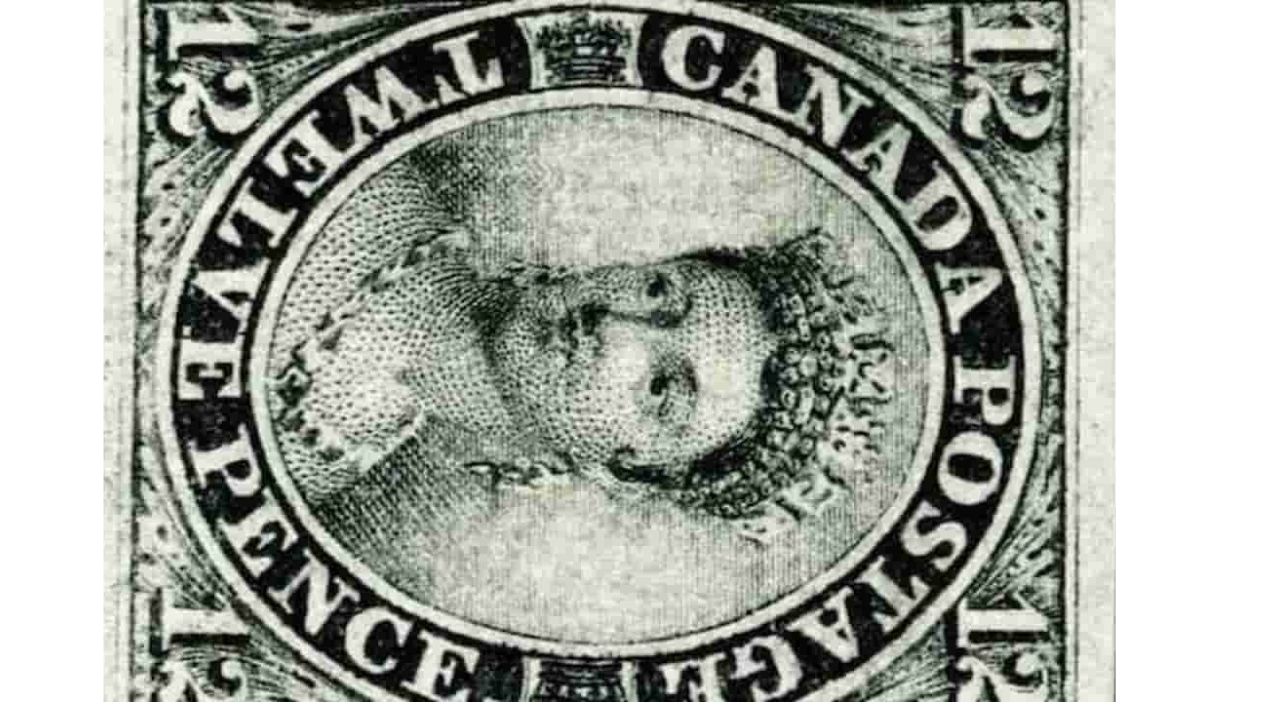
If you happen to find a Canada 12d Black stamp, you’re holding a piece of history. Issued in 1851, it features a young Queen Victoria and is known for its rare and classic design.
This stamp, sometimes called “The Black Empress,” is one of the rarest Canadian stamps. Even worn or used examples can catch the eye of collectors.
Keep in mind, its value depends a lot on condition, so if you find one in good shape, it might be worth a closer look.
India ‘Scinde Dawk’ Stamps

If you come across a Scinde Dawk stamp, you have a piece of history. These were the first stamps issued in Asia, starting in 1852.
They were embossed on wax wafers, which made them fragile. This often caused cracks or damage.
Finding one intact is rare. Keep an eye out—you might have a hidden gem in your collection.