



If you have some old books lying around, you might wonder if they hold any value. While not every worn-out book is worth money, certain signs can indicate that your collection could be more than just sentimental.
Knowing what makes a book valuable can help you decide if it’s worth investigating further. Understanding these signs can save you time and guide you in recognizing potential treasures among your old books.
First edition printings


If you have a book from the very first time it was published, it may be a first edition. These are copies printed before any major changes or reprints happened.
First editions often attract collectors, especially if they are in good shape. Look for clues like publisher details, printing numbers, or specific edition statements inside your book.
Keep in mind that not all first editions hold high value. Condition and rarity play big roles in how much your book might be worth.
Signed copies by the author

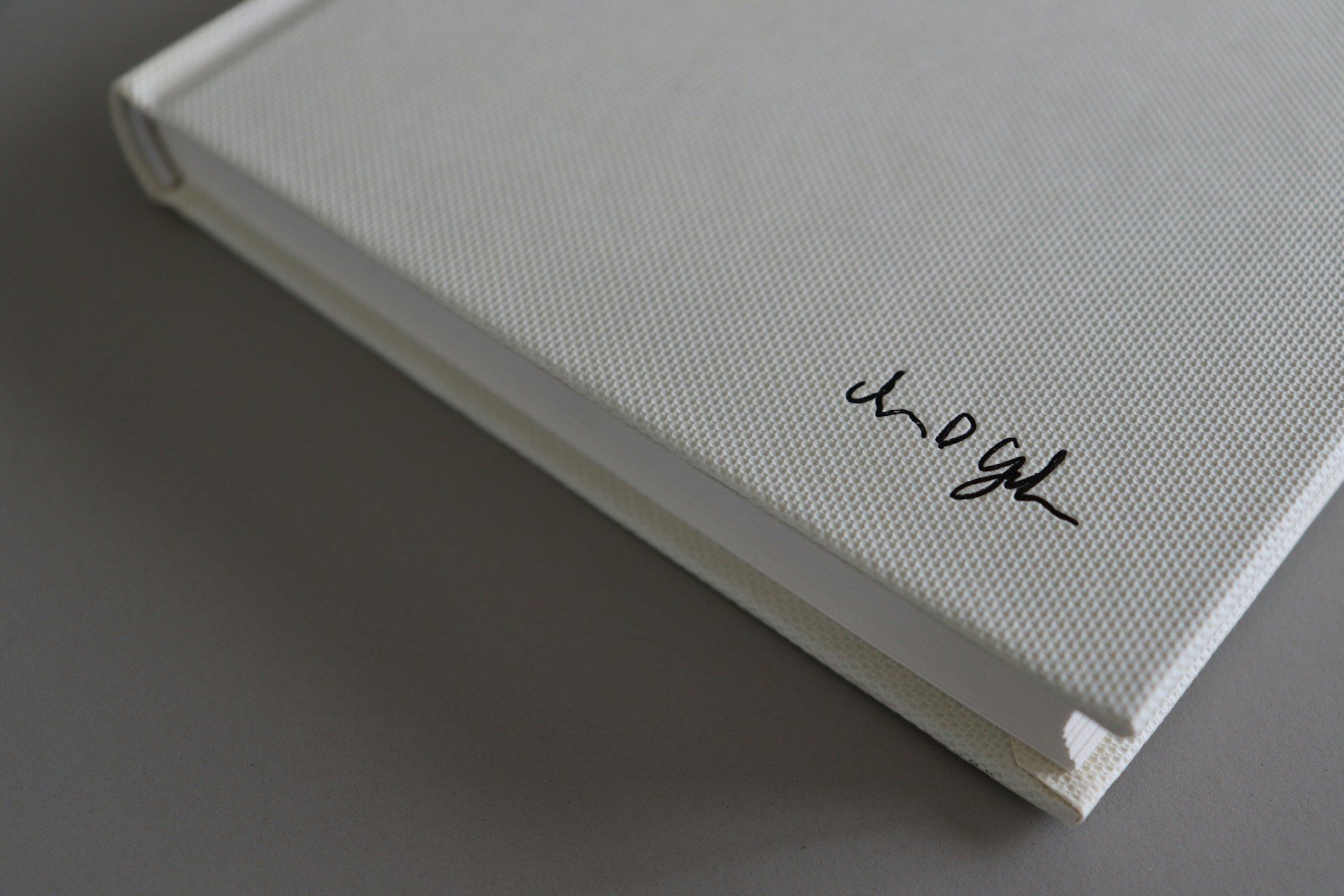
If your old book is signed by the author, it might be worth more than a regular copy. The value depends on how rare the signature is and the book’s overall condition.
A signed first edition in good shape usually holds more value. But if the author frequently signs books, your copy may not be worth much extra.
Remember, not all signatures increase value. It helps if the author is popular or if the book is a rare edition.
Books with intact dust jackets


If you have a book with its original dust jacket, that’s a good sign. Dust jackets protect the book and can make it more valuable, especially if they are in excellent condition.
Even small tears or wear can lower the value significantly. So, keep your jacket clean and handle it carefully.
In many cases, a dust jacket can add hundreds or even thousands to a book’s worth. It’s one detail collectors pay close attention to.
Rare or limited print runs


If your book was part of a rare or limited print run, it might be worth more than usual. These editions were printed in smaller quantities, making them less common to find.
Look for first editions or special printings, as they often have higher value. Limited print runs can include signed copies or unique bindings, which might also increase worth.
High-quality or unique illustrations


If your old book has detailed or hand-drawn illustrations, it could be more valuable. Artists’ original work or unique prints often attract collectors.
Look for books with colored plates, engravings, or illustrations by well-known artists. Sometimes, unusual or rare images make your book stand out.
Signed or limited-edition illustrated copies tend to hold extra appeal. Check the quality and distinctiveness of the artwork carefully.
Books by historically important authors


If your book was written by a well-known or historically important author, it could be worth something. First editions or early printings by such authors often attract collectors.
Look for names that have had a significant impact on literature, history, or culture. Signed copies or those with unique features from these authors may be more valuable.
Remember, the author’s significance can increase interest, but condition and rarity still play big roles in value.
Books published before 1950

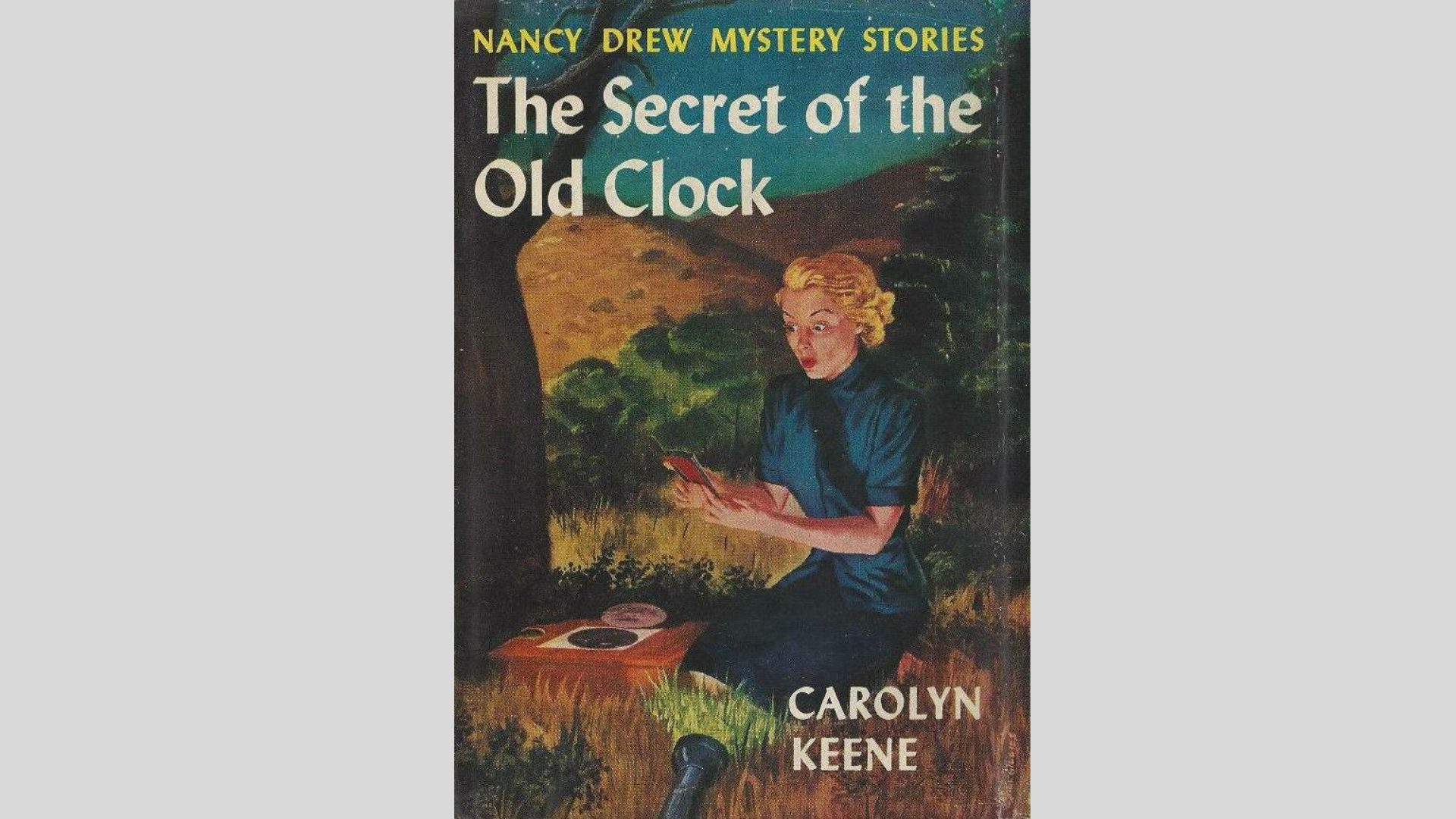
If your book was published before 1950, it might have a higher chance of being valuable. Older books can be rare, especially if they are in good condition.
You should check the edition and print run, as first editions or limited prints usually matter more.
Also, books from this period may have historical or cultural significance, which might add to their value. Keep in mind, condition and demand affect worth as much as age.
Books with notable provenance or ownership


If your book once belonged to a famous person or someone linked to important events, it could be more valuable.
Look for inscriptions, signatures, or notes that show who owned the book before.
Even if the previous owner isn’t very well-known, a clear, dated signature can still add some interest to collectors.
Provenance like this tells a story beyond the words on the page.
Books in excellent condition with minimal wear

If your old book is in excellent condition, it can increase its value. Look for minimal wear on the cover, spine, and pages.
Books with clean pages, no tears, and intact bindings show better care and are more attractive to collectors.
Even small signs of damage can lower a book’s worth, so keeping your book well-preserved matters. You might want to store it away from sunlight and moisture to maintain its condition.
Unique bindings or special covers

Unique bindings can add value to your old book. Look for covers made with uncommon materials like leather, gemstones, or even gold accents.
If your book has an ornate or jeweled cover, it might be rare and more valuable. Handcrafted details or treasure bindings often indicate a special edition or collector’s item.
Even simple differences, like worn leather with a handwritten title on the spine, can tell a story and make your book stand out. Small features like these might mean your book is worth a closer look.
Books featuring important historical events


If your book covers significant historical moments, it could have value. Books that give firsthand accounts or detailed analysis of key events often attract collectors.
Look for editions published close to the event date or by notable authors. These factors can increase your book’s worth.
Your old book might also be rare if it includes unique perspectives on well-known events. Keep an eye on print quality and any special markings.
Books with author inscriptions or dedications

If your book has an author’s inscription or dedication, it could be more valuable than a simple signature. Inscriptions are personalized messages, often written to a specific person, making the book unique.
You’ll find these on the title page or facing pages. Collectors often seek out these copies because they add a personal story to the book’s history. Keep in mind, the more specific and personal the note, the more it can affect value.
Out-of-print titles that are still in demand
If your book is out of print, it might catch collectors’ interest. Books no longer published can become valuable when readers or collectors seek copies.
Demand matters more than rarity alone. Even if a book is old, if people want it, your copy could be worth something.
Check if the title is still talked about or referenced. That often signals steady interest despite being out of print.
Books from defunct publishers


If your old book was published by a company that no longer exists, it might catch collectors’ interest. Defunct publishers often mean fewer surviving copies, increasing potential rarity.
You’ll want to check if the publisher closed long ago or just recently. Older defunct publishers typically add more value than those that ceased operations recently.
Keep in mind, condition and demand also affect worth, but books from defunct publishers can be a strong clue that your book holds some value.