


Cutting down on your utility bills can feel overwhelming, but small changes around your home can make a noticeable difference. You don’t need to overhaul your entire living space to start saving money and energy.
Making simple swaps in your daily routines and home setup can reduce costs without sacrificing comfort. These easy adjustments help you manage your expenses more effectively while using resources wisely.
Replace incandescent bulbs with Philips LED bulbs


Switching your incandescent bulbs to Philips LED bulbs is a simple way to lower your energy bills. Philips LEDs use about 90% less energy than traditional bulbs while giving off the same warm light you like.
These bulbs last much longer—up to 20 years—so you won’t need to replace them often. This saves you money on both electricity and replacements over time.
Unplug devices like phone chargers when not in use


You might not realize it, but phone chargers and other small devices use electricity even when they’re not charging. This is called phantom or vampire energy.
Unplugging chargers when you’re done can stop this energy drain. Try to get into the habit of unplugging other electronics like game consoles or kitchen gadgets when you’re not using them.
Install a Nest Learning Thermostat

You can save energy by installing a Nest Learning Thermostat. It learns your habits and adjusts your heating and cooling to fit your schedule.
Start by using the Nest app to guide you through setup. Remember to turn off your heating or cooling system before installation.
Once installed, the Nest will manage your energy automatically. Just make sure to review your usage occasionally to spot any changes.
Seal windows and doors with 3M weather stripping


You can reduce drafts and keep your home more comfortable by adding 3M weather stripping around your doors and windows. It seals gaps that let cold or hot air in, helping to lower your energy bills.
This is a simple and affordable fix you can install yourself with just a few tools. The adhesive backing makes it easy to apply to window stops and door frames quickly.
Swap old showerheads for Waterpik EcoFlow

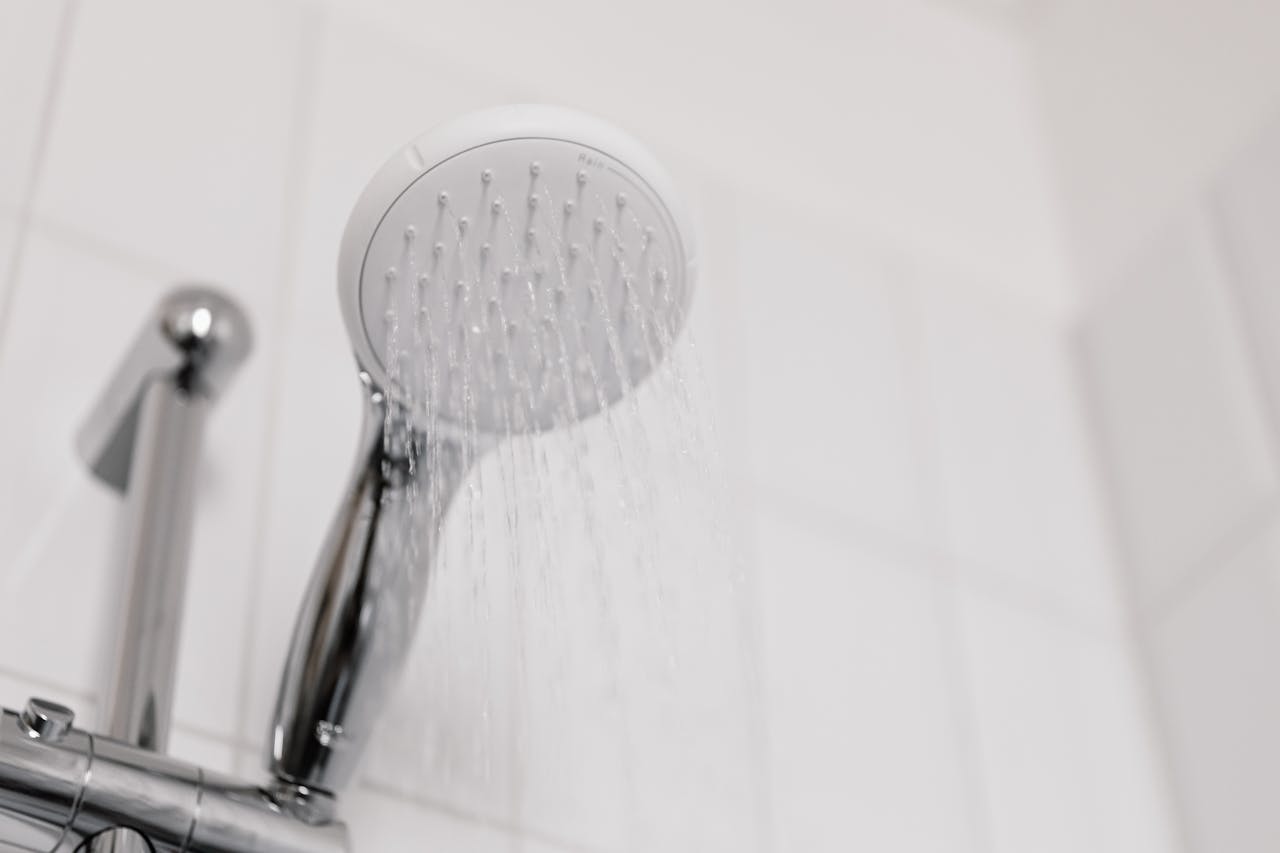
Swapping your old showerhead for a Waterpik EcoFlow can help reduce water use without losing water pressure. This means you enjoy a strong shower while using less water.
Installing a Waterpik EcoFlow showerhead is quick and simple, often taking just a few minutes. Over time, this small change can lower your water and energy bills.
Use Energy Star-rated appliances


You can save money by choosing Energy Star-rated appliances. These products use 10% to 50% less electricity compared to standard models.
For example, an Energy Star dishwasher uses less water and energy, which lowers your utility bills. Switching to these appliances is a simple way to make your home more efficient.
Upgrade to a smart power strip like TP-Link Kasa

You can save energy by using a smart power strip such as the TP-Link Kasa. It lets you control each outlet independently, so you only power what you need.
With built-in USB ports, you can charge devices without extra chargers. The smart features allow you to schedule or remotely turn off electronics, helping cut down on standby power use.
Add insulation to your attic with Owens Corning EcoTouch
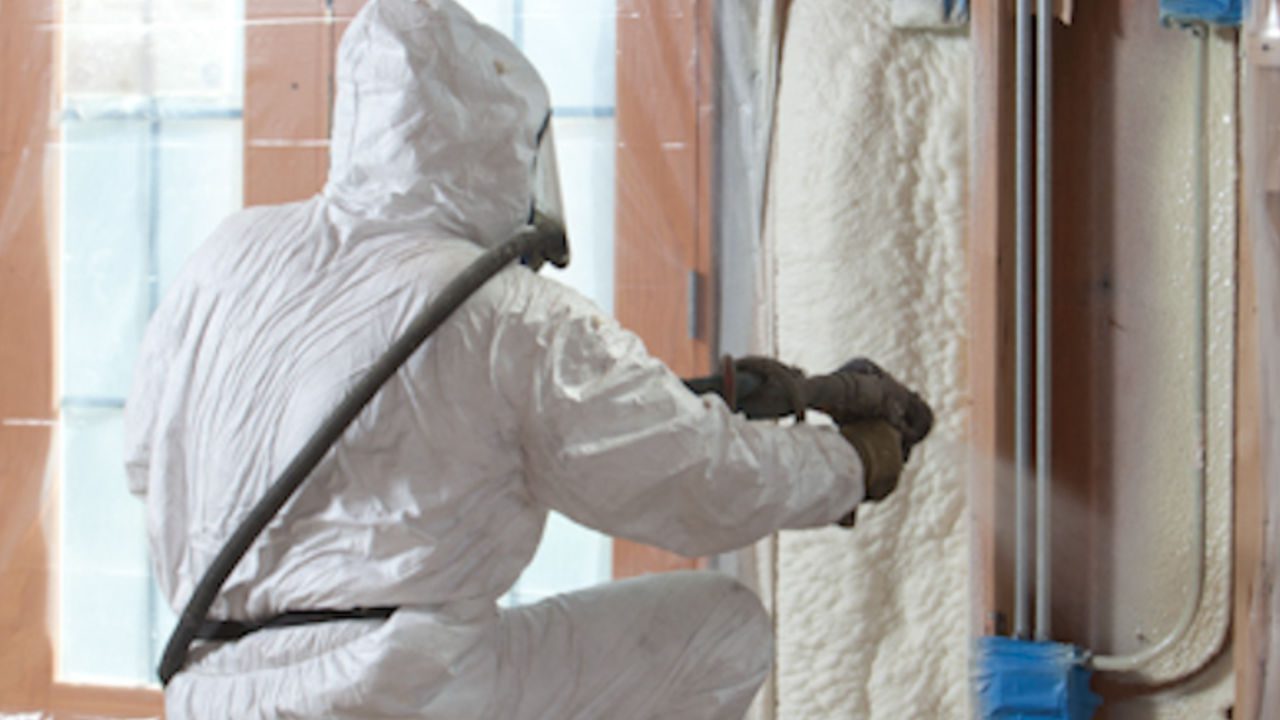
Adding Owens Corning EcoTouch insulation to your attic can help lower your heating and cooling costs. It works by keeping your home warmer in winter and cooler in summer.
This insulation also helps control moisture and prevents heat from building up in your attic. Proper ventilation is important, so be sure to keep vents clear when installing.
Run full loads in your dishwasher and washing machine

You can save energy by running only full loads in your dishwasher and washing machine. This reduces the number of cycles you need, which lowers your utility bills.
Using cold water for your laundry also helps save on heating costs. Try to avoid running small loads unless necessary to make the most of each wash.
Use ceiling fans instead of air conditioning

You can save money by using ceiling fans instead of running your air conditioner all the time. Fans use much less electricity, so they lower your utility bills.
Try raising your thermostat by a couple of degrees and turn on the fan. This helps you feel cooler without cranking up the AC.
In cooler months, reverse the fan’s direction to push warm air down. This simple switch can also help reduce heating costs.
Switch to cold water for laundry cycles

Using cold water for your laundry can help lower your energy bills since heating water uses most of the energy in a wash cycle. Cold water is also gentler on your clothes, helping fabrics last longer and keeping colors from fading.
Most detergents today work well in cold water, so you don’t have to worry about cleanliness. Try switching to cold water for most loads, except when you need to sanitize or remove heavy stains.
Close curtains during hot afternoons


You can keep your home cooler by closing your curtains or blinds during the hottest part of the day. This helps block out the sun’s heat before it raises the indoor temperature.
Using heavy drapes or blackout curtains can be especially effective at reducing heat buildup. By doing this simple step, your air conditioner won’t have to work as hard, which can lower your energy bill.
Set your refrigerator to optimal 37-40°F temperature


You can save energy by setting your fridge between 37 and 40 degrees Fahrenheit. This keeps your food fresh without making your fridge work harder than necessary.
Temperatures under 35°F can freeze some foods, and above 40°F increases spoilage risk. Adjusting your fridge’s thermostat to this range is an easy step to lower your electric bill. Just check your settings and tweak if needed.
Turn off lights when leaving a room


You can save energy by simply turning off lights whenever you leave a room. It’s an easy habit that reduces unnecessary power use.
Even switching off just a few lights for several hours a day can add up to noticeable savings. Try to be mindful and make it part of your routine.
Using LED bulbs alongside this habit makes your savings even better.