

When it comes to creating more space in your home, the challenge often lies in figuring out which items are truly necessary. You might be holding on to things that take up more room than they deserve, making your living areas feel cramped and cluttered.
Identifying space-hogging items you don’t actually need can help you free up valuable room and simplify your surroundings. This article will help you recognize those items and guide you toward a more open and organized home.
Old holiday-themed decor

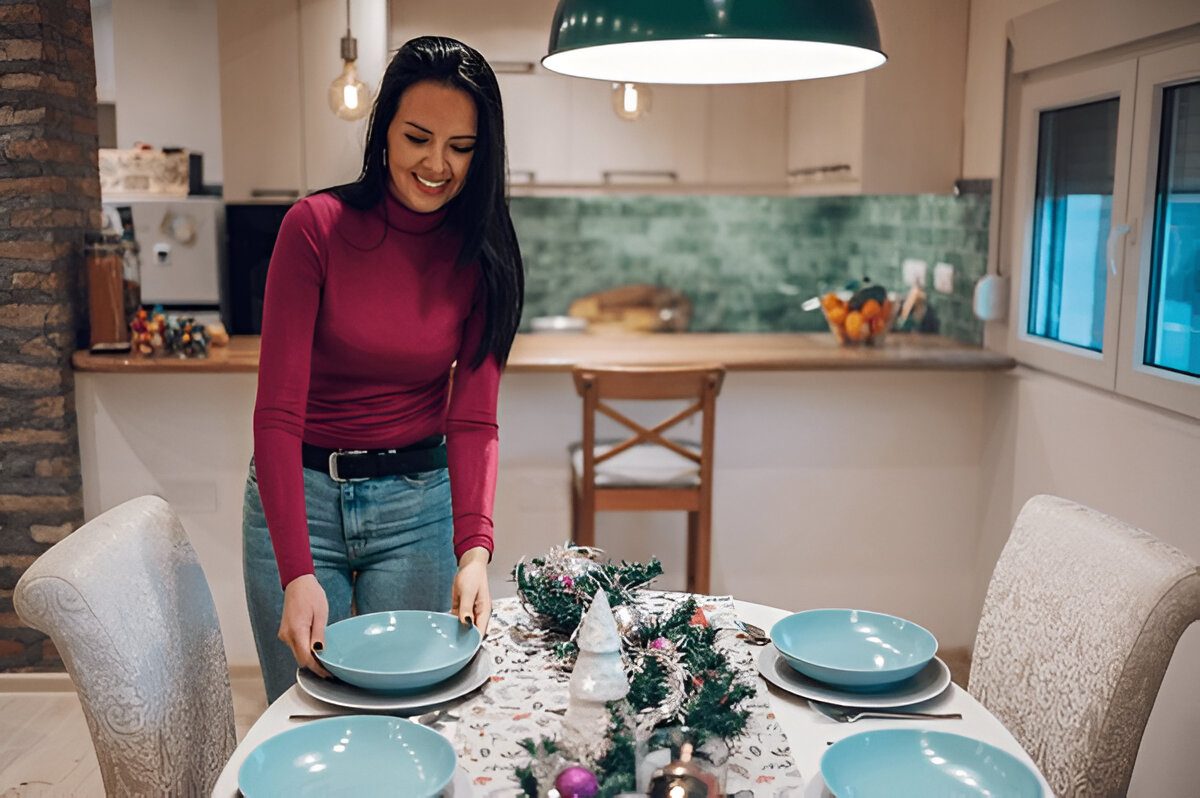
You might find holiday decorations taking up more space than you need. Many items, like themed pillows or specialty dishes, often end up tucked away year-round.
Consider keeping only a few meaningful pieces instead of large collections. This lets you enjoy the season without clutter overwhelming your storage.
Natural, simple decorations like pumpkins or pinecones can also create a festive feel without filling up your space. This way, your decor feels fresh and manageable every year.
Unused treadmills

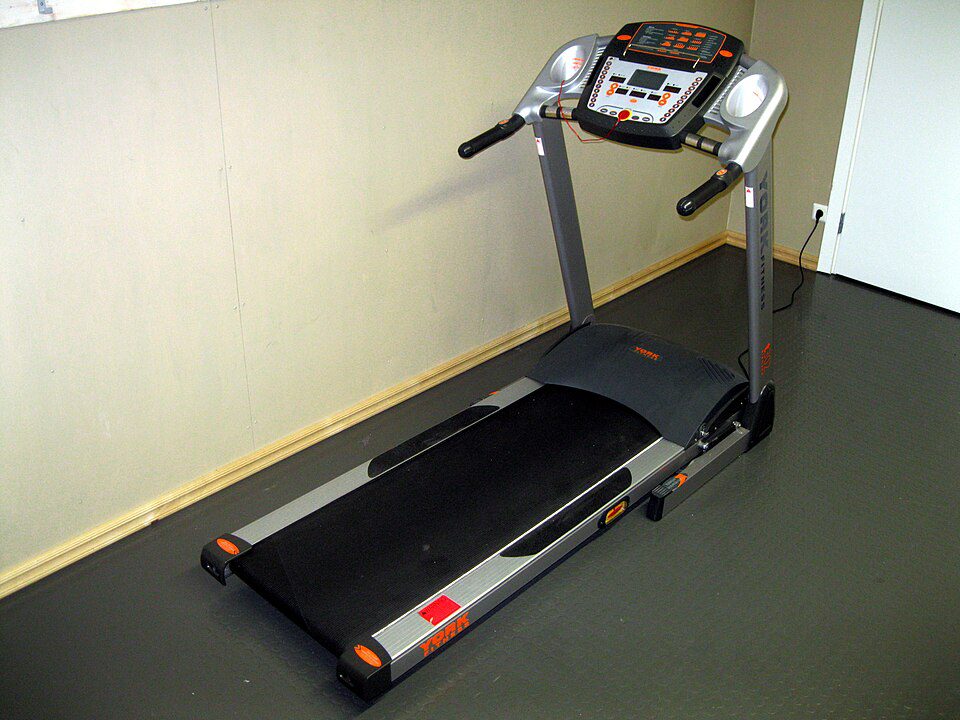
If you have a treadmill that’s just collecting dust, it might be time to reconsider keeping it. These machines take up a lot of space but often go unused after a short time.
You might think about whether you really use it enough to justify the room it occupies. If not, donating or selling it could free up valuable space in your home.
Excess holiday bakeware

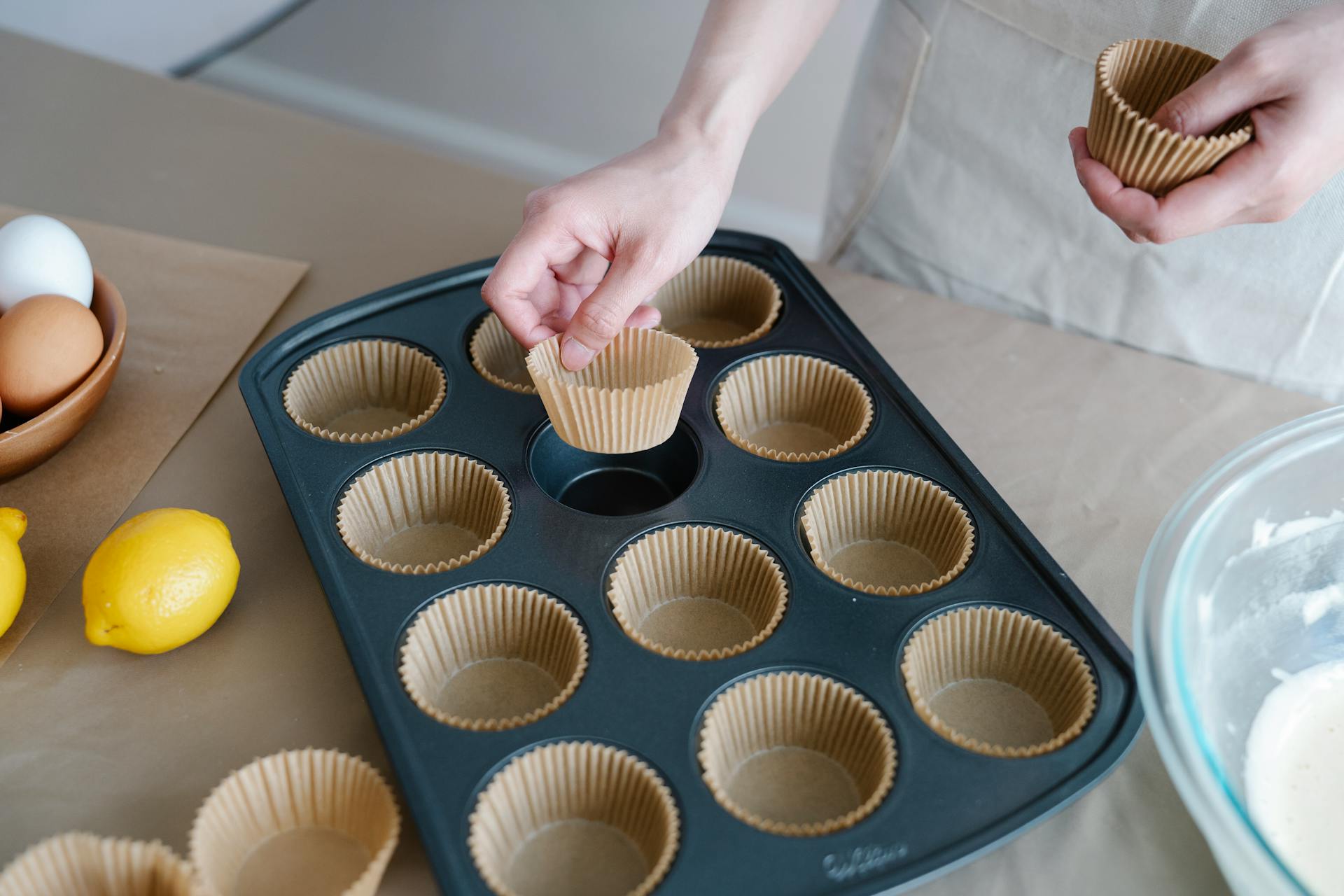
You don’t need a pile of special baking pans just for holidays. A few versatile pans like cookie sheets and a muffin tin cover most baking needs.
Holiday-themed tools like cookie cutters and sprinkles take up much less space and offer seasonal fun. If you have extra pans you rarely use, consider donating them to clear room. This keeps your kitchen more organized and makes baking easier.
Passed-down serving ware

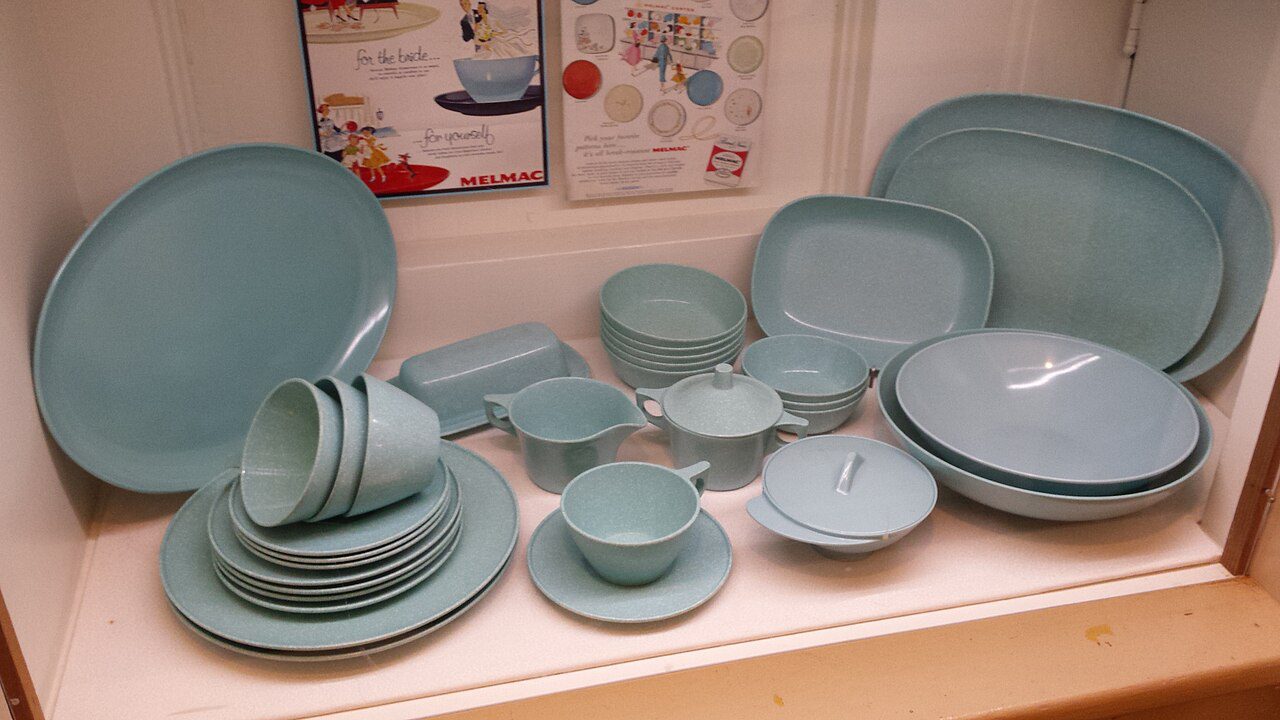
You might have inherited fine china or serving trays that take up a lot of space. If you rarely use these items, consider keeping only the pieces you truly enjoy or use.
Selling valuable items can free up space and bring in some extra money. Otherwise, donating or recycling the leftover pieces helps avoid unnecessary clutter.
Outdated books


You might have old textbooks or reference books that no longer serve you. These can take up a surprising amount of space and often contain outdated information.
If you haven’t used a book in years, it’s probably safe to let it go. Consider donating or recycling them so they don’t clutter your shelves. This frees up space for things you actually need or enjoy.
Orphan Socks

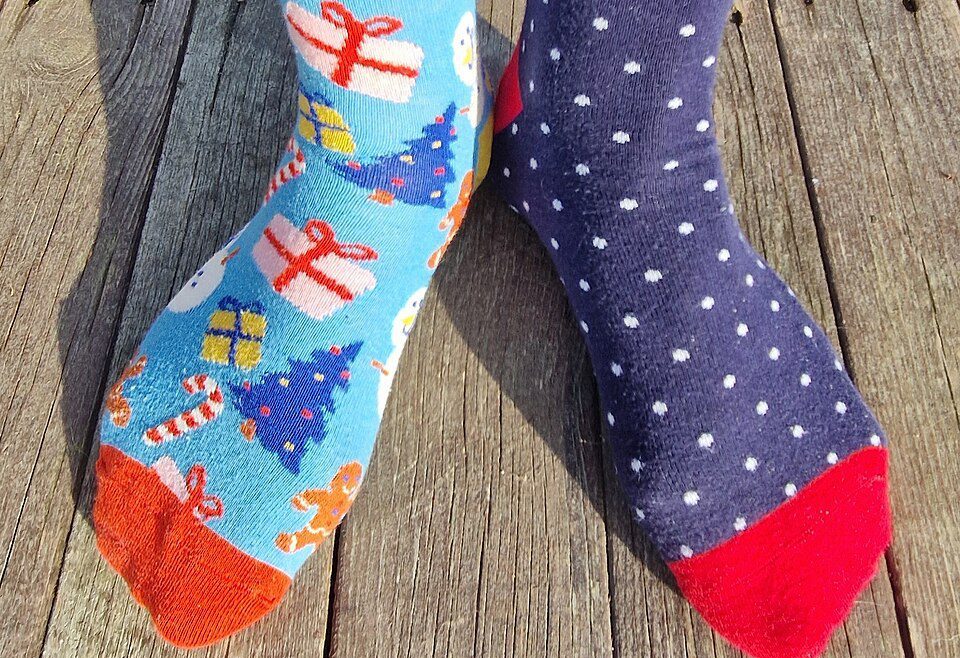
Orphan Socks might seem useful, giving you a small speed boost and two Soul Hearts.
They also protect you from damage caused by spikes and creep, which can help in risky rooms.
However, this protection is limited, and the item takes up space you might want for stronger upgrades.
If you value inventory space more, Orphan Socks might not be essential for your build.
Extra linens

You might have more sheets and towels than you actually use. Keeping extra linens can take up a lot of space, especially if they’re old or worn out.
Consider thinning out items you rarely need. Donate usable sheets or towels to animal shelters or charities instead of storing them indefinitely.
For the linens you keep, store them in breathable fabric bags to keep them fresh. This also makes it easier to manage and wash them when needed.
Rogue food container lids


You likely have a collection of food container lids that never seem to match their containers. These rogue lids take up more space than necessary, cluttering your cabinets.
To tame the chaos, try organizing lids by size or using a plate rack to keep them upright. This way, you can easily find the lid you need without digging through a pile.
Mugs you never use


You probably have mugs tucked away that rarely see the light of day. Holding onto dozens can create clutter without adding value.
Stick to the few you actually enjoy using. Having six good, lead-free mugs is enough for everyday use.
If you want to keep more, consider space-saving options like stackable mugs or a dedicated rack. This keeps your kitchen tidy and your favorite mugs easy to reach.
Duplicate travel mugs

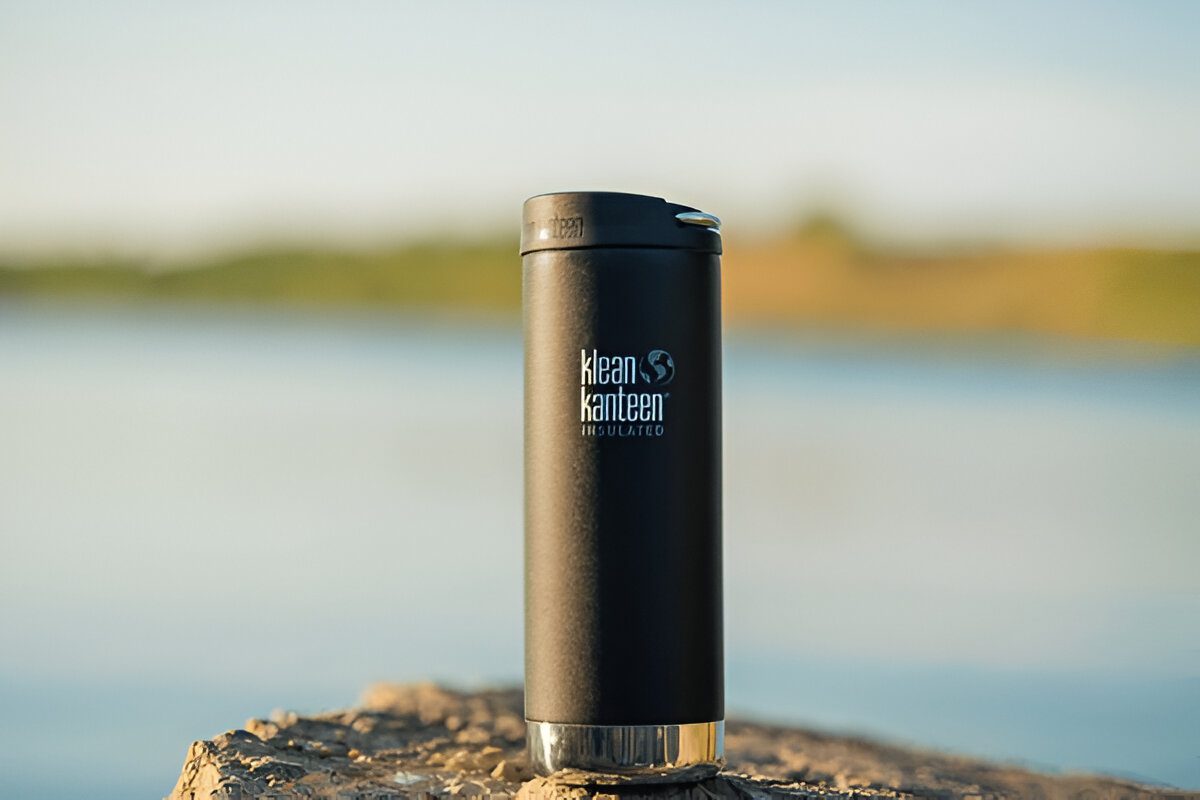
You might have several travel mugs tucked away in your kitchen or bag. Most of the time, you only need one reliable mug that fits your routine.
Keeping duplicates can take up unnecessary space. If you have multiple mugs with similar features, try to keep just one or two that work best for you.
Choosing a leak-proof, insulated travel mug will cover most of your needs. This way, you simplify your collection and free up room for other things.
Clothes you haven’t worn in a year


If you haven’t worn something in a year, it’s likely not serving you anymore. Holding on to these clothes takes up valuable space that could be used better.
Try sorting through your wardrobe and set aside items you haven’t touched in the last 12 months. Letting them go can make your closet feel fresh and easier to manage.
Keep only the pieces you truly love and wear regularly. This helps you focus on clothes that fit your style and life.
CD collections gathering dust


If you have a large CD collection, it might be taking up more space than you realize. Those discs can quickly fill shelves and boxes, leaving little room for other things.
With digital music and streaming services, you might not need physical CDs as much anymore. Consider keeping a few favorites and finding new storage solutions or letting go of the rest.
Excess kitchen gadgets

You probably don’t need every single small appliance you own. Items like mini waffle makers, popcorn machines, or sandwich presses often take up valuable space but rarely get used.
Focus on keeping versatile tools that serve multiple purposes. This helps free up your counters and cupboards, making your kitchen feel less crowded and easier to keep tidy.
Expired pantry items

You might find expired items taking up a lot of space in your pantry. While many products have “best by” or “use by” dates, they don’t always mean the food is unsafe.
Check your food by looking at its color, smell, and texture. If anything seems off, it’s time to toss it. Remember, once a package is opened, the original date no longer applies. Getting rid of expired stuff clears space and keeps your pantry fresh.