



Piles of sentimental clutter can quietly take over your home, from boxes in the attic to stacks on your nightstand. When you finally decide to toss what no longer serves you, you reclaim space, time, and emotional energy. Use this list of 14 common categories to target the piles that are weighing you down and start letting go with intention.
1) Old Greeting Cards and Holiday Letters

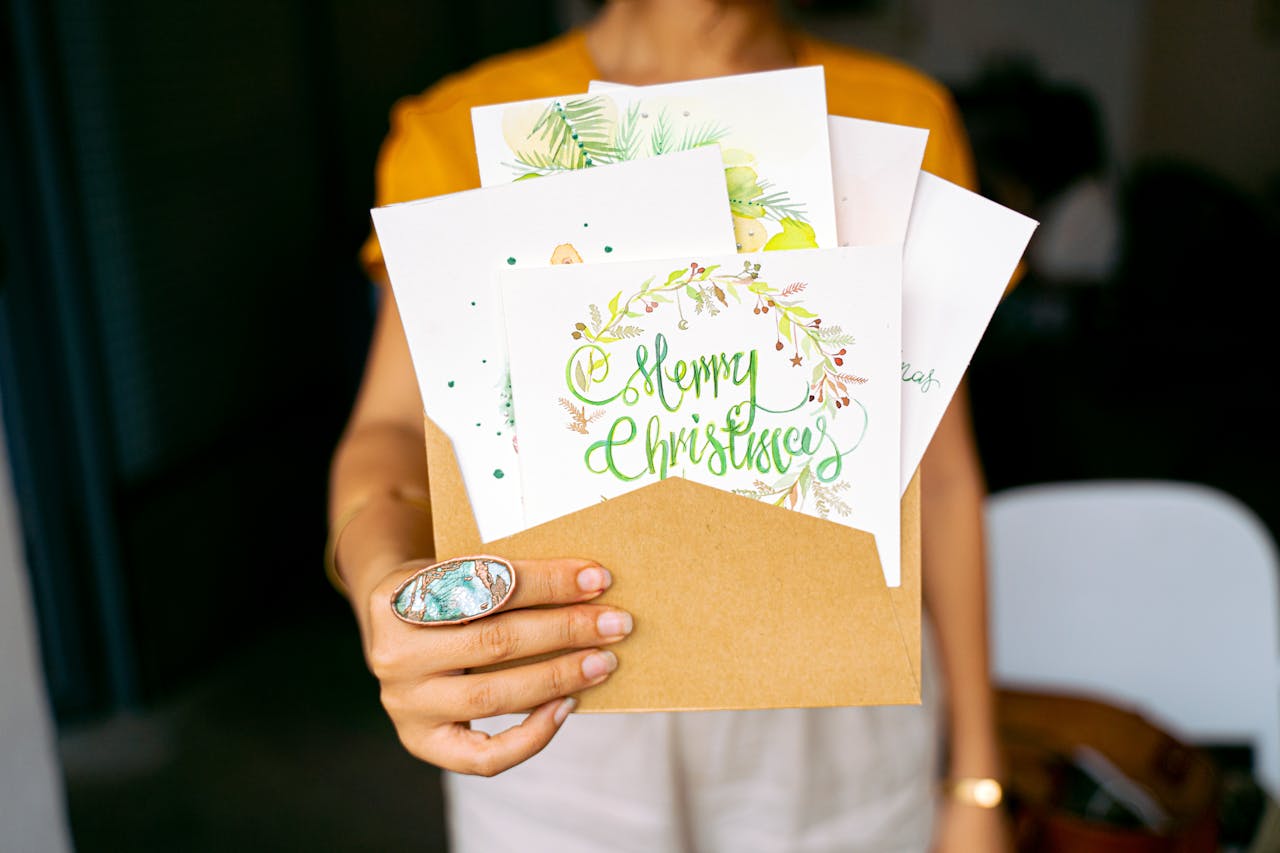
Old greeting cards and holiday letters often collect in shoeboxes and desk drawers, even when you no longer remember who sent half of them. Experts on sentimental clutter note that you typically keep these paper mementos for the feeling they once gave you, not for any ongoing purpose, which is why they are a prime candidate to toss according to guidance on sentimental items you should let go. When you hold on to every card, the truly meaningful ones get lost in the noise.
To shrink the pile, save only a small selection, such as the first card from a partner or a note written in a late grandparent’s handwriting, and recycle the rest. You can also photograph especially sweet messages before you let them go. Clearing these stacks reduces visual clutter and makes it easier to find the few pieces that genuinely matter, instead of drowning in paper that no longer reflects your current relationships.
2) Childhood Trophies and Ribbons
Childhood trophies and ribbons tend to migrate from childhood bedrooms to parents’ basements, where they sit in dusty boxes for decades. Many organizing specialists point out that these awards represent past achievements, not present needs, and that keeping every participation trophy can keep you anchored to an identity that no longer fits. When you are honest about which milestones still feel meaningful, you usually discover that only a handful of items deserve space on a shelf.
Start by pulling everything out and grouping awards by sport, activity, or year. Choose one emblematic trophy from a favorite season or a single ribbon that recalls a turning point, and donate or discard the rest. Photographing the full collection before you pare it down preserves the memory without the bulk. Letting go of the excess makes room for current accomplishments and helps you see your growth as ongoing rather than frozen in childhood.
3) Boxes of Childhood Artwork
Boxes of childhood artwork often pile up in closets, filled with finger paintings, macaroni collages, and construction paper cards. Sentimental decluttering advice stresses that you are not required to keep every drawing to honor a child’s creativity, especially when the paper is fading or crumbling. When every scribble is saved, it becomes impossible to appreciate the few pieces that truly capture a moment in your child’s development.
Sort the artwork into three piles: clear favorites, possible keepers, and easy discards. Keep a small curated set, perhaps one piece per school year, and consider scanning or photographing others to create a digital archive. You can even turn selected works into a bound photo book. Tossing the rest frees up storage space and teaches kids that memories live in experiences and stories, not in every single sheet of paper they ever touched.
4) Souvenir Programs and Ticket Stubs
Souvenir programs and ticket stubs from concerts, plays, and sporting events tend to accumulate in drawers, bowls, and shoeboxes. Over time, the ink fades and the paper yellows, yet the piles keep growing because you associate them with special nights out. Organizing experts frequently highlight these items as classic sentimental clutter, since you rarely look at them and the memory of the event usually survives without the physical stub.
To pare down, gather every program and ticket into one place and ask which events you can still vividly recall without a prop. Keep only a few that mark major milestones, such as a first date or a once-in-a-lifetime show, and recycle the rest. If you like visual reminders, photograph the tickets and create a digital collage. Reducing these piles clears surfaces and helps you focus on planning new experiences instead of archiving every past outing.
5) Free T-Shirts and Event Swag
Free T-shirts and event swag often overflow from dresser drawers, even when the shirts are faded, ill-fitting, or from events you barely remember. Specialists in sentimental clutter consistently point out that these items are kept out of habit and nostalgia rather than genuine use. When your wardrobe is dominated by giveaway shirts, it becomes harder to find the clothes you actually enjoy wearing, and laundry piles grow faster.
Lay out every free shirt and ask when you last wore each one in public. Keep a small number for painting, yard work, or sentimental value, and donate or recycle the rest through textile recycling programs. The same rule applies to branded tote bags, lanyards, and water bottles that multiply after conferences. Letting go of excess swag simplifies your daily routine and signals that your identity is not defined by old logos or one-off events.
6) Unused Wedding and Party Favors
Unused wedding and party favors often end up in kitchen drawers or storage bins, where they gather dust long after the celebration. These trinkets, from personalized bottle openers to monogrammed candles, are classic examples of sentimental clutter that you feel guilty discarding. Yet many organizing guides argue that if a favor has never been used and does not fit your style, it is safe to let it go without disrespecting the memory of the event.
Sort favors into categories: practical items you will actually use, decorative pieces that match your home, and everything else. Donate unopened items to thrift stores or community groups, and discard anything broken or expired. If you are the one hosting an upcoming event, use this experience to choose favors that are consumable or genuinely useful. Clearing these piles opens space in your cabinets and keeps your home from becoming a storage unit for other people’s parties.
7) Inherited China and Formal Glassware
Inherited china and formal glassware frequently sit untouched in cabinets or boxes, especially if your lifestyle does not include formal dinners. Many people keep full sets out of obligation, even when pieces are chipped or incomplete. Experts on sentimental items emphasize that you honor relatives more by using what you love than by preserving fragile dishes you never take out, which is why these collections often appear on lists of things to release.
Begin by assessing which pieces you genuinely like and would use for everyday meals or special occasions. Keep a small selection that fits your taste and space, and consider selling or donating the rest to someone who will appreciate them. If parting with everything feels too abrupt, photograph the full set before you let it go. Reducing these piles frees cabinets for items you reach for daily and relieves the pressure to maintain a lifestyle that no longer matches your reality.
8) Old Love Letters and Mementos from Past Relationships
Old love letters and mementos from past relationships often live in shoeboxes at the back of closets, quietly anchoring you to earlier chapters of your life. Guidance on letting go of sentimental clutter notes that keeping every note, ticket, and trinket from former partners can make it harder to fully invest in current relationships. These items are powerful emotional triggers, which is why they deserve deliberate attention rather than indefinite storage.
Spread everything out and ask which pieces still serve you in a healthy way. You might keep a few letters that mark important personal growth, while discarding items that reopen old wounds or no longer reflect who you are. Shredding or recycling the rest can feel like a ritual of closure. As you clear these piles, you create emotional and physical space for the life you are building now, instead of curating a museum of relationships that have ended.
9) Baby Clothes and Nursery Keepsakes
Baby clothes and nursery keepsakes are some of the hardest items to release, which is why they often fill bins in attics and under beds. Sentimental decluttering advice frequently highlights tiny outfits, blankets, and shoes as objects you keep to hold on to a fleeting stage of life. Yet when you save every onesie and bib, the sheer volume can become overwhelming, and the most meaningful pieces get buried.
Choose a limited container, such as one lidded box per child, and fill it only with items that instantly spark a vivid memory, like a coming-home outfit or a beloved stuffed animal. Donate gently used clothing to families who need it, and recycle anything stained or damaged. You can also turn favorite fabrics into a quilt. By trimming these piles, you preserve the essence of those early years without letting storage bins define your home.
10) Souvenir Mugs and Travel Trinkets
Souvenir mugs and travel trinkets tend to multiply with every trip, eventually crowding kitchen cabinets and bookshelves. Experts on sentimental clutter often point out that these items are purchased in the excitement of travel, then rarely used once you return home. When every surface is covered with snow globes, shot glasses, and novelty mugs, the visual noise can dilute the memories you hoped to celebrate.
Gather all travel souvenirs in one place and decide which pieces still make you smile or serve a real function. Keep a curated selection, such as one mug you actually drink from or a single figurine per destination, and donate or discard the rest. Consider shifting to flat, easy-to-store mementos like postcards or digital photo books for future trips. Clearing these piles lets your favorite destinations stand out instead of getting lost in a cluttered crowd.
11) Stacks of Old Magazines and Catalogs
Stacks of old magazines and catalogs often line coffee tables, nightstands, and office corners, creating a constant sense of unfinished reading. Organizing guidance on sentimental clutter notes that people frequently keep these piles for aspirational reasons, telling themselves they will revisit recipes, workouts, or design ideas. In reality, the older the stack, the less likely you are to open it, and the more it contributes to visual and mental overload.
Flip quickly through each issue and tear out only the pages you truly want to reference, then recycle the rest. Better yet, search for updated versions of those ideas online and save them digitally. Cancel catalogs you no longer need and opt out of unnecessary mailings. As you reduce these piles, you reclaim surfaces and reduce the constant background reminder of tasks you never quite get to, which can lower stress and make your home feel calmer.
12) Duplicated Digital and Printed Photos
Duplicated digital and printed photos can create sprawling piles in both physical and virtual spaces. Sentimental clutter experts increasingly highlight photo overload as a modern challenge, since you may keep multiple near-identical shots of the same moment. Guidance on managing sentimental items explains that you do not need every version to preserve the memory, a principle echoed in advice on types of sentimental clutter to get rid of. When every photo is saved, it becomes harder to find the ones that truly matter.
Start by deleting blurry, duplicate, or meaningless images from your phone and computer, then move on to printed stacks. Choose the single best shot from a series and discard the rest, storing favorites in labeled albums or archival boxes. You can also back up curated digital collections to cloud storage. Reducing photo piles makes it easier to share memories with others and protects you from the overwhelm of endless scrolling or sorting.
13) Random Paperwork and Unsorted Documents
Random paperwork and unsorted documents often accumulate in kitchen piles, office trays, and file cabinets. These stacks may include outdated warranties, expired coupons, and long-paid bills that no longer serve any legal or financial purpose. Archival practices show that once relevant facts are “out on the table, like so many pieces of a jigsaw puzzle,” as described in a reflection preserved in the digital archives, their value lies in what you actively use, not in endless duplication.
Create simple categories such as “tax,” “medical,” “home,” and “to-do,” and immediately recycle anything that is clearly obsolete. For essential records, use labeled folders or a scanner to store them securely. Shredding sensitive documents protects your privacy while shrinking the piles. As you tame paper clutter, you reduce the risk of missing important deadlines and make it easier to locate critical information when you actually need it.
14) Hobby Supplies for Projects You Abandoned
Hobby supplies for projects you abandoned often linger in closets and craft rooms, from half-used yarn and scrapbooking paper to specialized baking tools. Sentimental clutter guidance notes that these items represent past versions of yourself and aspirations you once had, which can make them emotionally charged. Keeping every unfinished project in sight can trigger guilt and a sense of failure, especially when you no longer enjoy the activity.
Review each hobby honestly and decide whether it still fits your current interests and schedule. If not, donate usable supplies to schools, community centers, or local clubs, and discard anything broken or unusable. For hobbies you want to keep, set a realistic limit on storage space and commit to finishing one project before buying more materials. Letting go of these piles frees you from the weight of old expectations and opens room for creative pursuits that genuinely excite you now.
More from Decluttering Mom: