


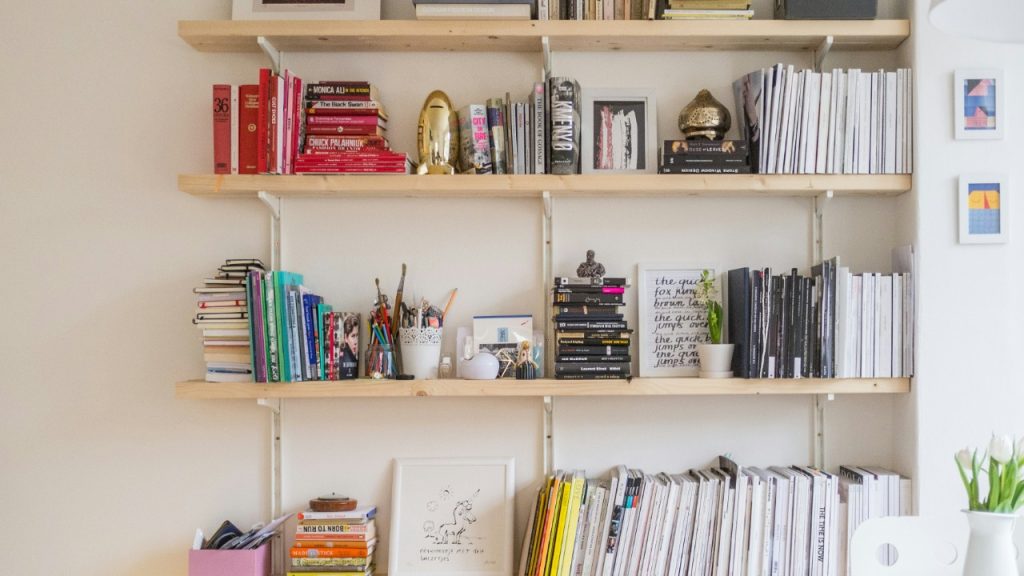
We all have those items that we hold onto for sentimental or aesthetic reasons, but over time, these collections can start to take over our homes. Not only can they clutter our living spaces, but they can also weigh on our minds.
Decluttering is an essential practice to maintain a clean, organized, and peaceful home. So, here are 14 things I stopped collecting that cleared my shelves and made my home a more spacious place.
1. Magazines


As much as I enjoyed flipping through glossy pages filled with fashion, recipes, and lifestyle advice, I realized that magazines were piling up and taking up a considerable space on my shelves. Not just that, but I rarely revisited old issues.
Now, I’ve shifted to digital subscriptions. This way, I still enjoy my favorite publications without the physical clutter. Plus, it’s a more sustainable choice. If you’re attached to your magazines, consider keeping only those issues that have significant meaning or articles you refer back to frequently.
2. DVDs and CDs


In a world where streaming services are at our fingertips, physical DVDs and CDs can seem redundant. I had a large collection that was gathering dust on my shelves.
I decided to digitize my collection, recycling the physical discs, and now I enjoy my favorite movies and music clutter-free. If you’re not ready to part with your collection, try organizing it in a more space-efficient way, like using a CD wallet.
3. Souvenirs


We often bring back souvenirs from our trips as mementos. However, over time, these can accumulate and become clutter. I found that I was holding onto items that didn’t serve a purpose beyond reminding me of a trip.
Instead, I now collect experiences and capture them in photographs or journal entries. These digital memories take up no physical space, and I can revisit them anytime. If you love physical mementos, opt for functional souvenirs like kitchenware or clothing.
4. Promotional Items


Promotional items from events, conferences, or stores were another category of things that were filling up my shelves. These items often didn’t serve any practical purpose and ended up as clutter.
I’ve stopped accepting promotional items unless they’re useful to me. This simple act has significantly reduced the number of unnecessary items in my home. If you have a stash of these, consider donating them.
5. Unread Books

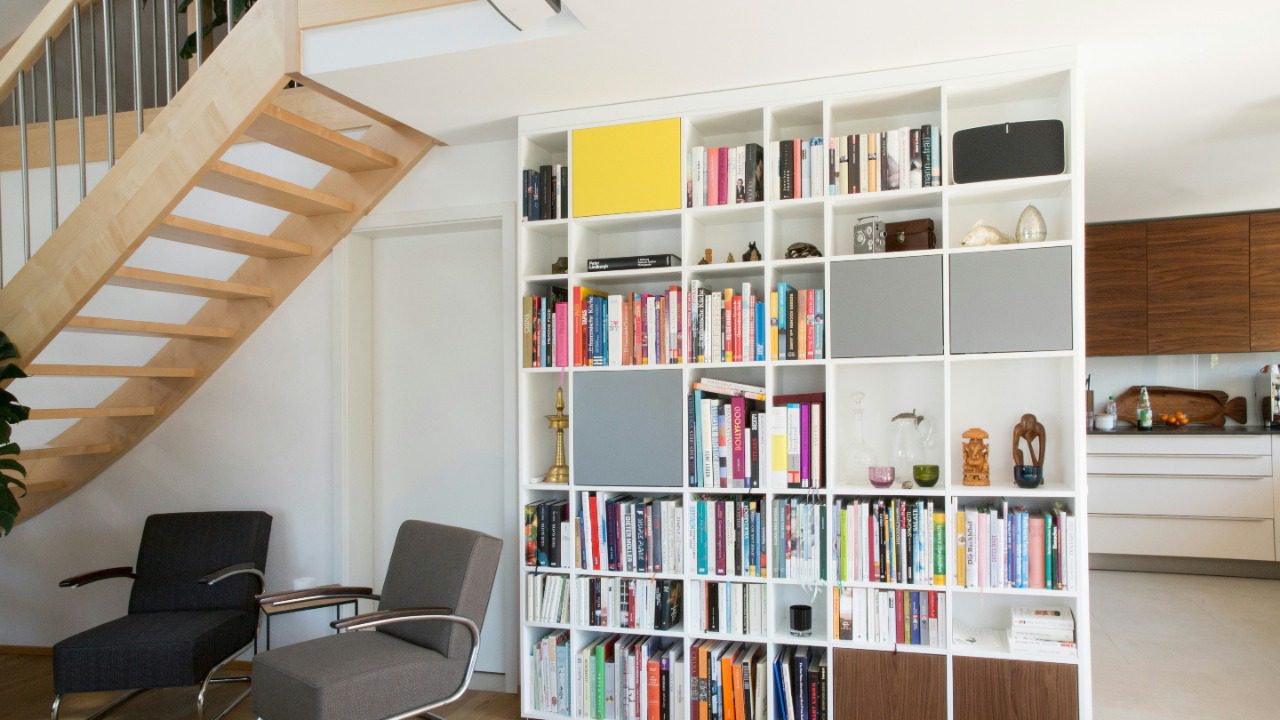
As an avid reader, I had a habit of buying more books than I could read. This resulted in a large number of unread books taking up space on my shelves.
I’ve now transitioned to borrowing books from the library or friends, or reading e-books. This way, I can enjoy a wide range of literature without the physical clutter. If you have a pile of unread books, consider donating them to a library or selling them.
6. Old Electronics
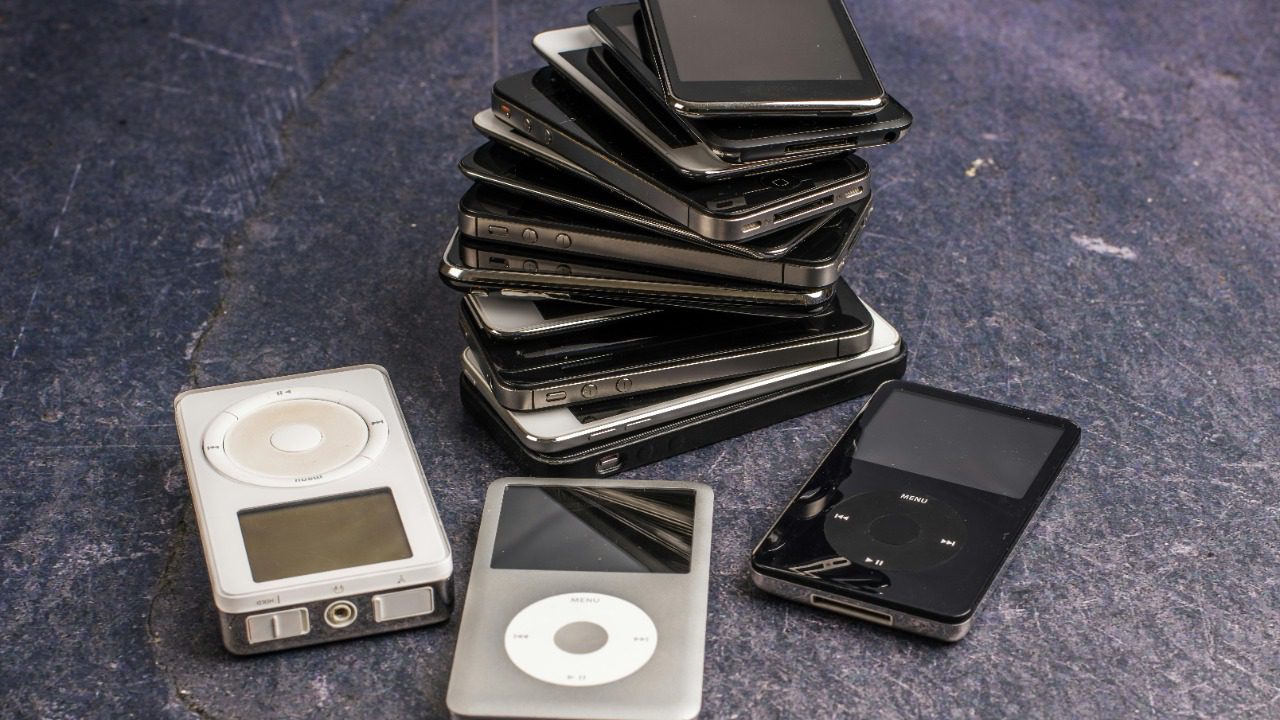
Old phones, chargers, and other electronic devices were another category of items that were cluttering my shelves. These items were out of use and served no purpose.
I’ve started to responsibly recycle my old electronics, freeing up space in my home. If you have old electronics, consider recycling them or donating them to organizations that refurbish them for reuse.
7. Unused Kitchenware
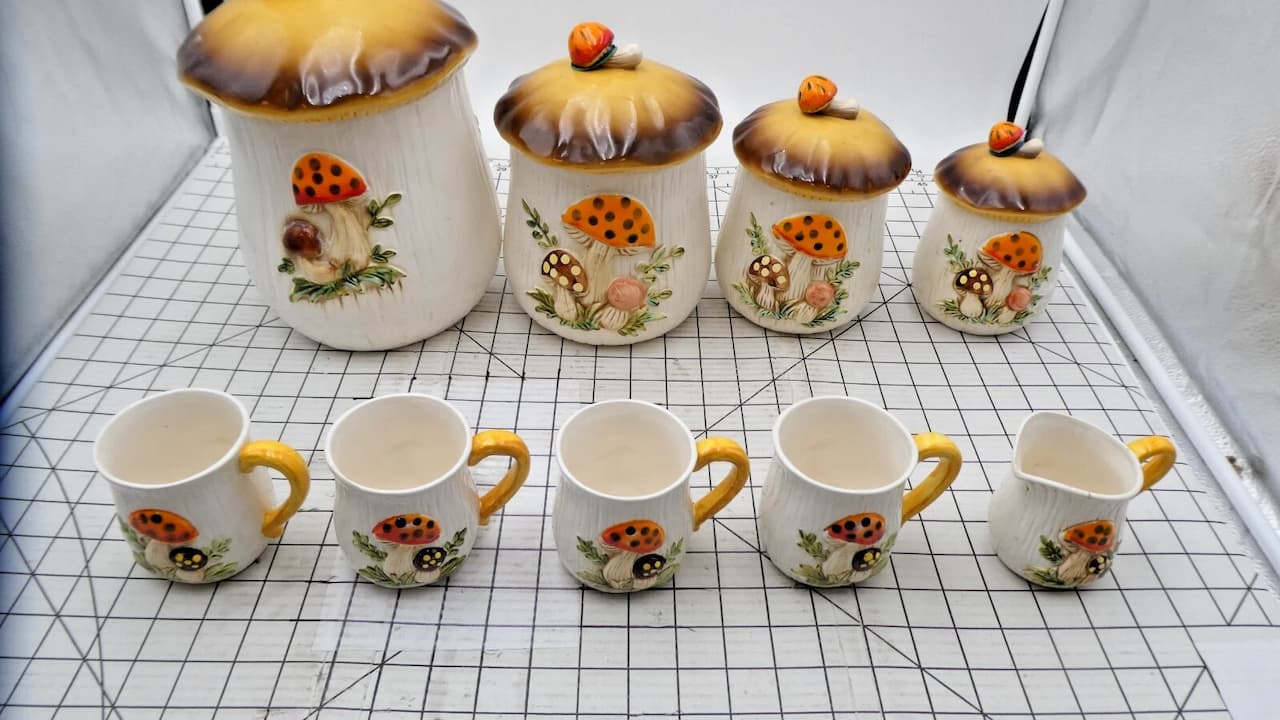
Over time, I realized I was collecting kitchenware that I rarely used. These items were taking up valuable shelf and cupboard space.
I’ve started to keep only those kitchen items that I use regularly. This has made my kitchen more organized and functional. If you have unused kitchenware, consider donating it.
8. Old Makeup
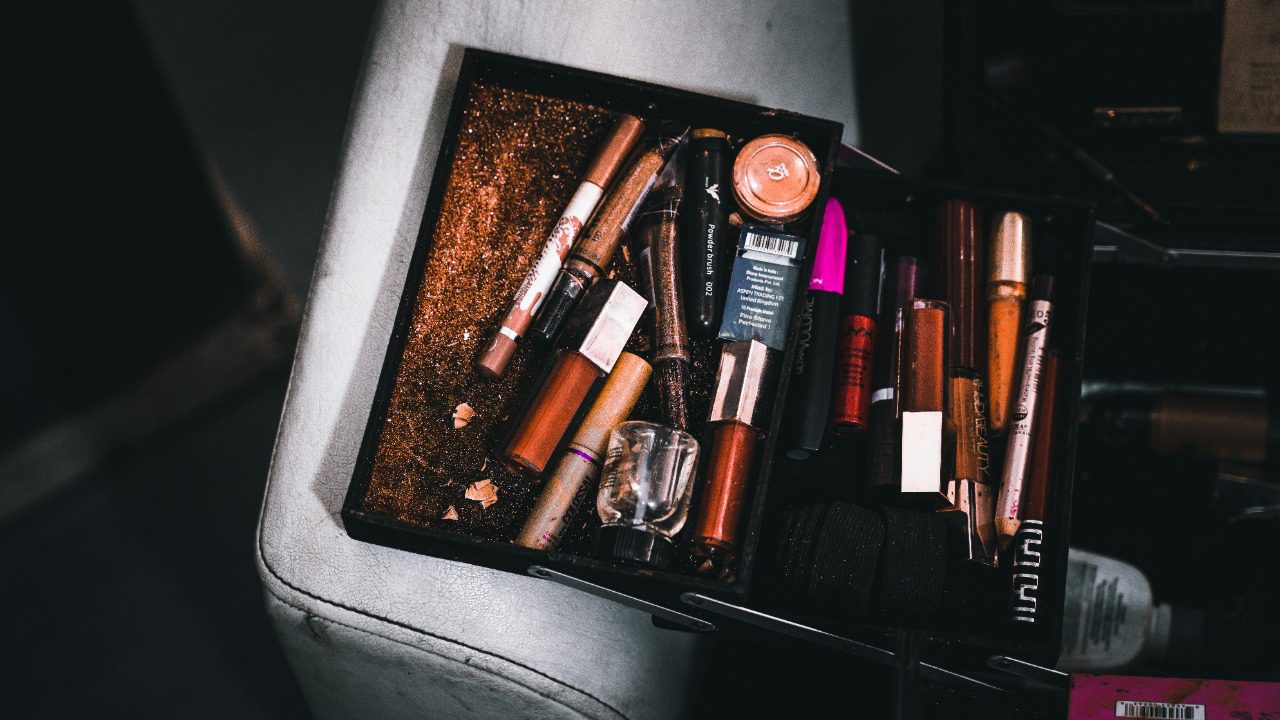
Old makeup and beauty products not only take up space but can also be bad for your skin. I had a habit of holding onto makeup products long after their expiration date.
Now, I dispose of expired makeup and only keep what I use regularly. This practice has freed up space in my bathroom and is better for my skin. If you have old makeup, consider disposing of it responsibly.
9. Old Clothes
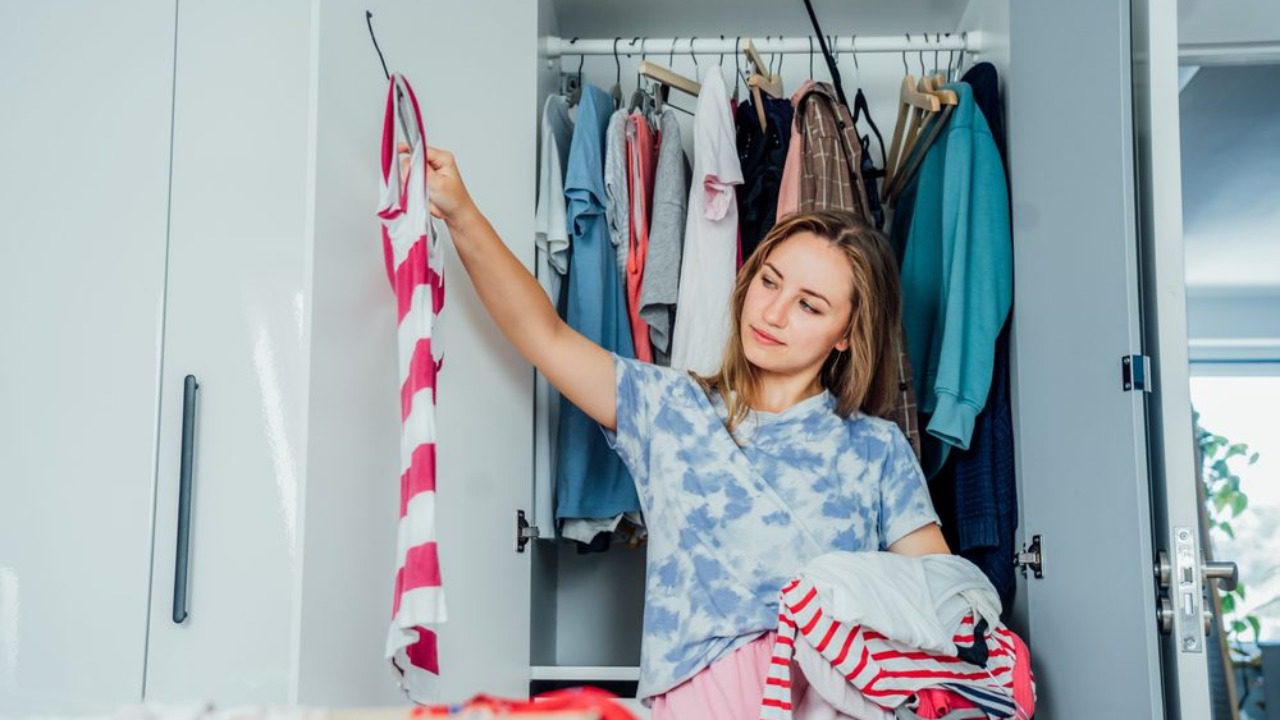
Clothes that no longer fit or were out of style were another category of items that were taking up space in my home. I realized that holding onto these clothes was not practical.
I’ve started to regularly declutter my wardrobe, donating clothes that I no longer wear. This practice has freed up closet space and made my daily dressing easier. If you have old clothes, consider donating them to a charity.
10. Old School Notes

I was holding onto old school notes and textbooks, thinking they might come in handy someday. However, I realized these items were taking up a lot of space and I rarely referred back to them.
Now, I only keep those notes and books that have current or future relevance. This practice has freed up significant shelf space. If you have old school notes, consider recycling them or passing them on to other students.
11. Seasonal Decorations

Over time, I had collected a large number of seasonal decorations. However, these items were only in use for a short period each year and took up storage space.
I’ve now pared down my collection, keeping only those items that I truly love and use every year. This practice has freed up storage space. If you have excess decorations, consider donating them.
12. Craft Supplies

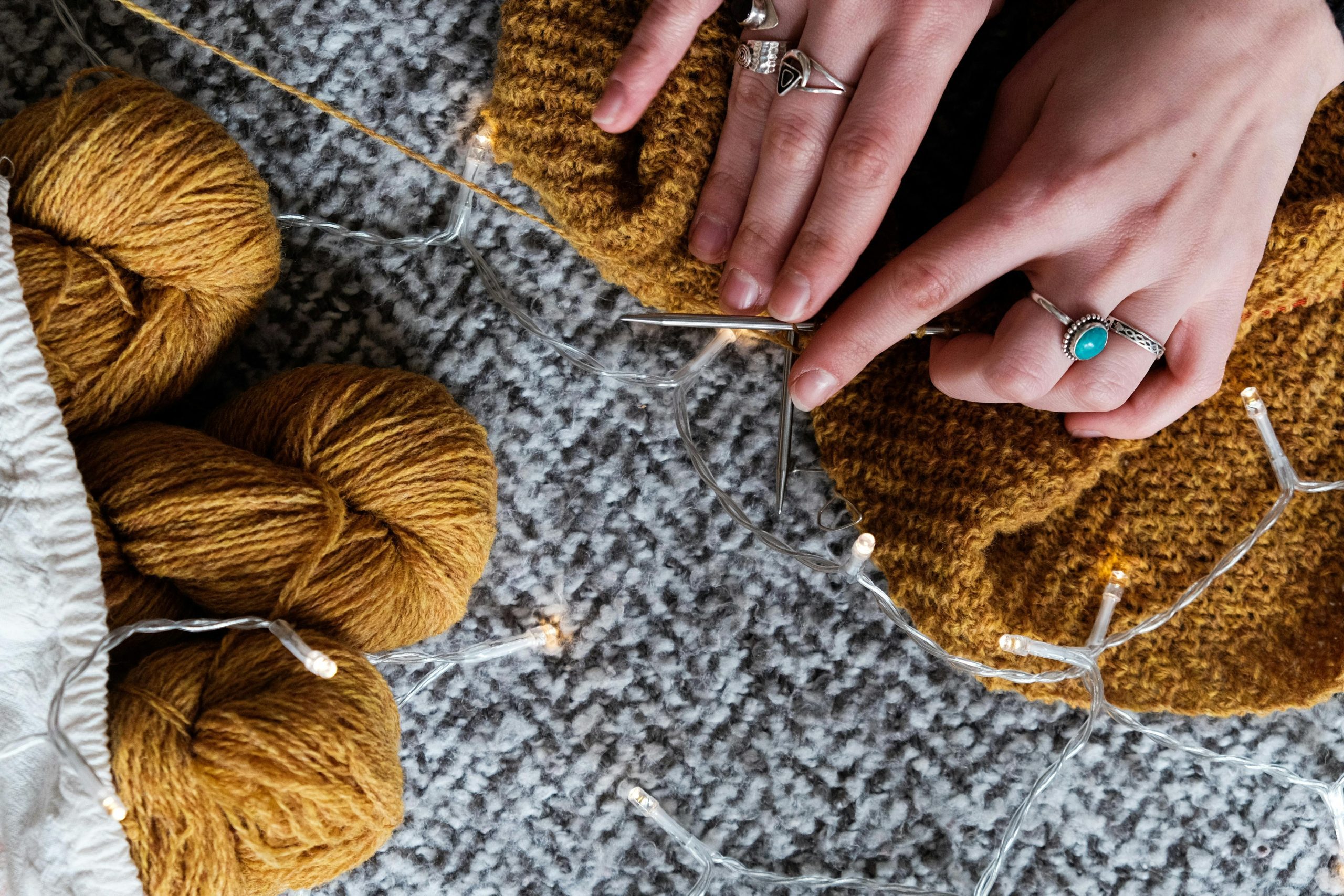
I was holding onto a large collection of craft supplies for potential future projects. However, these items were cluttering my shelves and many were never used.
I’ve started to buy craft supplies as needed for specific projects. This practice has freed up shelf space and reduced waste. If you have excess craft supplies, consider donating them to a school or community center.
13. Old Accessories


Over time, I had collected a large number of accessories, many of which I no longer wore. These items were taking up space in my jewelry box and drawers.
I’ve started to regularly declutter my accessories, keeping only those that I wear regularly. This practice has freed up storage space and made it easier to find what I need. If you have old accessories, consider selling them or donating them.
14. Old Paperwork

I was holding onto old bills, receipts, and documents that were no longer needed. These items were cluttering my filing cabinet and taking up space.
I’ve started to digitize important documents and responsibly recycle unneeded paperwork. This practice has freed up space in my home office and made it easier to find important documents. If you have old paperwork, consider digitizing it and recycling the physical copies.