


You might notice there are some things your grandparents completely get that seem unusual or outdated to you. Their experiences and habits often come from a very different time, shaped by simpler routines and traditions that don’t exist today.
Understanding these unique aspects can give you a fresh appreciation for how life used to be and why certain old-fashioned ways still matter. This article will help you connect with your grandparents’ generation by highlighting the things they lived through and valued.
Victory gardens in backyard plots


Barbora Muzikant/ pexels
You might remember your grandparents talking about their backyard gardens. These were called victory gardens, and many families grew vegetables and herbs to support the war effort.
Your grandparents’ gardens often included tomatoes, beans, and root crops. It wasn’t just about food; it was a way to feel useful and connected during tough times.
If you’ve ever planted a small patch yourself, you’re carrying on a tradition that meant a lot to their generation.
Jelly-jar drinking glasses with cartoons

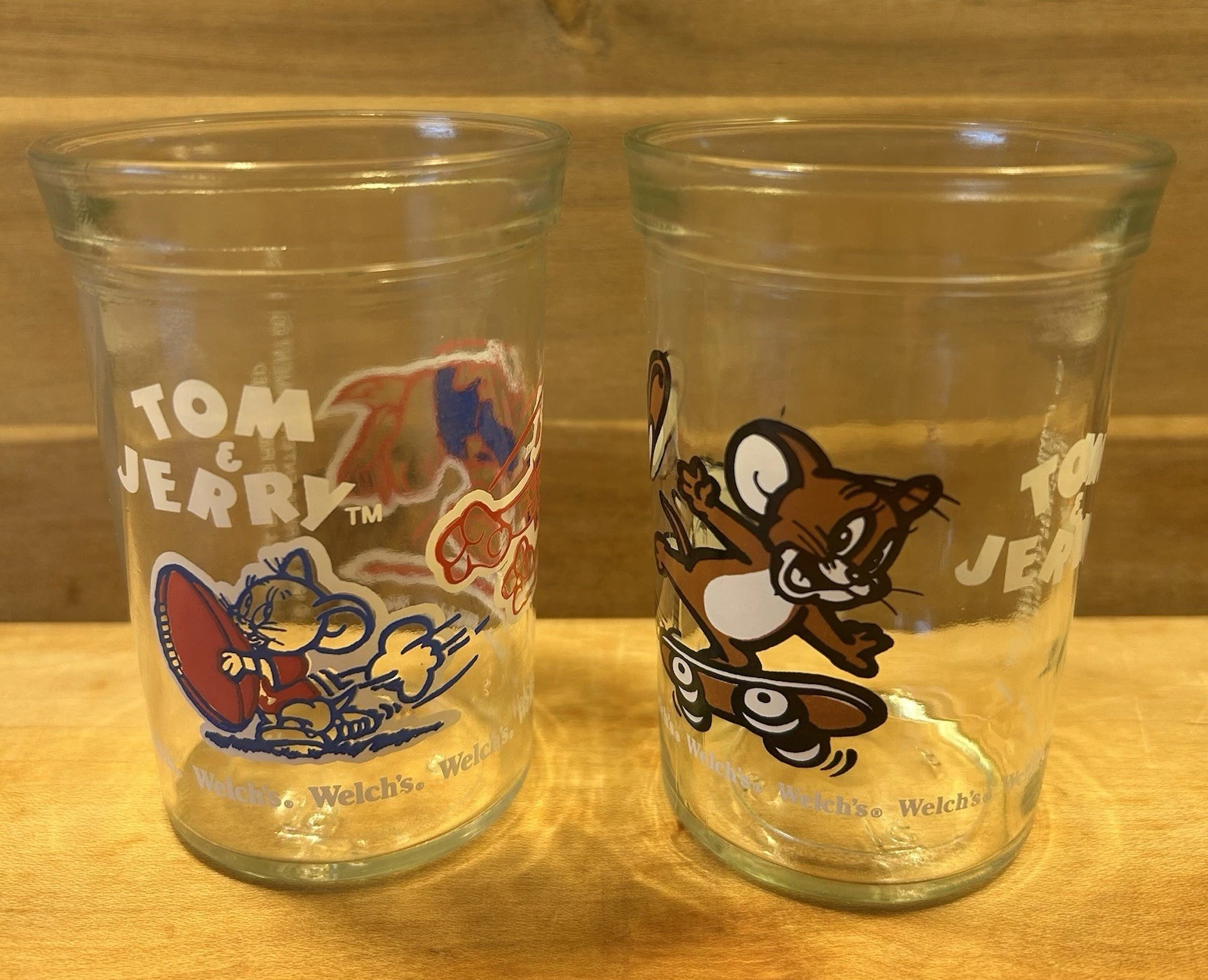
You might remember the jelly jars turned into drinking glasses, often decorated with fun cartoon characters. These were popular in many households, especially because kids loved having familiar faces like Looney Tunes on their cups.
Using these jars as glasses gave a second life to what was once just a container for jelly. They were practical, nostalgic, and added a little joy to everyday drinks.
Manual washing boards for clothes

Samar Mourya/ pexels
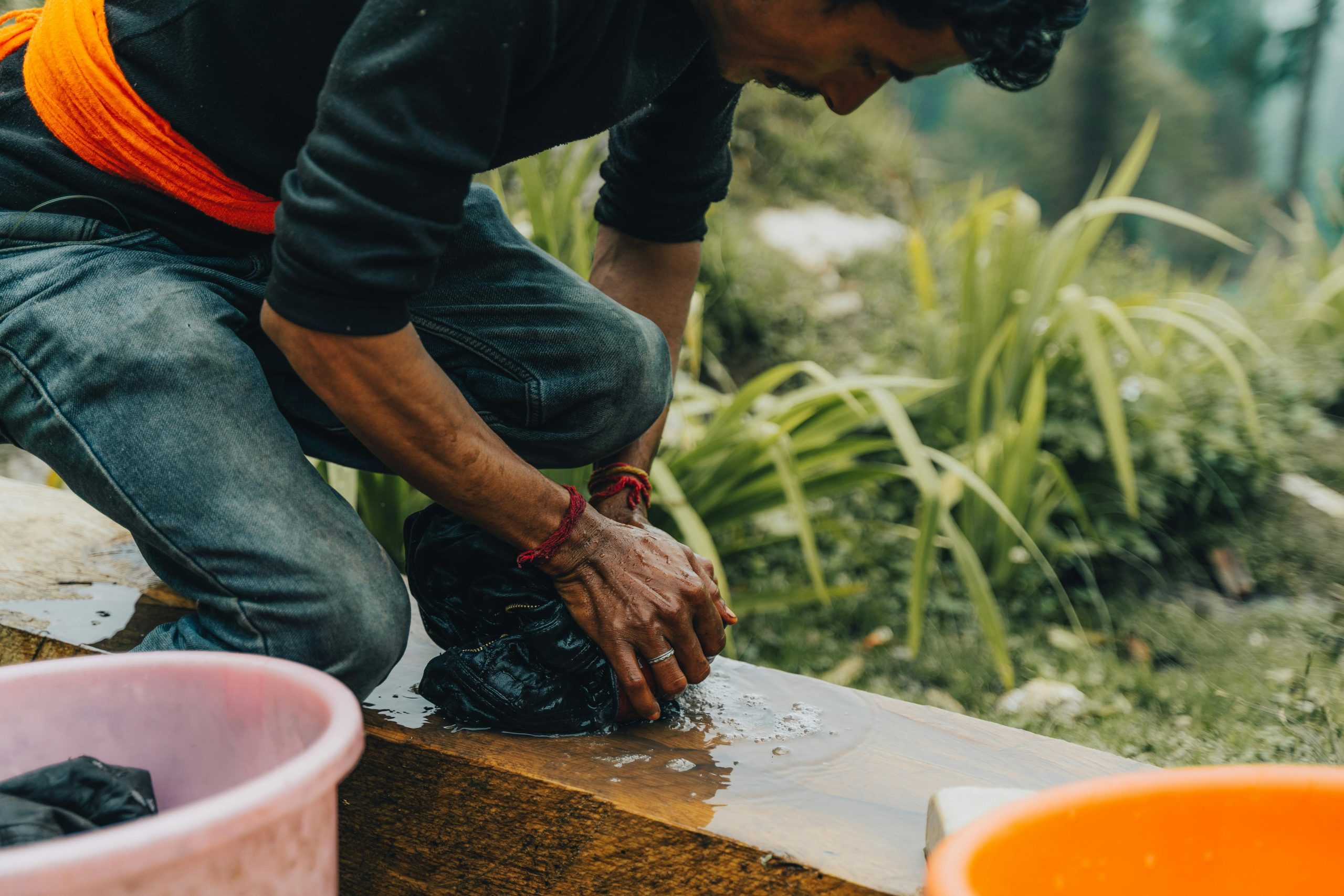
You might remember your grandparents using a washboard to scrub clothes by hand. These boards usually have a ridged surface to help remove stains when rubbed with soap and water.
Using a plastic washboard today means it’s tough and less likely to break. It’s a simple tool that helps you clean clothes without electricity.
Washboard washing takes a bit of effort but can be satisfying. It’s a skill many have forgotten, yet it still works well for prewashing tough stains.
Using rotary dial telephones
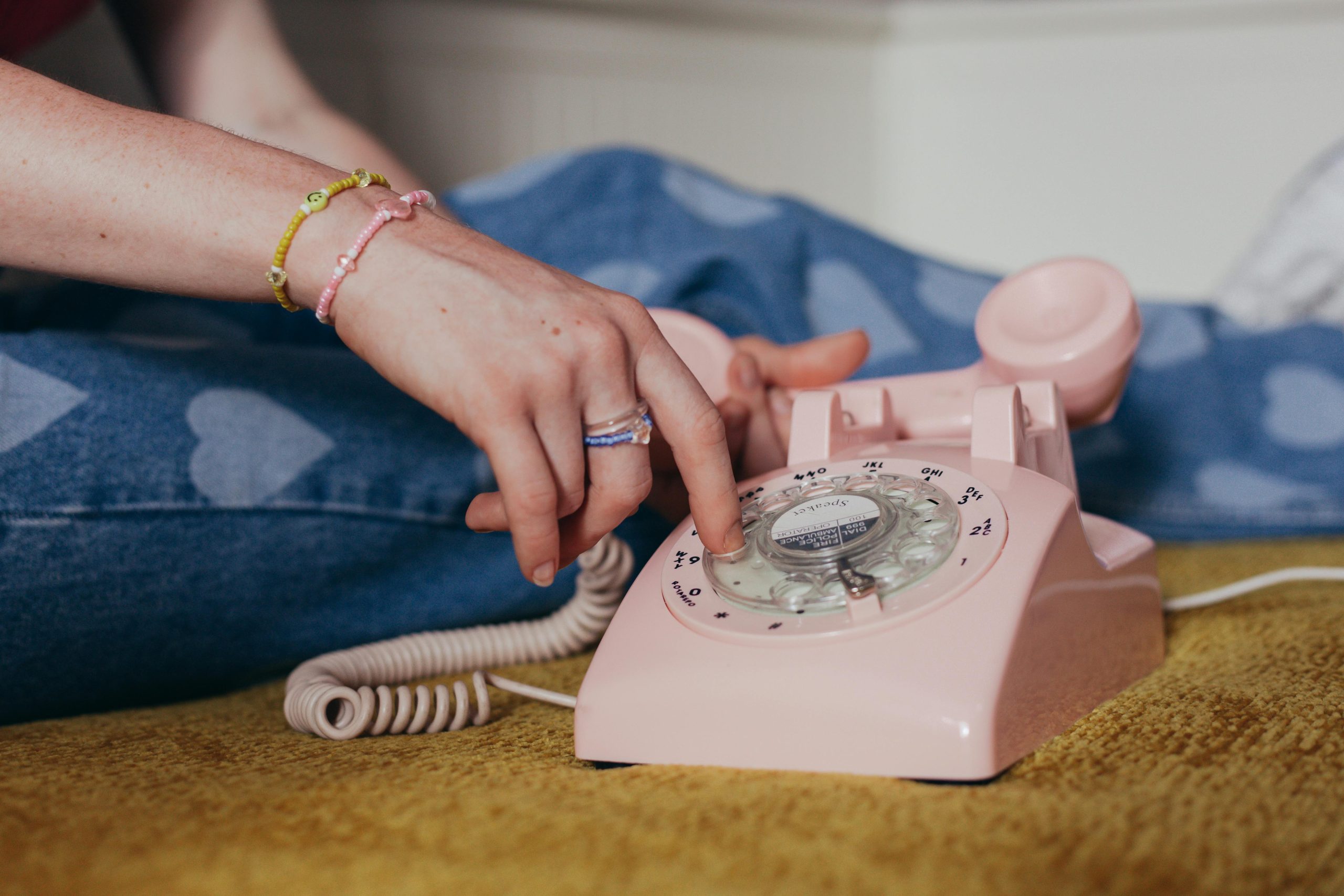
If you’ve never used a rotary phone, it might feel confusing at first. You pick up the handset, place your finger in the hole for the number, then turn the dial until it stops.
Each number requires you to wait for the dial to return before dialing the next. It’s slower than modern phones, but that was just how it worked back then.
Kids today might find it tricky, but for your grandparents, it was second nature. It’s a small reminder of how much phone technology has changed.
Line drying laundry on clotheslines

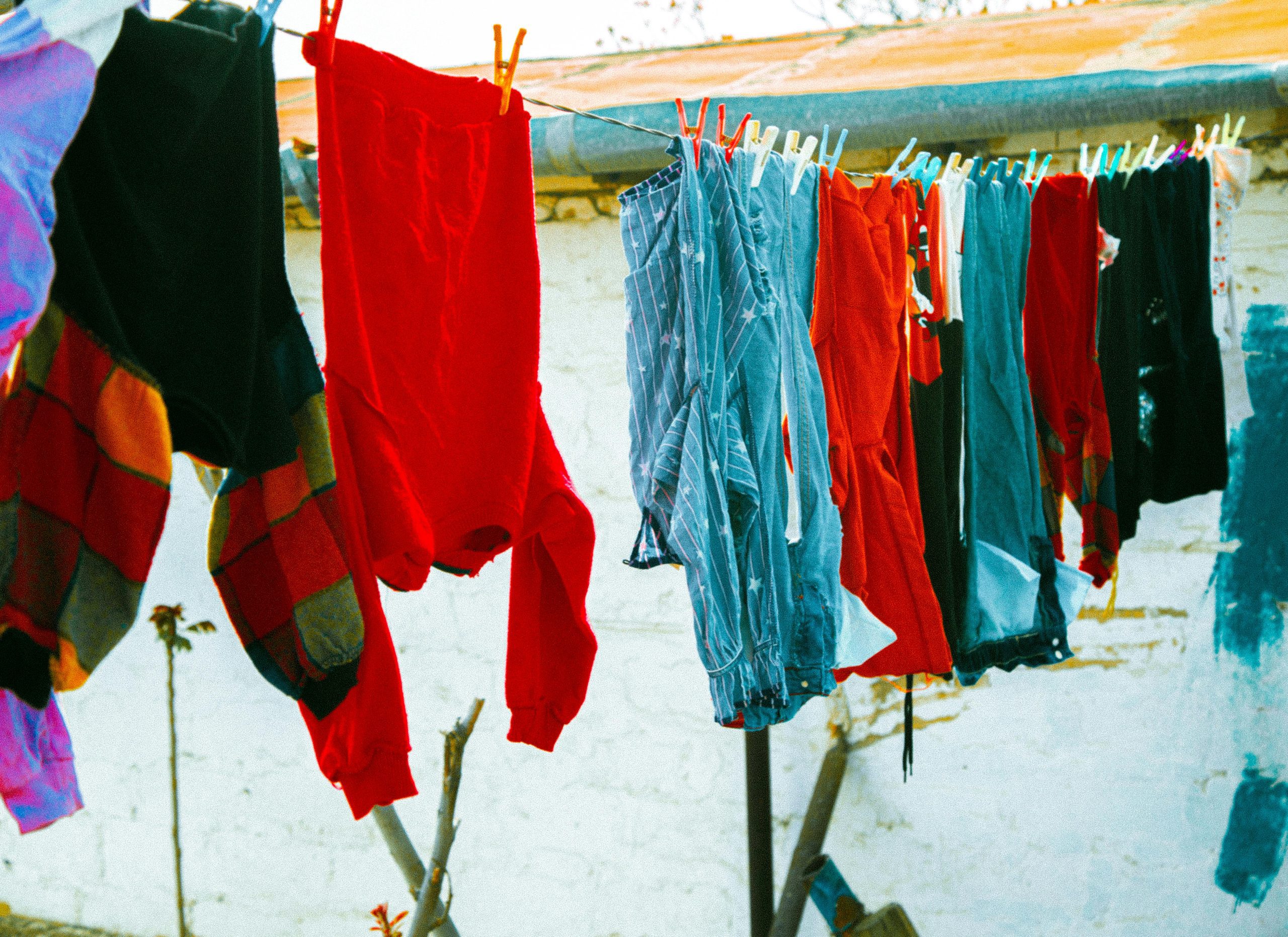
You remember the simple act of hanging clothes outside to dry. It wasn’t just practical; it gave your laundry a fresh, natural scent that a machine dryer can’t match.
Using a clothesline also meant patience. You had to wait for the sun and breeze, which could feel like a small daily ritual.
Though some places no longer allow clotheslines, many still cherish the freedom and savings they provide. It’s a quiet way to slow down and enjoy the little things.
Homemade preserving and canning
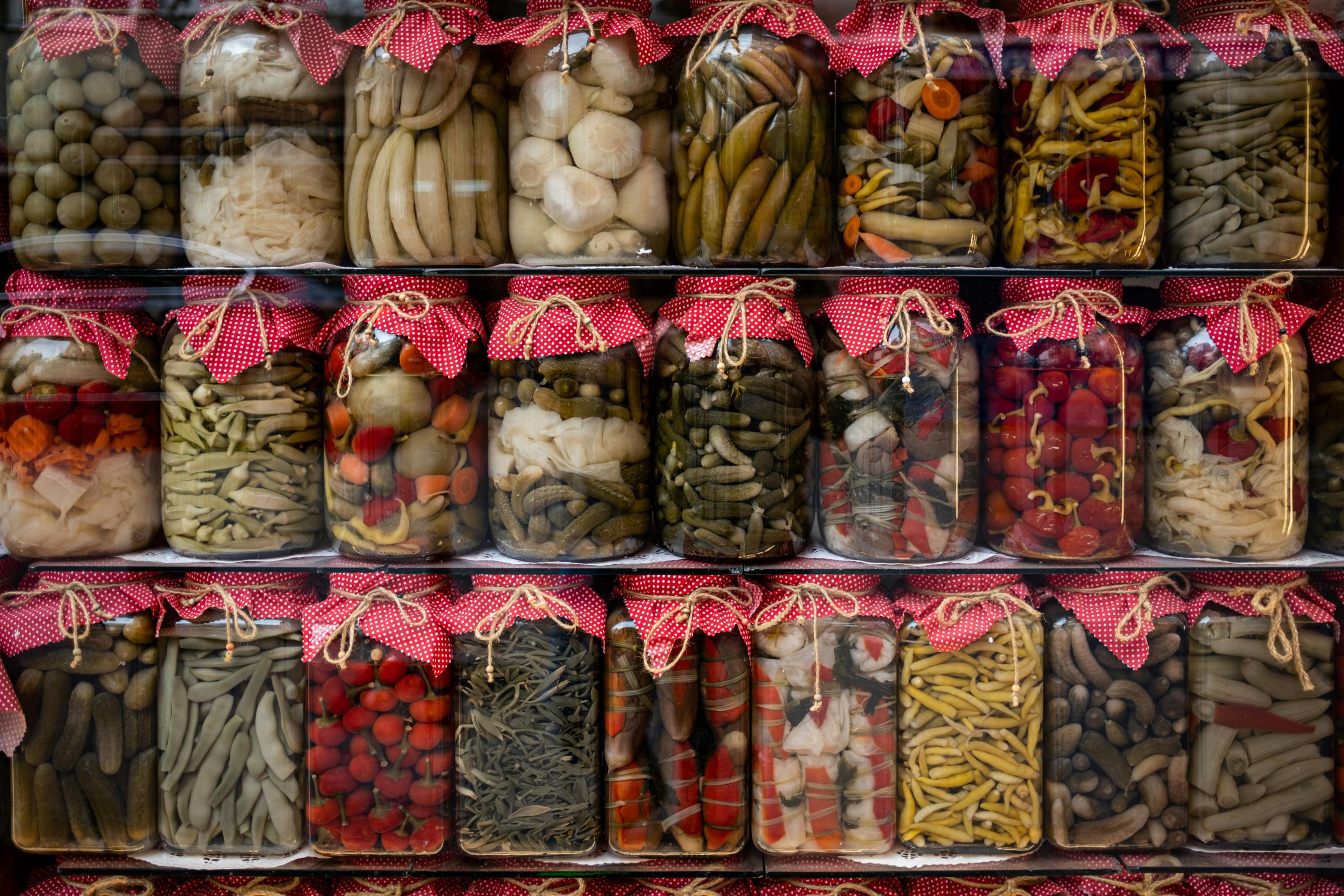
You might have grown up watching your grandparents carefully preserve fruits and vegetables in jars. Canning was a way to save the harvest and enjoy it through winter months. It takes patience and some basic tools, like a pressure canner, which was once common in many kitchens.
Your grandparents likely followed simple, tried-and-true recipes passed down for generations. This tradition helped reduce waste and kept food fresh before refrigeration was widespread. Trying canning yourself can connect you to those roots and show you the care involved.
Handwritten letters and postcards
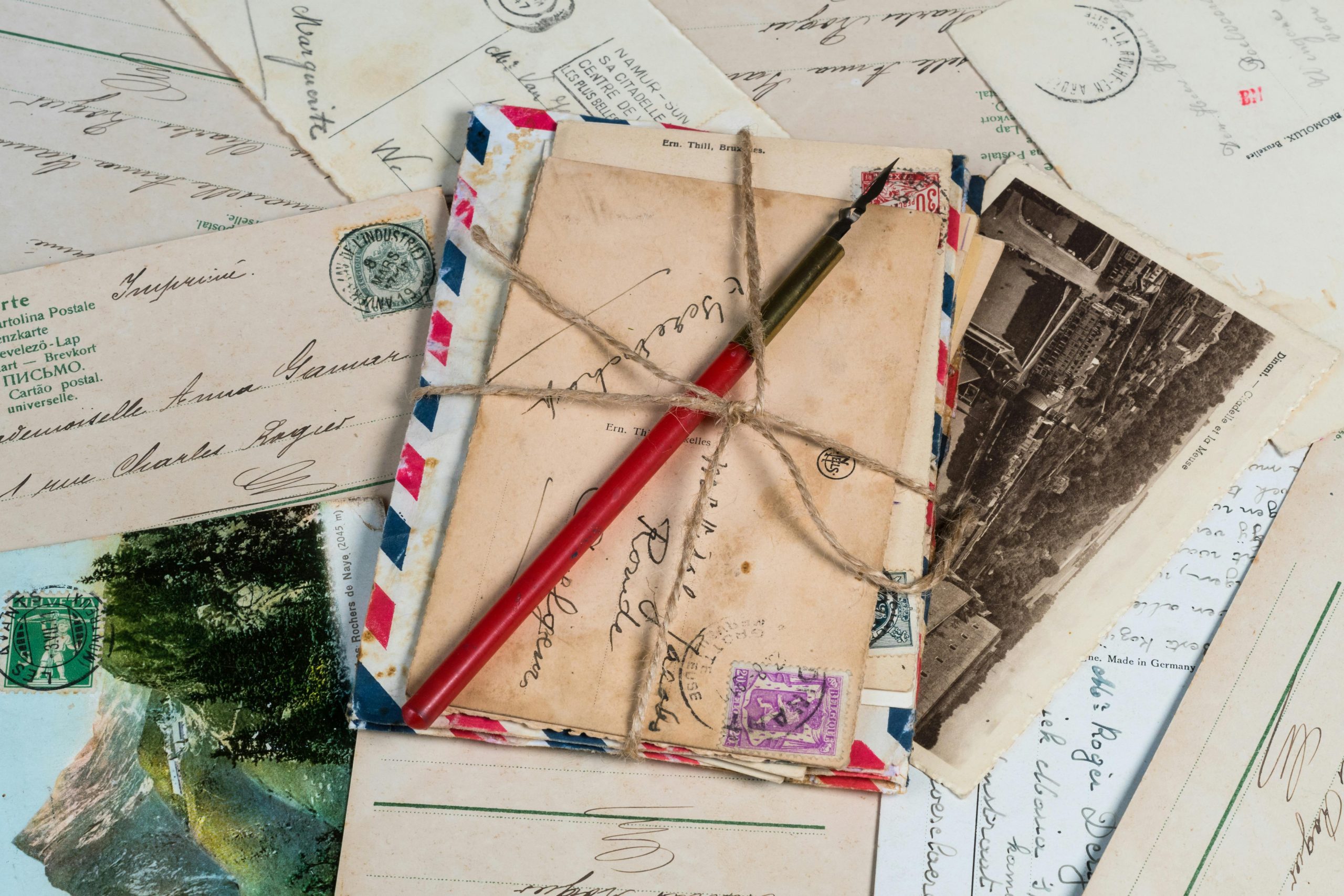
You might remember when sending a message meant writing a letter or postcard by hand. Each note was personal and took time to create.
Receiving a handwritten letter felt special because someone had carefully chosen their words and carried the pen across the paper just for you.
These letters were often saved and cherished, becoming keepsakes you could revisit whenever you wanted a reminder of the past.
Coal or wood-fired heating stoves
Taryn Elliott/ pexels
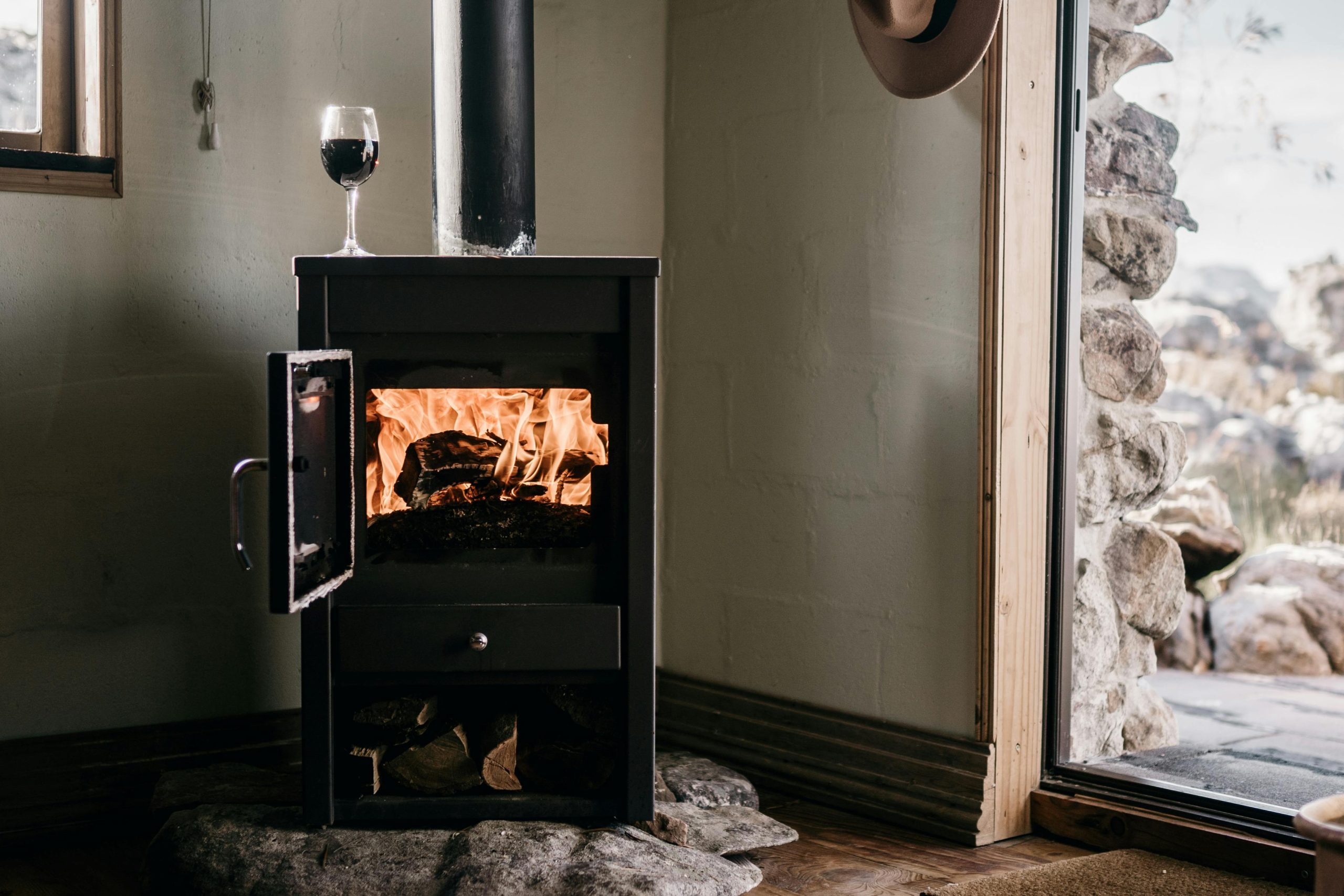
You might remember how your grandparents heated their homes with coal or wood stoves. These stoves were not just for warmth but also for cooking, making them central to daily life.
Using these stoves required patience—starting a fire and keeping it going took skill. The smell of burning wood or coal and the warmth it gave were familiar comforts.
Sewing and mending clothes by hand
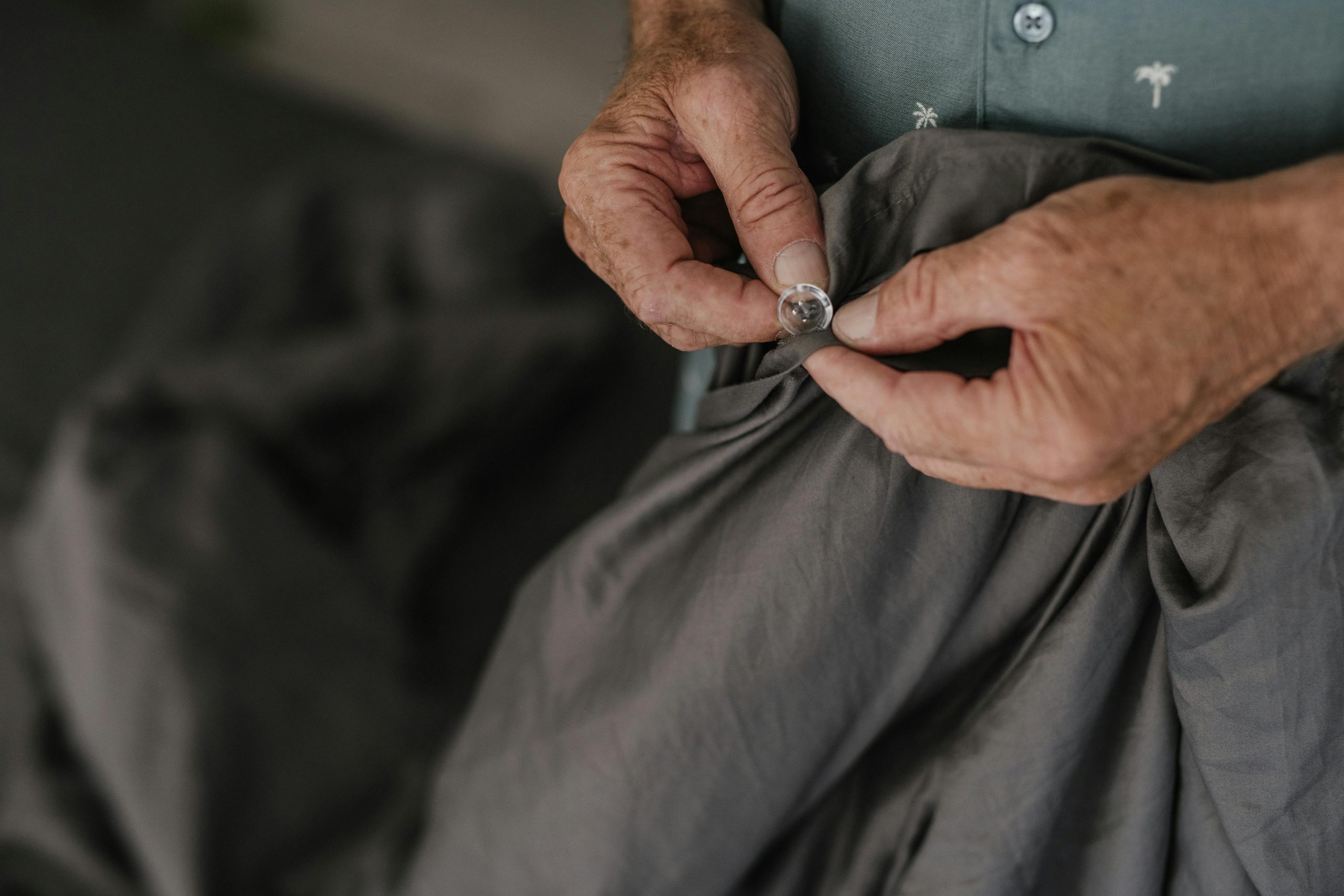
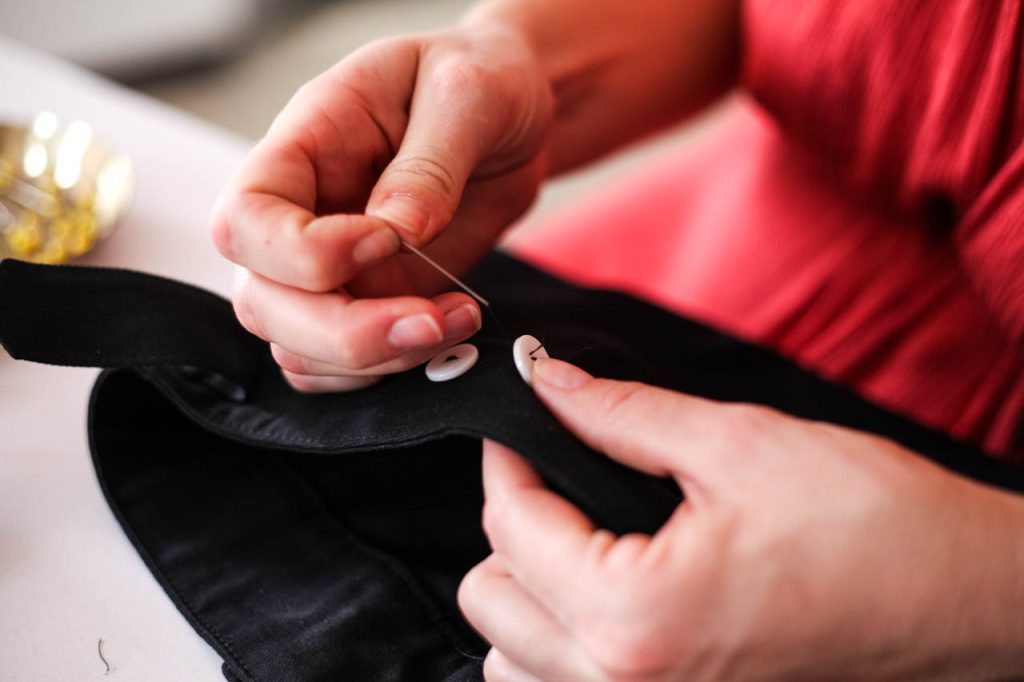
You might find it surprising how common hand sewing once was. Your grandparents often repaired clothes themselves to save money and extend the life of their garments.
Knowing how to sew was a practical skill, not just a hobby. It was normal for people to patch holes, replace buttons, or fix zippers by hand.
Today, fewer young people learn these skills, but sewing can be both useful and creative. It’s a way to care for your clothes and reduce waste.
Quilting and patchwork blankets


You might remember quilts made by your grandparents using scraps from old clothes or leftover fabric. These blankets were often handmade with care, turning simple pieces into warm, meaningful covers.
Quilting was a way to recycle materials and share stories. Each patch could remind you of a family member or a special time, making every quilt unique.
If you’ve seen a quilt that’s been passed down, you know it carries more than warmth—it holds memories.
Using encyclopedias for research
Yaroslav Shuraev/ pexels
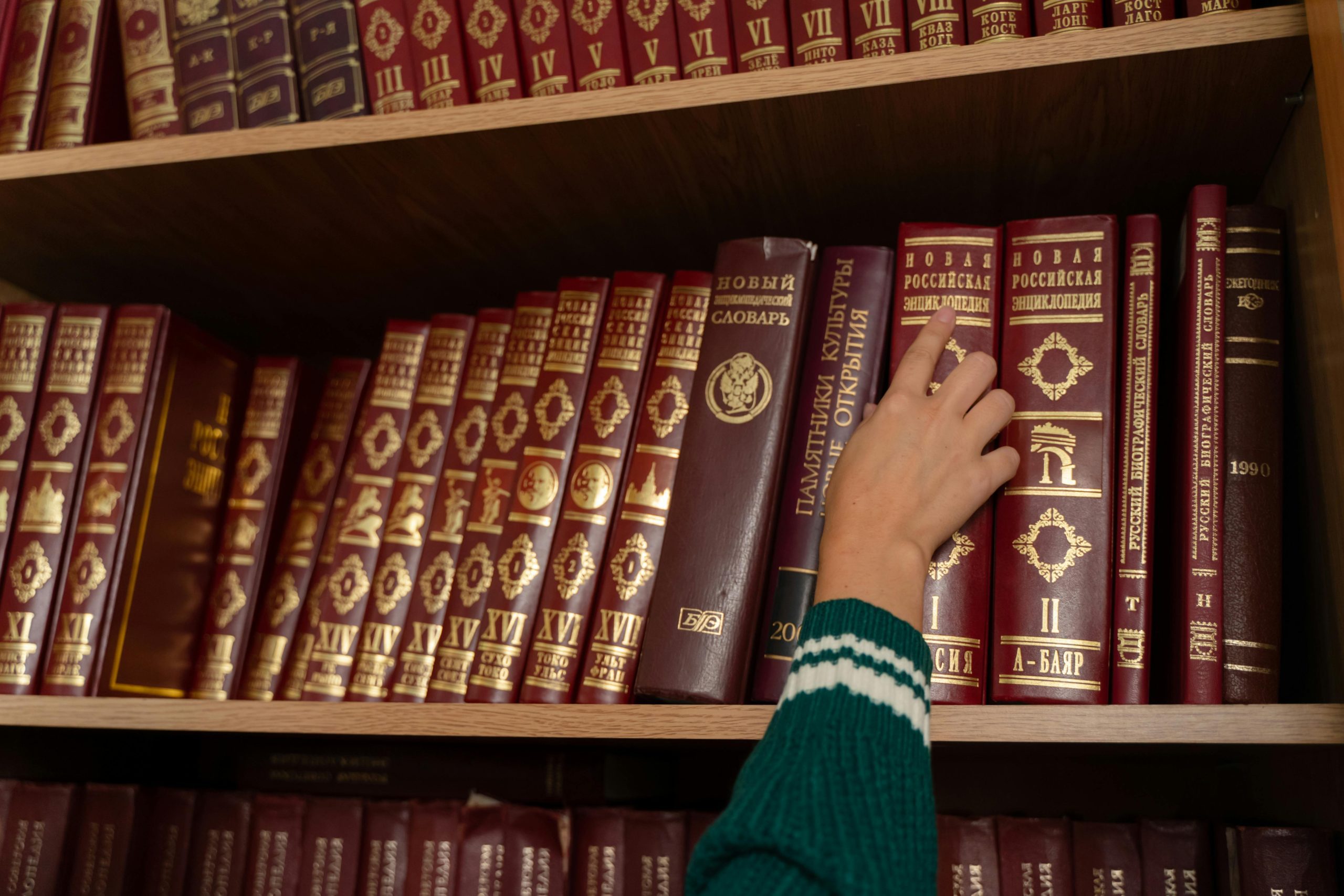
You probably remember pulling down heavy books from a shelf when you needed information. Encyclopedias were the go-to source before the internet.
Your family might have had a full set, sometimes collected over years. You’d often spend hours flipping through pages to find just the right fact.
Each volume covered different topics, sometimes arranged by subject instead of alphabetically. Looking up facts required patience and careful reading.
Listening to radio dramas and serials
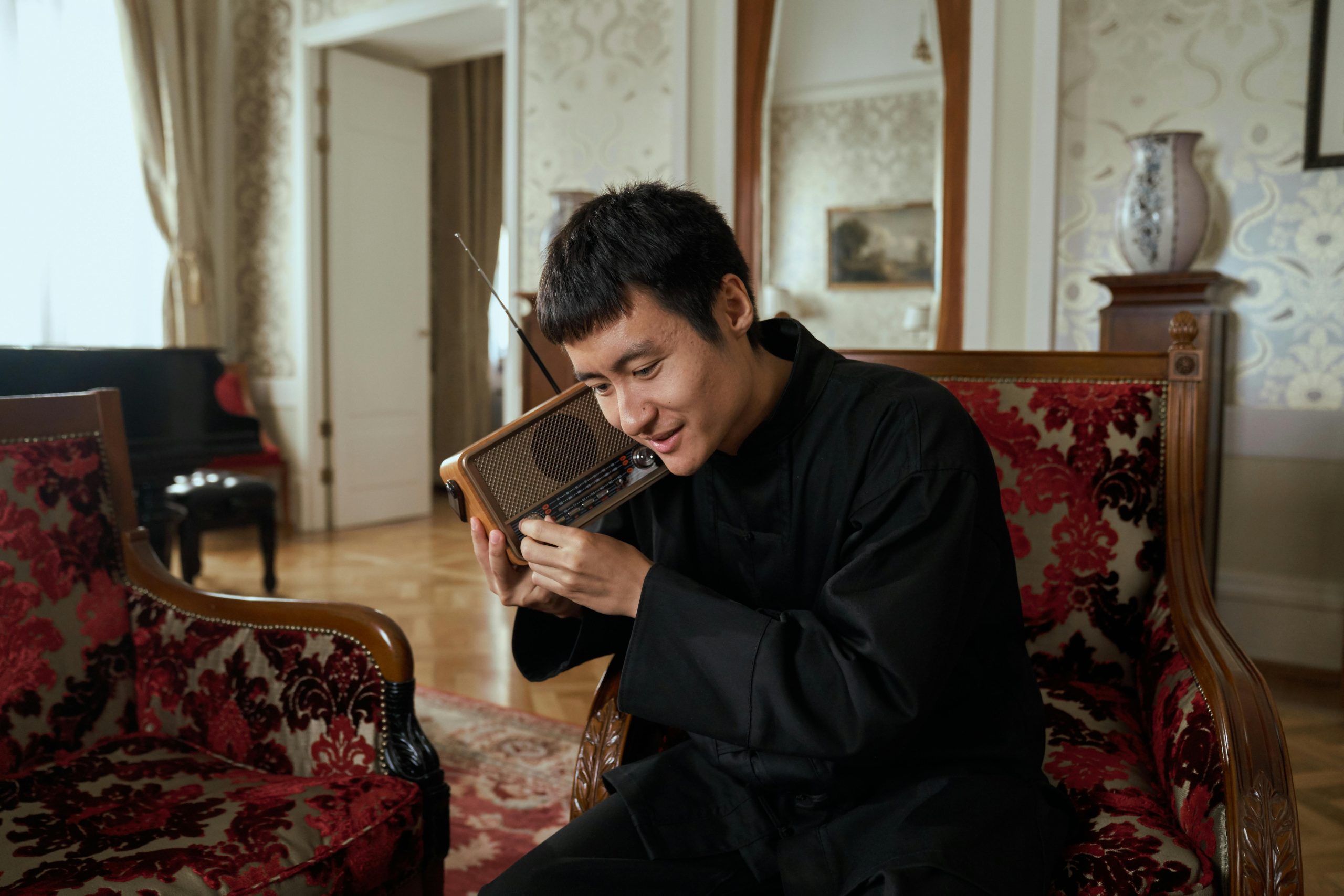
You grew up in a time when radio was a main source of entertainment. Listening to radio dramas brought stories to life through voices and sound effects.
Before TV, you imagined characters and scenes from just what you heard. It was a shared experience, often enjoyed with family gathered around the radio.
These shows connected communities and sparked your creativity in a way visual media can’t fully replace.
Calling operator for long-distance calls

When you wanted to make a long-distance call, you didn’t just dial the number. You picked up the phone and asked the operator to connect you.
The operator would then manually ring the other person for you, which took patience. You had to wait quietly while they made the connection.
This process feels slow compared to today’s instant dialing, but it was how most people stayed in touch over long distances back then.
Changing oil and basic car repairs
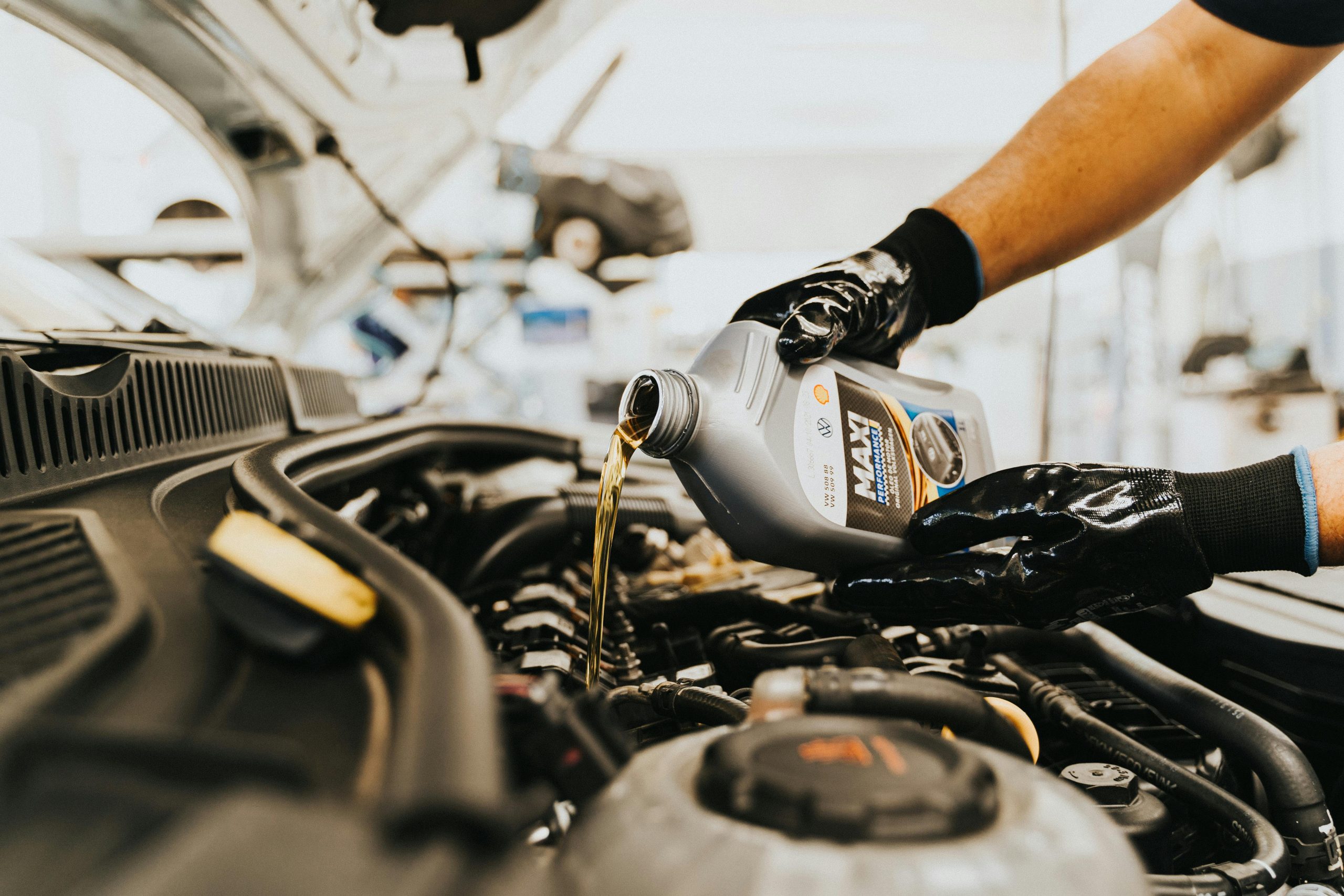
You likely learned how to check your oil and change it yourself, a skill many grandparents mastered. Knowing when and how to change your oil meant taking care of your car without relying on a mechanic.
Basic repairs like checking brake fluid or changing a tire were routine. These tasks helped keep your vehicle running smoothly and saved money in the long run.