


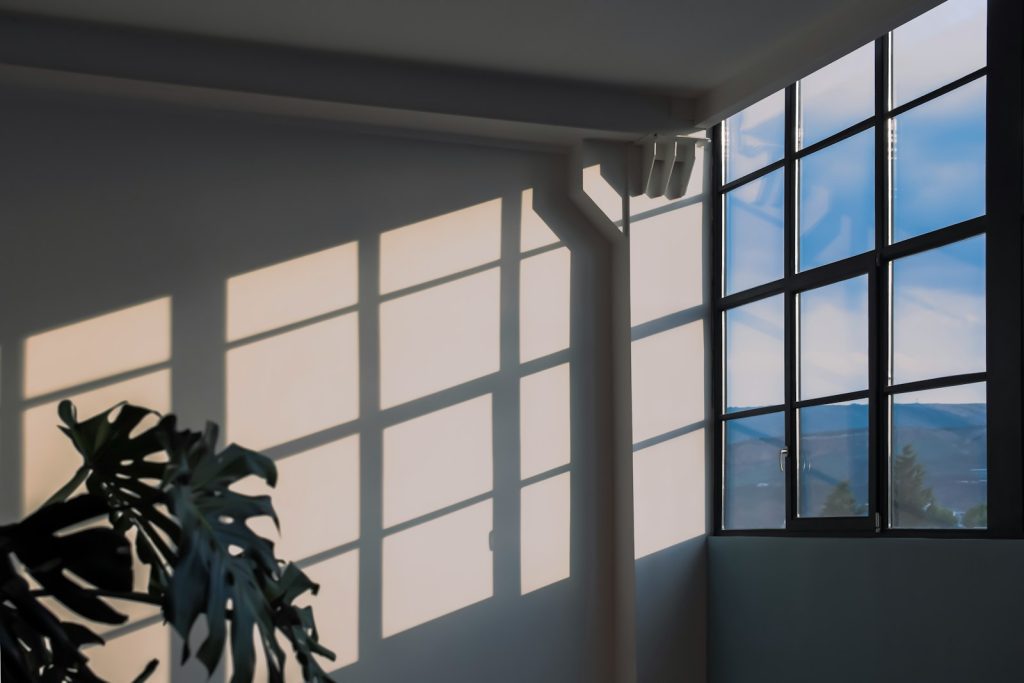
Your home can be beautifully decorated and still feel oddly unfinished, like you stopped just short of the last 10 percent. That lingering sense of “not quite done” usually comes from a handful of small but fixable details. By tightening up these weak spots, you can make every room feel intentional, polished, and truly lived in instead of like a work in progress.

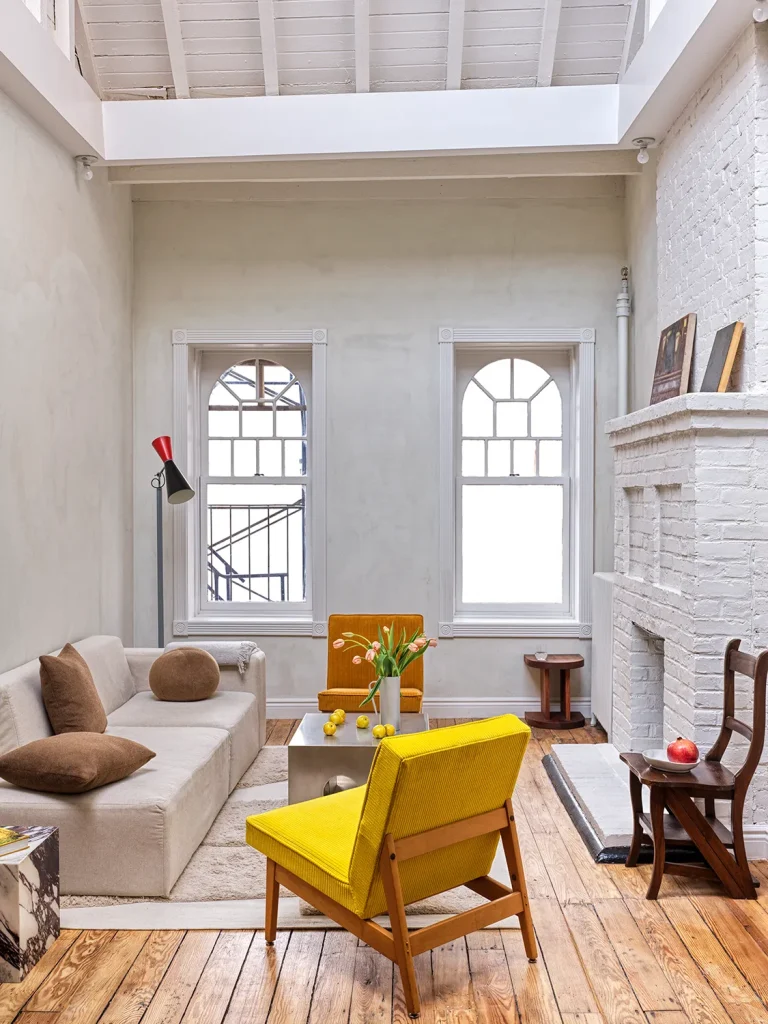
1) Bare Walls With No Art or Personality
Bare walls are one of the fastest ways to make a space feel unfinished, even if your furniture is stylish and new. When walls stay empty, the room can read as temporary, like you have not fully committed to living there. Design guidance on 8 things that make your home feel less finished highlights how simple additions on walls, floors, windows, and decor help a house feel like a home. That perspective underscores how important it is to treat wall space as part of the overall design, not an afterthought.
Filling your walls does not mean covering every inch, but you should aim for at least one focal piece per main wall. Framed photographs, vintage posters, or a single large canvas can anchor a seating area and visually “finish” the room. When you skip this step, the eye has nowhere to land, which can make even expensive furniture feel disconnected. Thoughtful art choices also signal that you have moved beyond basic functionality into a more curated, long-term mindset.
2) Neglected Front Yard and Entry Approach
A neglected front yard makes your entire home feel unfinished before anyone even steps inside. Patchy grass, sparse planting beds, or a bare walkway send the message that the exterior is still waiting for its final layer of care. Ideas for front yard landscaping show how even modest updates, like defined borders or a few well-placed shrubs, can transform the way a house sits on its lot. When the front of your property looks thoughtfully composed, the architecture and entry suddenly feel more intentional too.
From a design standpoint, the front yard is your first impression and sets expectations for what is inside. A simple path lined with low lighting, a pair of planters by the door, or a small seating area can make the approach feel complete. Ignoring this zone keeps your home in a perpetual “before” state, which can subtly affect how you and visitors experience the interior. Investing in curb appeal is not just about resale value, it is about signaling that the whole property has been considered.
3) Plain Ceilings With No Visual Interest
Plain, unadorned ceilings can leave a room feeling unfinished, even when everything at eye level looks pulled together. Design coverage on how to upgrade your ceilings emphasizes that this “fifth wall” is increasingly treated as a design opportunity. When you ignore it, you miss a chance to frame the room and create a sense of enclosure. A flat white expanse with no texture, beams, or color can make the space feel like a builder-grade starting point rather than a completed environment.
Adding interest overhead does not have to be elaborate. Painted ceilings, subtle wood planks, or even a bold light fixture can visually finish the upper plane and draw the eye upward. This is especially impactful in living rooms and bedrooms, where you spend time looking up from seating or bed. When the ceiling feels considered, the entire room reads as more custom and cohesive, which helps erase that lingering “we are not done yet” feeling.
4) Relying Only on Overhead Lighting
Relying solely on a single overhead fixture is a classic mistake that makes interiors feel flat and incomplete. Guidance on interior design mistakes that make your home look unfinished notes that “Relying solely on overhead lighting can make a room feel flat and uninspired” and advises you to “Incorporate a mix of lighting sources, ambient, task, and accent, to” create a more layered effect. That shift from one harsh source to several softer ones instantly changes how finished a room feels.
In practice, this means pairing ceiling fixtures with table lamps, floor lamps, sconces, and even small picture lights. Each type serves a different purpose, from reading to highlighting art, and together they create depth and warmth. When you skip these layers, corners fall into shadow and surfaces can look stark, which undermines even the best furniture and paint choices. A thoughtful lighting plan signals that you have considered how the room works at different times of day, a hallmark of a truly complete space.
5) Windows Without Proper Treatments
Undressed or poorly dressed windows are another giveaway that a home is not fully finished. Bare glass can feel temporary, like you just moved in or are still deciding what to do. The same reporting that outlines 8 things that make your home feel less finished points to windows as a key area where simple changes have an outsized impact. When you add well-fitted shades, curtains, or both, the room suddenly feels more grounded and private.
Proper window treatments also help visually frame views and control light, which affects how colors and textures read throughout the day. Panels that are too short or hung too low can look as incomplete as no curtains at all, so scale and placement matter. Treating windows thoughtfully suggests you are planning to stay, not just passing through. That sense of permanence is what shifts a space from “almost there” to confidently complete.
6) Empty or Under-Styled Shelving
Empty bookcases and sparsely styled shelves can make a room feel like it is waiting for the final boxes to be unpacked. When horizontal surfaces are either bare or piled with random items, they read as unfinished rather than curated. Advice on how to make your home feel unique notes that Some vintage art, ceramics and knick knacks can quickly elevate a shelf or mantle from boring to thoughtful. That kind of mix gives the impression that the space has evolved over time instead of being staged overnight.
To avoid an unfinished look, treat shelves as small compositions. Combine books with objects, vary heights, and leave a bit of breathing room so everything does not feel crammed. Rotating pieces seasonally can keep things fresh without starting from scratch. When shelves are intentionally arranged, they tell a story about who lives there, which is often what separates a generic room from one that feels truly complete.
7) A Mantel Decorated With the Wrong Items
A fireplace should be a natural focal point, but the wrong decor can make it look awkward and unfinished. Guidance on things you should never use to decorate your fireplace warns that certain objects simply “look bad” in this spot. Cluttered collections, unsafe materials, or items that are wildly out of scale can all distract from the architecture. When the mantel feels off, the entire room can lose its sense of balance and completion.
Instead of treating the mantel as a catchall, approach it like a carefully edited display. A large mirror or piece of art, a pair of candlesticks, and one or two sculptural objects are often enough. Leaving some negative space keeps the arrangement from feeling chaotic. Because the fireplace is usually visible from multiple angles, getting this area right has an outsized effect on how finished the whole living space appears.
8) No Cohesive Color Story
A home without a cohesive color story often feels pieced together, as if each room was decorated in isolation. When wall colors, textiles, and finishes do not relate, the overall impression is that the design process stopped halfway. Even if each individual space is attractive, the transitions can feel jarring. This lack of flow undermines the sense that the home has been fully thought through, which is central to avoiding an unfinished vibe.
Creating cohesion does not require using the same color everywhere. Instead, choose a limited palette and repeat those hues in different ways from room to room. For example, a navy accent in the living room might reappear as bedding in the bedroom or tile in the bathroom. This repetition quietly ties spaces together, making the entire home feel like a single, completed project rather than a series of unrelated experiments.
9) Generic Decor With No Personal Touches
Rooms filled only with generic decor can feel like a hotel suite, pleasant but emotionally flat. Without personal touches, there is a sense that anyone could live there, which often reads as unfinished because your story is missing. Design advice on making a home feel distinctive points out that Some carefully chosen pieces, such as travel mementos or handmade ceramics, instantly add character. Those items signal that the space has been shaped by real experiences rather than just a shopping list.
To avoid a cookie-cutter look, mix in family photos, inherited furniture, or art from local makers alongside more neutral basics. Even a single quirky lamp or vintage rug can shift the mood from staged to lived-in. These details do more than decorate, they communicate who you are and what you value. When that layer is missing, the home can feel like it is still waiting for its final, most important ingredient: you.
10) Ignoring Themed or Playful Accents Entirely
Refusing to incorporate any playful or themed accents can leave a home feeling overly serious and, paradoxically, incomplete. A few well-chosen pieces tied to your interests can make spaces feel finished because they show you have gone beyond basics into true customization. For example, a curated set of Avengers home decor items can turn a media room or office into a space that clearly belongs to a fan. When done thoughtfully, these touches read as intentional design choices rather than clutter.
The key is editing. One themed pillow, a framed poster, or a subtle figurine on a shelf can be enough to inject personality without overwhelming the room. Skipping this layer entirely can make even beautifully furnished spaces feel like they lack a point of view. By contrast, a few playful accents show that you have taken the time to tailor your environment, which is a hallmark of a truly finished home.
11) Floors Without Rugs or Defined Zones
Large expanses of bare flooring can make rooms feel echoey and incomplete, especially in open-plan layouts. Without rugs, furniture often looks like it is floating, and there is no visual cue to define different zones. Design guidance on what makes rooms feel less finished highlights floors as a key area where simple additions change the overall mood. When you introduce the right rug, the seating area or dining space suddenly feels anchored and deliberate.
Rugs also add texture, color, and acoustic softness, all of which contribute to a sense of completion. The size matters as much as the style, pieces that are too small can actually emphasize that something is missing. Aim for rugs that allow at least the front legs of major furniture to sit on them. Once the floor is visually grounded, the rest of the room has a stronger foundation, which helps every other design decision feel more resolved.
12) Rooms Without Functional Task Zones
Spaces that only address one type of use often feel unfinished because daily life is more complex than a single activity. A living room with seating but no place to set a drink, or a bedroom with a bed but no reading light, suggests the design stopped at the most obvious step. When you do not carve out functional task zones, such as a small desk area or a reading corner, the room can feel like a stage set rather than a fully realized environment.
Finishing a room means thinking through how you actually live there. In a kitchen, that might mean adding a small coffee station; in a hallway, a console with a tray for keys and mail. These micro-zones make daily routines smoother and visually signal that the space is working hard for you. When they are missing, you are left with a pretty shell that never quite feels complete in practice.
13) Cluttered Surfaces and Visible Cords
Cluttered surfaces and tangled cords can undo even the best design work, making rooms feel chaotic and half-finished. When every countertop, nightstand, and media console is covered with items, it is hard to appreciate the underlying furniture and layout. Visible cables around TVs, desks, and lamps add to the sense that things were set up quickly and never refined. This visual noise keeps the home in a constant state of “almost organized,” which reads as unfinished.
Addressing this does not require minimalism, just better containment and concealment. Use trays to corral everyday items, baskets for blankets and toys, and cord covers or cable boxes to tidy electronics. Once surfaces are edited and wires are hidden, the architecture and decor can finally take center stage. That clarity is often what separates a space that feels perpetually in progress from one that feels confidently complete.
14) Rooms That Lack a Clear Focal Point
Rooms without a clear focal point often feel unsettled, as if the design never quite came together. When the eye does not know where to land, everything competes for attention and nothing feels finished. A focal point can be a fireplace, a large piece of art, a statement headboard, or even a dramatic light fixture. Without one, furniture arrangements tend to drift, and decor choices can feel random rather than coordinated around a central anchor.
Creating a focal point gives you a reference for every other decision, from rug placement to accent colors. In a living room, that might mean centering seating around a media wall; in a bedroom, orienting everything toward the bed. Once that hierarchy is established, the room reads as intentional and complete. Skipping this step leaves spaces feeling like they are still waiting for the final, defining element that pulls everything together.
More from Decluttering Mom: