



Collecting items can be a fun and meaningful way to personalize your home. However, some of the things you gather might be quietly causing damage or creating hazards without you realizing it.
Understanding which common household collections could harm your house helps you protect your space while still enjoying your treasures. Knowing this can save you time, money, and stress in the long run.
Antique Lead-Based Paint Decor

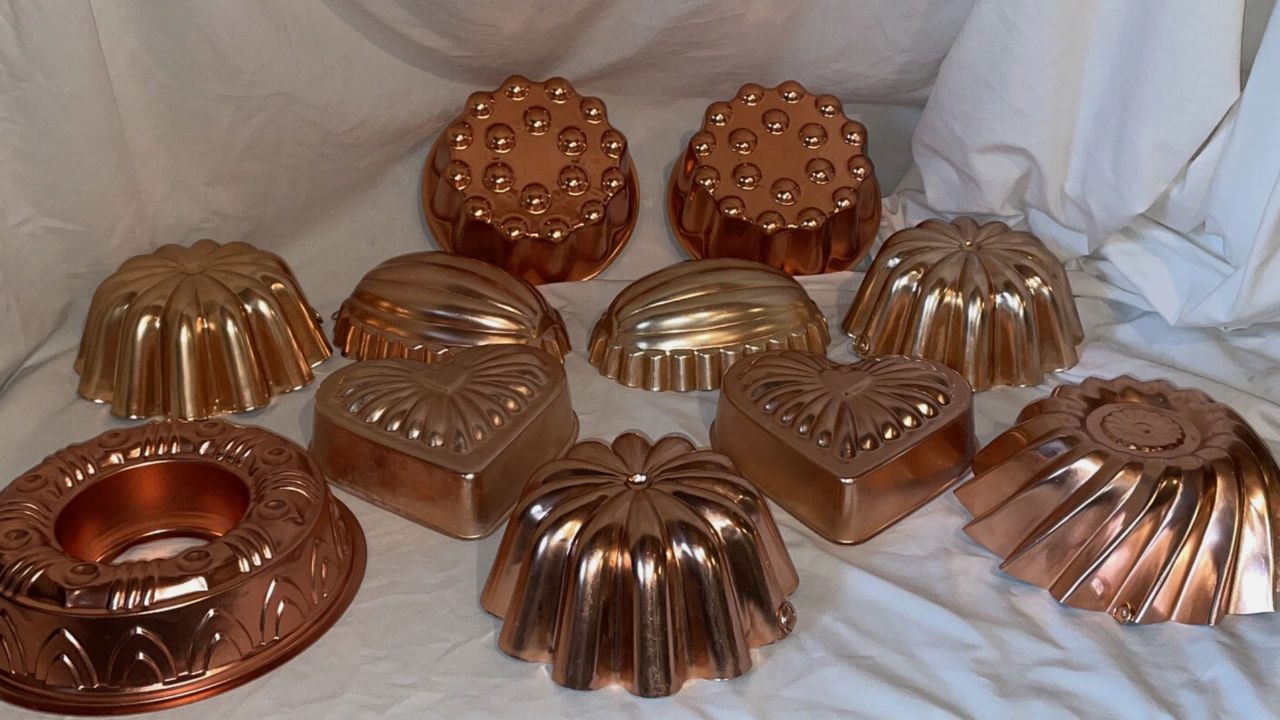
If you collect antiques with old paint, you might have lead-based paint on them. This paint was common before 1978 and can be harmful, especially if it chips or creates dust.
You should avoid sanding or scraping these items, as disturbed paint can release dangerous particles. Keep these pieces intact and away from children, who are more vulnerable to lead exposure.
Old Mercury Thermometers
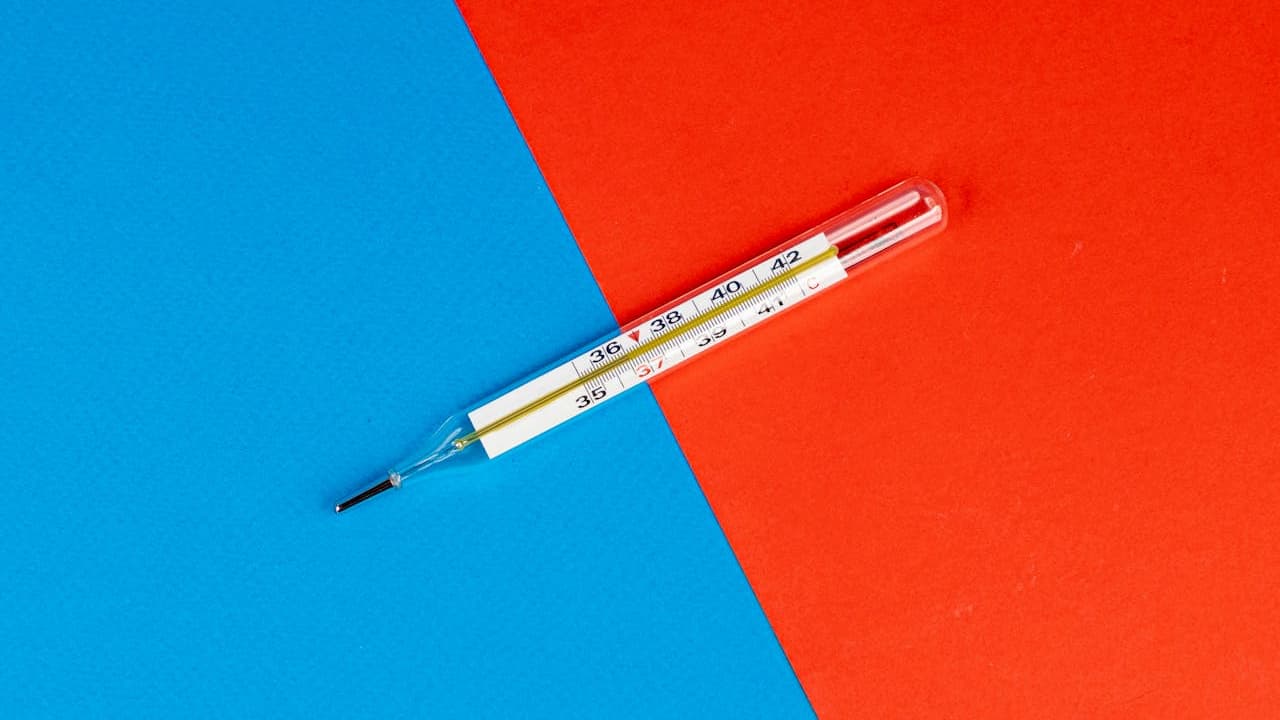
If you still have old mercury thermometers, they can be a hidden risk in your home. Mercury is toxic and can affect your brain, kidneys, and nervous system if it escapes.
Breaking a thermometer can release mercury vapors, which are harmful to breathe in. It’s best not to handle broken mercury and to avoid throwing these thermometers in regular trash. Contact your local health department for safe disposal options.
Vintage Arsenic-Treated Fabrics

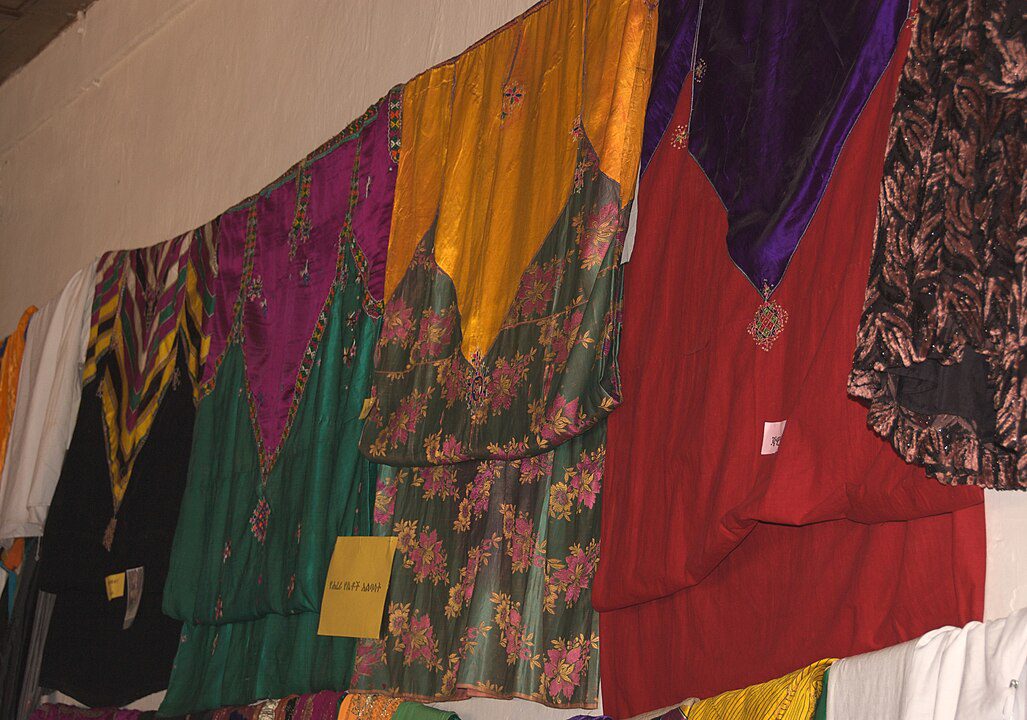
If you collect vintage fabrics, be aware some were treated with arsenic, especially those with green dyes popular in the 1800s. The chemical was used to achieve bright colors but can be toxic if fibers break down.
You usually won’t be harmed just by handling these fabrics gently. However, exposure can increase if the fabric is dusty or deteriorating. Keep them sealed or stored safely to reduce risk in your home.
Uranium Glassware
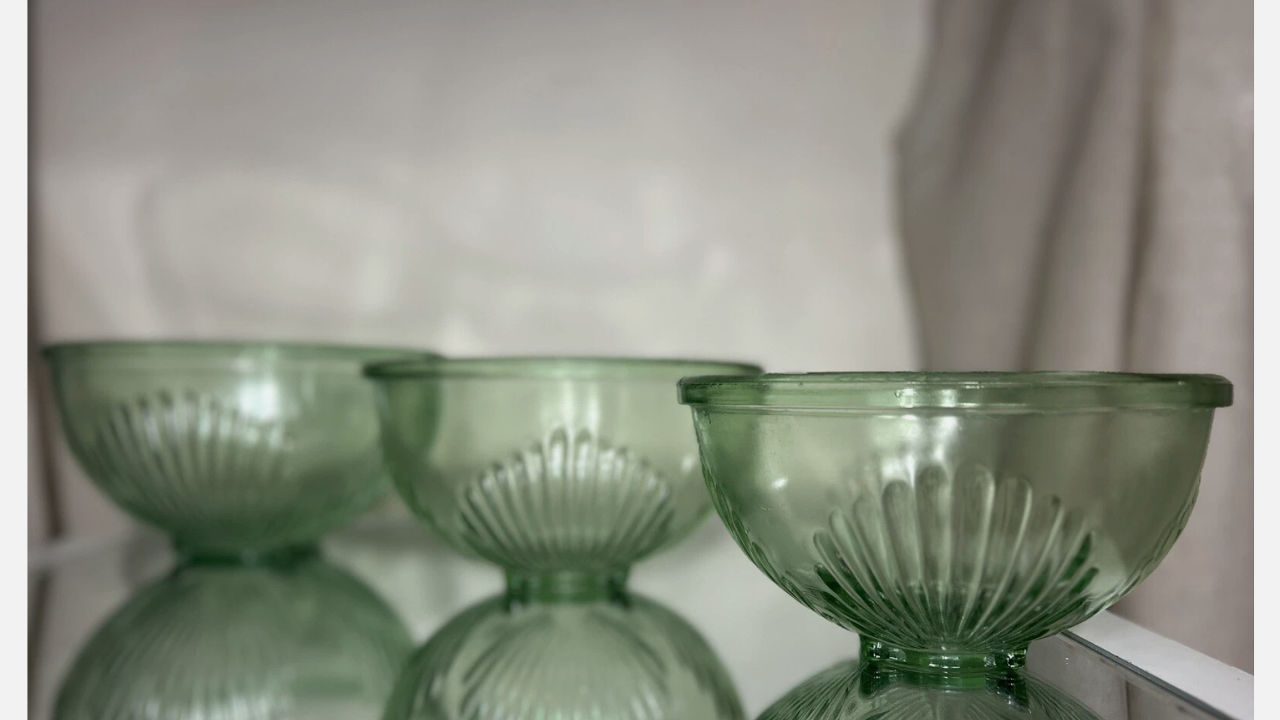
If you collect uranium glassware, you should know it contains small amounts of radioactive uranium. The radiation is very low and usually not harmful if the pieces are just for display.
Avoid using uranium glass for food or drinks to reduce any risk. Keep these items in closed cabinets to limit exposure.
While they glow under black light and look cool, your safety comes first when handling or displaying uranium glassware.
Mercury Barometers

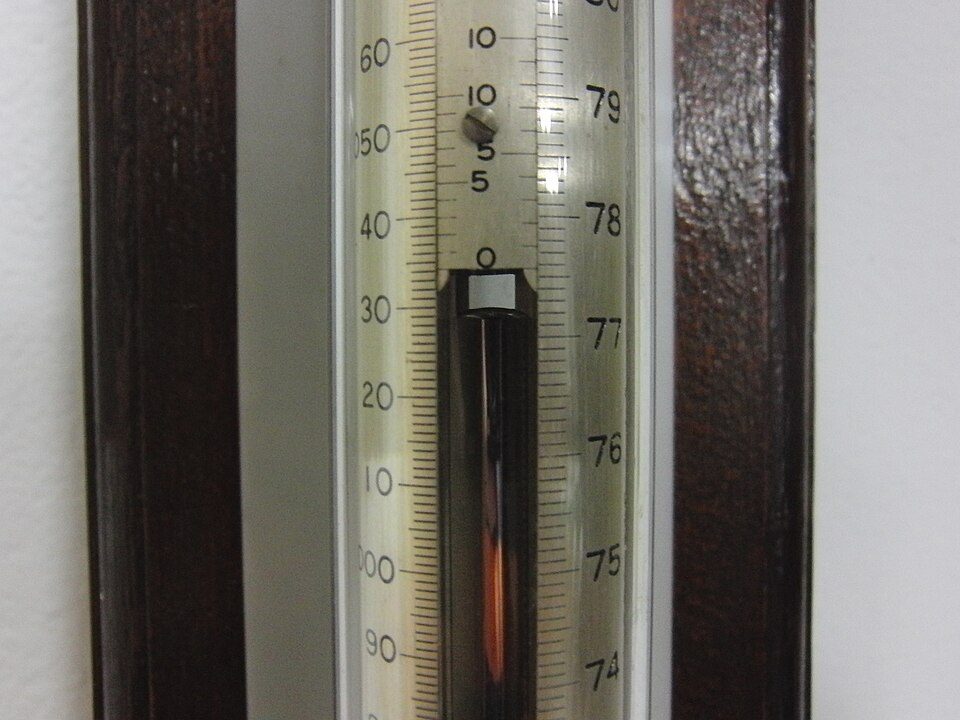
If you have a mercury barometer, it generally isn’t dangerous when intact. The mercury is sealed inside, so it won’t harm you as long as it stays that way.
However, if the barometer breaks or leaks, mercury exposure can be harmful. Mercury is toxic and can affect your health and indoor air quality.
Be cautious when handling or moving old mercury barometers. Consider using household hazardous waste programs to dispose of them safely if needed.
Old Porcelain Dolls with Toxic Paint

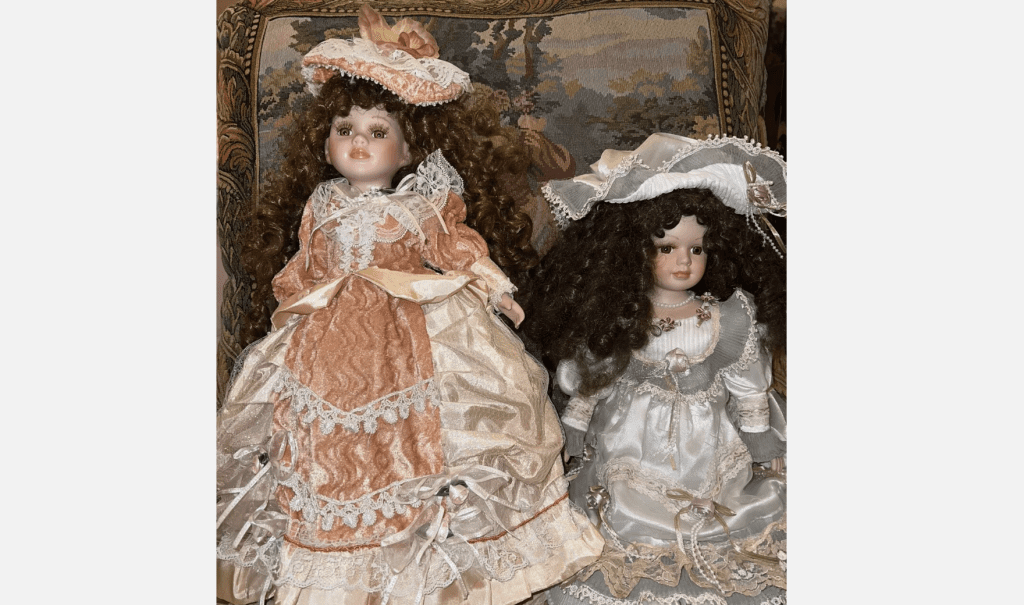
If you have old porcelain dolls, be aware their paint might contain lead or other harmful heavy metals. This is more common in dolls made outside strict regulations, like some from Mexico.
The paint could also contain radioactive materials like radium, which adds chemical and radiation risks. Handling or storing these dolls without caution could expose your home to toxins.
It’s best to keep these dolls out of areas where children play and consider professional cleaning or safe storage options to reduce risks.
Dusty Comic Book Collections (Allergen Traps)


If you collect comic books, dust can quickly build up on them. This dust can trap allergens like pollen and pet dander, which may affect your indoor air quality.
Keeping your comics in sealed containers or regularly dusting them helps reduce allergens. Proper storage not only protects your collection but also keeps your home healthier for everyone.
Plastic Toys with Phthalates


You might not realize it, but some plastic toys in your collection can release chemicals called phthalates. These are added to make the plastic softer and more flexible.
Phthalates can slowly leach out into the air or settle in dust around your home. Although the full impact isn’t completely known, they are suspected to affect hormone systems.
If you have older or imported toys, it’s a good idea to check if they contain phthalates. This helps keep your living space safer for everyone.
Retro Neon Signs with Hazardous Gases

If you collect retro neon signs, you should know some contain gases like mercury vapor, which can be harmful if the glass breaks.
Most neon signs use inert gases that are safe, but older or specialty signs might include hazardous materials.
Be careful with broken tubes to avoid exposure, and keep signs out of areas where they could get damaged easily.
Mothballed Hairspray Cans
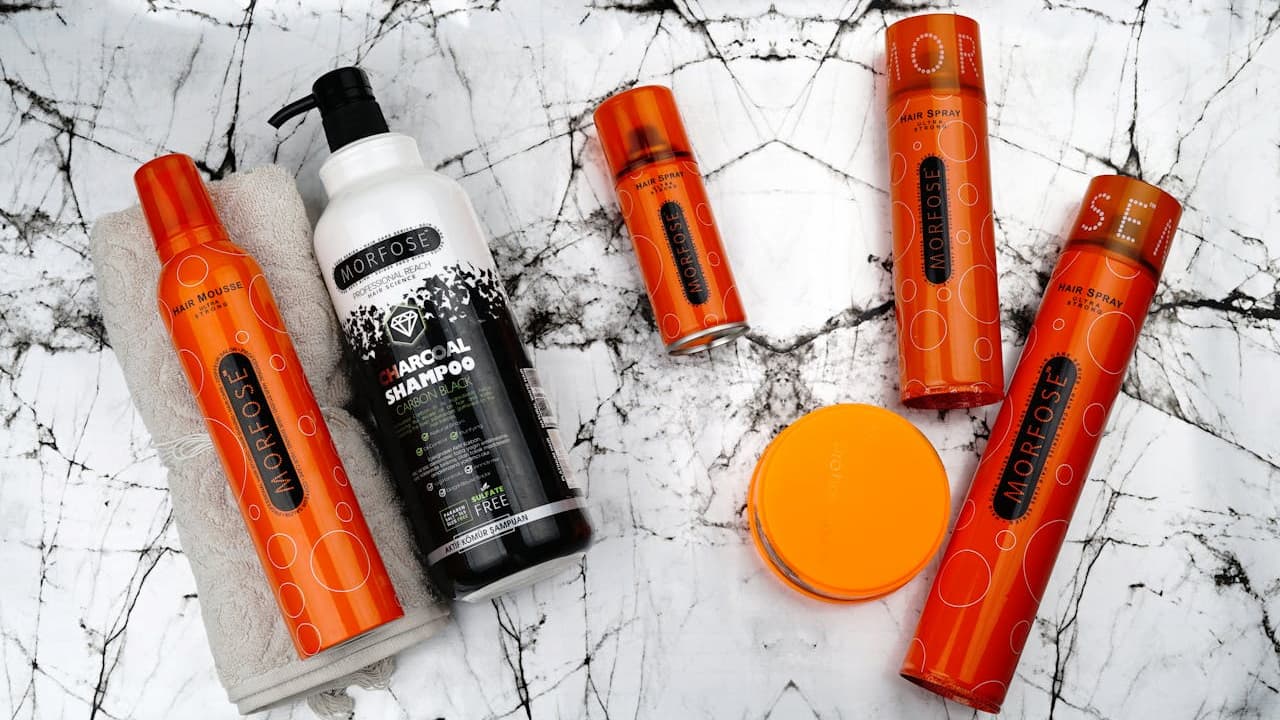
If you have old hairspray cans stored away, they can be risky. Over time, the cans may corrode or leak, releasing harmful chemicals into your home.
These chemicals can affect air quality and pose health issues, especially in small, unventilated spaces. It’s best to dispose of expired hairspray cans properly.
Avoid keeping large collections. Regularly check for rust or damage and recycle expired cans at a hazardous waste facility to keep your home safe.
Excessive Paper Tchotchkes (Fire Hazard)

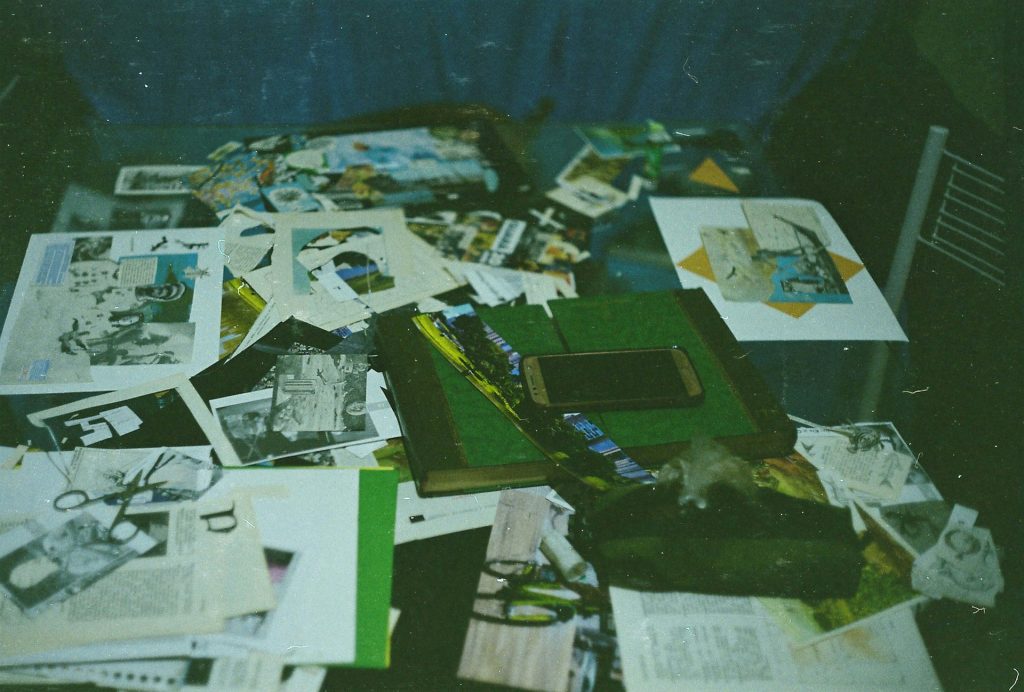
If you have stacks of papers, magazines, or old mail lying around, they can become a real fire risk. Paper burns quickly and can cause a fire to spread faster than you might expect.
Cluttered paper piles can also block exits or hallways, making it harder to leave safely in an emergency. Keeping your paper collections organized and limited helps reduce these risks and keeps your home safer.
Old Vinyl Records (Off-Gassing)
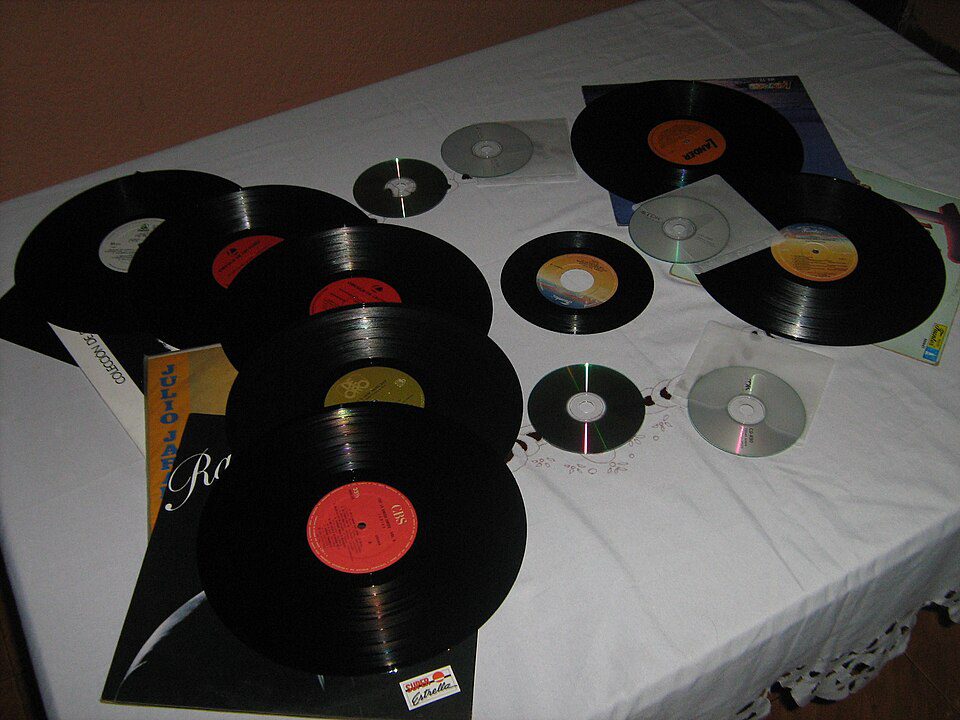
You might love collecting old vinyl records, but some can release small amounts of gases over time. This process, called off-gassing, happens as vinyl slowly breaks down.
Newer records tend to off-gas more, which can release mild fumes. It’s usually not dangerous, but it’s good to keep your collection in a well-ventilated area.
Wearing a mask when handling and cleaning can help reduce any exposure to these fumes. This keeps both you and your home safer.
Rusty Metal Collectibles
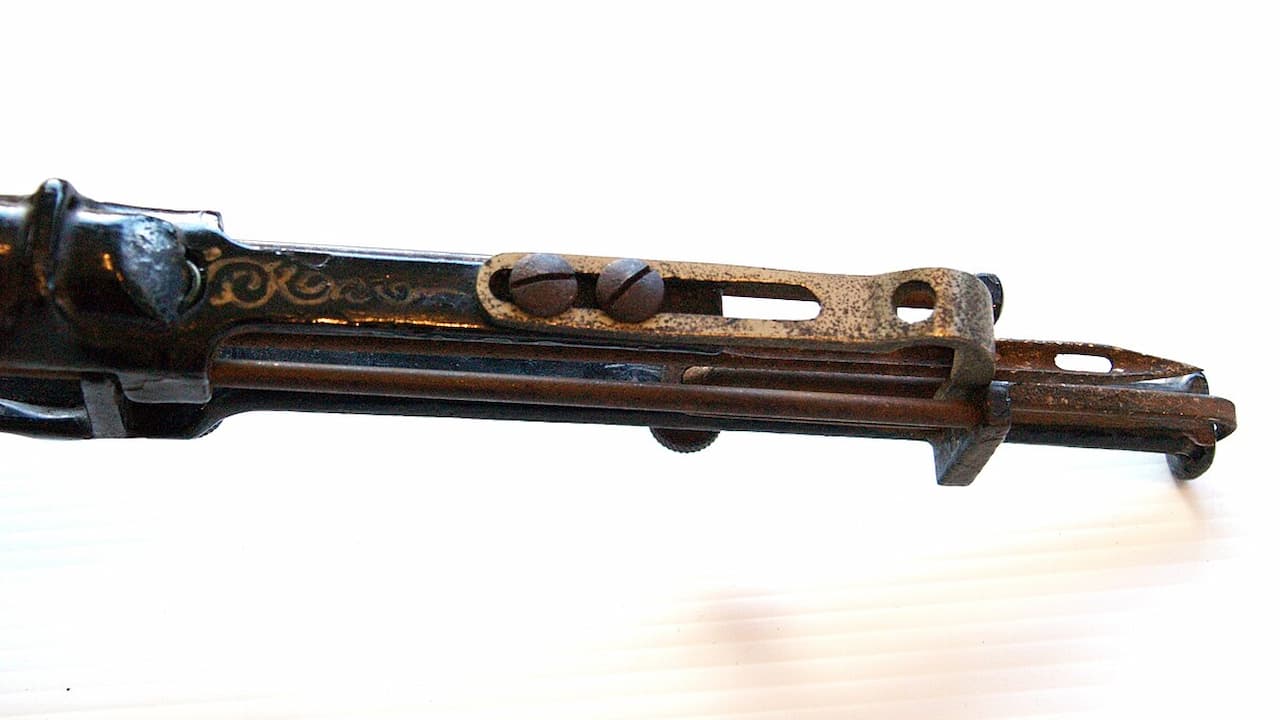
If you collect rusty metal items, they can slowly damage your home. Rust releases particles that may stain floors or walls over time.
Moisture trapped by rust can cause nearby materials like wood or fabric to deteriorate.
To protect your space, consider cleaning or sealing your metal collectibles. This helps keep both your items and your home in better condition.
Antique Fishing Gear with Lead Weights
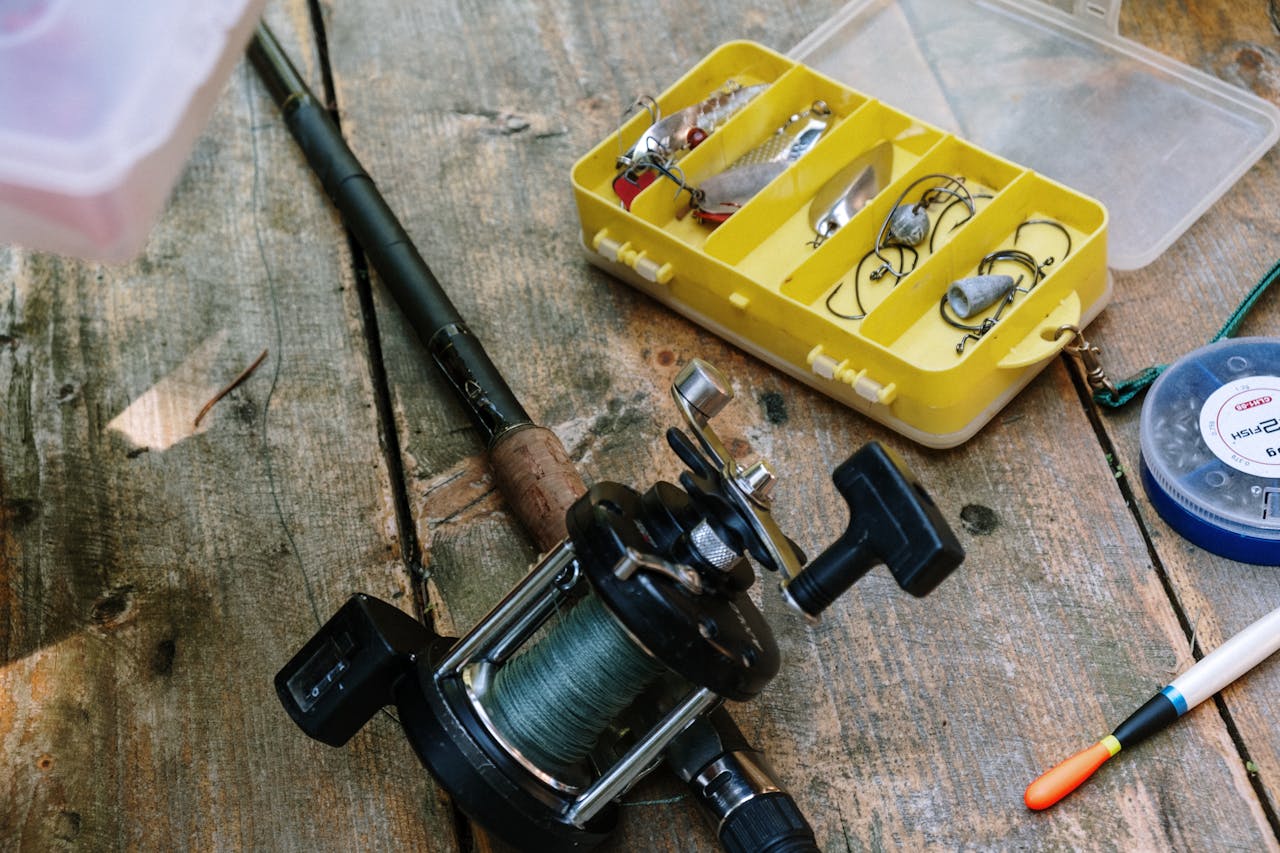
If you collect antique fishing gear, you might have lead weights among your items. Lead can leave dust on your hands when touched, which can then spread to surfaces in your home.
This dust contains lead, a toxic metal that can pose health risks if ingested or inhaled over time.
Be cautious when handling these weights. Washing your hands afterward or wearing gloves can help reduce exposure and keep your home safer.