


14 Things You Should Never Clean with Dish Soap


Dish soap is a common go-to for cleaning many household items, but it’s not suitable for everything. Using it on certain surfaces or materials can cause damage or reduce their lifespan.
Knowing what not to clean with dish soap can save you time, money, and frustration. Being aware of these items helps you choose better cleaning methods that protect your belongings and keep them in good condition.
Wood furniture


You should avoid using dish soap on wood furniture. It can strip away the protective finish, making the surface look dull or discolored.
Since wood often has natural oils and sealants, dish soap’s degreasing effect can remove them. This might leave your furniture vulnerable to damage over time.
Instead, use products specifically made for wood care to keep your pieces looking their best. Gentle cleaning methods preserve the finish and extend their life.
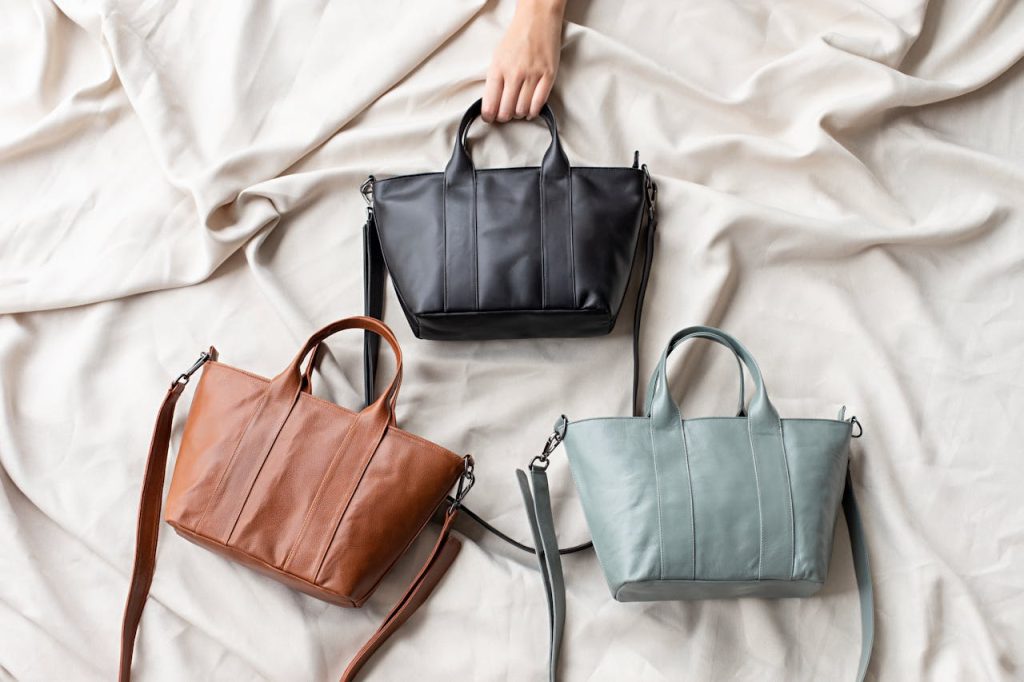
Leather goods


You should avoid cleaning leather with dish soap. It strips away the natural oils that keep leather soft and flexible.
Using dish soap can dry out your leather items, causing them to crack and become brittle over time.
Instead, use a cleaner specifically made for leather. Follow it with a conditioner to keep your leather looking its best.
Dishwashers

You should never use regular dish soap in your dishwasher. It creates an excessive amount of suds that can overflow and cause a big mess.
Dishwasher detergent is specially formulated to clean without creating bubbles. Using dish soap risks damaging your machine.
Stick to detergents made for dishwashers to keep your appliance working well and avoid potential leaks.
Linens and delicate fabrics


You should avoid using dish soap on linens and delicate fabrics like silk. Dish soap contains harsh detergents that can weaken fibers and cause colors to fade.
Using a gentle detergent made for delicate fabrics helps preserve the texture and appearance of your clothes. This keeps your linens looking fresh and your silks soft without damage.
Painted surfaces

You should avoid using dish soap on painted surfaces. It can strip away the protective wax or finish, making the paint dull and more vulnerable to scratches.
Using harsh cleaners like dish soap may cause fading or damage over time. Instead, opt for a cleaner specifically designed for painted surfaces to keep your paint looking fresh.
Small kitchen appliances

You should avoid cleaning small kitchen appliances with dish soap. The suds can get inside electrical parts, causing damage or malfunction.
Using too much soap might leave residue that’s hard to rinse away, affecting taste or performance. Instead, use a damp cloth or specific appliance cleaner for safe cleaning. This keeps your appliances working well and looking good.
Oven interiors


You should avoid using dish soap to clean your oven interior. Dish soap can leave behind a slippery residue that is hard to rinse off completely.
Instead, try natural cleaners like baking soda and vinegar. They help break down grease without harmful chemicals.
If you choose dish soap, use it sparingly and rinse thoroughly to prevent buildup. Avoid harsh scrubbing, which can damage the oven’s surface.
Cast iron cookware


You should avoid using dish soap on cast iron because it can strip away the seasoning. The seasoning is a layer of baked-on oil that keeps your pan non-stick and rust-free.
A little mild soap might be okay if used sparingly, but avoid soaking your pan in soapy water. Instead, clean it with hot water and a stiff brush after use.
After cleaning, dry your cast iron thoroughly and rub it with a bit of oil to maintain the seasoning. This helps keep your cookware in great shape for years.
Natural stone countertops


You should avoid using dish soap on natural stone countertops like granite and marble. Dish soap can leave a residue that dulls the surface and harms the protective sealant.
Since these stones are porous, dish soap may soak in and cause damage over time. Instead, use a cleaner specifically made for natural stone to keep your countertops looking their best.
Electronics screens

You should avoid using dish soap to clean your electronic screens. The soap can damage the delicate coatings on TVs, computers, and smartphones.
Instead, use a microfiber cloth slightly dampened with water or a screen-safe cleaner. Make sure your device is turned off and cooled down before cleaning to prevent damage.
Silk garments


You should avoid cleaning silk garments with dish soap. The chemicals in dish soap can be too harsh and may damage the delicate fibers.
Using a detergent made specifically for silk or other gentle fabrics is a safer choice. This helps maintain the softness and sheen of your silk items.
Always check the care label before washing. If in doubt, hand washing with a mild detergent designed for silk is best.
Crystal glassware

/eBay.
You should avoid cleaning crystal glassware with regular dish soap. The detergents can be too harsh and may cause the surface to become etched or cloudy over time.
Because crystal often contains lead, it is more delicate than regular glass and needs gentler care.
Hand wash your crystal with mild detergent specially designed for delicate items or just warm water to keep it looking clear and beautiful.
Antique mirrors


You should avoid using dish soap on antique mirrors. It can leave streaks and residue that are hard to rinse completely.
Dish soap may also damage the fragile surfaces or delicate backing of vintage mirrors. A gentle glass cleaner or specialized product is a safer choice.
For the best results, use a soft cloth and apply cleaner carefully to preserve your mirror’s condition.
Silver jewelry

You might think dish soap is safe for silver jewelry, and mild soaps like Dawn can gently clean dirt and oils. However, frequent use can dull the finish over time.
Silver reacts to certain ingredients in soaps and water, which may lead to tarnishing if not rinsed thoroughly.
For best care, use products designed specifically for silver or a soft cloth to polish your pieces gently. Avoid harsh scrubbing or soaking them too long in soap water.