



As a homeowner, your lawn is probably one of the areas of your home that you take the most pride in. After all, a well-maintained lawn does more than just increase the curb appeal of your home – it can also serve as a place for relaxation and fun.
However, lawn care isn’t as simple as merely mowing the grass every once in a while. There are a few common mistakes that many homeowners make that can harm their lawns.
To help you avoid these pitfalls, I’ve compiled a list of 14 things you should never do to your lawn. Let’s get started!
1. Overwatering Your Lawn

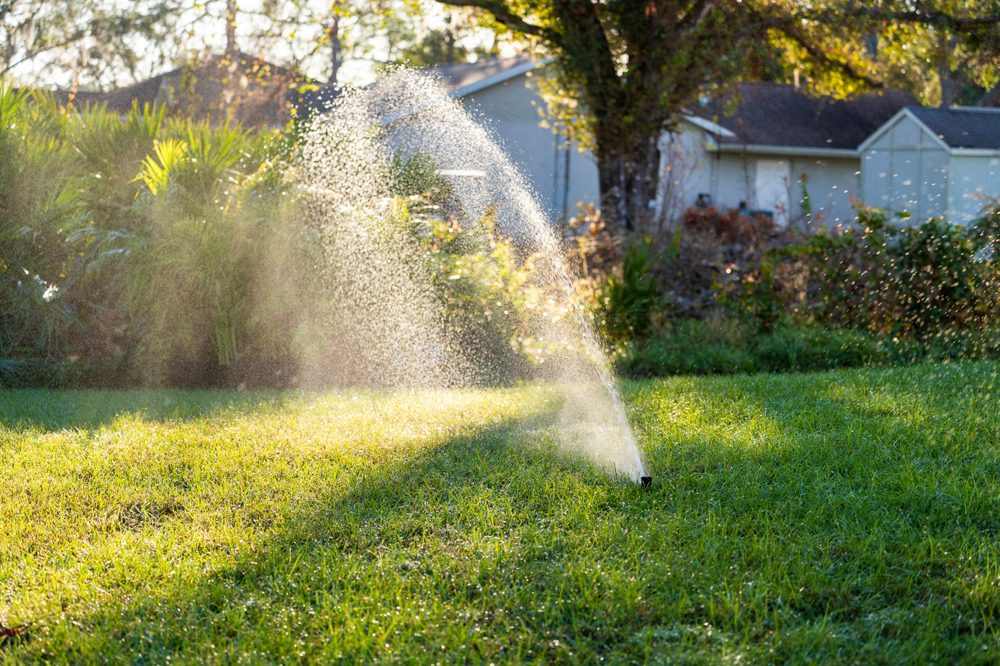
One of the most common mistakes homeowners make is overwatering their lawns. While it’s true that grass needs water to grow, too much of it can actually do more harm than good. Overwatering can lead to waterlogged soil and root rot, which can severely damage your lawn. It’s best to give your lawn a deep watering once or twice a week, rather than a little bit of water every day.
To know if your lawn needs water, simply step on it. If the grass springs back up, it’s hydrated. If it stays flat, it’s time to water. Remember, moderation is key.
2. Mowing Your Lawn Too Short


Another common mistake is mowing the lawn too short. It might be tempting to cut your grass short to reduce the frequency of mowing, but doing so can actually damage your lawn. Short grass exposes the soil to the sun, which can dry it out and make it more susceptible to weed growth.
Instead, aim to cut only the top third of the grass blades each time you mow. This allows the grass to develop a deep root system, which in turn helps it resist drought and disease.
3. Ignoring Soil pH Levels

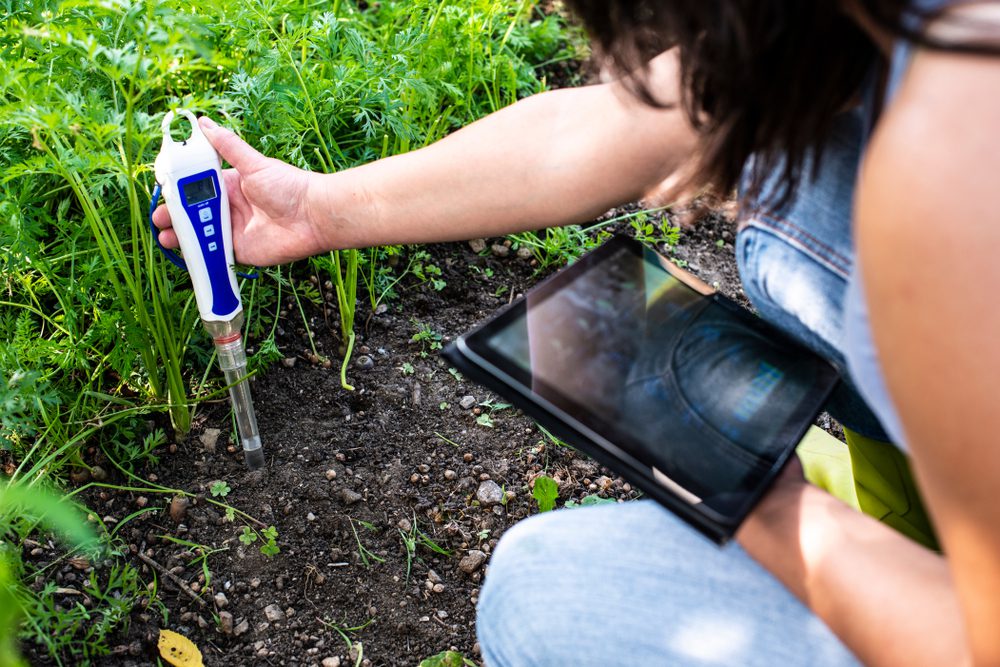
The pH level of your soil plays a crucial role in the health of your lawn. If the soil pH is too acidic or alkaline, it can prevent grass and plants from absorbing necessary nutrients. Most grass types prefer slightly acidic soil with a pH between 6 and 7.
To check your soil’s pH, you can purchase a testing kit from your local garden center. If the pH is off, you can correct it with lime (to raise pH) or sulfur (to lower pH).
4. Over-fertilizing Your Lawn


Just like overwatering, over-fertilizing your lawn can do more harm than good. Excessive fertilizer can burn your grass and create a buildup of salts in the soil that can prevent water absorption. Moreover, it can also pollute nearby water sources.
Use a slow-release granular fertilizer and follow the package directions for the correct application rates. Also, remember to fertilize when the grass is actively growing, typically in the spring and fall.
5. Using Dull Lawnmower Blades

Dull lawnmower blades can tear the grass instead of delivering a clean cut, stressing the grass and making it more susceptible to pests and diseases. Moreover, it can leave your lawn looking ragged and uneven.
To keep your blades sharp, aim to sharpen them at least once or twice per season. If you’re not comfortable doing it yourself, consider hiring a professional or taking the blades to a garden center for sharpening.
6. Ignoring Signs of Lawn Disease

Ignoring signs of lawn disease can lead to devastating effects on your grass. Common signs include patches of discolored grass, rings of mushrooms, and wilting grass. It’s important to diagnose and treat these signs as soon as possible to prevent further spread.
If you notice any of these signs, consider seeking advice from a professional or your local garden center. They can help identify the disease and suggest the appropriate treatment.
7. Neglecting Aeration

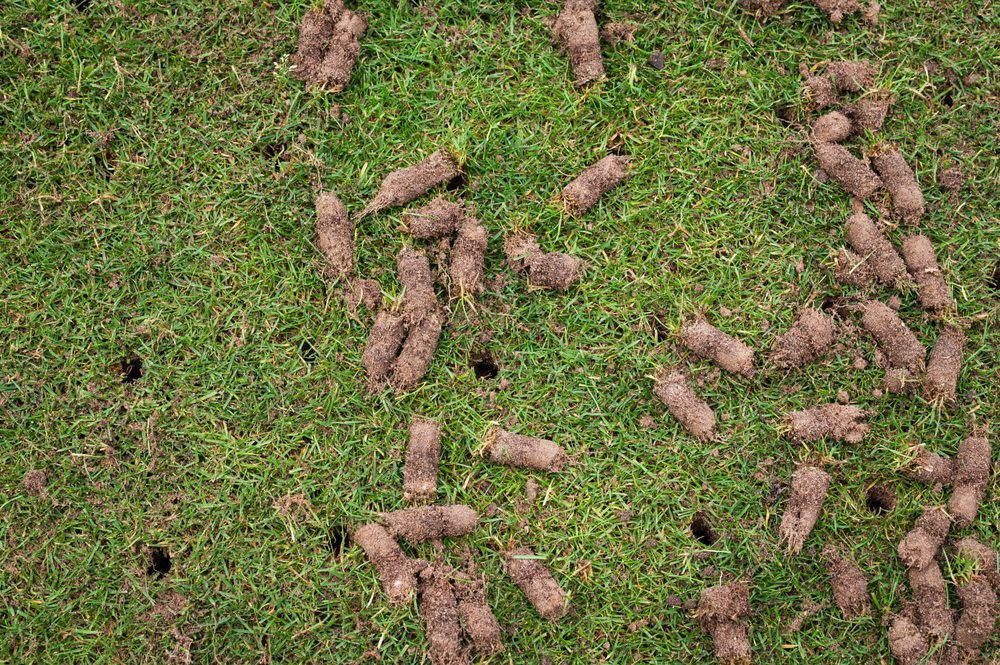
Lawn aeration involves perforating the soil with small holes to allow air, water, and nutrients to penetrate the grass roots. This helps the roots grow deeply and produce a stronger, more vigorous lawn. However, many homeowners neglect this crucial step in lawn care.
Typically, you should aerate your lawn once a year, preferably in the fall or spring when the grass is growing. There are various tools available for this, including aerating shoes and lawn aerator machines.
8. Watering at the Wrong Time of Day
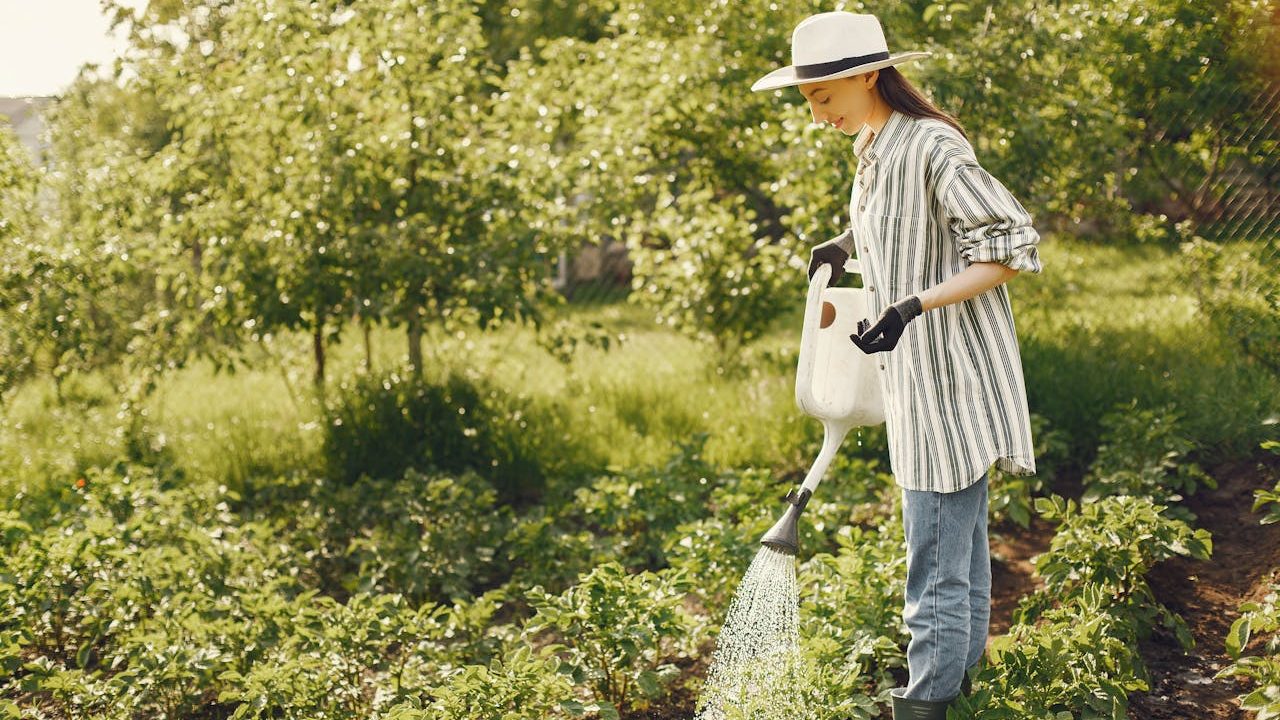
Believe it or not, there is a right and wrong time to water your lawn. The best time to water is early in the morning, as it reduces the amount of water lost to evaporation. Watering in the evening can leave your lawn damp overnight, which can promote the growth of fungi and other diseases.
If you can’t water in the morning, the next best time is late afternoon. However, try to avoid watering when the sun is at its peak to minimize water loss.
9. Using the Wrong Type of Grass Seed

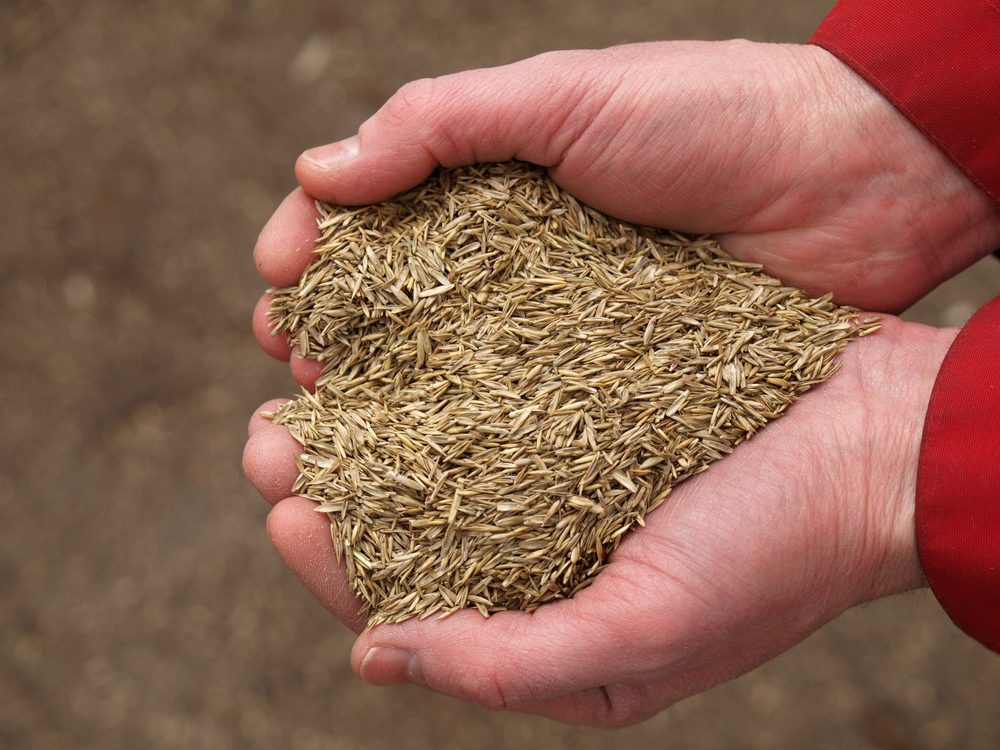
Not all grass seeds are created equal. The type of grass seed you use should depend on your region’s climate, the amount of sunlight your lawn receives, and your lawn’s soil type. Using the wrong type of grass seed can result in a lawn that’s difficult to maintain and doesn’t thrive.
Before you purchase grass seed, do some research to determine which type is best for your lawn. You can also seek advice from your local garden center or a lawn care professional.
10. Neglecting to Dethatch Your Lawn
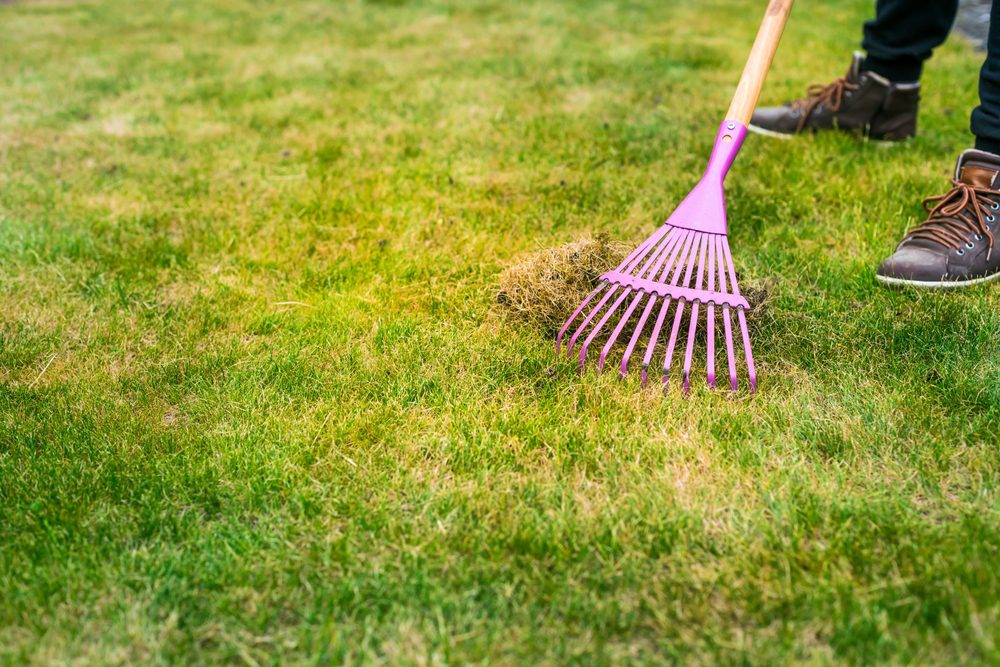
Thatch is a layer of dead grass, roots, and debris that accumulates on the surface of the soil. A small amount of thatch can be beneficial, as it helps to insulate the soil and retain moisture. However, too much thatch can prevent water and nutrients from reaching the soil and can harbor pests and disease.
To prevent a buildup of thatch, it’s important to dethatch your lawn once a year, typically in the spring or fall. You can use a dethatching rake or a lawn dethatcher machine for this task.
11. Applying Pesticides Incorrectly
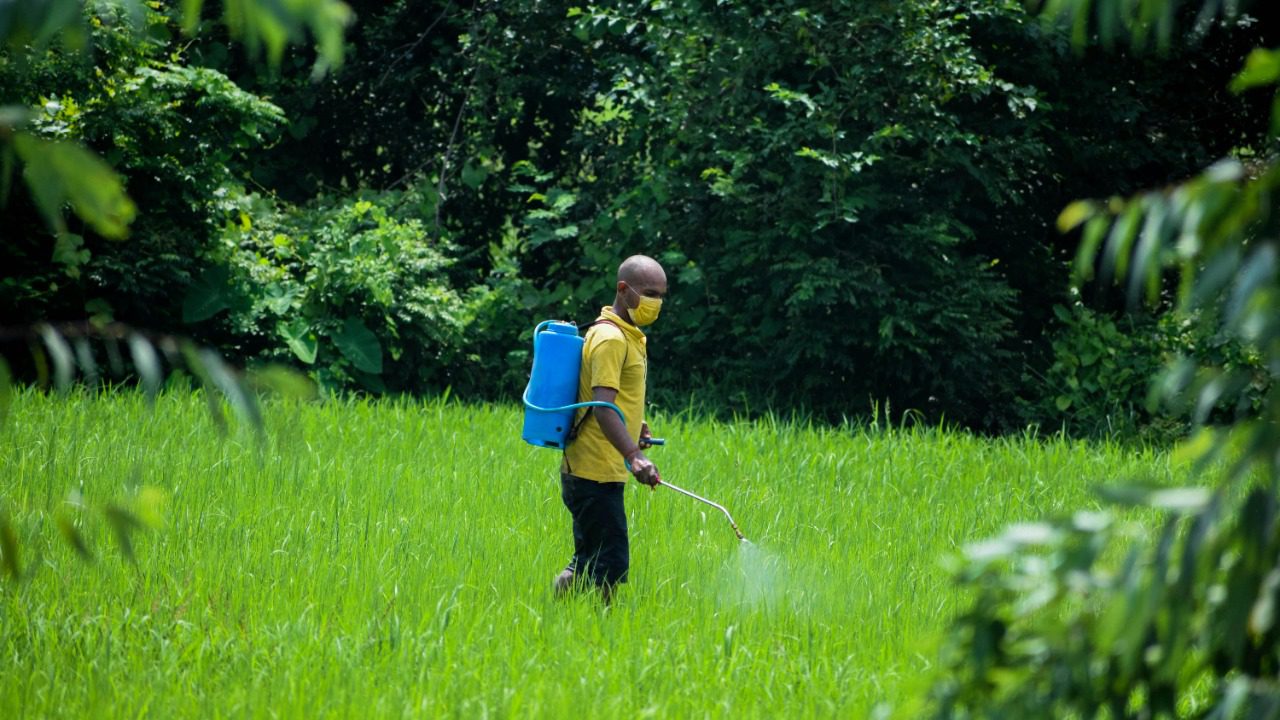
Pesticides can be an effective tool in controlling pests and diseases. However, if applied incorrectly, they can harm your lawn and even pose a risk to your health. Always read and follow the pesticide label directions to ensure safe and effective use.
Remember, pesticides should be used as a last resort. It’s always best to maintain healthy lawn practices to prevent pests and diseases in the first place.
12. Ignoring Weeds and Invasive Plants


Weeds and invasive plants can quickly take over your lawn if left unchecked. They compete with your grass for nutrients, water, and sunlight, which can lead to a less-than-healthy lawn. It’s important to address these invaders as soon as you spot them.
You can remove weeds manually or with a weeder tool for small infestations. For larger infestations, consider using a selective herbicide that targets weeds without harming your grass.
13. Walking on Your Lawn When it’s Frozen

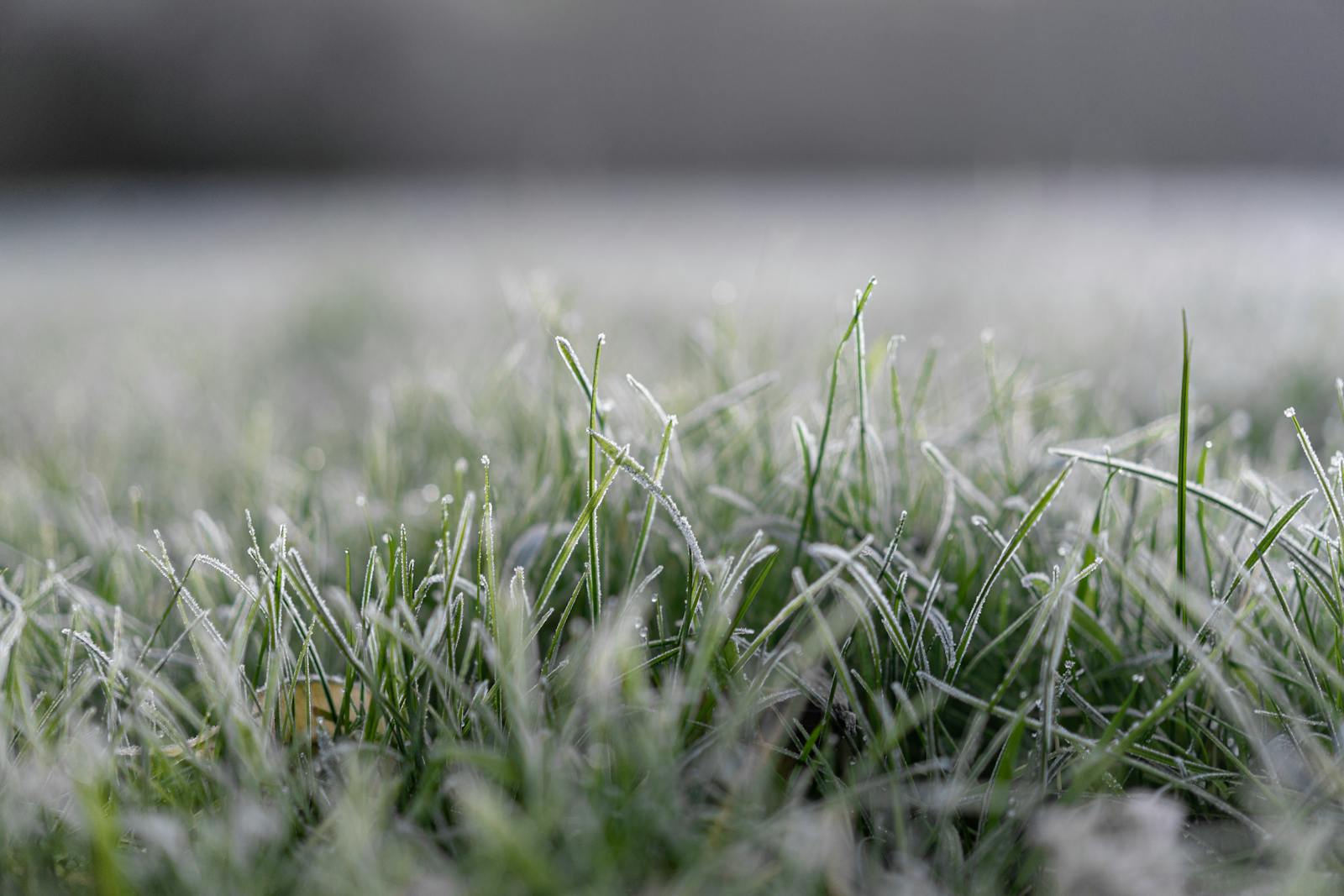
Walking on a frozen lawn can cause serious damage to the grass. The frozen grass blades can break under the pressure, leaving unsightly trails of dead grass once the lawn thaws. If possible, try to avoid walking on your lawn during the winter months.
If you must walk on your lawn, try to use the same path each time to minimize the damage. Once the lawn thaws, you can repair any damaged areas by reseeding.
14. Leaving Fallen Leaves Untouched


Fallen leaves can create a blanket over your lawn, blocking sunlight and trapping moisture. This can lead to a host of problems, including lawn diseases and a weak lawn come spring. Therefore, it’s important to regularly rake and remove fallen leaves from your lawn.
If you have a large amount of leaves, consider using a lawn vacuum or leaf blower to make the task easier. You can also declutter your lawn by composting the leaves or using them as mulch in your garden beds.
In conclusion, lawn care involves more than just mowing and watering. By avoiding these common mistakes, you can maintain a healthy, lush lawn that not only looks great, but also serves as a place for relaxation and enjoyment. Remember, a little bit of prevention goes a long way when it comes to lawn care. Happy gardening!