

Garages are often the go-to storage space for all sorts of items that don’t quite have a home elsewhere. However, not everything is suited for the often fluctuating temperatures and humidity levels of a garage.
Storing certain items in your garage could lead to damage, loss, or even health and safety risks. To help you avoid these issues, we’ve compiled a list of 14 things you should never store in your garage.
1. Paint

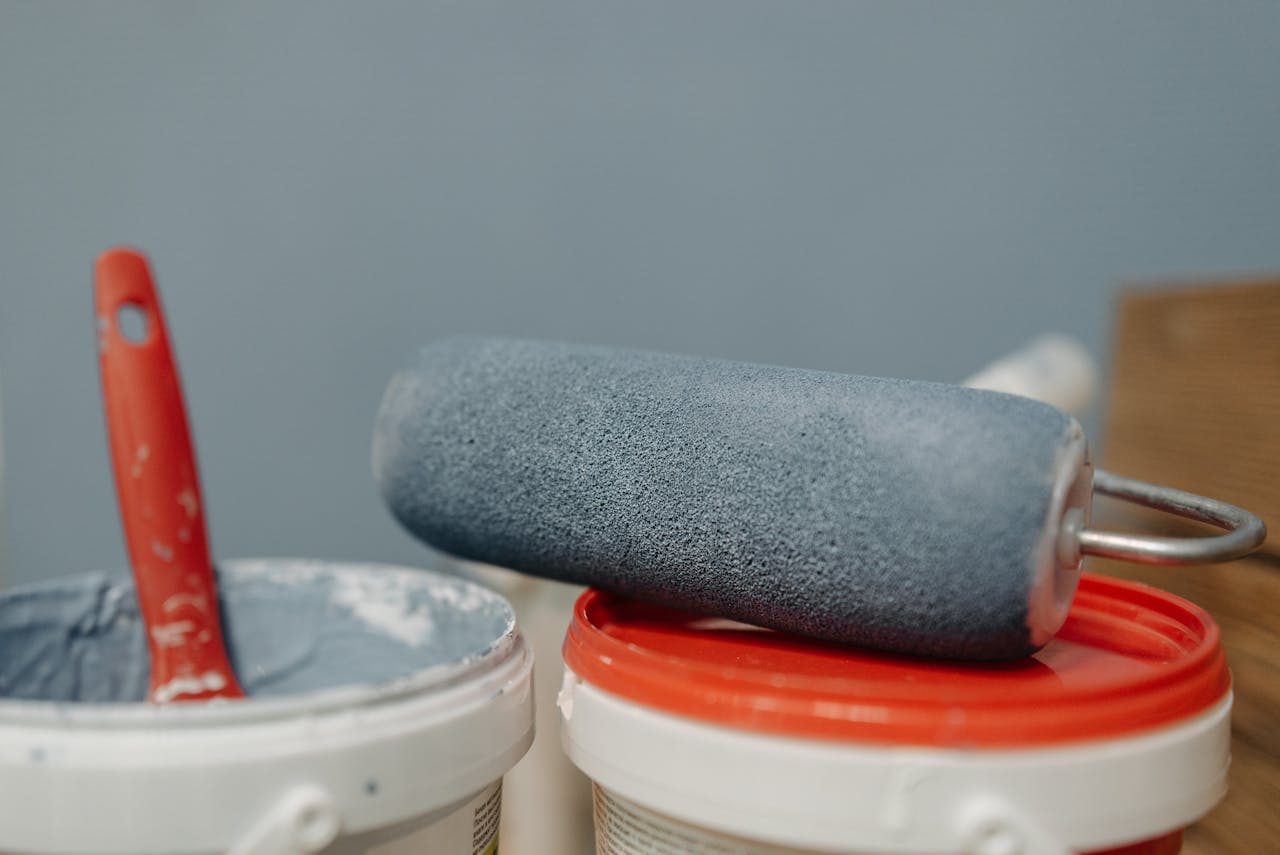
Paint can be extremely sensitive to temperature changes. If stored in a cold garage, it can freeze, which leads to separation and clumping that ruins the consistency. Similarly, high heat can make the paint thick and unusable.
If you have leftover paint from a project, it’s best to store it in a cool, dry place within your home, like a basement or utility room. If you don’t have the space, consider donating it to a local school or community center, or disposing of it properly through a recycling facility.
2. Propane Tanks

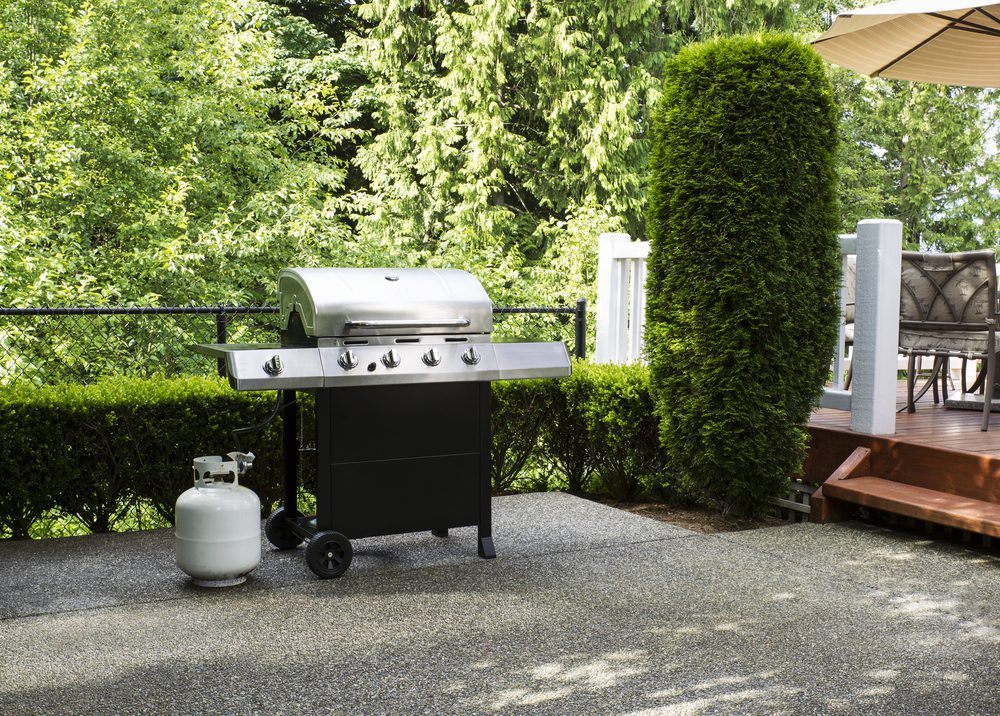
Propane tanks, commonly used for grills, should never be stored in a garage. A small leak, which you might not even notice, can lead to a fire or explosion if the gas is ignited by a car or appliance in the garage.
Always store propane tanks outside, in a well-ventilated area. Make sure they’re standing upright and away from dryer vents or windows. And remember, if you ever smell gas, leave the area immediately and call your local fire department.
3. Wine


While the garage might seem like a good place for your wine collection, it’s not. The fluctuating temperatures can ruin the taste. Wine should be stored at a consistent, cool temperature. Furthermore, the vibrations from your garage door can disturb the wine’s aging process.
Invest in a wine fridge or store your bottles in a dark, stable location in your home. And remember, wine bottles should be stored horizontally to keep the cork moist and prevent air from getting in.
4. Canned Food


Canned food might seem like it could survive anything, but it’s not meant for the garage. High heat can cause the food to spoil, and freezing temperatures can cause the can to burst.
Store your canned goods in a cool, dry place like a pantry. Try to use them within a year and always check the expiration date before eating.
5. Pet Food

Storing pet food in the garage is an open invitation to pests. Mice, rats, and even insects can chew through bags and contaminate the food.
Store pet food in a sealed container inside your home. Not only will this keep pests away, but it will also keep the food fresh for longer.
6. Cardboard Boxes


Cardboard boxes can easily become a home for pests like cockroaches. Plus, they’re not very resistant to moisture, so items inside could get damaged.
Opt for plastic bins instead. They’re more durable and will protect your belongings from moisture and pests.
7. Photographs


The high humidity and temperature swings in garages can cause photos to stick together and degrade over time.
It’s best to store photographs in a climate-controlled environment. Consider digitizing your photos to ensure they’re preserved for future generations.
8. Electronics


Electronics are particularly sensitive to temperature fluctuations, which can damage internal components. Humidity can also cause corrosion.
Store electronics in a dry, temperature-controlled environment. If you’re not using them, consider recycling or selling.
9. Wooden Furniture

Wooden furniture can warp, crack, or rot when exposed to the moisture and temperature fluctuations in a garage.
If you can’t store your furniture inside your home, consider renting a climate-controlled storage unit.
10. Refrigerator


Although it might seem convenient, a second fridge in the garage can use up to three times more electricity, especially if the garage gets very hot or very cold.
Save energy and money by only having one fridge, and make sure it’s inside your home.
11. Clothing and Bedding

Clothing and bedding can attract pests, plus they can absorb odors and dampness from the garage.
Store these items in vacuum-sealed bags inside your home, or donate items you no longer need.
12. Hazardous Materials

While it might seem like the garage is the place for things like pesticides or antifreeze, these can be dangerous if they leak or are exposed to extreme temperatures.
Store these items in a locked cabinet, out of reach of children and pets, and away from heat sources.
13. Firewood

While it’s convenient to store firewood in the garage, it can invite pests like termites into your home.
Keep firewood outside, at least 5 feet away from your home, and only bring in as much as you need.
14. Important Documents


The garage is not a safe place for important documents. They can get damaged by moisture, lost, or even stolen.
Keep important documents in a safe or locked file cabinet inside your home. Better yet, store them in a safety deposit box at your bank.
So, before you stash that extra stuff in your garage, take a moment to consider if it’s really the best place for it. Proper storage can extend the life of your items and potentially save you money and headaches in the future.