


Sometimes, clutter sneaks into your home without you even realizing it. You might hold onto things because they seem useful or sentimental, but they can actually create unnecessary mess and stress.
Knowing what items to let go of can help you create a more organized and comfortable living space. This article will help you identify common things you’re likely keeping that just add clutter without real value.
Old charger cables you never use


You probably have a bunch of charger cables lying around that haven’t been touched in ages. If you haven’t used a cable in over a year, it’s likely you won’t need it at all.
Keeping these cables just adds clutter. Try to keep only the ones that fit your current devices. Roll them up neatly and toss the extras to clear up space.
Unused glue bottles from past crafts


You probably have glue bottles sitting around from projects you finished ages ago. Most of them are either empty or nearly dried out. Keeping these takes up space and rarely comes in handy.
If you want, test if any glue is still usable. Otherwise, toss what’s old and sticky. It makes your craft area less cluttered and easier to work in next time.
Worn-out paintbrushes
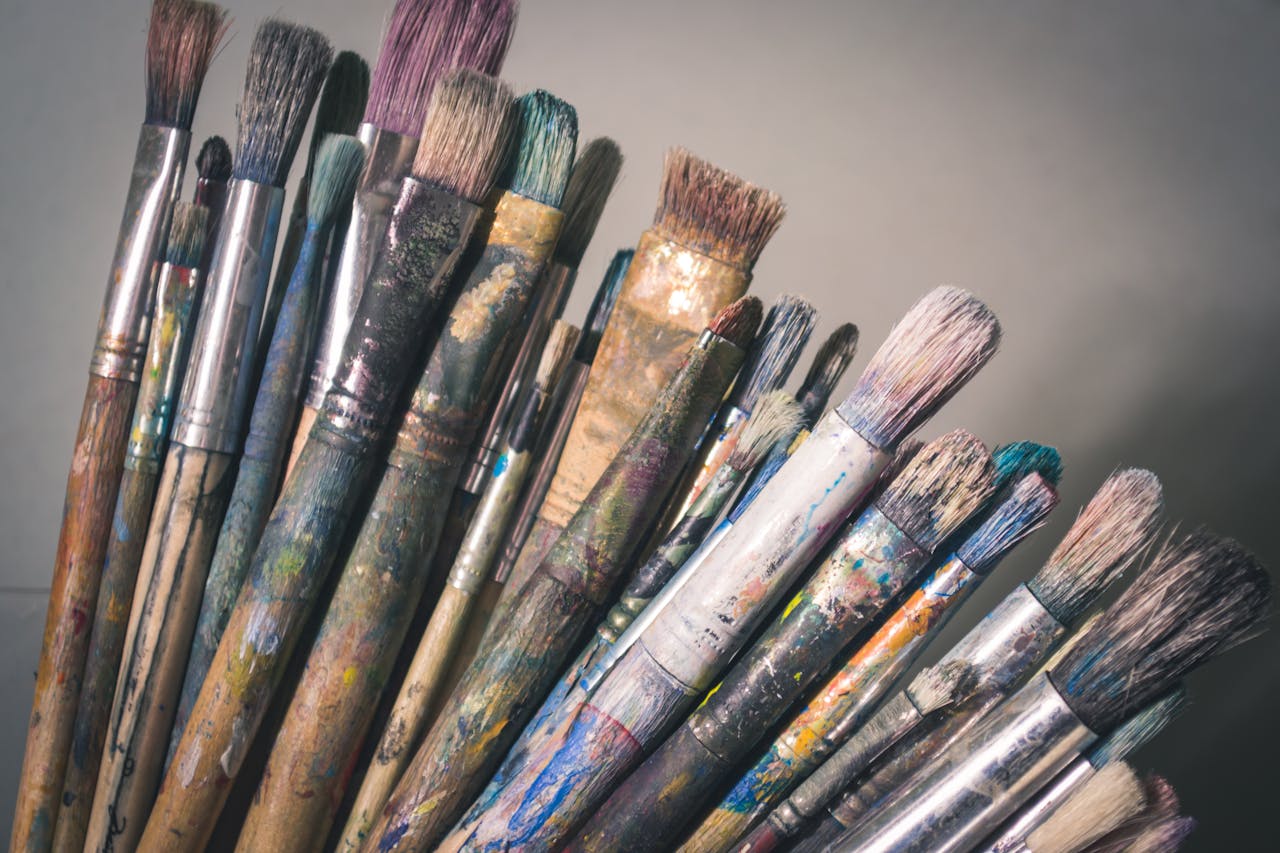
If your paintbrushes have bristles that are frayed, hard, or shedding, they’re more clutter than tool. Old brushes don’t hold paint well and make your projects harder.
You might try to save them by soaking or cleaning, but sometimes it’s just not worth it. Toss the ones that won’t smooth out after a good wash and start fresh.
Keeping worn-out brushes only takes up space and slows you down when you need to paint quickly. Let them go and make room for tools that actually work.
Old cell phones lying around

You probably have old cell phones gathering dust somewhere. They can easily become clutter if you’re not using them.
Instead of tossing them, consider turning them into simple gadgets like music players or Wi-Fi hotspots.
If that’s not your thing, selling them can clear space and maybe even earn you some cash. Just hanging on to them without a plan only takes up room.
Random phone cases without phones
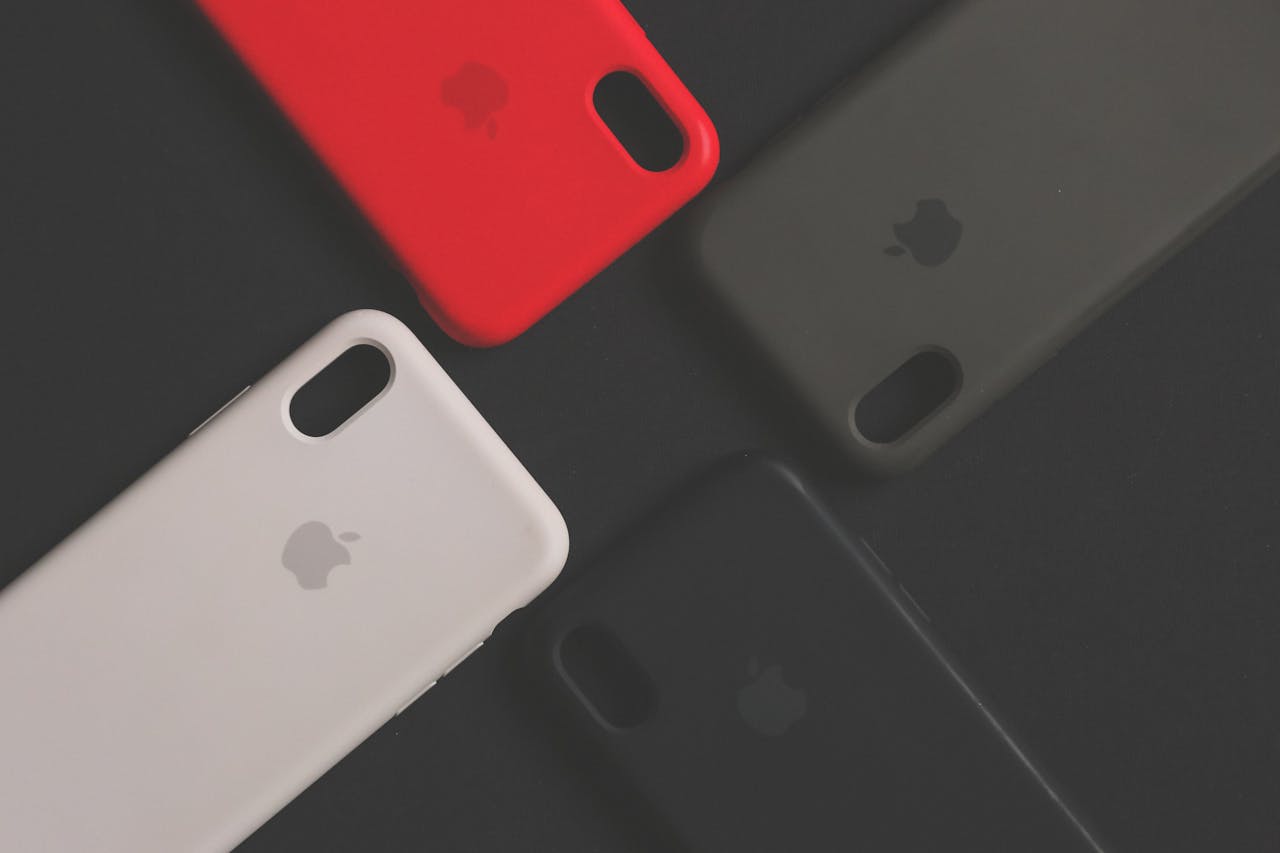
You might have a pile of phone cases lying around with no phones to fit in them. Holding onto them “just in case” can take up unnecessary space.
Phone cases come in all kinds of styles, but if you’re not using them, they’re just clutter. It’s better to get rid of the old ones and keep only what you actually use.
Boxes of fabric scraps


You might think keeping every little fabric scrap is a good idea. But those boxes can quickly become clutter you don’t use.
If you’re holding on to scraps “just in case,” consider sorting the pieces. Keep only those large or interesting enough to actually work with.
Randomly sewing scraps together into blocks can turn chaos into something usable. Otherwise, those piles just take up space in your sewing room.
Dried-out glitter jars

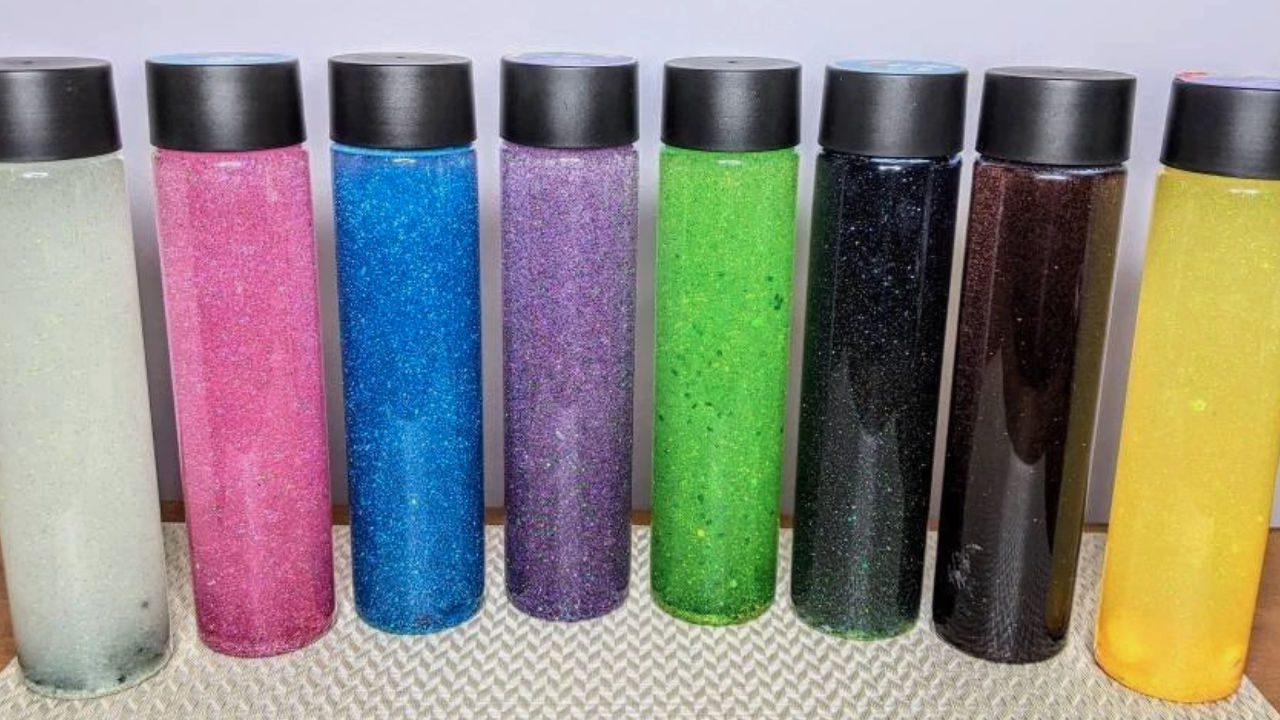
You probably kept those glitter jars because they were fun or calming once. But if the liquid inside has dried out or clumped, they’re just taking up space now.
The sparkle is lost when the glitter sticks to the sides or the jar looks cloudy. Tossing them frees up room and cuts down on clutter you don’t actually use.
If you want something pretty, fresh glitter jars or other decor might be a better choice than old, dried-out ones.
Unused yarn bundles

You probably have yarn sitting around that you haven’t touched in ages. It might look pretty, but if it’s just gathering dust, it’s taking up space for no good reason.
If you’re not planning a project soon, consider donating or gifting those bundles. Clearing out unused yarn helps you see what you actually want to work with and keeps your stash manageable.
Unfinished wood projects


You probably have a few half-finished wood projects taking up space. They start as exciting ideas but often get set aside and turn into clutter over time.
These unfinished pieces can make your workspace feel crowded and less inviting. Finishing or donating them can clear both space and your mind.
If you’re stuck, try breaking the project into smaller steps. Completing even a little can motivate you to finish or decide to let it go.
Broken or unused tools
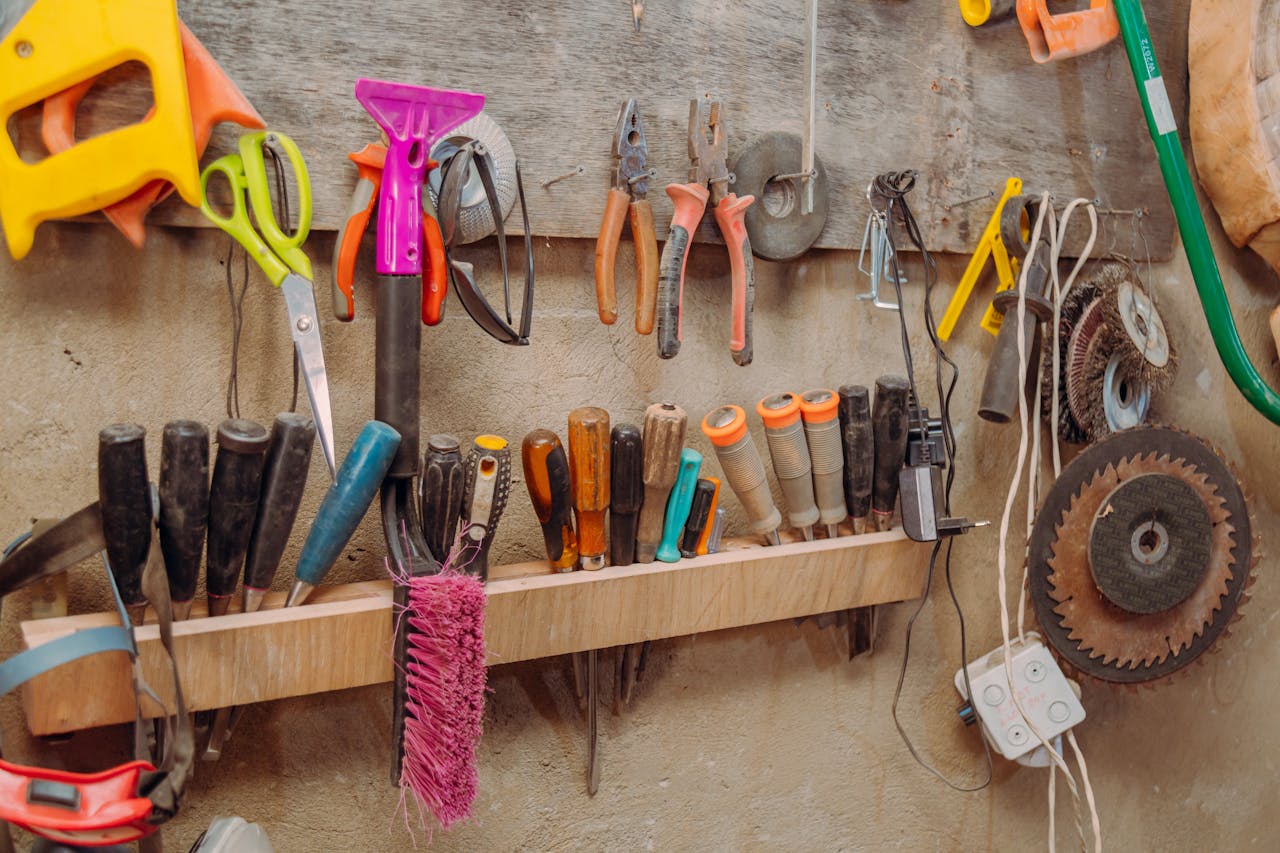
If you have tools that are broken or haven’t been used in ages, it’s time to let them go. Holding onto them “just in case” often means clutter taking up space.
Unused tools are easy to replace when needed, so no need to keep them if they’re just gathering dust.
Sorting through your tools can also help you spot what’s actually useful and what’s just adding to the mess.
Expired batteries


You probably have a bunch of batteries lying around that don’t work anymore. Holding onto expired batteries adds clutter and can be a safety risk.
Check your batteries with a tester to see which ones still have power. Toss the dead ones safely at a recycling center. This clears space and keeps your home safer from potential leaks or damage.
Old magazines and catalogs

If you have stacks of old magazines or catalogs, it’s time to rethink keeping them. Most of the content is outdated, and they just take up space.
Tear out or save any pages with ideas or info you actually want to use. Then toss the rest to clear your area.
Keeping too many can make your space feel cluttered and less relaxing. Holding onto just what’s useful keeps things manageable.
Stack of junk mail


You probably have a pile of junk mail sitting around that you haven’t touched. It’s easy to let it build up, but most of it isn’t worth keeping.
Start by sorting through it piece by piece. Toss anything that isn’t important right away—coupons, ads, and offers mostly just take up space.
Try bringing junk mail straight from the mailbox to the trash. It saves time and prevents clutter from growing in the first place.
Empty or half-used notebooks

You probably have a stack of notebooks with just a few pages filled. These can easily pile up and take space without much use.
Instead of keeping them around, try turning them into something practical. Use them for lists, doodles, or notes on ongoing projects you care about.
If you’re not into writing, tearing out the blank pages and recycling the notebooks can clear clutter too. Keeping every notebook “just in case” usually just adds to mess.