



You probably have a secret stash of “someday” supplies: jars, scraps, boxes and gadgets waiting for the perfect DIY moment that never arrives. Those good intentions quietly eat space, time and even money while you keep telling yourself you will get crafty soon. Here are 14 things you are saving for DIY projects you will almost certainly never do, plus how to reclaim that clutter and redirect your energy into simple, practical upgrades you might actually finish.
1) Glass Jars You Swear Will Become Storage

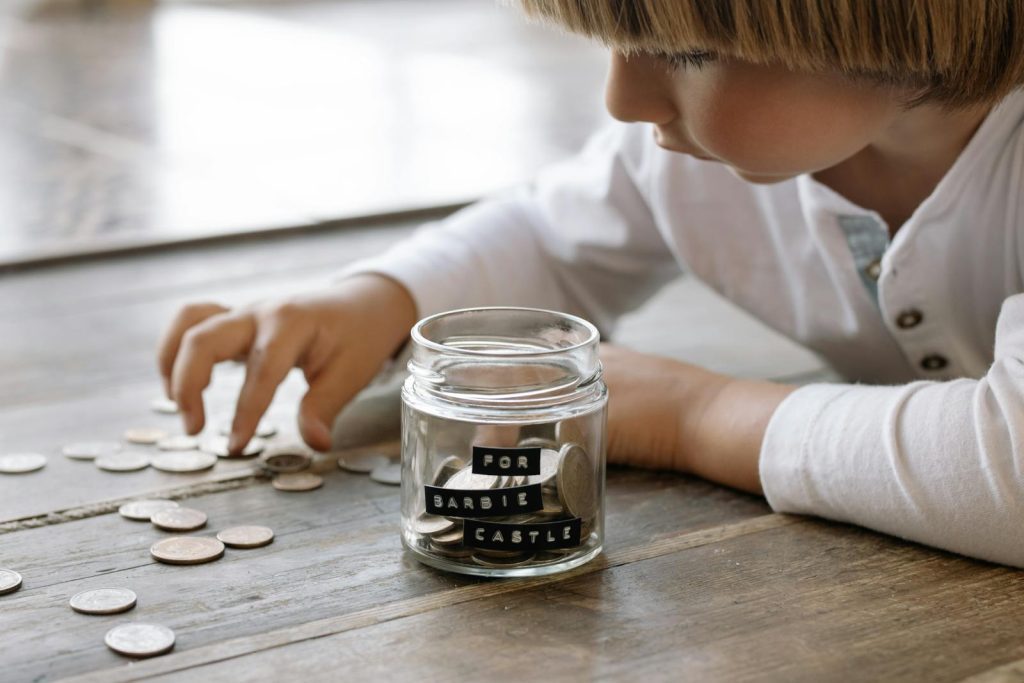
Glass jars are the classic “I’ll use this for something” item, especially when you imagine them as chic pantry storage or candle holders. You rinse out pasta sauce jars, peel off half the label, then stack them in a cabinet for a future organizing spree that never quite happens. The problem is that jars multiply faster than your motivation, and most of them are the wrong size, shape or lid style for the polished look you have in mind.
Instead of hoarding every container, pick a small, matching set and actually put it to work for screws, nails or other tiny hardware, similar to the simple home fixes highlighted in many practical household hacks. The rest can go straight into the recycling bin. You free up cabinet space, reduce visual clutter and avoid the low-level guilt of staring at a pile of “someday” projects every time you open a door.
2) Cardboard Boxes Saved for “Organizing”
Cardboard boxes feel too useful to toss, so you flatten shipping cartons and stack shoe boxes, convinced they will become drawer dividers, gift boxes or custom storage. In reality, they usually sag, shed dust and take up entire closets while you keep buying sturdier bins anyway. The mismatch between flimsy materials and your Pinterest-level expectations is exactly why those DIY organizing plans stall out.
A better approach is to keep only a few sturdy, similarly sized boxes for short-term needs like seasonal donations or returns. Treat the rest as what they are, temporary packaging, not permanent storage. By cutting off the supply of “maybe I’ll use this” cardboard, you make it easier to see what you actually own and to invest in durable containers that will not collapse the first time you slide them off a shelf.
3) Fabric Scraps for Quilts You Won’t Sew
Fabric scraps are a magnet for creative ambition. You picture a patchwork quilt, hand-sewn pillow covers or a tote bag made from old shirts. So you keep every leftover square, even the tiny, fraying pieces that would never survive a sewing machine. Over time, those scraps fill bins, bags and drawers, but the quilt never materializes because it requires skills, tools and hours you do not realistically have.
To break the cycle, decide on one small, specific project that fits your actual schedule, such as a simple cushion cover, and keep only the fabric that truly works for it. Donate the rest to a school art program or community group that can use raw materials immediately. You reclaim storage space, reduce decision fatigue and turn a vague “someday” into a concrete, finishable task.
4) Old T-Shirts Destined for a Memory Blanket
Old T-shirts carry emotional weight, especially concert tees, college shirts and jerseys. You tell yourself they will become a memory blanket or wall art, so you stack them in totes instead of letting them go. The catch is that a T-shirt quilt demands cutting, interfacing, backing fabric and either sewing skills or the budget to pay a professional, which is why those shirts sit untouched for years.
If you have not taken a single step toward that blanket, your best move is to choose a handful of truly meaningful shirts and frame or display them in a simple way. The rest can be donated or recycled into rags. You preserve the memories that matter most while freeing yourself from the pressure of a huge, unfinished project that silently grows every time you add another tee to the pile.
5) Wine Corks Waiting to Become Decor
Wine corks feel like tiny souvenirs, so you drop them into bowls and jars, imagining a future bulletin board, trivet or art piece. DIY tutorials make it look easy, but assembling enough corks, cutting them evenly and gluing them into a neat pattern is more tedious than it appears. As the collection grows, it becomes clutter masquerading as creativity, especially when you never actually start the project.
Instead of saving every cork, decide whether you truly want one specific item, such as a small trivet, and calculate how many corks it would require. Cap your collection at that number and recycle or discard the rest. This simple limit keeps your kitchen from turning into a craft supply warehouse and forces you to either complete the project or admit it was never a priority in the first place.
6) Mason Jars for an Imaginary Canning Day
Mason jars are marketed as the gateway to a homesteading lifestyle, so you buy them with visions of homemade jam, pickles or layered salads. Then life gets busy, produce spoils before you prep it and the jars end up dusty on a shelf. The gap between the romantic idea of canning and the reality of sterilizing, timing and storage is exactly why those jars sit unused, even as you keep telling yourself you will learn “next summer.”
To make them earn their space, repurpose a few jars for everyday tasks like storing dry goods, holding utensils or corralling bathroom items. If you still have a surplus, sell or donate the extras instead of letting them linger. You keep the flexibility to try small-batch recipes later without letting an entire cabinet be held hostage by a project you have not started.
7) Pallets and Scrap Wood for Furniture Projects
Free pallets and scrap wood feel like a shortcut to custom furniture, so you drag them home for that coffee table, headboard or garden bench you saw online. What those tutorials gloss over is the work involved in safely dismantling pallets, removing nails, sanding rough boards and sealing them so they are not full of splinters. Without proper tools and time, the wood pile becomes an eyesore instead of a resource.
Rather than stockpiling random boards, choose one realistic build, such as a simple outdoor shelf, and source only the lumber you need for that plan. If the wood has been sitting outside for months, warped or moldy, it is time to let it go. You reduce safety risks, clear your yard or garage and give yourself permission to buy ready-made furniture when that is the more practical choice.
8) Candle Stubs Saved for “New” Candles
Candle stubs seem too wasteful to toss, especially when there is still wax left. You picture melting them down into a fresh, layered candle, maybe even blending scents. In practice, you need wicks, containers, a safe way to melt wax and the patience to clean everything afterward. Without those pieces in place, the stubs accumulate in drawers and boxes, leaving you with clutter instead of cozy ambiance.
If you have not bought wicks or a pouring container, that is a clear sign the project is not a real priority. Keep one or two emergency candles for power outages and discard the rest, or drop them at a local maker who actually recycles wax. You will gain drawer space and remove one more nagging reminder of a craft you never truly wanted to learn.
9) Notebooks Reserved for the “Perfect” Project
Blank notebooks and journals are deceptively simple clutter. You buy them for bullet journaling, sketching or elaborate habit trackers, then hesitate to “ruin” the first page. So they sit pristine on shelves while you keep using random scraps of paper for lists. The more special the notebook feels, the harder it becomes to assign it an ordinary purpose, which is why those pages stay empty.
To break the stalemate, assign each notebook a low-pressure role, such as a running home to-do list, meal ideas or quick sketches. Once you start writing, the fear of imperfection fades and the notebook becomes a tool instead of a shrine to your unused potential. You also avoid buying yet another journal every time you feel the urge to get organized.
10) Craft Supply Kits You Never Open
Prepackaged craft kits promise an easy entry into new hobbies, from embroidery and macramé to paint-by-number sets. You buy them during sales or receive them as gifts, then tuck them away for a rainy day that never comes. The sealed boxes look tidy, but they still represent unfinished obligations, especially when you feel guilty every time you see them on a shelf.
A practical strategy is to pick one kit and schedule a specific time to start it within the next week. If that feels like a burden instead of something to look forward to, it is a sign you are more interested in the idea of the hobby than the activity itself. Donate unopened kits to libraries, youth centers or nursing homes where they can be enjoyed immediately, and reclaim both your storage space and your mental bandwidth.
11) Paint Samples for Accent Walls You Won’t Paint
Paint sample pots and swatches are a gateway to ambitious home makeovers. You collect them for accent walls, furniture flips or mural ideas, then stall out when it is time to move furniture, tape edges and actually paint. The tiny cans end up scattered in closets and basements, slowly separating or drying out while you keep living with the same beige walls you meant to transform.
Instead of letting samples linger, choose one small, low-risk surface like the inside of a closet or a single piece of furniture and use what you have. If you cannot commit even to that, dispose of the old paint according to local guidelines and stop collecting more. You will clear hazardous clutter, reduce decision fatigue and accept that sometimes a neutral wall is not a failure, just a preference.
12) Travel Brochures for Scrapbooks You Won’t Make
Travel brochures, ticket stubs and maps feel like tangible proof of good memories, so you stash them for a future scrapbook or shadow box. Over time, they fade, crumple and pile up in drawers, making it harder to find the documents you actually need. The gap between your vision of a curated travel album and the reality of sorting, trimming and arranging paper keeps the project permanently on hold.
A more realistic way to honor those trips is to pick a few favorite photos and print them in a simple book or frame, then recycle most of the paper souvenirs. If you want low-cost experiences without the clutter, look for free or cheap activities that create memories without generating stacks of brochures. You will still have stories to tell, just without the overflowing file folders.
13) Tech Cables and Parts for Repairs You Won’t Attempt
Old chargers, HDMI cables, routers and random plastic bits from electronics tend to accumulate in boxes “just in case.” You imagine repurposing them for a home theater setup or repairing an aging laptop, but technology moves faster than your DIY plans. By the time you get around to sorting, many cables are obsolete, and the devices they fit are long gone or broken beyond a simple fix.
To keep tech clutter in check, match each cable to a device you currently own and discard or recycle the rest through an e-waste program. Keep one or two universal spares, such as a USB-C charger, and let go of the rest of the tangle. You will make it easier to find what you actually need and avoid the frustration of digging through a box of outdated parts every time something needs charging.
14) Random Household “Life Hack” Gadgets
Finally, there are the single-purpose gadgets you bought after seeing clever home tips, from avocado slicers to cable organizers and specialty cleaning brushes. They promise quick fixes and clever shortcuts, but many end up in drawers because they are harder to use or clean than the basic tools you already own. The result is a collection of clutter that represents good intentions more than real improvements to your daily routine.
Before buying or keeping another gadget, ask whether it truly solves a recurring problem or just looks clever in a video. Focus on simple, multipurpose tools and straightforward habits that actually fit your lifestyle, similar to the most practical ideas in many roundups of everyday home tricks. By letting go of unused gizmos, you reclaim drawer space and reduce the mental noise of constant “someday I’ll try that” projects.
More from Decluttering Mom: