Home is where we find solace from the outside world, a place to rejuvenate and restore our energies. So, it’s only fair that we make it as harmonious and serene as possible. The atmosphere of your home can greatly affect your mood, productivity, and overall wellbeing. Therefore, curating a space that exudes positivity and peace is crucial. Here are 14 ways that I incorporate harmony and balance into my living space, which you could also consider for your home.
1. Decluttering Regularly

A cluttered space can lead to a cluttered mind. Regularly tidying up your home doesn’t only give it a neat appearance, but also helps you feel more organized and calm. Start by decluttering one area at a time, throwing away or donating items you no longer need. This process can be therapeutic and leaves your space feeling fresh and rejuvenated.
One approach you can adopt is the KonMari method by Marie Kondo, which involves only keeping items that “spark joy”. This way, you’re not just decluttering, but also surrounding yourself with things that make you happy, thereby creating a more harmonious environment.
2. Incorporating Plants

Plants can significantly improve the ambiance of your home. They not only add a touch of nature but also purify the air and boost your mood. Consider adding a variety of indoor plants in different areas of your home, from the living room to your workspace or even your bathroom.
You don’t necessarily need to have a green thumb. Start with low-maintenance plants like snake plants, pothos, or succulents. They require minimal care, but they can make a big difference in enhancing the harmony of your home.
3. Using Calming Colors
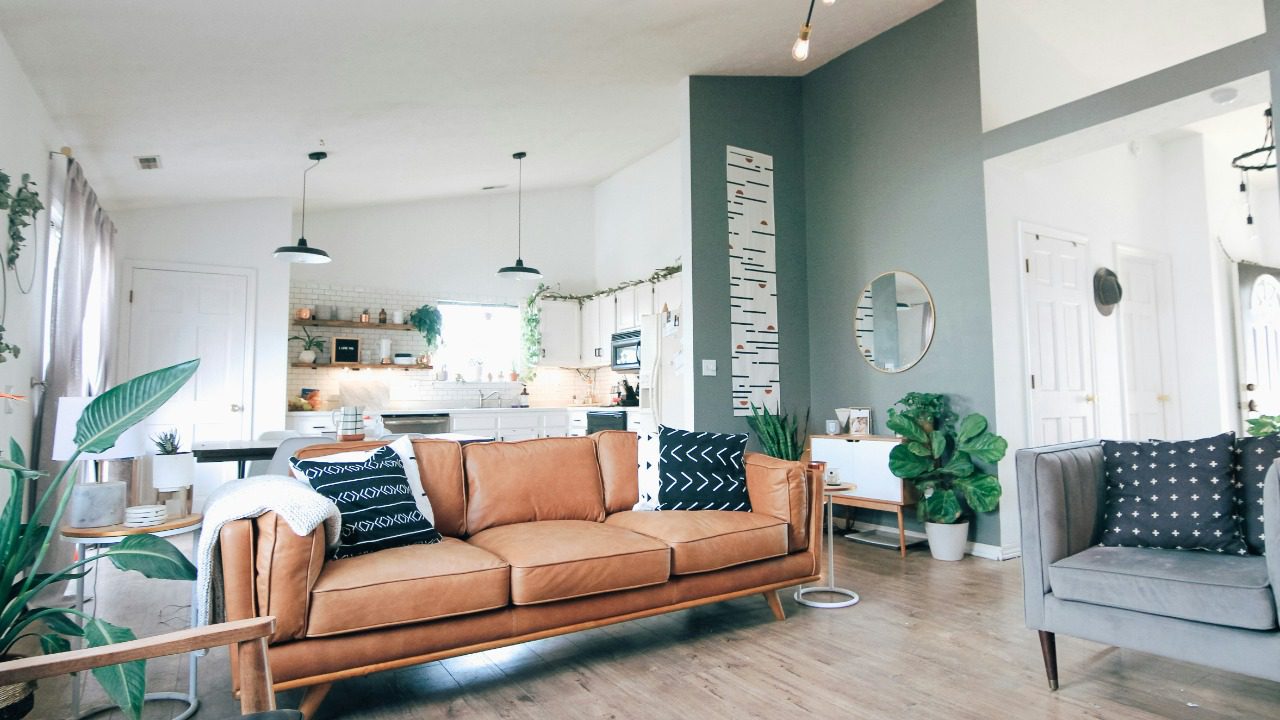
Colors play a crucial role in setting the mood of your space. Calming colors like blues, greens, and pastels can create a serene and tranquil environment. Consider painting your walls in these shades or incorporate them through accessories like pillows, rugs, and art.
One interesting fact is the concept of Color Psychology, which suggests that different colors can evoke various emotions. For instance, blue is often associated with calmness and stability, while green symbolizes nature and healing.
4. Creating a Dedicated Space for Relaxation

Having a dedicated space in your home where you can unwind can significantly contribute to a harmonious environment. It could be a reading corner, a meditation space, or simply a comfy chair by the window where you can sip your coffee in peace.
Even if you have a small space, you can still create your cozy corner. Use room dividers or rugs to define the area. Add comfortable seating, a throw blanket, and perhaps a stack of your favorite books or a diffuser with your favorite essential oils.
5. Letting in Natural Light

Natural light can instantly uplift your mood and make your space feel more open and airy. Ensure your windows are clean and clear of any obstructions to let in as much sunlight as possible. Use light, sheer curtains instead of heavy drapes to allow more light in.
If your home doesn’t get much natural light, you can use mirrors strategically to reflect light and brighten up your space. Place a mirror opposite a window or next to a lamp to maximize the light.
6. Incorporating Natural Elements

Besides plants, incorporating other natural elements like wood, stone, or water can bring a sense of calm and balance to your home. This could be through furniture, accessories, or even a small indoor fountain.
This concept is tied to the Japanese aesthetic of Wabi-Sabi, which embraces the beauty of imperfection and transience. It encourages the use of natural, raw materials that age gracefully, adding a unique charm to your space.
7. Using Scent to Set the Mood

Scent can significantly influence your mood. Using essential oils, scented candles, or incense can create a calming and relaxing atmosphere at home. Consider scents like lavender for relaxation, citrus for energy, or sandalwood for grounding.
However, be mindful of not overwhelming your space with too many different scents at once. Stick to one or two complementary scents to maintain balance.
8. Adding Art That Inspires You
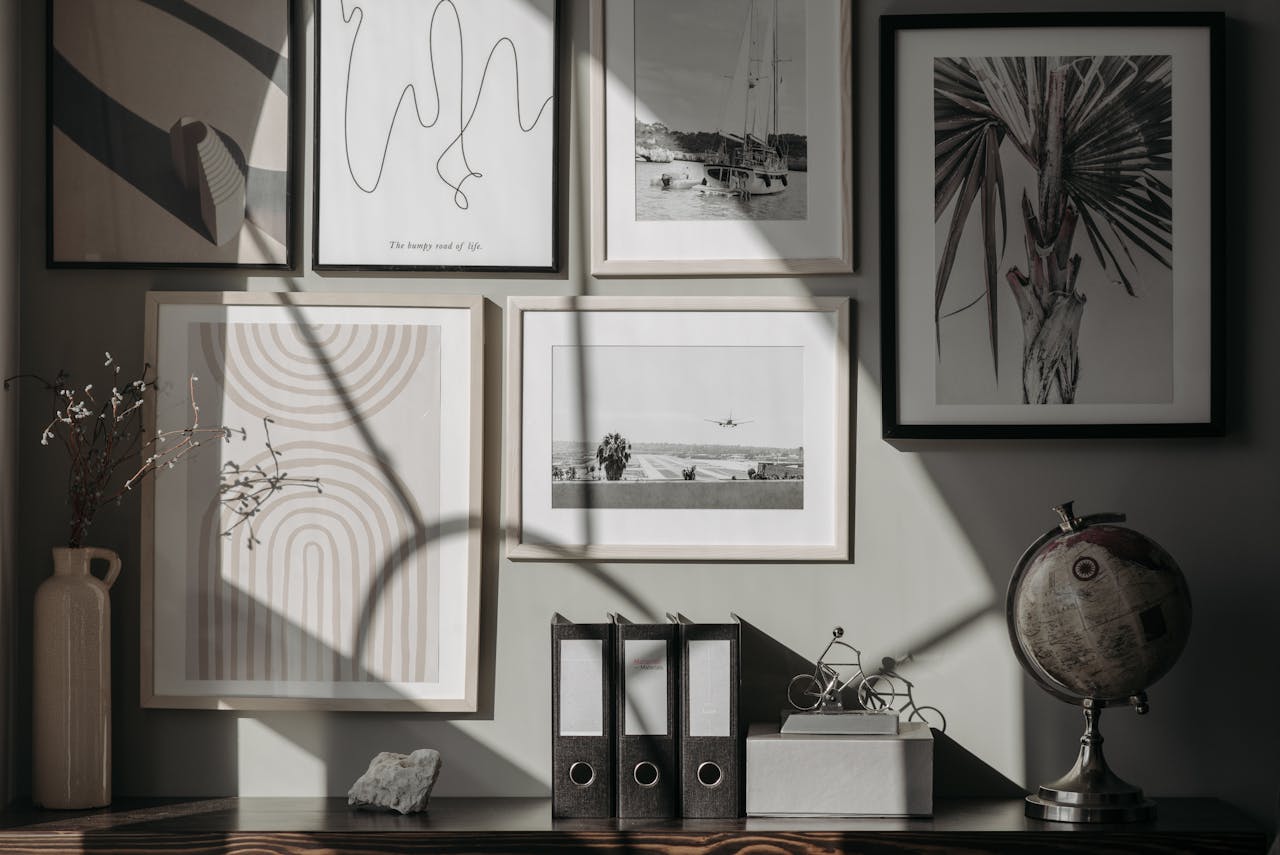
Art is a powerful way to express your personality and set the tone for your home. Choose pieces that resonate with you, inspire you, and make you feel good. It doesn’t have to be expensive or from a famous artist. Even a simple print or a photo can add a personal touch to your space.
Remember, it’s not just about aesthetic appeal but also the feeling it evokes. So, choose art that brings you joy and adds to the harmony of your home.
9. Creating a Balance of Shapes
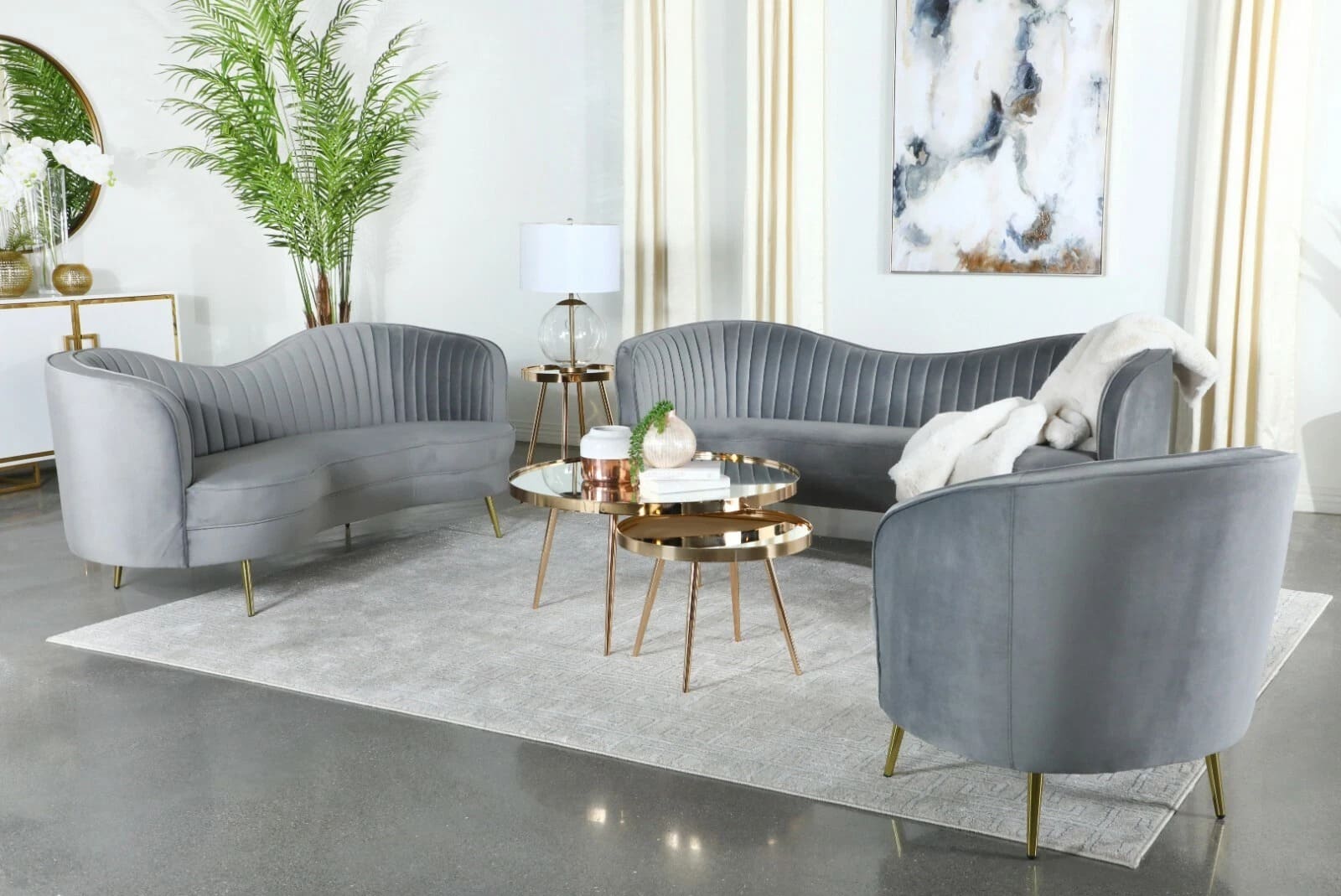
Balance and symmetry can bring a sense of order and harmony to your space. This doesn’t mean everything has to match perfectly, but there should be a balance of shapes, sizes, and patterns.
For instance, if you have a lot of straight lines and angles in your furniture, add some round or curved elements to soften the look. This can create a more visually interesting and harmonious space.
10. Keeping Noise to a Minimum

Noise pollution can disrupt the harmony of your home. Try to minimize external noise by using soundproofing materials, or simply by closing the windows during the busiest hours.
You can also incorporate soft background music or nature sounds to mask unwanted noise. White noise machines or apps can be useful for this.
11. Using Soft and Comfortable Textures

Textures play a crucial role in how a space feels. Soft and comfortable textures like plush rugs, throw blankets, and cushions can make your home feel more warm and inviting.
This also applies to your choice of furniture. Opt for upholstery that feels good to touch and invites relaxation. This can significantly contribute to a harmonious, cozy environment.
12. Organizing Your Space Thoughtfully
The way you organize your space can impact its harmony. Try to create clear pathways and avoid overcrowding your rooms with furniture. Keep your most used items within easy reach and store away the rest.

Using storage solutions like baskets,bins, and shelves can help keep your space tidy and organized. Remember, everything should have a designated place, which reduces clutter and brings order to your home.
13. Incorporating Elements of Feng Shui
Feng Shui is an ancient Chinese practice of arranging the living space for optimal flow of energy. While it can be complex, incorporating basic principles can enhance the harmony of your home.
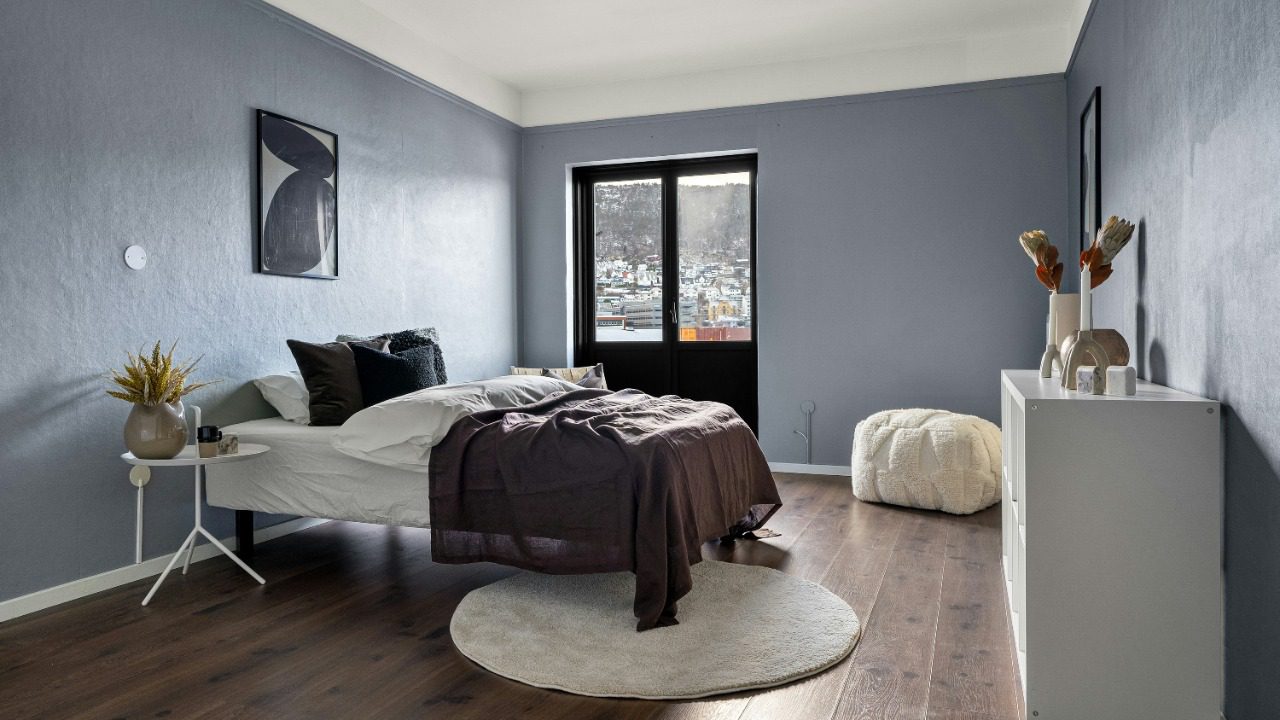
For instance, the command position suggests placing your bed or desk farthest from the door but still able to see it. This is believed to promote relaxation, reduce stress, and increase opportunity.
14. Being Mindful of Technology

While technology is an integral part of our lives, it can also disrupt the harmony of our homes. Try to limit the use of technology in certain areas, especially the bedroom, to promote relaxation.
Consider having a designated area for devices when they’re not in use. This can help reduce the visual clutter and distraction caused by technology, thereby contributing to a more harmonious space.
In conclusion, creating a harmonious home doesn’t require grand gestures or expensive renovations. It’s about curating a space that resonates with your personality, promotes positivity, and feels good to be in. So, take these tips as a starting point and adapt them to suit your personal style and needs.