


As a parent, you know that a tidy home and kids can sometimes seem like two mutually exclusive concepts. Between toys, clothing, school supplies, and more, it’s easy to feel like you’re living in a constant state of chaos. But maintaining an organized home isn’t just about aesthetics. It can also reduce stress, increase productivity, and make daily routines run more smoothly. That’s why I’ve put together a list of 14 ways I make my home feel more organized with kids. Each tip is practical, easy to implement, and kid-friendly.
1. Bins and Baskets Everywhere


In every room, on every surface, I have bins and baskets. They are an easy and stylish way to keep things tidy. I use them for toys, books, shoes, craft supplies, and even snacks. It’s an easy way for the kids to help with cleanup, too – they know that everything has its place.
For example, in the living room, I have a large wicker basket for toys. At the end of each day, my kids know they need to put their toys in the basket before bedtime. It’s a simple routine that keeps the living room from looking like a toy store exploded. In the kitchen, I use smaller baskets for snacks. Each child has their own snack basket in the pantry, which helps prevent arguments and also makes packing lunches a breeze.
2. Utilize Wall Space


Walls are often underutilized when it comes to organization. I use hooks, shelves, and wall-mounted organizers to keep things off the floor and at eye level. This is especially helpful in smaller spaces, like bathrooms and bedrooms.
For example, in my children’s bedrooms, I installed hooks at a height they can reach to hang up their jackets and backpacks. This keeps these items off the floor and makes getting ready for school in the morning a breeze. In the bathroom, I use wall-mounted organizers to keep toothbrushes, toothpaste, and hair accessories neat and accessible.
3. Label Everything

Labels are a game-changer when it comes to organization. They make it clear where things belong and take the guesswork out of putting things away. I use labels in every room, and for all sorts of items.
In the playroom, I label bins with pictures and words to show where different types of toys should be stored. This not only keeps the room tidy, but also helps my children learn to read and categorize. In the kitchen, I label shelves in the pantry and fridge to ensure everything goes back in its place after use.
4. Create a Drop Zone


Having a designated “drop zone” near the front door has been a lifesaver. It’s a place where backpacks, shoes, jackets, and other items can be dropped when we come home, instead of being scattered throughout the house.
I placed a shoe rack, coat hooks, and a small table for mail and keys in our drop zone. Now, instead of tripping over shoes and hunting for lost keys, everything we need to get out the door is right there.
5. Use Furniture With Built-In Storage

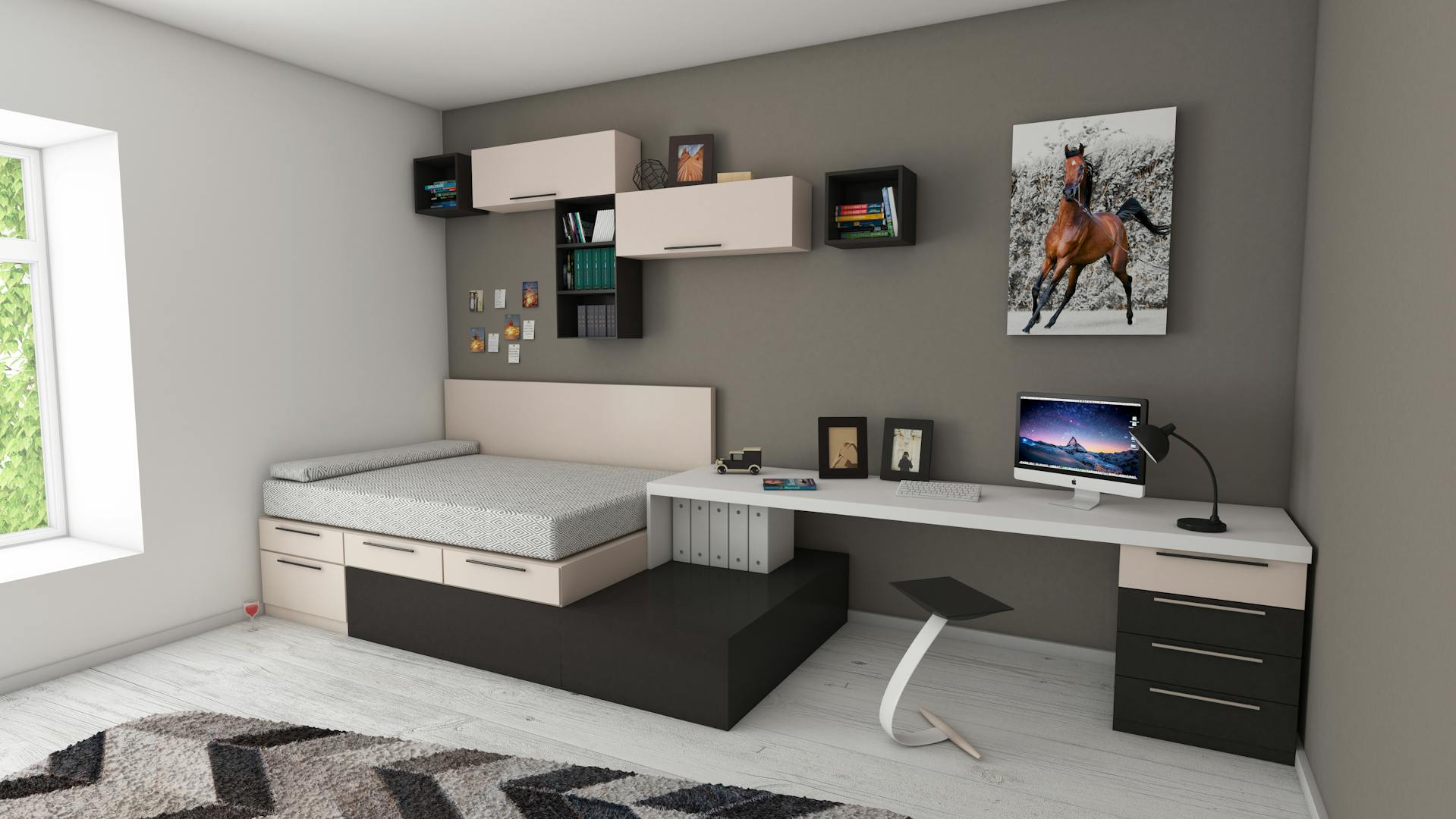
Furniture with built-in storage is a double win – it’s functional and helps keep clutter at bay. I use storage ottomans, beds with drawers, and coffee tables with shelves to maximize storage space.
For example, in our living room, we have a storage ottoman that doubles as a coffee table. It’s the perfect place to store blankets and board games. In my children’s rooms, their beds have drawers underneath for clothes, freeing up closet space for other items.
6. Implement a One-In, One-Out Rule

To prevent clutter from accumulating, we follow a one-in, one-out rule. For every new item that comes into the house, an old item must leave.
This rule is particularly helpful with toys. When my kids receive a new toy, they must choose an old toy to donate. It teaches them about generosity and helps keep our home from being overrun with toys.
7. Make Clean-Up a Game

Turning clean-up into a game makes it fun for kids and gets the job done faster. We play “beat the clock” where they have to pick up as many items as they can in five minutes.
They love the challenge, and it’s amazing how much they can accomplish in just a few minutes. Plus, it’s a great way to teach them about teamwork and responsibility.
8. Use Vertical Storage


Vertical storage, like shelving units and bookcases, are a great way to make use of vertical space and keep floors clear. I use them in almost every room of our home.
For example, in the playroom, we have a large bookcase that houses toys, books, and craft supplies. Each shelf is designated for a different category of items, keeping everything neat and organized.
9. Have a Designated Homework Station

Having a designated homework station keeps school supplies in one place and provides a quiet spot for kids to focus. Our homework station includes a desk, a lamp, and a basket for paper, pencils, and other supplies.
This setup makes it easy for my kids to find what they need and get to work. Plus, it helps keep school clutter contained and out of the rest of the house.
10. Use a Chore Chart
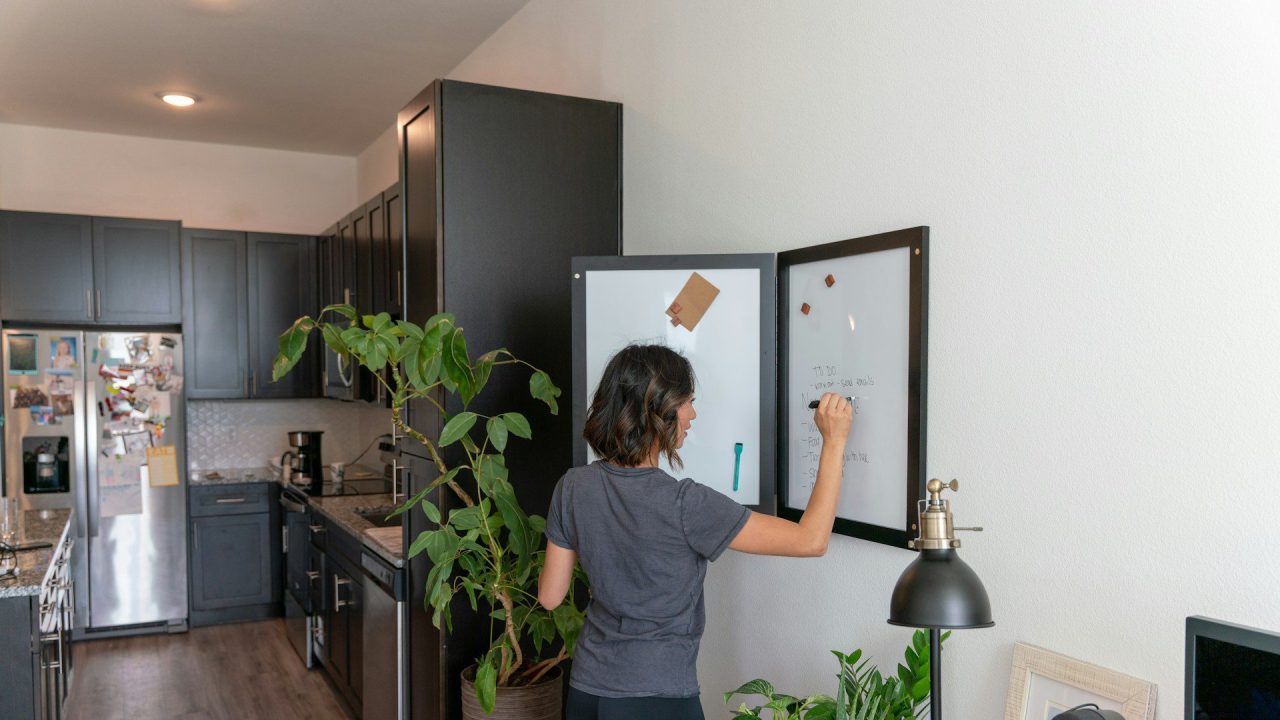
A chore chart is an excellent tool for teaching kids about responsibility and keeping the house clean. Each of my children has a set of daily and weekly chores, which are listed on a chart in the kitchen.
The chart helps them remember their tasks and gives them a sense of accomplishment when they can check off a completed chore. Plus, it means less cleaning and organizing for me!
11. Regularly Declutter

Regular decluttering is essential for maintaining an organized home. We do a big declutter every few months, and I also try to do mini declutters every week.
For the big declutters, we go through each room and decide what to keep, what to donate, and what to throw away. For the mini declutters, I might choose one area, like a drawer or a shelf, to go through.
12. Organize by Frequency of Use
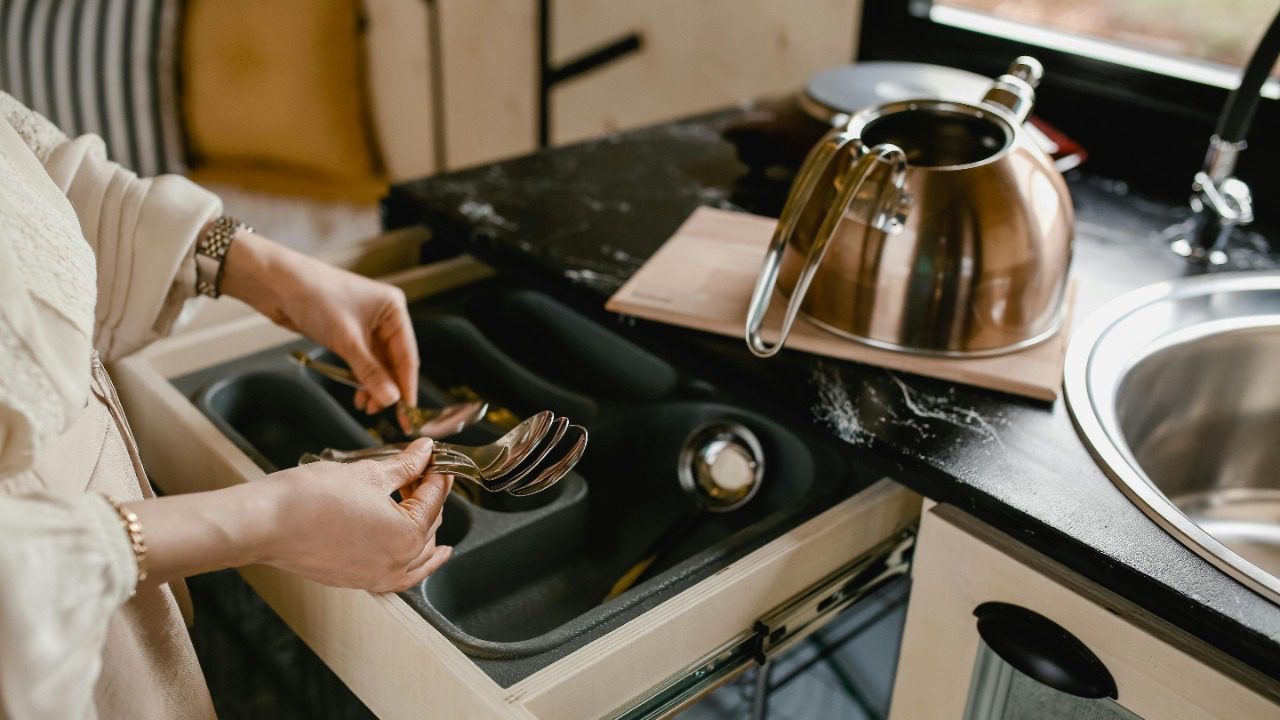
Organize items based on how frequently they are used. Items used daily should be easily accessible, while items used less frequently can be stored higher up or in less accessible areas.
For example, in the kitchen, we keep everyday dishes on lower shelves where they can be easily reached, while special occasion dishes are stored on higher shelves.
13. Make Use of Under-Bed Storage
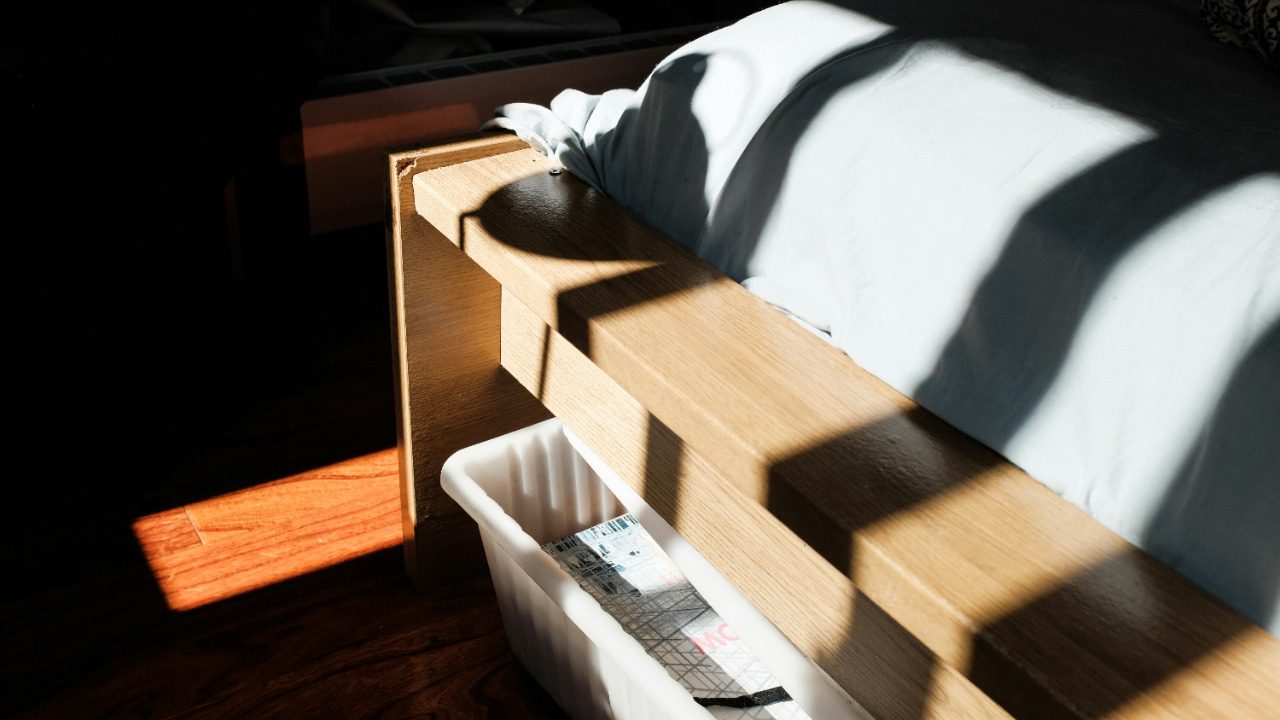
Under-bed storage is a great place to store items that aren’t used daily, like extra bedding or out-of-season clothing. I use under-bed storage bins to keep these items organized and out of the way.
This tip is particularly helpful in smaller spaces where storage is limited. It’s also a great way to make use of otherwise wasted space.
14. Keep a Donation Box Handy

Finally, keep a donation box in a convenient location. Whenever you come across an item you no longer need or want, put it in the box.
Once the box is full, donate the items. This is a simple, ongoing way to keep clutter at bay and make your home feel more organized. Plus, it’s a great way to give back to your community.