


When you’re browsing a flea market, it’s easy to get excited about finding a unique antique. However, not everything labeled as “vintage” or “authentic” is the real deal. Knowing how to spot a fake can save you money and disappointment.
You need clear methods to tell if an item is truly antique or just a clever reproduction. This article will guide you through simple and effective ways to recognize genuine antiques so you can shop with confidence.
Check for uneven wear that looks natural, not symmetrical or deliberate

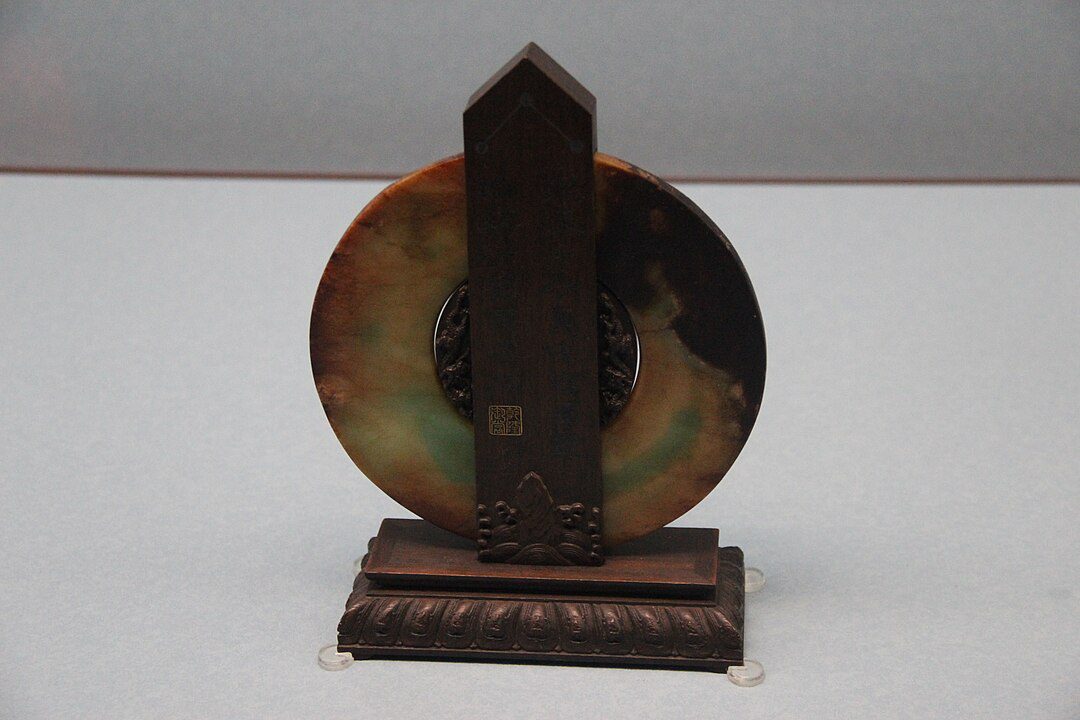
When you look at an antique, pay close attention to how it shows signs of use. Natural wear will be uneven and random, reflecting real use over time.
If the wear looks perfectly symmetrical or too uniform, it might be fake. Some sellers create deliberate wear to make pieces appear older, but these marks often lack authenticity.
Focus on areas that would naturally get touched or handled, like edges or corners. If those spots show inconsistent wear, it’s a good sign the item is genuine.
Look for handmade imperfections like irregular nail placement or tool marks

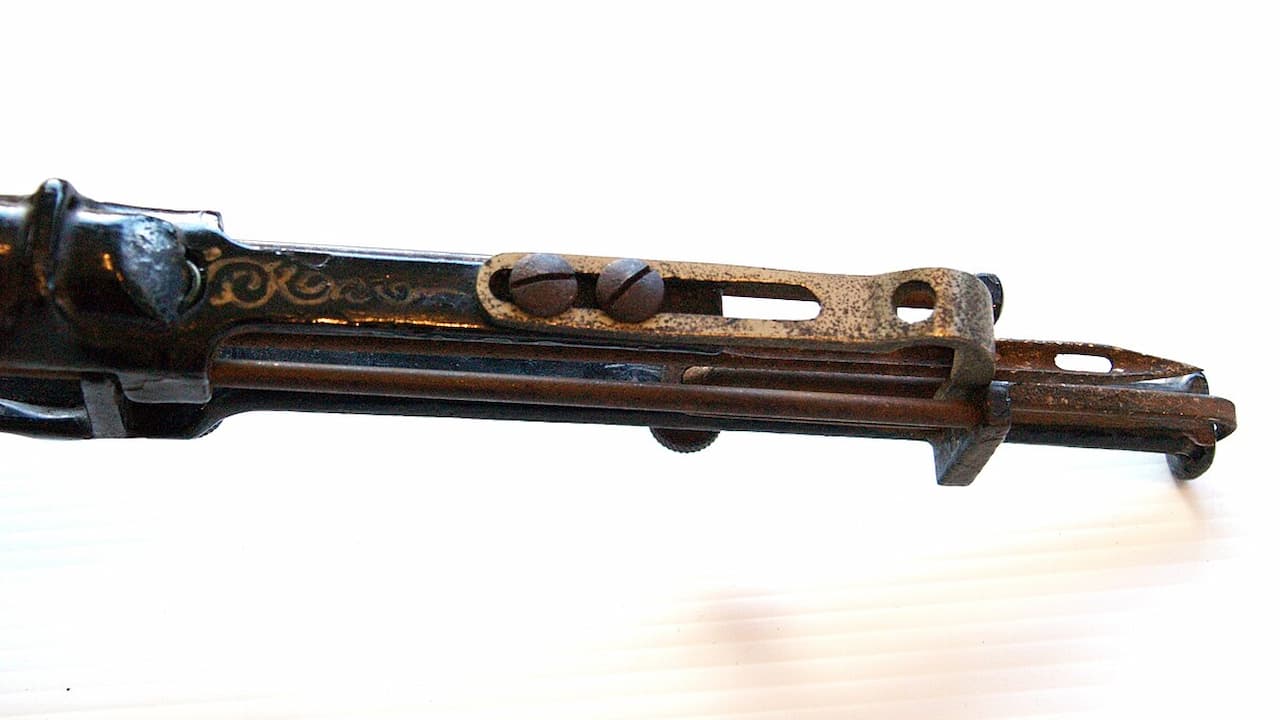
When you examine antiques, check for small irregularities. Genuine pieces often show uneven nail placement because they were made by hand.
Look closely at tool marks too. Hand-forged nails and hand tools usually leave subtle signs like hammer marks or slight inconsistencies.
If nails appear too clean or perfectly placed, the item might have modern replacements. These details help you tell real antiques from reproductions.
Examine the glass for ripples or bubbles indicating old glasswork


When you look at antique glass, check for small ripples or waves. These are signs the glass was hand-blown, which is common in older pieces.
Tiny bubbles trapped inside the glass also suggest it’s old. Modern glassmaking often avoids these imperfections.
If the glass is too perfectly smooth or clear, it might be a newer reproduction. Use a gentle tilt to catch light and spot these subtle features.
Verify rust presence and whether it bleeds onto wood parts
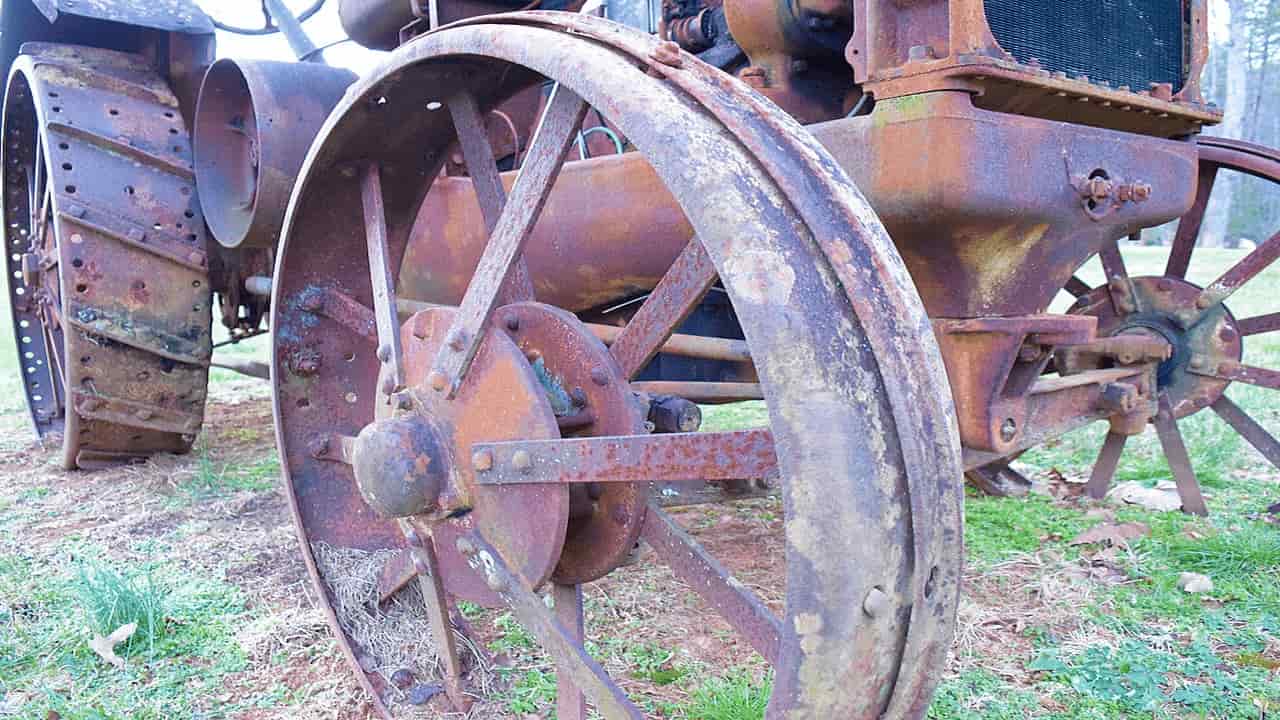
When you check metal parts, look closely for rust. Genuine rust on antiques often seeps into nearby wood, leaving stains that show age.
If the rust looks new or sits cleanly on the surface without any discoloration on wood, it might be artificial.
You want to see natural aging, where rust and wood interact over time, not just metal that’s been artificially aged or painted.
Remove frames or backing to inspect backs and undersides for age signs
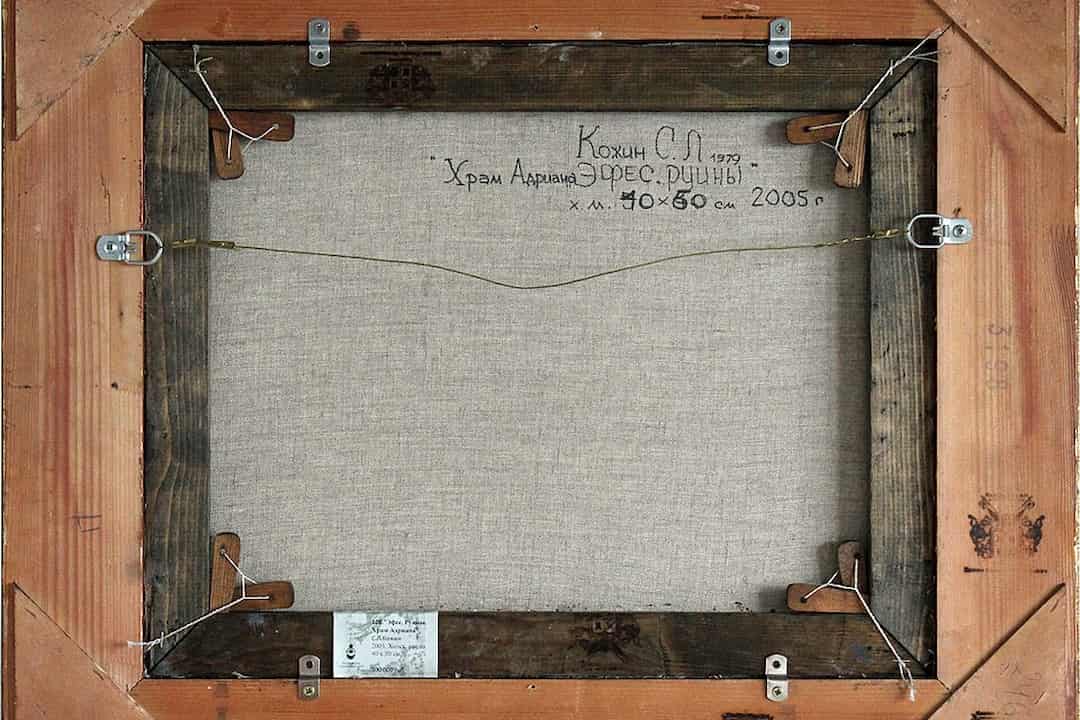
When you find a framed item, gently remove the frame or backing. This lets you examine the back or underside closely.
Look for signs like old nails, discoloration, or wear consistent with age. These details often reveal if the piece really is antique or a newer reproduction.
Don’t rush this step. Taking time to inspect these hidden areas can save you from paying for something that isn’t authentic. Your careful eye will serve you well at the flea market.
Investigate the chain of custody or provenance if available
You should ask the seller if the item comes with a history or chain of custody. Knowing who owned the piece before you adds confidence about its authenticity.
Check for documents like ownership records or certificates that trace the item’s past.
If you can, get a professional appraisal to confirm the provenance. This helps you avoid fakes and ensures what you’re buying has a genuine background.
Compare letter spacing and font inconsistencies on vintage signs

When you look at vintage signs, pay close attention to letter spacing. Genuine signs often have uneven spacing due to hand-painting or old printing methods.
If the letters look too uniform or perfectly spaced, it could be a reproduction.
Also, check the font style. Inconsistencies in font shapes or styles within the same sign may suggest it is not authentic. Your eye for these small details can help you spot a fake.
Feel the weight; genuine antiques often feel heavier than replicas.

When you pick up an antique, notice how it feels in your hands. Authentic pieces usually have solid materials, making them feel heavier than modern fakes or replicas.
For example, antique swords or furniture might weigh more because of the original wood or metal used. If it feels lighter than expected, that could be a sign it’s not genuine.
Trust your sense of weight as one clue among others when checking an item’s authenticity.
Look for faded paint or natural patina that develops over decades
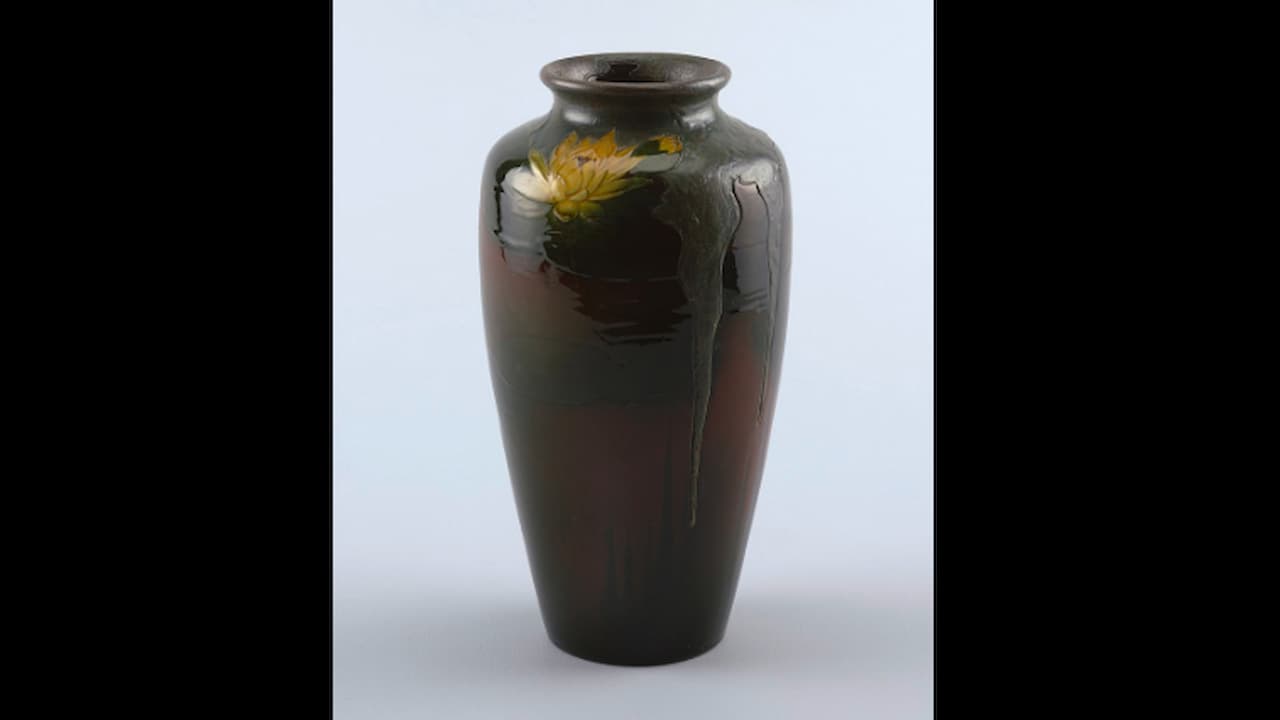
When you examine an antique, check the paint carefully. Genuine antiques often have faded or worn paint from years of exposure and use.
You’ll notice a natural patina, a kind of soft glow or discoloration that shows age. It forms slowly and can’t be perfectly copied by fakes.
If the paint looks too fresh or the wear feels artificial, it’s probably not real. Authentic antiques wear their history on their surfaces.
Confirm craftsmanship details matching the era of the piece

You should carefully examine how the piece is joined. Older furniture often uses hand-cut dovetail joints, while newer items might have machine-made ones.
Look closely at the nails or screws. Hand-forged nails or irregular screws usually indicate an older, authentic item.
Pay attention to the overall finish and detailing. The techniques and tools used in certain eras leave distinct marks you can learn to recognize.
Use a magnifying glass to spot modern manufacturing marks.


When you use a magnifying glass, you can see small details that are hard to spot with the naked eye. Look closely for any stamps, logos, or numbers that might indicate when and where the item was made.
Modern pieces often have cleaner, more precise marks compared to genuine antiques. You might also catch signs of recent manufacturing like bright metals or sharp edges that don’t match the aged look you expect.
Using this tool helps you avoid paying for a fake by revealing clues on the surface that tell the real story.
Check inside drawers or less visible spots for tool marks or labels
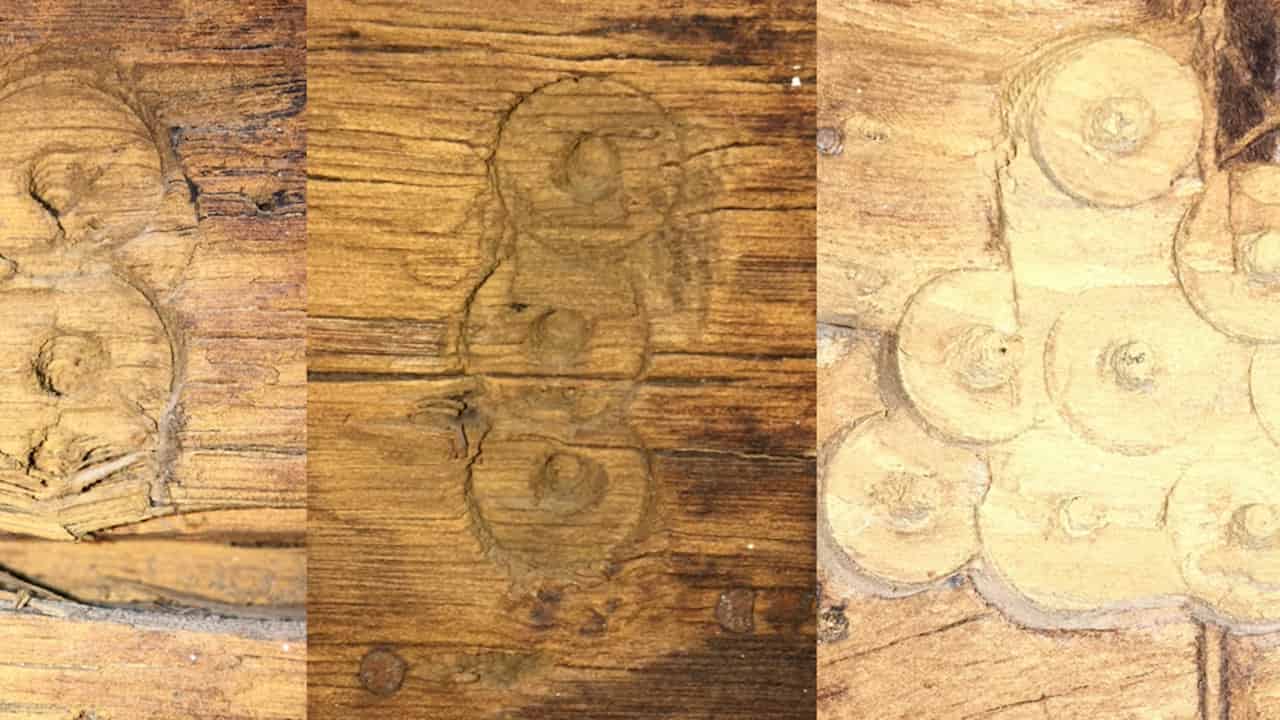
When you’re inspecting an antique, be sure to look inside drawers or hidden areas. These spots often show tool marks that reveal how the piece was made.
You might find labels, stamps, or signatures tucked away where they aren’t obvious. These can help verify the item’s age and origin.
If the inside looks too new or lacks any markings, it could be a red flag. Take your time checking these details—they tell a story you can’t see on the surface.
Smell the piece; old wood or leather has a distinct vintage aroma
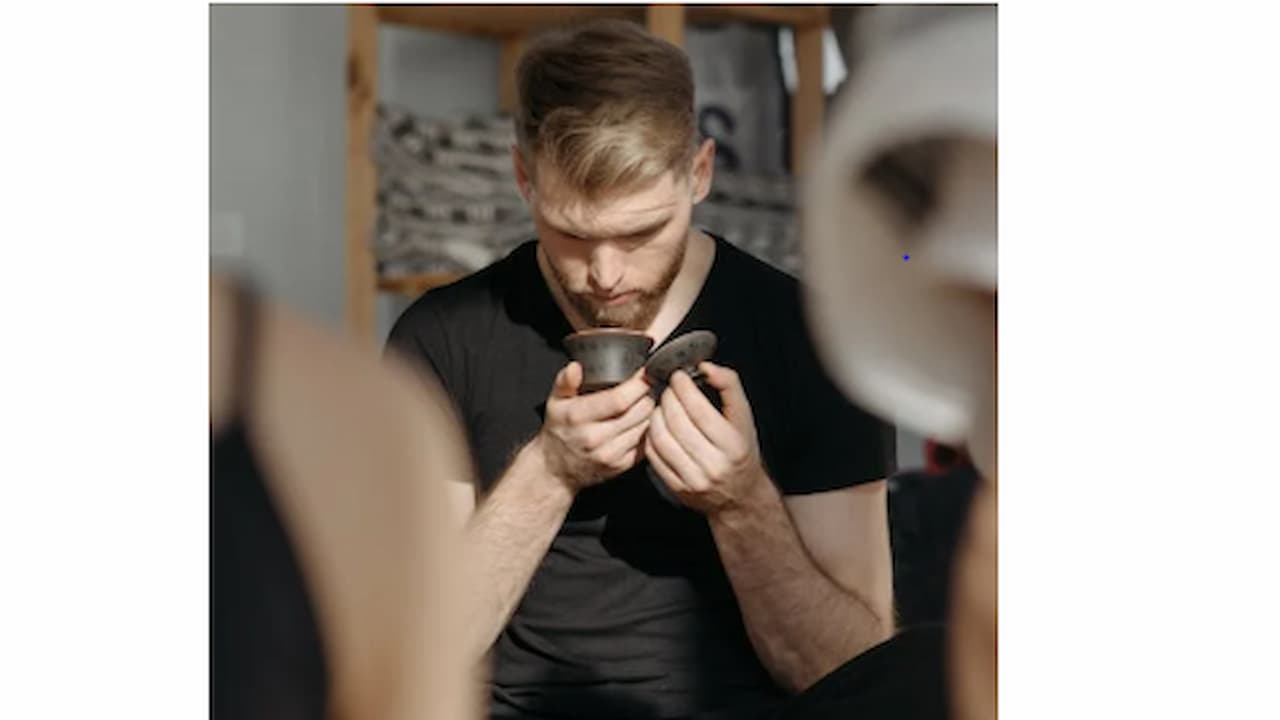
When you pick up an antique, take a moment to notice its smell. Genuine old wood and leather usually have a subtle, musty scent that comes from years of aging.
This vintage aroma is different from the strong chemical smells found in many reproductions. If your piece smells too fresh or like glue, it might be a fake. Trust your nose—it can be a useful tool when shopping at flea markets.
Beware of too-perfect finishes lacking cracks or chips

When you find an antique with a finish that looks flawless, be cautious. Genuine antiques often show signs of wear like small cracks, chips, or uneven textures from years of use.
If a piece appears too perfect, it might have been recently refinished or even made to look old. Look closely for subtle imperfections that tell a story of age and use.