

Cleaning is an essential part of maintaining a tidy and healthy environment. However, not all cleaning habits are as effective as they seem. Some may even cause more harm than good by damaging surfaces or failing to remove dirt and bacteria. With so many cleaning tips and tricks out there, it can be hard to determine what works and what doesn’t.
Let’s debunk 15 common cleaning habits that are actually ineffective, providing you with practical advice to help you clean more efficiently and effectively.
1. Mixing Cleaning Products


Mixing different cleaning products together might seem like a good idea to boost their cleaning power, but it can lead to dangerous chemical reactions. For example, mixing bleach with vinegar or ammonia can produce toxic gases. Moreover, combining certain products can neutralize their cleaning effects, making them useless. Always use products as directed and avoid mixing them unless specified by the manufacturer.
2. Using Fabric Softener on Towels


Fabric softeners are designed to make clothes soft and fresh-smelling, but they are not ideal for all types of laundry. When used on towels, fabric softener coats the fibers, reducing their absorbency over time. Instead of softeners, add vinegar to the rinse cycle to remove detergent residue and maintain the absorbency of your towels.
3. Cleaning Windows on a Sunny Day


It may seem logical to clean windows on a sunny day. After all, the bright light makes it easier to spot smudges and streaks. However, the heat from the sun can cause the cleaning solution to dry too quickly, leaving streaks on the glass. The best time to clean windows is on a cloudy, but not rainy day.
4. Washing Knives in the Dishwasher

While it’s tempting to throw everything in the dishwasher, knives should always be hand-washed. The high heat and strong detergents in the dishwasher can dull the blade and damage the handle. Hand-washing knives also reduces the risk of accidental injury when unloading the dishwasher.
5. Overusing Disinfectant Wipes
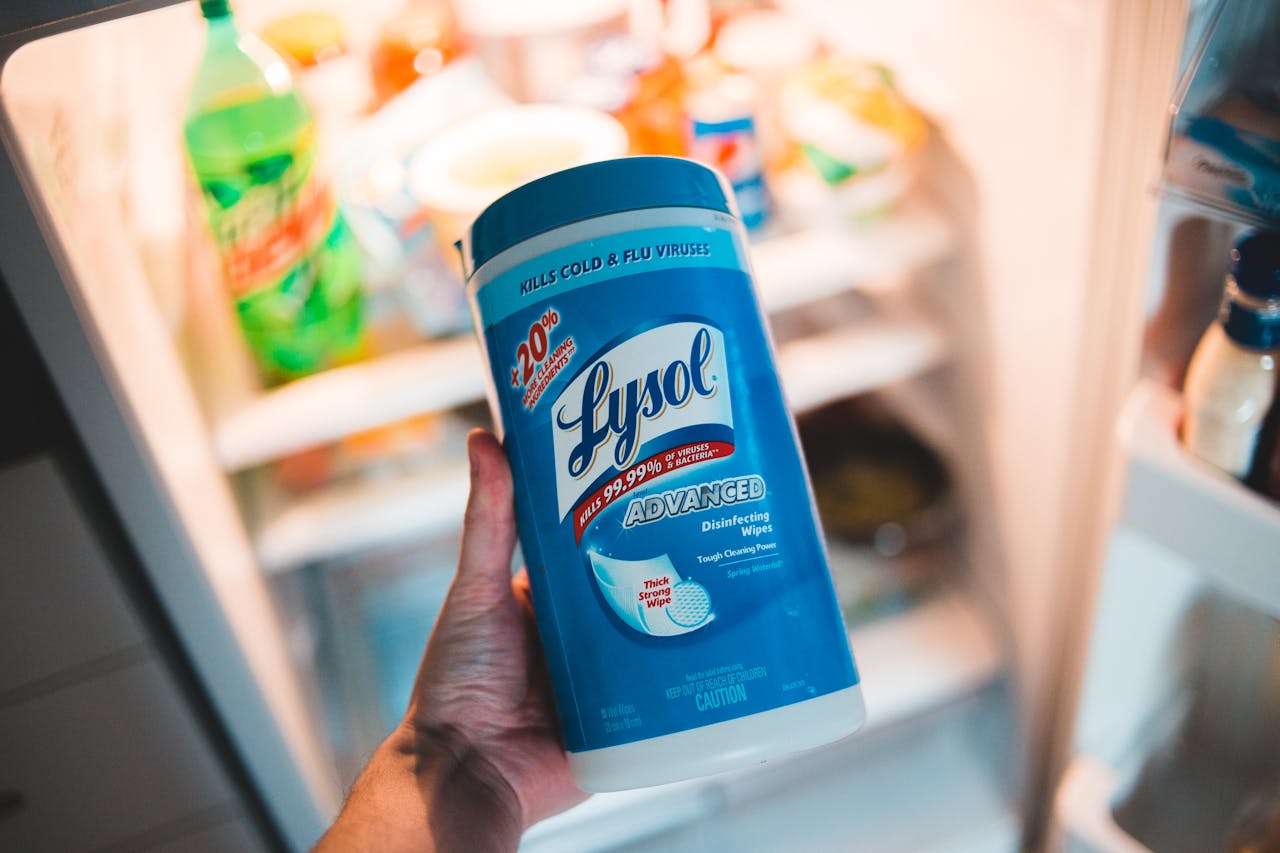
Disinfectant wipes are convenient, but they are not always the most effective cleaning method. For the disinfectant to work properly, the surface needs to remain wet for a certain amount of time, which is often longer than most people realize. It’s also important to remember that disinfectant wipes won’t remove dirt or grime, so surfaces may need to be cleaned first with soap and water.
6. Using Too Much Laundry Detergent

More detergent doesn’t necessarily mean cleaner clothes. In fact, using too much can leave a residue on your clothes and cause buildup in your washing machine. Be sure to follow the recommended amounts on the detergent packaging, adjusting for the size of the load and the hardness of your water.
7. Spraying Cleaner Directly on Surfaces

Spraying cleaner directly onto surfaces can cause streaks and waste product. Instead, spray the cleaner onto a cloth or sponge, then wipe the surface. This method also ensures that you’re using the appropriate amount of product for the task.
8. Neglecting Cleaning Tools

Your cleaning tools – mops, brooms, sponges – need to be cleaned too. Dirty tools can spread dirt and bacteria around, negating your cleaning efforts. Be sure to regularly clean, replace, or disinfect your cleaning tools.
9. Scrubbing Carpet Stains

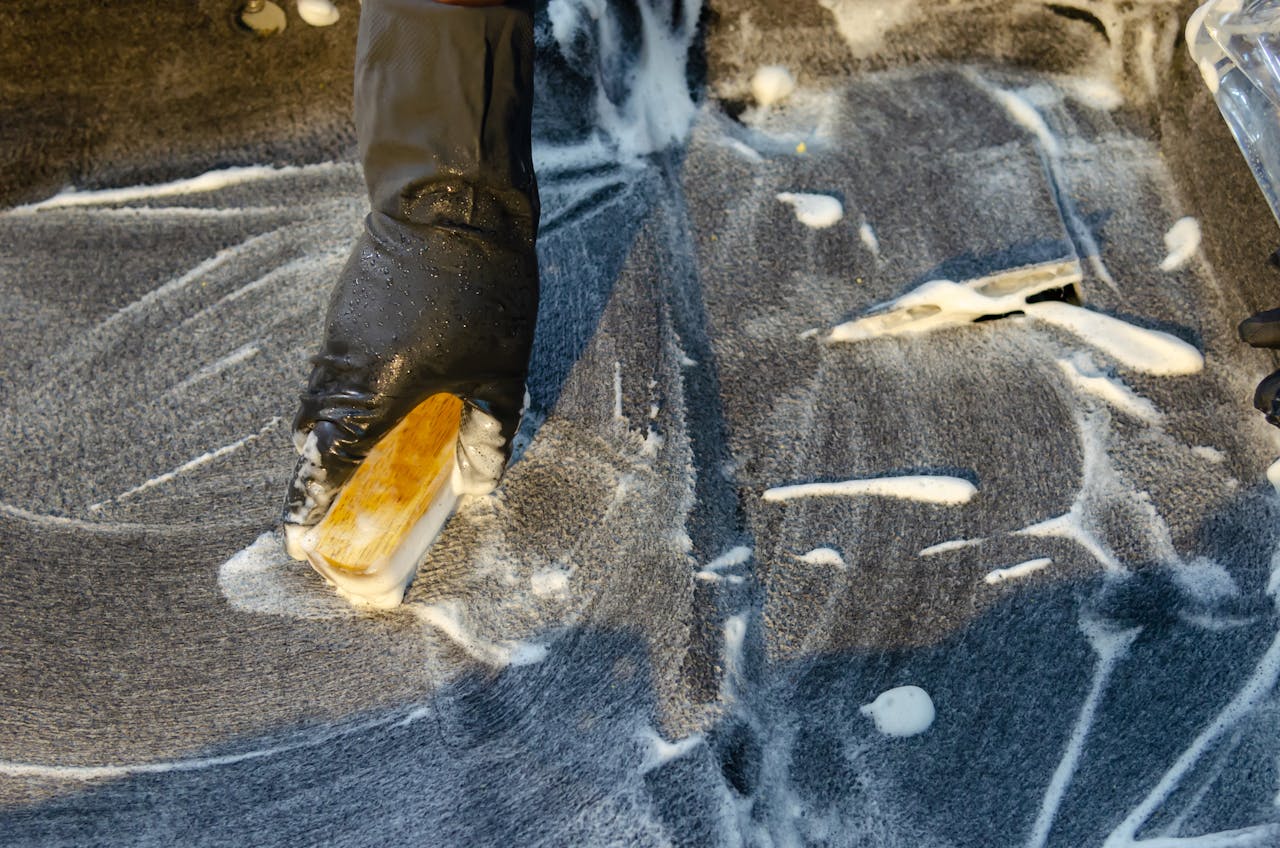
When a spill happens on carpet, the instinct is often to scrub it vigorously. However, this can actually push the stain deeper into the fibers and damage the carpet. Instead, blot the stain with a clean cloth, working from the outside in.
10. Cleaning Everything with Vinegar

While vinegar is a versatile and natural cleaner, it’s not suitable for all surfaces. Vinegar is acidic and can damage natural stone, wood, and certain types of grout. Always check if a cleaning solution is safe to use on a particular surface.
11. Using One Disinfectant Wipe for Multiple Surfaces
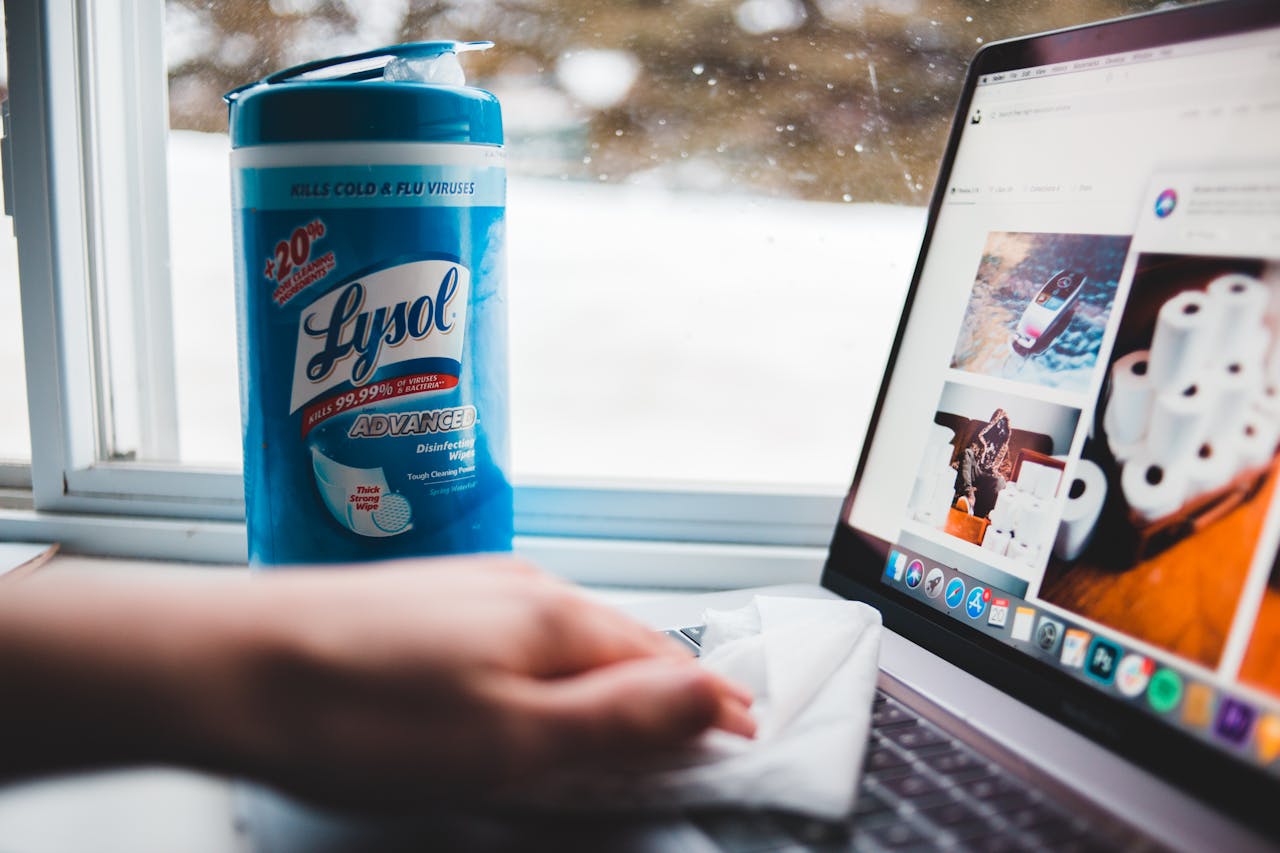
One disinfectant wipe doesn’t go a long way. Using one wipe for multiple surfaces can spread bacteria around instead of killing it. Use a new wipe for each surface to ensure that you’re effectively disinfecting.
12. Dusting with a Dry Cloth

Dusting with a dry cloth simply moves the dust around instead of capturing it. Use a damp cloth or a microfiber duster, which can trap and hold dust particles.
13. Not Cleaning Top to Bottom

Cleaning from the top down ensures that any dust or debris knocked loose will be cleaned up in the process. If you start at the bottom, you may end up having to reclean areas.
14. Ignoring Small, Everyday Messes

Small messes can quickly add up if they’re not addressed regularly. Take a few minutes each day to tidy up, preventing minor messes from becoming major cleaning tasks.
15. Not Reading Cleaning Product Instructions


Not all cleaning products are used the same way, and failing to read the instructions can lead to ineffective cleaning or even damage to surfaces. Always read and follow the instructions to ensure you’re using the product correctly and safely.