


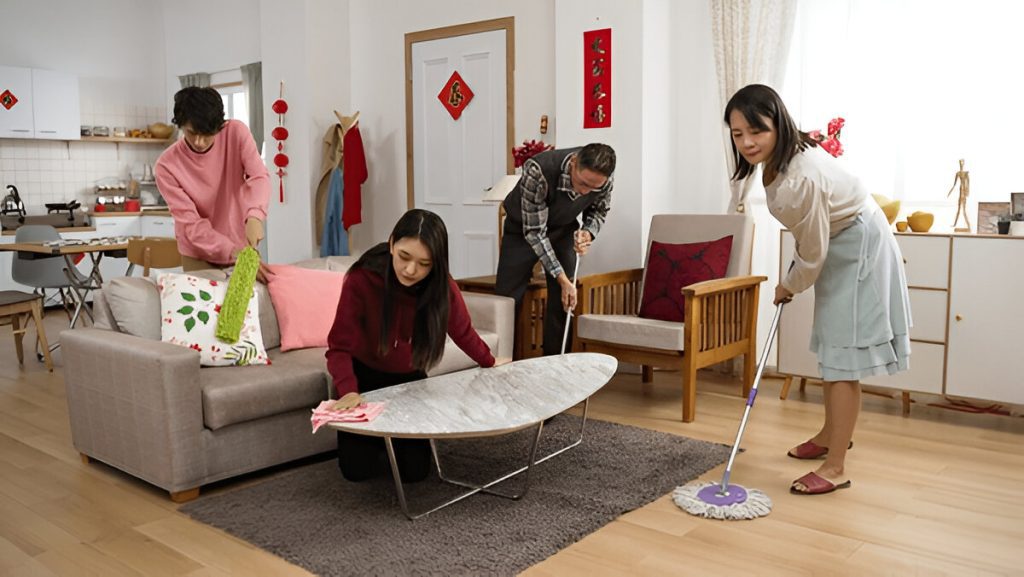
Cleaning your home may seem straightforward, but small mistakes can actually cause damage or leave surfaces less clean than you expect. You might be following routines that seem effective but are doing more harm than good without realizing it.
Understanding common cleaning errors can help you protect your belongings and keep your home truly fresh and well-maintained. Knowing what to avoid will save you time, effort, and unnecessary wear on your furniture and surfaces.
Using Dirty Cleaning Tools

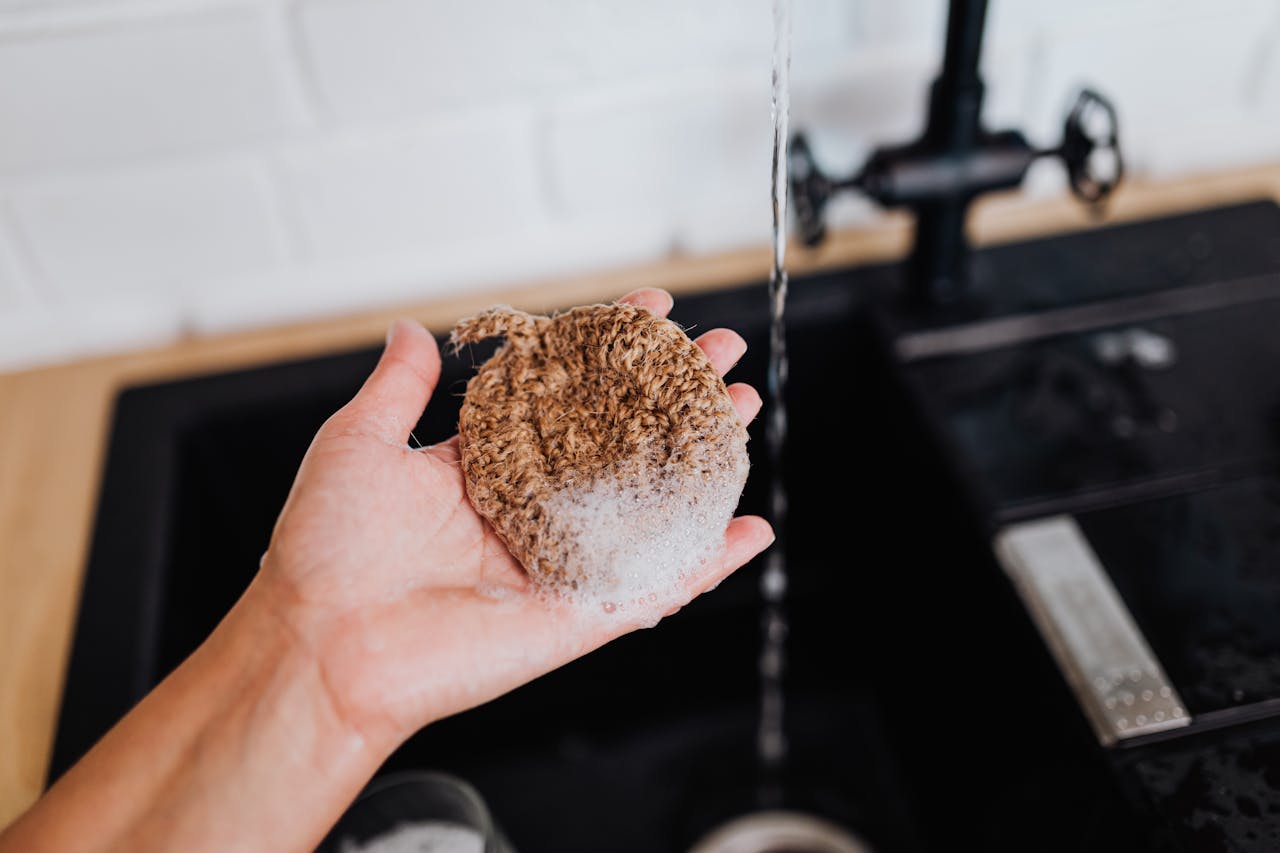
If you use dirty cleaning tools, you might be spreading bacteria instead of removing it. Your sponges, cloths, and mops should be cleaned or replaced regularly to avoid this.
Vacuums and brushes also need attention. A clogged filter or dirty brushes can reduce their effectiveness and leave dirt behind.
Taking a few minutes to rinse, wash, or swap out your tools can make a big difference in how clean your home actually gets.
Not Cleaning Before Disinfecting


You might think disinfecting alone is enough, but it isn’t. Dirt and grime can block disinfectants from reaching germs effectively.
Always clean surfaces first with soap and water. This removes debris and prepares the area so disinfectants can work better.
Skipping this step can leave harmful bacteria behind. Taking a little extra time ensures your home is truly clean and safer for everyone.
Rubbing Stains Instead of Blotting

When you spot a stain, avoid rubbing it. Rubbing can push the stain deeper into fibers or spread it around.
Instead, blot gently using a clean cloth or paper towel. This lifts the stain without damaging the material.
Blotting helps remove the stain more effectively and protects your fabrics or carpets from wear and tear.
Wiping Surfaces Too Soon

When you wipe surfaces right after spraying cleaner, you might not be giving the solution enough time to work. This can leave behind dirt and germs because the cleaner hasn’t fully dissolved grime. Try letting the product sit for a minute or two before wiping.
This helps the cleaner break down dirt better and makes your cleaning more effective. Patience here can improve your results without extra effort.
Reusing the Same Rag Throughout the House


When you use the same rag to clean different areas, you can spread dirt and germs instead of removing them. Each surface tends to have its own type of bacteria, so using a fresh rag helps keep these from migrating.
To avoid cross-contamination, try using multiple cloths or separate rags for different rooms. It makes cleaning more effective and helps your home stay truly clean.
Cleaning from the Floor Up Instead of Top Down

If you start cleaning from the floor, dust and dirt will fall onto already cleaned surfaces. This means you’ll end up re-cleaning areas, wasting time and effort.
To avoid this, clean from the top down. Dust higher surfaces first, then work your way down to the floor. This method keeps everything fresh without repeated work.
Using Too Much Cleaning Product

Using too much cleaning product might seem like a way to get things extra clean, but it can actually cause problems. Excess residue can build up on surfaces, attracting dirt and making your home look dull over time.
It can also be wasteful, costing you more money without improving results. Follow the product’s instructions to use the right amount for effective cleaning. Remember, more isn’t always better!
Ignoring Garbage Disposal Maintenance
If you skip cleaning your garbage disposal, food buildup and mold can develop, causing odors and clogs.
You should clean the disposal regularly using natural solutions like baking soda and vinegar. Don’t forget to scrub under the splash guard where residue often hides.
Avoid putting items like glass, plastic, or fibrous foods down the disposal to keep it working smoothly. Taking small steps to maintain your disposal helps prevent larger problems and keeps your kitchen fresher.
Neglecting to Clean Vacuum Filters

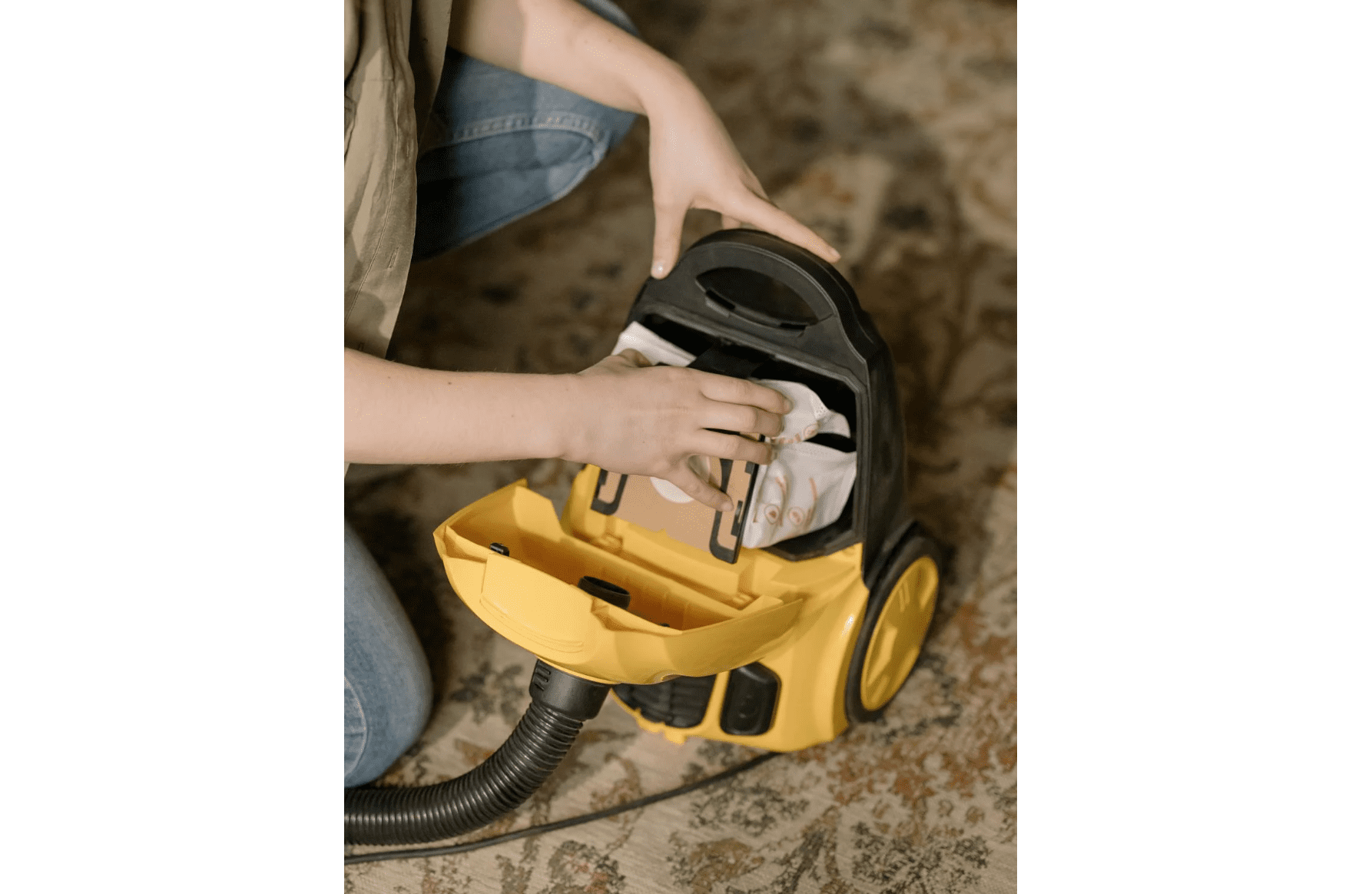
You might not realize how important vacuum filters are for keeping your home clean. When filters get clogged, your vacuum doesn’t trap dust and allergens effectively.
This can make your floors look dirtier, even after vacuuming.
To keep your vacuum working well, clean or replace the filters regularly. Check your vacuum’s instructions to know how often you should do this. It helps maintain strong suction and a healthier home environment.
Washing Cleaning Cloths Infrequently

If you don’t wash your cleaning cloths often, they can harbor dirt and germs. This means you might be spreading messes instead of cleaning them.
Make sure to wash cloths after each use. Using a fresh cloth each time keeps your surfaces truly clean and your home healthier.
Using Feather Dusters That Spread Dust

Using a feather duster might seem like a quick way to clean, but it often just moves dust around. Instead of picking it up, feather dusters can scatter dust into the air or onto other surfaces.
If you prefer dusters, try a microfiber cloth or a lambswool duster. These options trap dust more effectively and leave your home cleaner. A slightly damp cloth can also help collect dust without spreading it.
Mixing Incompatible Cleaning Chemicals

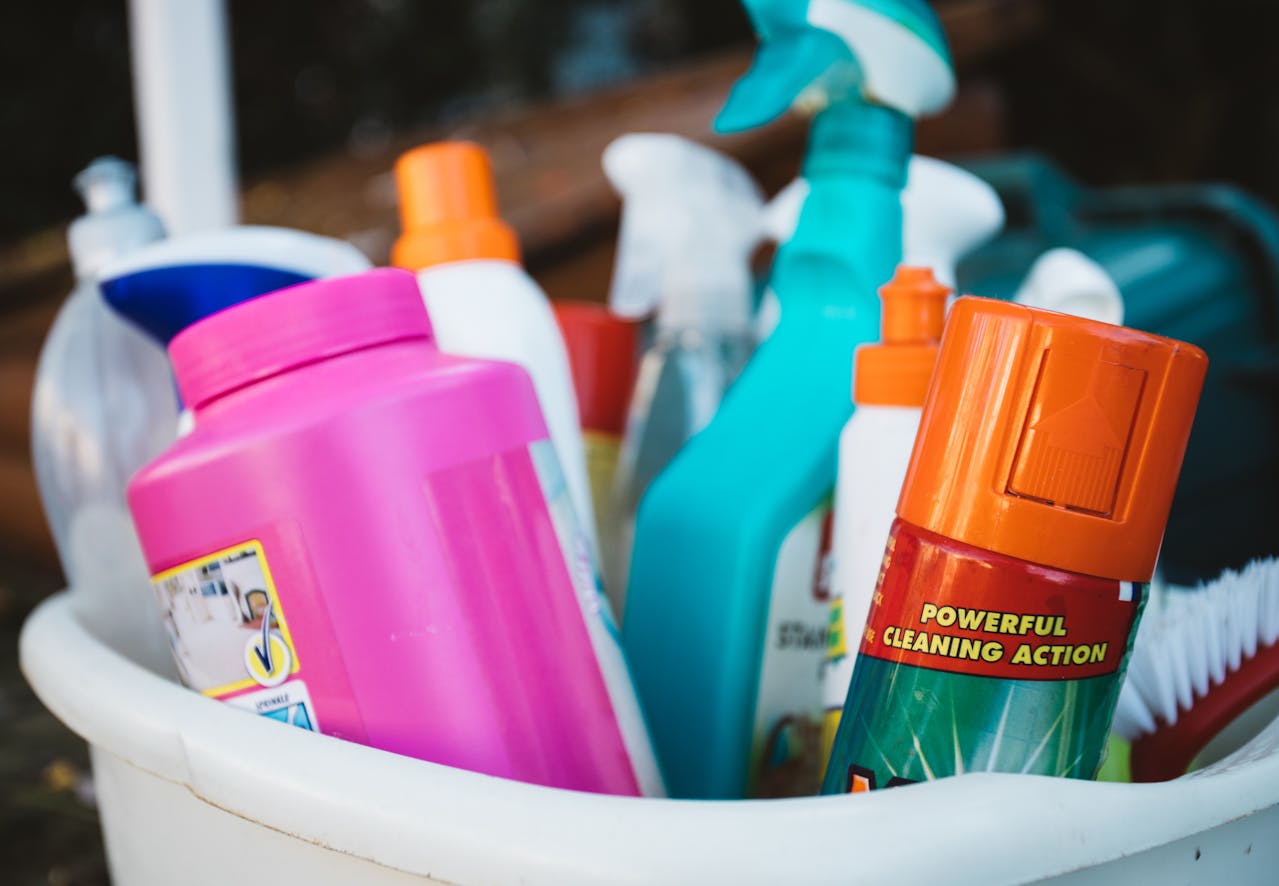
You should never mix certain cleaning chemicals because they can create harmful gases. For example, combining bleach with vinegar produces chlorine gas, which can cause breathing problems and eye irritation.
Mixing bleach with ammonia forms chloramine, another dangerous gas.
Always read labels carefully and use one product at a time. This keeps your home safe and your cleaning effective.
Cleaning with Dirty Sponges
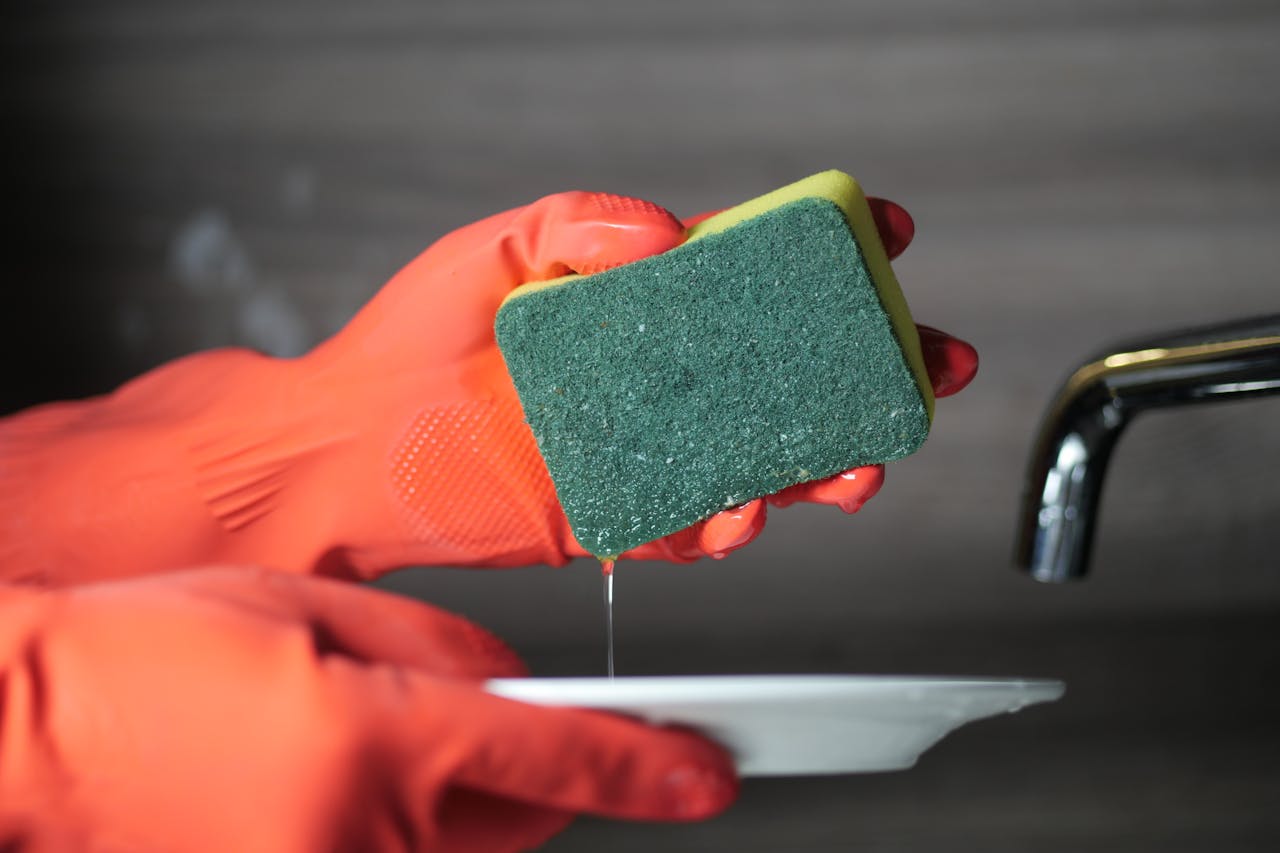
Using a dirty sponge can spread more germs than it cleans. You might think it’s working, but sponges often hold bacteria from previous uses.
To keep your sponge safe, rinse it well after each use. Toss it in the dishwasher regularly or soak it in a bleach or vinegar solution to kill germs.
Replacing your sponge frequently is also helpful. This small step protects your home from hidden dirt and keeps your cleaning tools fresh.
Not Vacuuming In Multiple Directions

When you vacuum, try changing the direction each time. Moving the vacuum in only one way can leave dirt trapped deep in carpet fibers.
By vacuuming back and forth and side to side, you reach more hidden dust and debris. This simple step helps your floors look cleaner and last longer.
It’s a small change that makes a big difference in how well your vacuum works.
Using Bleach as an Everyday Cleaner

Using bleach daily can actually harm surfaces and wear down fabrics over time. It’s best to save bleach for occasional disinfecting when you really need it.
Remember, bleach doesn’t clean dirt well on its own. You should wash surfaces with soap and water before using bleach to disinfect.
Also, never mix bleach with other cleaners like ammonia—that can create dangerous gases. Using bleach safely helps keep your home clean without causing damage.
Like what you read? Here’s more by us: