



Decluttering can feel overwhelming, especially when your efforts don’t seem to create the clear, calm space you hoped for. Many people unknowingly make mistakes that keep clutter lingering, making the process harder than it needs to be.
Understanding the common mistakes you might be making and how to fix them can save you time and frustration. With a few simple adjustments, you can make decluttering more effective and even enjoyable.
Getting stuck on indecision too long


When you hesitate too much, decluttering can feel overwhelming. You might spend too much time deciding what to keep or toss.
Try asking yourself simple questions like, “Have I used this recently?” or “Does this add value to my life?” This helps you make clearer choices faster.
Remember, perfection isn’t the goal. Making steady progress, even if imperfect, keeps you moving forward. Don’t let indecision freeze your efforts.
Sorting belongings before setting goals


Before you dive into decluttering, take time to sort your belongings. This helps you understand what you have and what truly matters to you.
If you skip this step, your goals might be unclear or unrealistic. Sorting first makes your goals specific and achievable.
Try grouping items by category or space. This way, your goals will match the actual work needed, avoiding overwhelm.
Ignoring the emotional reasons behind clutter


You might find it hard to let go of items because they hold emotional value. These feelings can make decluttering feel overwhelming or even impossible.
It helps to recognize why certain things matter to you. Understanding your emotions can make it easier to decide what to keep and what to release.
Start with less emotional areas first, like a junk drawer. This builds your confidence before tackling more charged spaces.
Trying to declutter everything in one go


You might feel motivated to tackle every room at once, but this can quickly become overwhelming. Trying to do too much at the same time often leads to burnout or unfinished projects.
Instead, focus on small, manageable areas. This approach helps you maintain momentum and see progress without getting stressed.
Give yourself permission to take breaks and celebrate small wins. Decluttering is a process, not a race.
Overthinking every decision


When you overthink each item, decluttering can feel exhausting and slow. You might get stuck deciding whether to keep or toss something, draining your energy quickly.
Try setting a simple rule, like “if I haven’t used it in a year, let it go.” This helps reduce mental fatigue and speeds up your progress.
Remember, decluttering isn’t about perfection. Small, consistent choices matter more than second-guessing every single thing.
Hiding clutter in drawers or closets

You might be tempted to stash clutter out of sight, but hiding items in drawers or closets only postpones the problem. It can make spaces feel cramped and harder to organize over time.
Instead, try sorting through what you really need and letting go of excess. Keeping visible areas tidy helps you stay aware of what you own and prevents clutter from building up again.
Not designating proper storage spaces

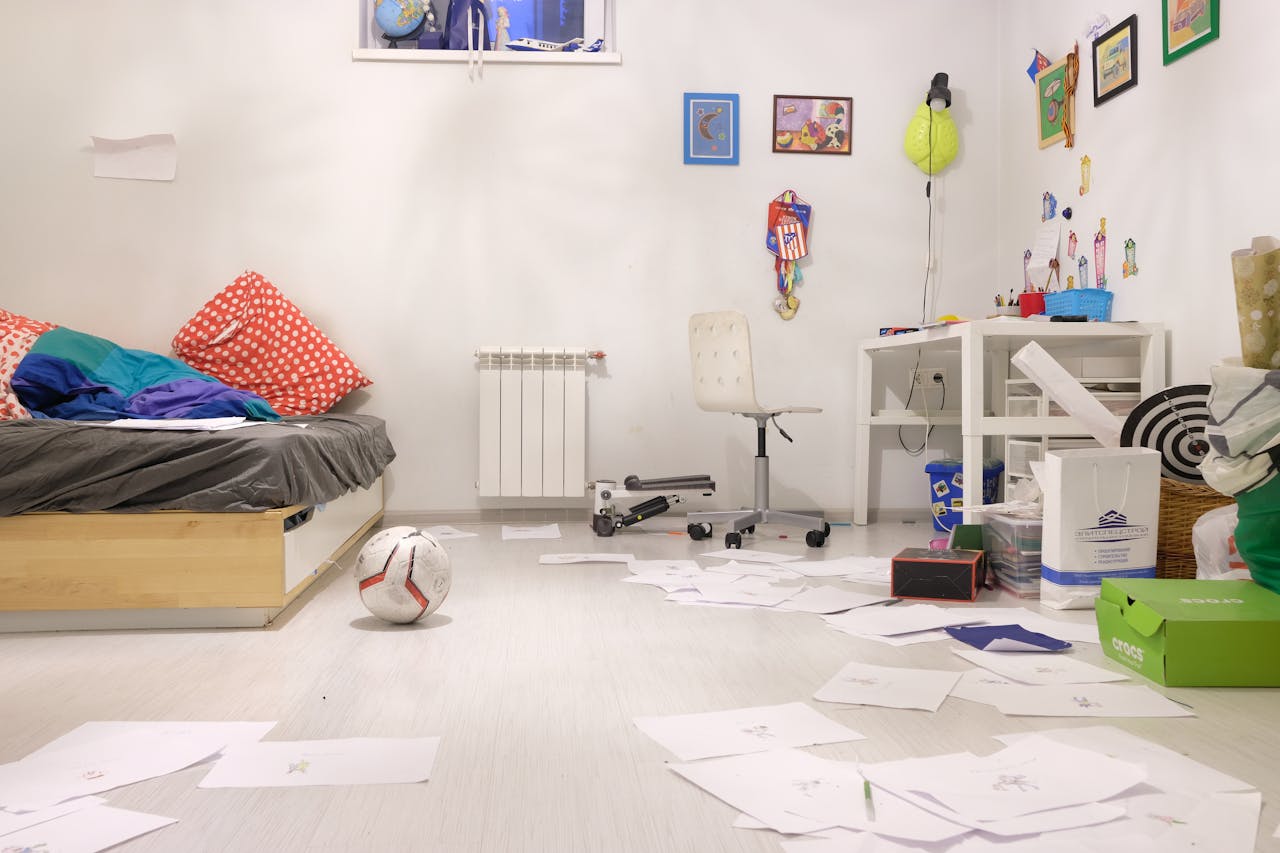
When you don’t assign specific places for your items, clutter can quickly build up.
Having a dedicated spot for everything makes it easier to put things away right after use. Without proper storage spaces, you might end up piling things in random areas, which only creates more mess.
Try using containers or bins that suit the items you own. Labeling these can also help you stay organized.
Using the wrong containers for items

You might be tempted to use any container available, but choosing the wrong ones can make decluttering harder. Containers that are too big can encourage you to dump things without sorting.
Clear containers work best because you can see what’s inside without opening them. Also, pick containers that fit the space where you plan to store them.
Avoid containers that are difficult to open or close. Easy access helps you stay organized and use your items regularly.
Tackling too many areas at once


Trying to declutter your whole home at once can feel overwhelming. When you spread your focus too thin, it’s easy to lose motivation and leave tasks unfinished.
Instead, pick one small area to work on, like a single drawer or shelf. This helps you see progress quickly and keeps your energy up.
Breaking the job into manageable chunks makes decluttering less stressful. You’ll feel more accomplished and ready to move on to the next spot when it’s done.
Holding onto items out of guilt


You might keep things because you feel guilty about getting rid of them. This can happen with gifts, sentimental objects, or items related to others.
Remember, holding onto clutter doesn’t honor memories—it can limit space for what truly matters.
Try to remind yourself that letting go of stuff doesn’t erase the value or memories attached to it. Instead, it gives you room to focus on what you really need or enjoy now.
Not creating a regular decluttering schedule


If you don’t set a specific time for decluttering, it’s easy to let it slide. Your space can quickly become overwhelming when decluttering happens only sporadically.
Try to pick a regular day or time that works for you. Consistency helps you keep clutter under control without feeling like a huge chore. Small, regular sessions are often more effective than occasional, intense cleanouts.
Failing to let go of duplicates


You might hold onto multiple items that serve the same purpose, thinking they might come in handy. This often clutters your space without adding real value.
Try keeping just one item that works well for you. If you hesitate, ask yourself when you last used the extra one. Letting go frees up space and makes your home easier to manage.
Ignoring ‘one in, one out’ rule


You might be bringing in new items without removing old ones. This habit slowly adds to your clutter.
The ‘one in, one out’ rule helps keep your possessions balanced. When you get something new, part with something you no longer need.
Following this rule prevents accumulation and makes decluttering easier over time. It encourages mindful buying and helps maintain a tidier space.
Not involving household members
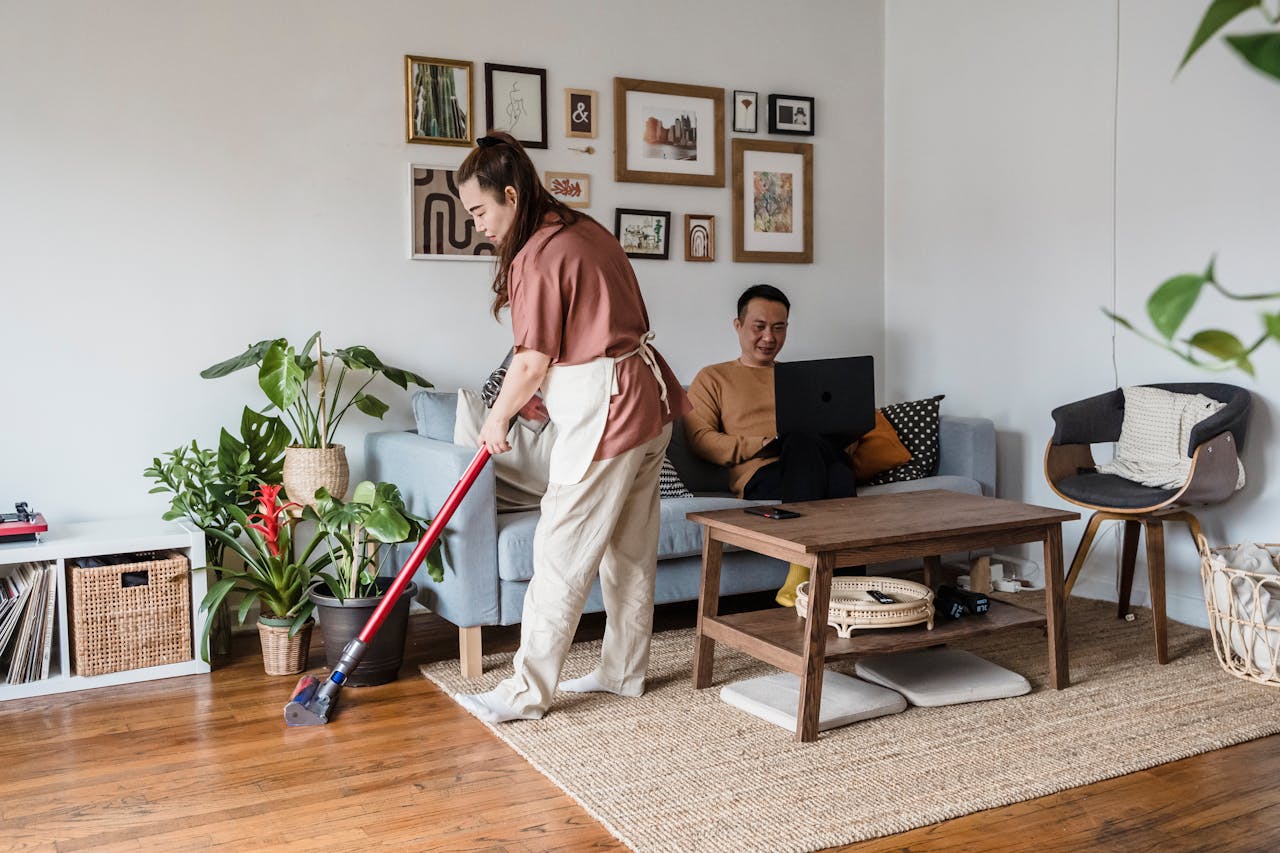
If you try to declutter alone, it can create tension or confusion. Your family might feel left out or resistant to change.
Involve everyone early by discussing goals and priorities. This way, you all agree on what stays and what goes.
Encourage your household to declutter their own items at their own pace. This helps avoid conflicts and makes it a shared effort.
Being afraid to donate usable items


You might hesitate to donate because you worry your items won’t be useful or wanted. Remember, many organizations welcome gently used goods and can give them a second life.
If you’re unsure where to donate, try contacting local shelters or community centers. This can help ease your fear and make the process feel more meaningful.
Donating not only frees up space but also helps others. It’s a positive step that benefits both you and the community.
Like what you read? Here’s more by us: