

In today’s fast-paced world, maintaining an organized living space can often feel like an insurmountable task. Our homes and offices quickly fill up with a multitude of gadgets, documents, and personal items that we may not necessarily need, but can’t bring ourselves to part with. This clutter not only disrupts the physical space, but it also affects mental peace, productivity and overall quality of life.
But fret not, because the art of decluttering can be mastered! Let’s delve into 15 decluttering rules that you’ll undoubtedly enjoy following.
1. Start Small


Decluttering can be an overwhelming task, especially when you’re staring at years’ worth of accumulated stuff. The key is to start small. Choose a drawer, a closet, or a section of a room to begin with. As you progress and start seeing the results, you’ll gain the momentum to tackle bigger areas.
For instance, you might begin with your desk drawers at work or home. Take everything out, clean the drawer, and then put back only the items you truly need. Discard or donate the rest. Not only will this make your workspace more efficient, but it’ll also provide a sense of accomplishment that can propel you forward.
2. Follow the One-In, One-Out Rule

One of the simplest ways to maintain a clutter-free environment is by following the one-in, one-out rule. This means that for every new item you bring into your home, you should get rid of an old one.
For example, if you buy a new pair of shoes, donate an old pair that you no longer wear. This prevents the accumulation of unnecessary items and ensures that your space stays organized. This rule can be applied to almost anything in your home, from kitchen utensils to clothing.
3. Use the 12-Month Rule

If you haven’t used an item in the past 12 months, it’s probably safe to say you don’t need it. The 12-month rule is a practical guideline to help you decide what to keep and what to toss.
For instance, if you have a stack of magazines from two years ago that you haven’t touched, it’s time to recycle them. Or, if there’s a dress in your closet that you haven’t worn for over a year, consider donating it. This rule helps in eliminating items that you’re holding onto just because you think you might use them someday.
4. Declutter Digitally

Physical clutter isn’t the only type of clutter. Digital clutter can be just as overwhelming and disrupting. Dedicate time to organize your digital space – emails, files, photos, and apps.
Start by deleting unnecessary files and emails. Organize your documents into appropriately named folders. Unsubscribe from newsletters or promotional emails you no longer wish to receive. This will not only free up storage space but also make it easier to locate important files and emails when needed.
5. Create Designated Spaces

Every item in your home should have a designated space. This helps prevent clutter from piling up and makes cleaning up easier.
For example, your keys could have a designated spot in a tray on the entryway table. Your shoes could go in a rack in the closet. When everything has a place, you won’t end up with piles of stuff on countertops, tables, or the floor.
6. Use Vertical Space

When it comes to decluttering, don’t forget about your vertical space. Walls, the insides of doors, and the sides of furniture can be used for storage without making your home look cluttered.
For instance, you can install shelves or hooks on walls to hang items. You can use the inside of closet doors to store shoes or accessories. This will help keep your floors and surfaces clear.
7. Declutter Regularly

Decluttering should not be a once-in-a-blue-moon activity. Instead, make it a habit to declutter regularly.
You could set aside 15 minutes every day or dedicate an hour every weekend to decluttering. The more frequently you do it, the less daunting it will become. Plus, regular decluttering will prevent the accumulation of unnecessary items.
8. Use Storage Containers

Storage containers can be a great tool for decluttering. They help keep items organized and can be easily labelled for easy access.
For example, you can use different containers for different types of toys in a kid’s room. Or, use containers in your pantry to store different types of food items. Just remember to avoid the temptation to use containers as an excuse to hoard unnecessary items.
9. Ask for Help

Sometimes, decluttering can be a massive task, especially if you have a large house or have let clutter accumulate over years. Don’t hesitate to ask for help.
You could involve your family members or housemates in the process, or even hire a professional organizer. Having an extra set of hands can make the task more manageable and even fun!
10. Donate, Don’t Just Discard

When decluttering, consider donating items that are still in good condition but no longer serve you. Not only does this help you declutter, but it also helps others who may be in need.
Many organizations accept donations of clothing, furniture, household items, and more. Always remember, one person’s clutter could be another person’s treasure.
11. Keep Flat Surfaces Clear

Flat surfaces like countertops, tables, and desks tend to accumulate clutter. Make it a rule to keep these surfaces clear.
For example, don’t let mail pile up on your kitchen counter. Process it immediately – file what needs to be saved, recycle junk mail, and act on bills or other items that require action.
12. Make Your Bed Every Day

Making your bed every day is a simple task that can set a productive tone for the day. It instantly makes your bedroom look neater and less cluttered.
Plus, it’s much more inviting to get into a made bed at the end of the day. This simple habit can make a big difference in your overall sense of well-being.
13. Do the 30-Day Minimalism Challenge

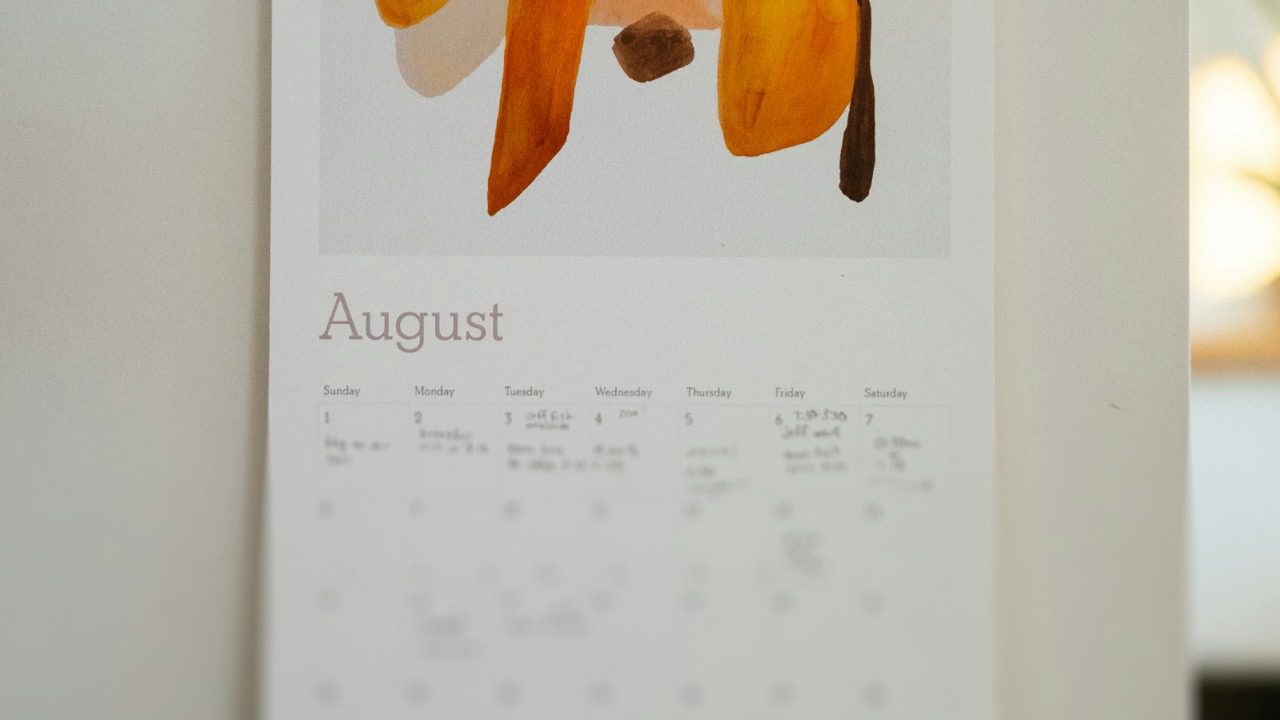
The 30-day minimalism challenge is a fun and effective way to declutter. The idea is to get rid of one item on the first day, two items on the second day, and so on, until you reach the 30th day.
By the end of the challenge, you’ll have gotten rid of hundreds of items. It’s a great way to kick-start your decluttering journey.
14. Don’t Buy Just Because It’s On Sale

It’s easy to get tempted by sales and discounts. But buying something just because it’s on sale can lead to unnecessary clutter.
Before making a purchase, ask yourself if you truly need the item or if you’re just attracted to the discounted price. A good rule of thumb is to only buy items on sale if they were already on your shopping list.
15. Embrace the Beauty of Empty Space
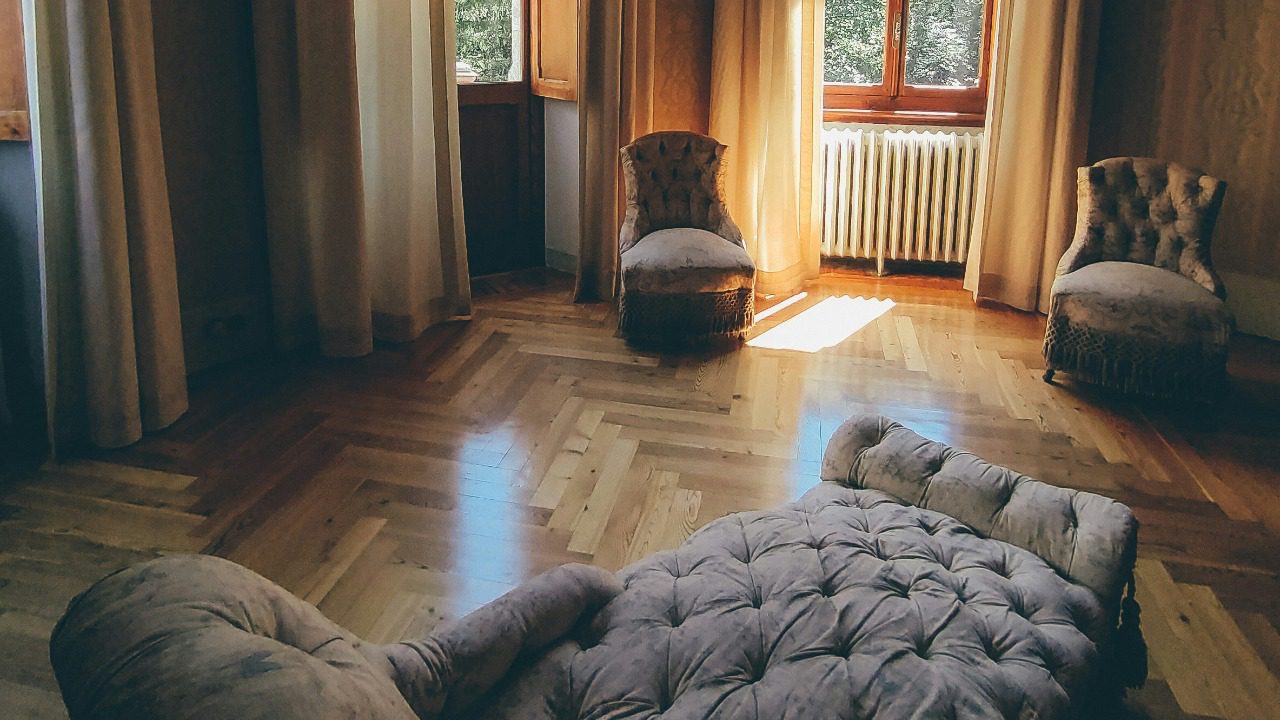
Last but not least, learn to appreciate empty space. Not every corner of your home needs to be filled with stuff.
An empty shelf or a clear coffee table can be aesthetically pleasing and calming. Embracing empty space can also give your things room to breathe, making your home feel less cluttered.
Remember, decluttering is not about living with the bare minimum. It’s about making room for the things that truly matter and contribute to your happiness and well-being. Start implementing these rules, and you’ll soon see the positive impact of a clutter-free space!