



Life transitions can bring a lot of change, and your living space often reflects that shift. Whether you’re moving, starting a new chapter, or just re-evaluating your surroundings, decluttering can help you feel more in control and ready for what’s next.
Decluttering during these times makes it easier to adapt and creates a clearer, more peaceful environment that supports your new path. Taking small steps can prevent overwhelm and make the process manageable as you adjust to your changing needs.
Start with a small, manageable area to avoid feeling overwhelmed


When you begin decluttering, pick one small spot to focus on. It could be a drawer, a shelf, or a corner of a room.
Working in a limited space helps you see progress quickly. This keeps motivation up and lowers stress.
Set a short time limit, like 15 or 30 minutes, so it feels doable. You don’t have to clear everything at once.
Set a specific timeframe, like 30 minutes, to keep focus

Set a clear time limit for your decluttering session, such as 30 minutes. This helps you stay focused without feeling overwhelmed.
Knowing there’s a stop point makes it easier to start and keep going. When time’s up, take a short break before deciding if you want to continue.
Short, timed bursts can boost your productivity and keep your energy steady throughout the process.
Sort items into keep, donate, recycle, and trash piles


Start by creating four simple piles: keep, donate, recycle, and trash. This helps you see your belongings clearly and decide what stays and what goes.
Handle one small area at a time, like a drawer or shelf, to avoid feeling overwhelmed.
Be honest about each item’s condition and usefulness. If it no longer serves you or is broken, consider donating, recycling, or trashing it.
Take action on each pile as soon as possible to keep momentum moving forward.
Celebrate progress with a small reward after each decluttering session


Give yourself a little reward whenever you finish a decluttering session. It can be something simple, like enjoying a favorite snack or taking a short break to relax.
Recognizing your progress helps keep motivation high. Even small achievements deserve celebration, and this positive reinforcement makes the process feel more manageable.
You might also set aside a bit of time to use rediscovered items from your declutter. This adds fun and reminds you of the benefits of your effort.
Use life transitions as motivation to let go of outdated belongings

Life changes, like moving or starting a new job, create a natural opportunity to reassess your belongings. You can use these moments to release items that no longer fit your current lifestyle.
Letting go of outdated things helps clear your space and your mind. Focus on keeping what supports your present goals and happiness.
Remember, you don’t have to hold onto things just because they have sentimental value. It’s okay to keep memories while choosing fewer physical items.
Host a memory-sharing gathering when parting with sentimental items
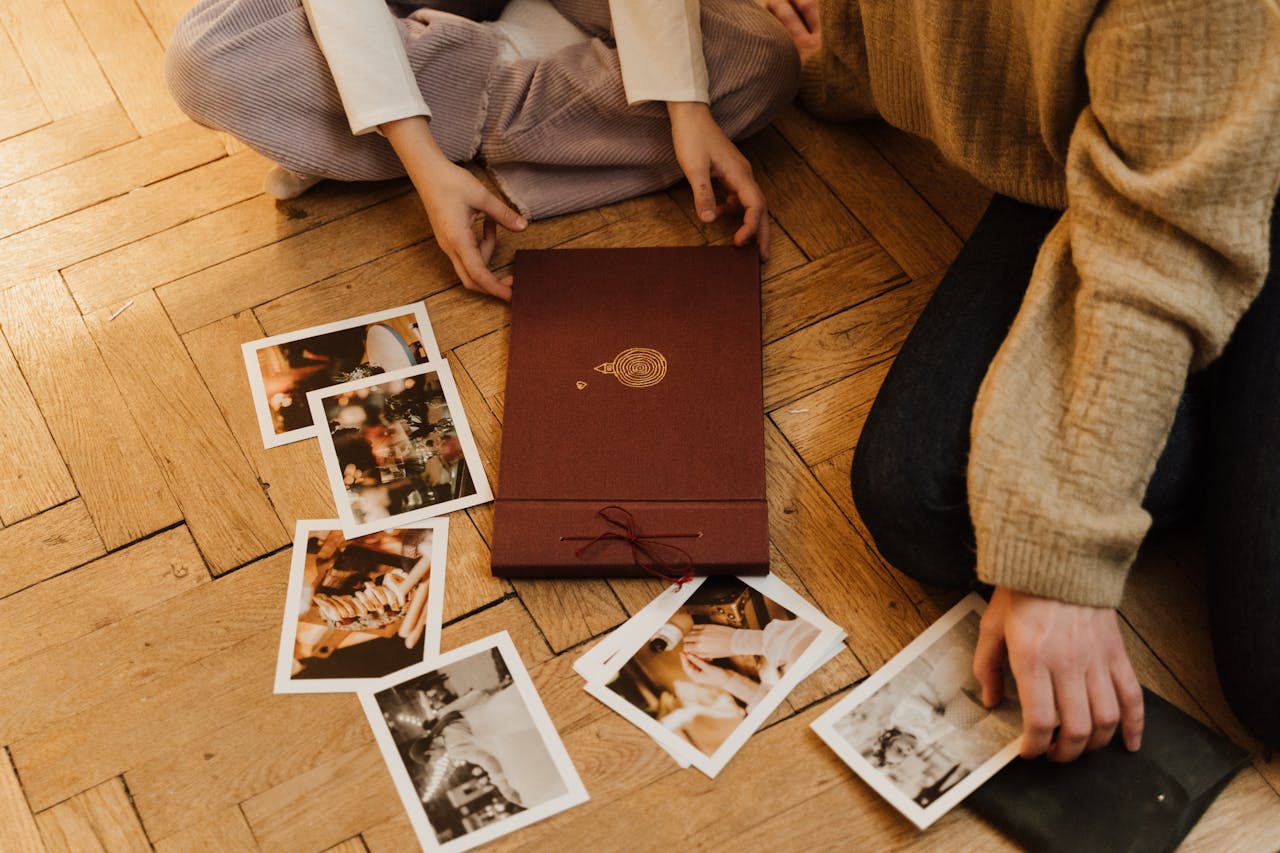
You can invite close friends or family to share stories about your sentimental items. This makes letting go feel more meaningful and less lonely.
Talking about memories tied to each item helps you appreciate them without needing to keep everything. It also allows others to connect and offer support.
After sharing, you might find it easier to decide which items to keep, give away, or donate. This creates a positive experience around decluttering.
Practice gratitude to appreciate what you already have

When you go through life transitions, taking time to practice gratitude can help you focus on what matters.
Try keeping a simple gratitude journal where you jot down a few things you appreciate each day. This can shift your attention away from what you’ve lost or need.
You can also combine gratitude with daily routines, like thinking of what you appreciate while taking a walk or shower. It’s a gentle way to build positivity as you declutter both your space and mind.
Focus on emotional benefits like mental clarity and reduced stress

When you declutter, you create space not just physically but mentally too. Clearing your environment can help reduce feelings of stress and overwhelm.
Having fewer distractions often leads to better mental clarity. This can make it easier to focus on what really matters during life changes.
You might find yourself feeling calmer and more in control. These emotional benefits support a smoother transition as you move forward.
Avoid perfection; aim for improvement rather than complete overhaul

When decluttering, don’t wait for the perfect moment or try to fix everything at once. Small, steady steps create lasting change.
Focus on progress, not perfection. Every little bit you clear makes a difference in your space and mindset.
Allow yourself to make mistakes. Imperfections are part of the process and help you learn what truly matters to keep.
By aiming for improvement, you reduce stress and stay motivated throughout your life transition.
Label storage containers for easy organization and retrieval


Labeling your storage containers helps you find items quickly. Use clear bins whenever possible so you can see what’s inside.
You can write labels by hand or use a label maker for neatness. Tape or adhesive pockets keep labels secure and easy to read.
Group similar items together and label each container clearly. This makes your space look tidy and saves you time when searching.
Declutter items related to your changing roles, like parenting or career shifts

When you experience a life transition, your needs and priorities change. Look at items connected to past roles, such as old work documents or parenting gear your kids have outgrown.
Let go of things that no longer support your current situation. This will help create space for what matters now.
Keeping only what fits your new role makes daily life smoother and less overwhelming. It’s a simple way to adjust to changes without extra clutter.
Let go of items linked to past regrets or unfulfilled plans

You might hold onto things because they remind you of missed chances or dreams that didn’t happen. These items can weigh you down more than you realize. Letting them go doesn’t erase the past, but it frees you from feeling stuck.
Focus on what these items truly mean to you. If they bring more regret than joy, it’s okay to release them. This creates space for new possibilities and helps you move forward with a lighter heart.
Use the “one in, one out” rule to prevent accumulation

When you bring something new into your space, try removing one item. This simple habit helps keep your belongings balanced and prevents clutter from building up.
It’s an easy way to stay mindful about what you keep. Over time, the “one in, one out” rule creates more room and less stress.
You’ll find it easier to maintain your space, especially during big life changes when things tend to pile up quickly.
Create a dedicated space for transition items temporarily

Set aside a specific area in your home just for items related to your life transition. This helps keep things organized and prevents clutter from spreading.
Use bins or boxes to separate these items clearly. Label them so you know what’s inside without opening every container.
Having this temporary space makes it easier to decide what to keep, donate, or discard as you adjust to your new situation. It also reduces stress by containing the change in one spot.
Visualize your ideal living space to guide decisions

Start by imagining how you want your living space to feel. Picture the colors, the layout, and the energy you want around you.
This mental image helps you decide what to keep and what to let go of. When you’re clear about your vision, sorting through items becomes easier and more focused.
Keep that vision in mind as a guide. It keeps your decluttering purposeful and prevents you from holding onto things that don’t fit your ideal space.