


Decorating your space often comes with a set of traditional rules meant to guide you. However, sticking strictly to these rules can sometimes limit your creativity and the personality of your home.
Breaking certain decorating rules can help you create a space that feels more unique, inviting, and truly yours. By challenging conventional ideas, you open yourself up to fresh possibilities and a style that better suits your lifestyle and tastes.
Pushing furniture against the walls

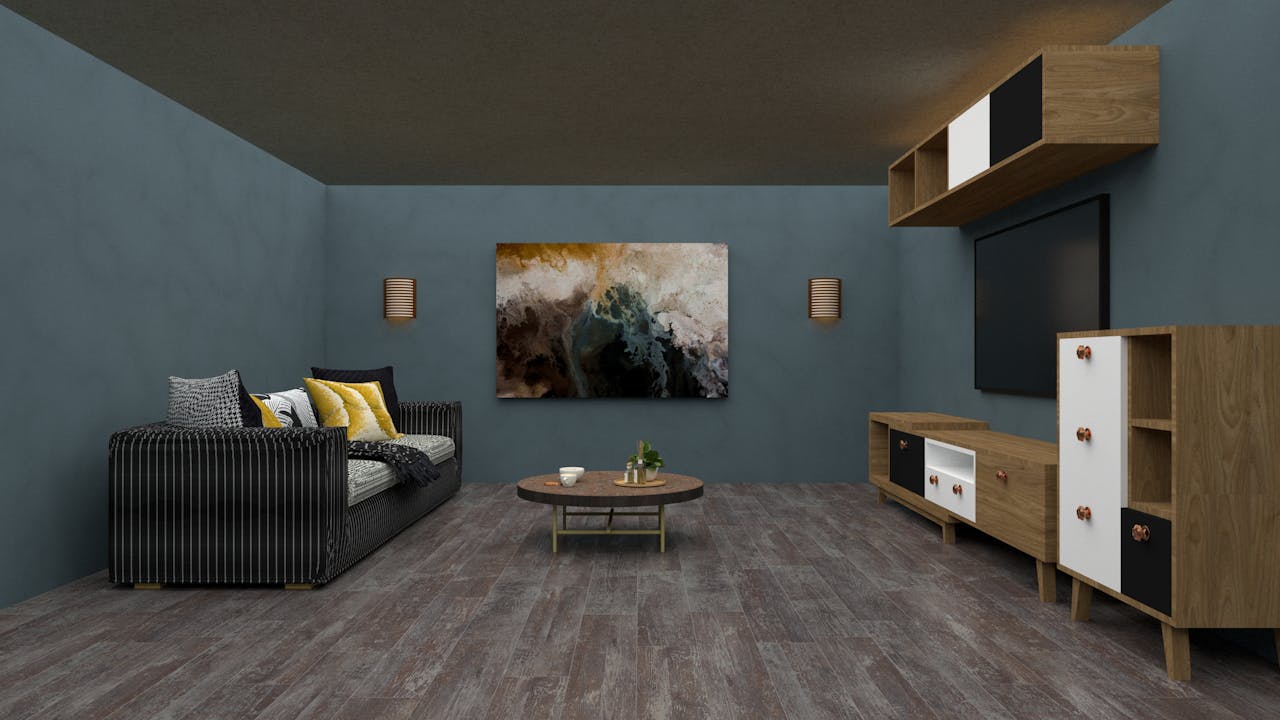
You might think placing all your furniture against the walls opens up space, but it can actually make your room feel less inviting. Leaving some pieces slightly away from the wall creates a cozy atmosphere and encourages conversation.
Floating furniture also helps define areas, so your room feels both spacious and functional. Try mixing placement to see what feels best for your space.
Matching all furniture pieces exactly


You don’t need to match every furniture piece perfectly. Mixing different styles and finishes can make your space feel more personal and interesting.
When you combine varying wood tones or materials, each item stands out on its own. This approach adds depth and character without feeling chaotic.
Try layering textures, colors, and shapes instead of sticking to a strict set. It’s about creating a balanced look that reflects your style, not following a rigid rule.
Sticking to one color temperature


You don’t always have to limit yourself to one color temperature in a room. Mixing warm and cool tones can create a balanced, inviting space that feels more dynamic.
Playing with both can add depth and personality, making your décor less predictable. If you like contrast, try combining warm woods with cool metals to keep things interesting.
Avoiding mixing textures

You don’t have to shy away from mixing textures to create a warm, interesting space. Combining soft fabrics, rough woods, or smooth metals can add depth and personality to your room.
If you prefer a cleaner look, you can stick to similar textures without feeling limited. Just focus on varying tones or colors to keep things from feeling flat.
Remember, textures don’t have to be bold to make an impact. Even subtle shifts can give your room life without overwhelming it.
Using only neutral colors

Using only neutral colors can feel safe, but it can also limit your space’s personality. You don’t have to stick to plain beige or gray.
Try mixing different shades and textures to add depth. Think linen cushions, woven rugs, or matte and glossy finishes together.
You can break the rule of adding a pop of color by keeping everything neutral and still making it interesting with layers and contrast. Your space can feel calm without being boring.
Hanging art at eye level exclusively


You’ve probably heard that art should always hang at eye level. While this is a helpful guideline, it’s not a strict rule you must follow every time. Eye level usually means placing the center between 57 and 66 inches from the floor.
But your space might call for something different. If your ceilings are low or you have tall furniture, adjusting the height can create better balance and feel more natural.
Feel free to break this “rule” to suit your room and personal style. Your art should work for you, not the other way around.
Keeping metallic finishes minimal
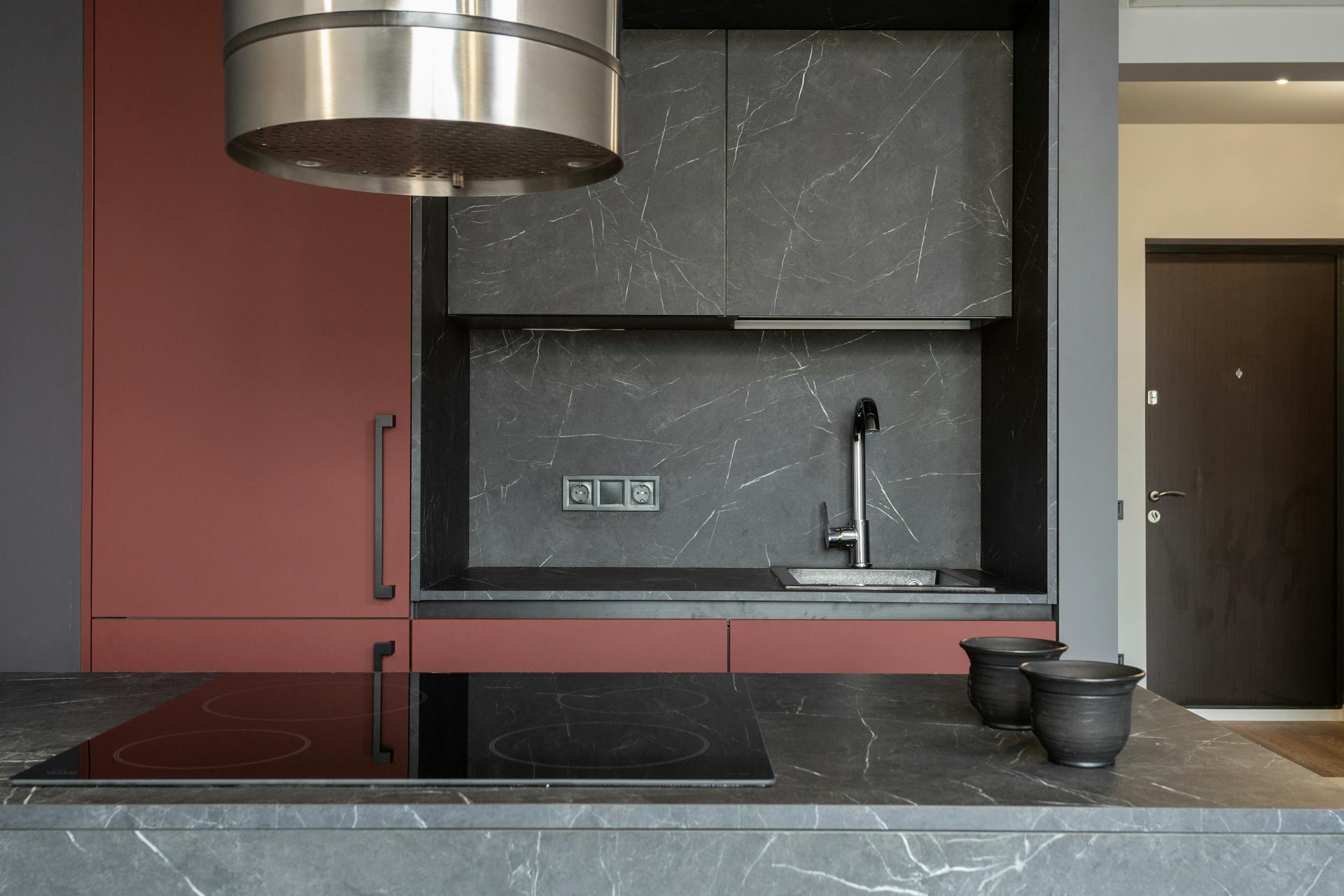
You don’t have to stick strictly to the idea of using just one metal finish. Mixing metals can actually add personality to your space if done thoughtfully.
Try limiting yourself to two complementary metal finishes. This keeps things balanced without feeling chaotic.
If you want to bring in a third metal, make sure it has a muted or subtle finish. This way, it won’t overpower the other elements in your room.
Not mixing patterns


You don’t have to avoid mixing patterns in your space. Using different scales—like large florals with small polka dots—can create a lively and balanced look.
Try combining textures and colors within your patterns to add depth. Variety makes your room feel more personal and less predictable.
Breaking the “no mixing patterns” rule lets you experiment and develop a style that’s uniquely yours. Just keep some cohesion to avoid visual overload.
Avoiding bold colors in small rooms


You might have heard that bold colors can make small rooms feel cramped. But using dark or bright hues thoughtfully can actually add personality to your space.
Try placing a bold color on a single wall or as an accent. This keeps your room lively without overwhelming it.
Don’t be afraid to experiment with bolder choices in smaller areas like a guest bathroom. It’s a great way to show your style without impacting the whole home.
Not placing rugs on carpets

You might have heard it’s a no-no to put rugs on top of carpets. But layering rugs can actually add texture and warmth to your space.
Choose rugs with simple patterns or neutral colors to prevent clashing. Using a proper rug pad helps keep the rug in place and protects both layers.
Don’t be afraid to break this rule if it works for your room’s style and comfort. It’s all about what feels right for you.
Ignoring personal style for trends
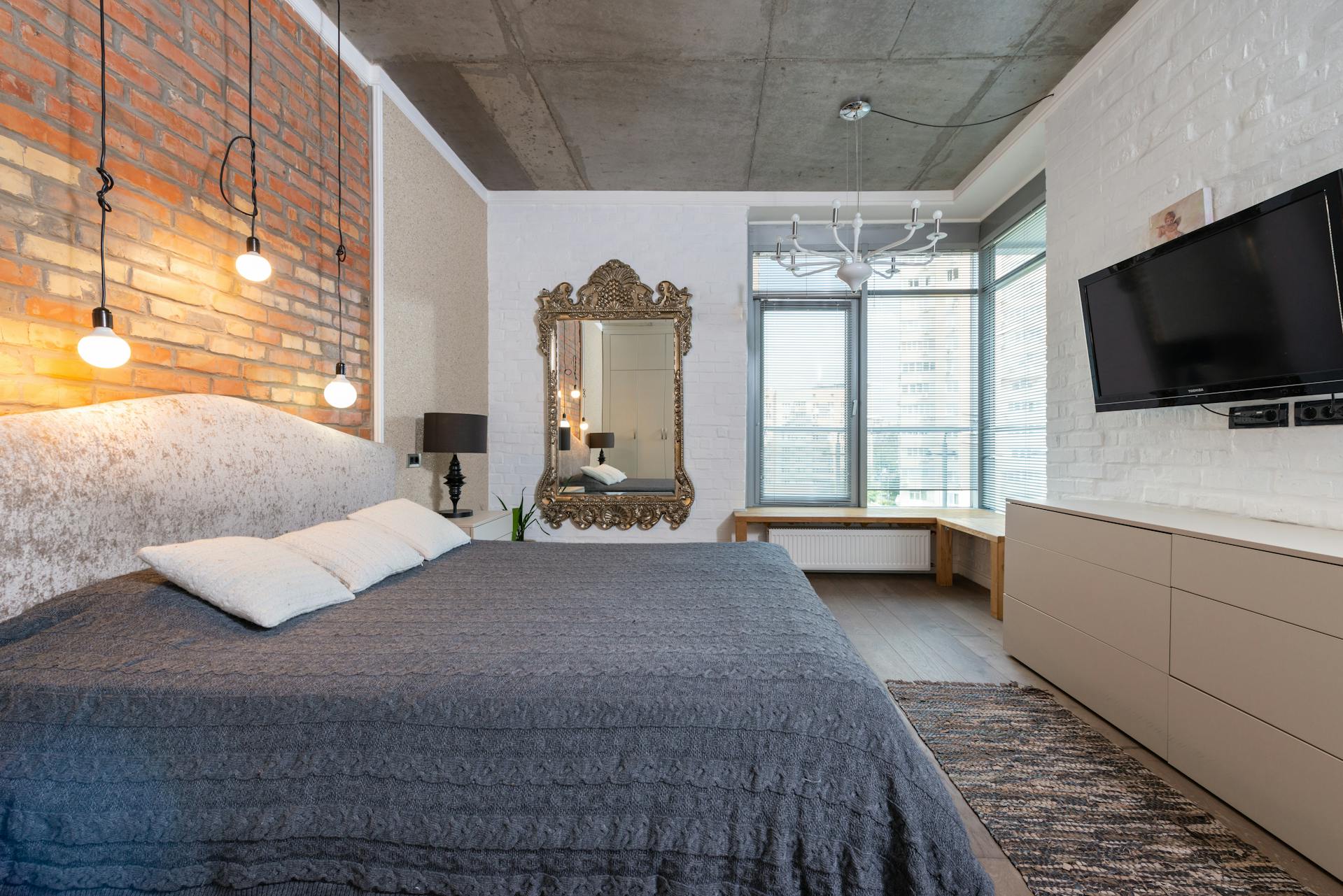
When decorating, it’s easy to get caught up in the latest trends. But if you follow trends without considering your own style, your space may feel less like home.
Focus on what you enjoy and what makes you comfortable. Mixing trending pieces with personal touches creates a space that’s both current and uniquely yours.
Remember, trends come and go, but your style should stand the test of time. Designing for yourself ensures your space reflects who you are.
Aligning all furniture uniformly
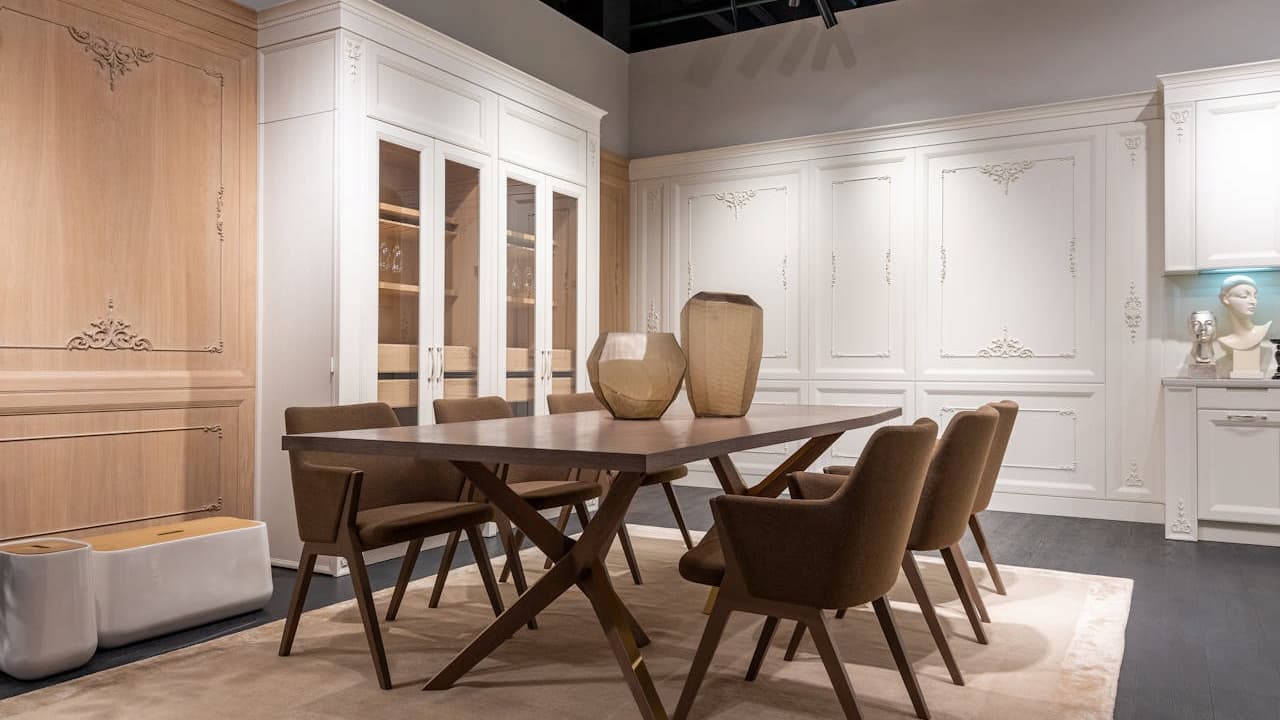
You don’t always have to line up every piece of furniture perfectly. Allowing some variation can create a more relaxed and inviting space.
Try offsetting chairs or mixing angles to add interest.
Breaking away from strict alignment can make your room feel less rigid and more personalized. It’s okay if things aren’t perfectly symmetrical.
Avoiding floating furniture

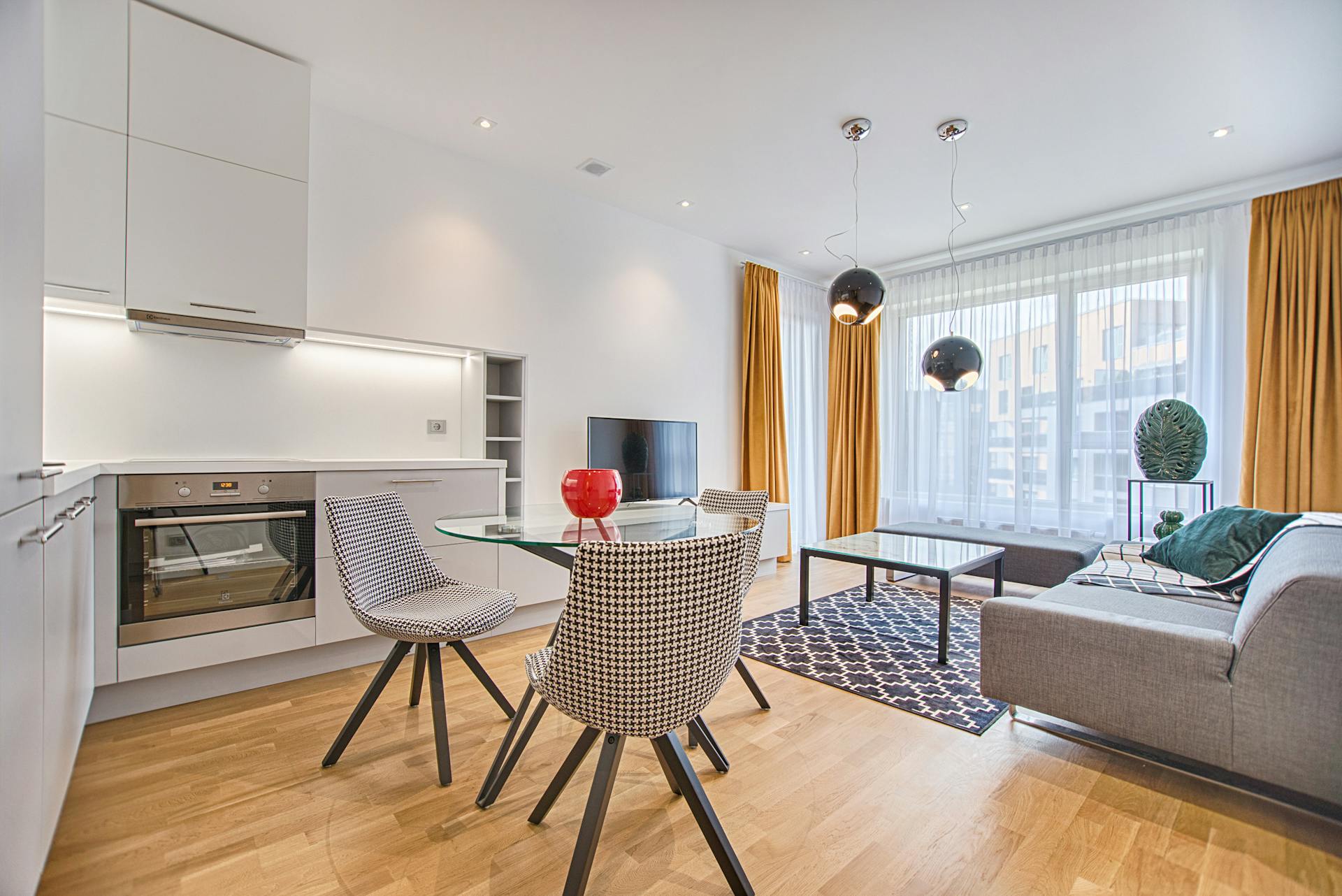
You don’t always have to float your furniture away from the walls. While it can create intimacy, pushing pieces against the walls often opens up floor space and makes your room feel larger.
If your room is small or awkwardly shaped, placing furniture against the walls can help define clear pathways. This approach can give your space a cleaner, less cluttered look.
Limiting decor to one style

You don’t have to stick to just one style in your space. Mixing vintage pieces with modern items can create a more interesting vibe.
Blending different styles adds personality and depth. It makes your home feel unique and truly yours.
Feel free to experiment with contrasts, like pairing a classic chair with a bold, contemporary rug. This breaks up monotony and keeps your decor fresh.
Not breaking symmetry in arrangements

You don’t always have to break symmetry to create interest. Balanced, symmetrical arrangements can bring a sense of calm and order to your space.
Symmetry works well when you want a clean, organized look that feels comfortable and familiar.
If you prefer a peaceful vibe, sticking with symmetry might be the best choice for your design.