


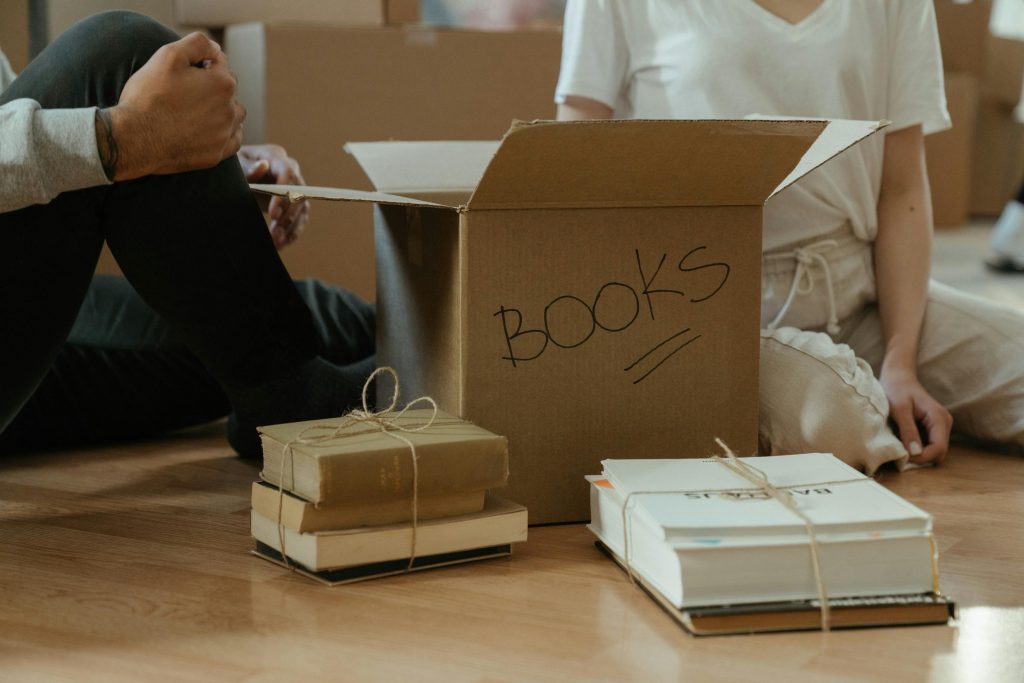
Moving can be exciting but also overwhelming, especially when you’re faced with packing up your entire home. Clutter can make the process more stressful and costly, so tackling it early can save you time and effort.
Decluttering before your move helps you create space for the things you truly need and makes packing much easier. It also reduces the amount you have to carry, which can lower moving expenses and simplify unpacking at your new place.
Start Decluttering 1-3 Months Early


Give yourself plenty of time by starting to declutter at least one to three months before your move. This helps reduce last-minute stress and makes the process more manageable.
Focus on small areas each week, like a closet or a drawer. This way, you avoid feeling overwhelmed.
Starting early also gives you time to decide what to keep, donate, or toss without rushing. You’ll thank yourself later!
Use the One-In-One-Out Rule


When you bring a new item into your home, try removing one to keep things balanced. This simple habit helps you avoid accumulating unnecessary clutter during your move.
It works well once you’ve already sorted most of your belongings. You’ll maintain a manageable amount of stuff, making packing easier and less stressful.
Sticking to this rule encourages you to think about what really matters and keeps your space clearer as you prepare to move.
Sort Items by Room for Easier Packing

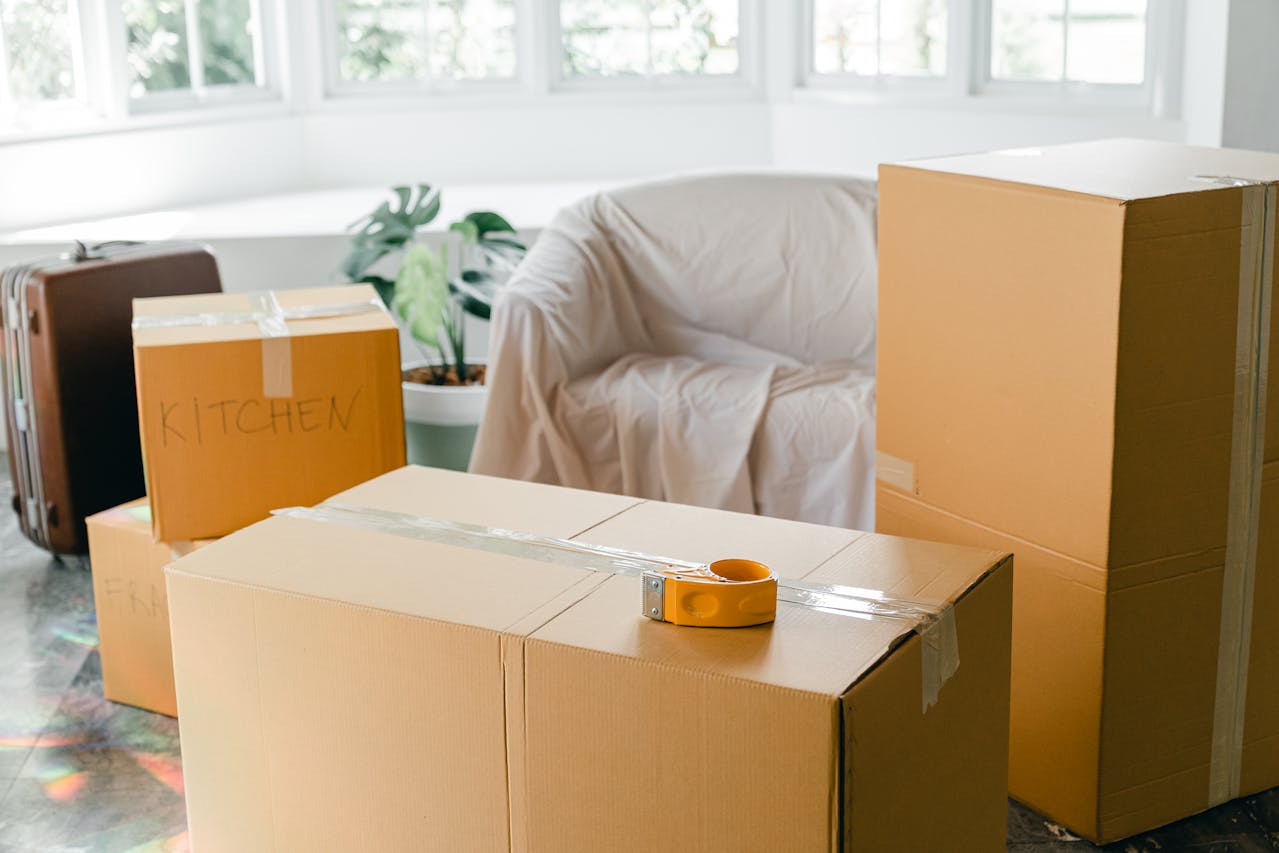
Start by grouping your belongings according to the room they belong in. This makes unpacking simpler and keeps everything organized.
Focus on packing non-essential items from each room first. Leave everyday essentials, like kitchen tools or bathroom toiletries, until closer to moving day.
Label your boxes with the specific room and contents. This way, you’ll know exactly where each box goes in your new home.
Create Donation Boxes for Unwanted Goods

Set up one or more donation boxes to collect items you no longer need. Choose a spot near your main exit or storage area for easy access.
Use old boxes or bins and label them clearly. This helps keep donations organized and ready to go.
Consider securing your donation boxes with simple locks or tamper-evident tape to protect your items. Keep a box in your car to make dropping off donations simple and quick.
Toss Expired Food and Toiletries

Before you move, check your pantry and bathroom for expired items. Toss anything past its expiration date to avoid carrying spoiled food or unsafe toiletries.
Expired products can cause unpleasant smells or even skin irritation. Look for expiration symbols on bottles and jars to help identify them.
Getting rid of these items lightens your load and keeps your new home fresh from day one.
Label Boxes by New Home Floor Plan
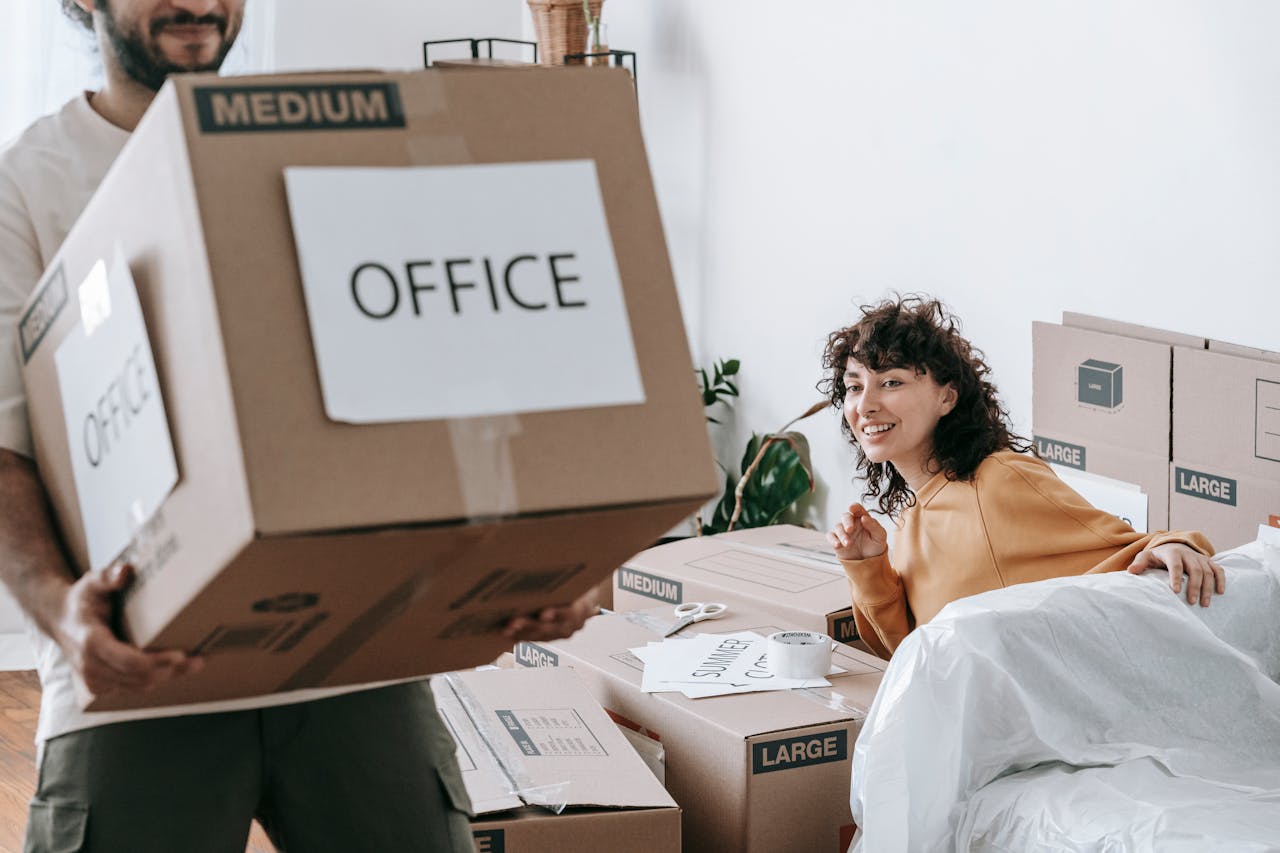
Label your boxes based on the rooms where the items will go in your new home. This helps you unpack more quickly and keeps things organized.
If you know the layout of your new space, mark each box with the specific room name. You can also add details like priority, so you know what to unpack first.
This small step saves time and effort once you arrive, making the whole moving process feel easier.
Set Up Collection Points for Daily Sorting

Create specific spots in your home where you can drop items to sort each day. Use clear bins or boxes to separate donations, trash, and things to keep.
This makes daily decluttering easier and keeps clutter from piling up. Label each container clearly so you know what goes where without confusion.
Doing a little sorting every day adds up quickly and helps you stay organized as moving day approaches.
Discard or Donate Bulky Furniture

Bulky furniture can make moving harder and more expensive. If you have pieces that won’t fit or you no longer love, consider donating or selling them.
This not only lightens your load but also helps others who may need these items. Remember, fewer large pieces mean less stress and easier packing.
Use Clear Bins for Donation Sorting

Using clear bins helps you see exactly what you’ve set aside for donation. This makes it easier to keep track of items and avoid mixing them with things you plan to keep.
Label each bin clearly, so you know where everything goes without having to open them. This keeps your space organized and speeds up the sorting process.
You can place these bins in a convenient spot to add items quickly as you find things to donate. It’s a simple way to manage clutter before your move.
Keep Only Items You Truly Need

Before you pack, take a close look at your belongings and ask yourself if you really use or need each item.
If something hasn’t been touched in months or is just taking up space, it’s okay to let it go. This will save you time and effort when unpacking.
Focus on keeping essentials and things that add value to your daily life. It makes moving simpler and your new space more comfortable.
Separate Items into Keep, Donate, Trash Piles

Start by creating three labeled boxes or areas: Keep, Donate, and Trash. This will help you sort your belongings quickly and clearly.
Put items in the Keep pile that you use regularly or truly need. For things in good condition that you no longer want, place them in the Donate pile. Finally, anything broken, expired, or unusable goes straight to Trash.
This simple system makes decisions easier and speeds up your decluttering process.
Make a Moving Checklist to Track Progress


Create a simple checklist to organize your tasks and monitor what’s done. This helps you stay focused and ensures nothing important gets missed.
Break down your move into clear steps, such as sorting items, packing, and scheduling utilities. Update your list regularly to track your progress and adjust as needed.
Use a notebook or an app – whichever you find easiest. Checking off tasks gives you a small boost and keeps your move stress-free.
Pack According to Priority and Use

Start by packing items you use less often. Seasonal clothes, extra linens, and decor can go first. This keeps daily essentials easy to find until moving day.
Next, group things by how often you’ll need them. Pack everyday kitchen tools separately from specialty gadgets you rarely use.
Label boxes clearly with their contents and priority. This helps you unpack efficiently and avoid searching through everything right away.
Streamline Your Space Before Packing

Start by sorting through your belongings and ask yourself what you truly need or use. Letting go of extras makes packing easier and saves space.
Focus on items that won’t fit or serve a purpose in your new home. This helps you avoid moving clutter.
Organize what’s left by categories or rooms. This way, you’ll pack more efficiently and know exactly what goes where.
Remove Old Receipts and Papers

Start by gathering all your receipts, bills, and random papers in one place.
Go through them quickly and toss anything outdated, like expired warranties or old utility bills.
Keep only what you might need for taxes or returns, and consider scanning important documents to save space.
This small step clears clutter and makes packing easier, letting you focus on the items that matter.