

If you’re planning a garage sale, setting the right prices can make a big difference in how much you earn. Pricing items too high might scare away buyers, while pricing too low could mean leaving money on the table.
This article will help you discover simple but effective pricing tricks to get the best value for your items while keeping your sale attractive to shoppers. With clear strategies, you can feel confident about your pricing and boost your chances of a successful sale.
Price items slightly above round numbers (e.g., $3 instead of $2.95)


Pricing just above round numbers can make your items feel more valuable. When you list a price like $3 instead of $2.95, it shows confidence in the product’s worth.
Buyers often perceive these prices as fair rather than discounted. This small difference can help you avoid giving the impression that the item is cheap or low quality.
It’s a simple way to maintain a good balance between attracting interest and maximizing your returns.
Research similar items online before pricing


Before setting your prices, check online marketplaces and local listings for items like yours. This helps you understand the going rate and avoid overpricing or underselling.
Look at the condition, brand, and age of similar items so your pricing matches what buyers expect. This step gives you a realistic starting point for your garage sale pricing.
Bundle smaller items with a discount (e.g., 3 for $4)

Grouping smaller items together makes it easier for buyers to get a deal. You could offer something like three toys or books for $4.
This approach encourages people to buy more than one item at a time. It also helps clear out your smaller, less valuable things faster.
Be ready to adjust the bundle price if someone wants even more items. It’s a friendly way to keep the sale moving and customers happy.
Use clear, visible price tags on every item


Make sure every item has a price tag that is easy to see. Use large, readable numbers so buyers don’t have to guess or ask.
Place tags where they are obvious, like on the front or top of items. This saves time and helps customers feel confident about prices.
If several items share the same price, hang a big sign nearby to avoid repeating tags. Clear pricing encourages more sales and smoother transactions.
Start pricing high and be open to negotiation
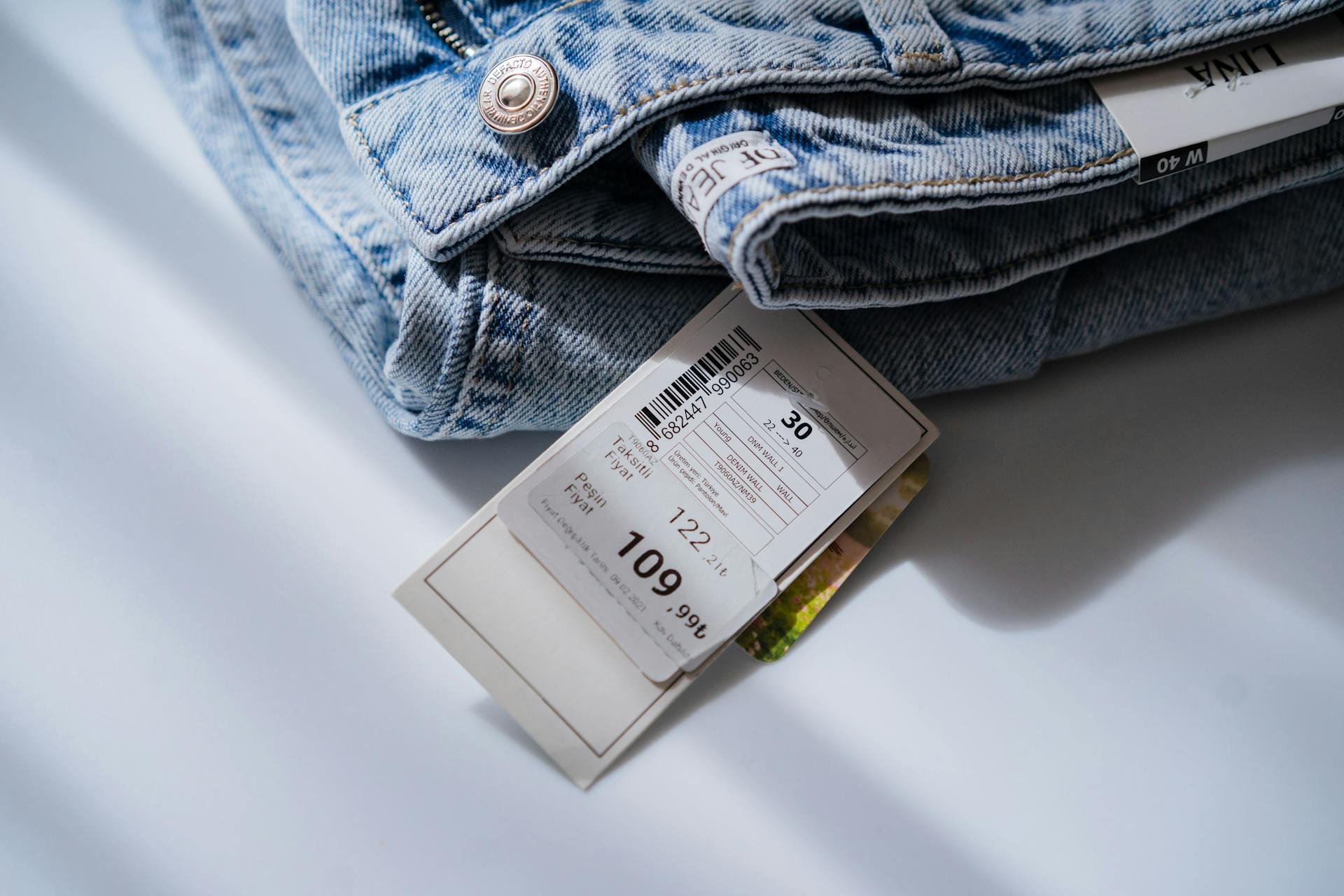
Start by pricing your items a bit higher than what you hope to get. This gives you room to lower the price during negotiations without feeling like you’re losing money.
Buyers enjoy the feeling of getting a deal, so expect some haggling. Being flexible helps you engage with shoppers and can actually increase your overall profit.
For big or valuable items, consider setting the price about 15-25% above your target. This strategy keeps buyers interested and ready to make an offer.
Consider item condition honestly when setting price


You should always look closely at the condition of each item before deciding on a price. Items in excellent or like-new shape can be priced higher, sometimes around half their original value.
If something shows wear or damage, lower the price accordingly. For example, well-used clothing might only fetch a quarter of what you paid originally.
Being honest about condition helps set fair prices that buyers will appreciate. This can make your sale smoother and more successful.
Offer discounts on multiple purchases to increase sales

You can encourage buyers to purchase more by offering discounts when they buy several items. For example, “Buy two, get one half off” can make customers feel they are getting a better deal.
Bundling similar items together with a small discount also makes it easier for buyers to grab more at once. This approach can help you clear more inventory quickly.
Remember, the key is to keep discounts simple and clear. This way, shoppers will understand the offer and be more likely to take advantage of it.
Avoid pricing items too low to not undercut value


When you price items too low, you risk losing the true value of what you’re selling. It might attract quick buyers, but you won’t make as much as you could.
Shoppers often expect a fair price, so setting it too low may make them think the item is low quality. Aim for a balanced price to keep both interest and value intact.
Put popular or seasonal items in prime spots

You want to place items that are in demand where people will see them first. This grabs attention and encourages quick sales.
Seasonal items, like summer gear in warm months, tend to sell better when given a good spot. Highlighting popular products near the entrance or along main paths makes your sale more inviting.
This simple tactic helps keep traffic flowing and can boost your overall profit without extra effort.
Use a calculator to speed up transactions


Using a calculator helps you quickly total prices, especially when customers buy multiple items. This keeps lines moving and prevents errors.
You can also use simple formulas to apply discounts on the spot. It makes negotiations smoother and shoppers happier.
Having a calculator handy shows you’re organized and professional. It saves time for you and your buyers.
Group related items together for easy browsing


When you group similar items, you make it easier for buyers to find what they want. This encourages them to spend more time at your sale.
Try organizing items by category, like toys, kitchenware, or clothing. You can also create bundles, such as a set of books or a toy lot, which can attract buyers looking for deals.
Clear organization helps your garage sale look neat and inviting, making customers more likely to browse and buy.
Offer freebies to draw customer attention

You can attract more visitors by giving away small freebies with purchases. Offering a free item, like a toy or accessory, encourages people to browse longer.
Freebies create goodwill and make your sale more memorable. When customers feel they get extra value, they’re more likely to buy from you again.
Consider grouping slow-moving items as free add-ons to clear your stock faster. This tactic helps increase overall sales without lowering prices.
Adjust prices as the sale progresses to clear inventory
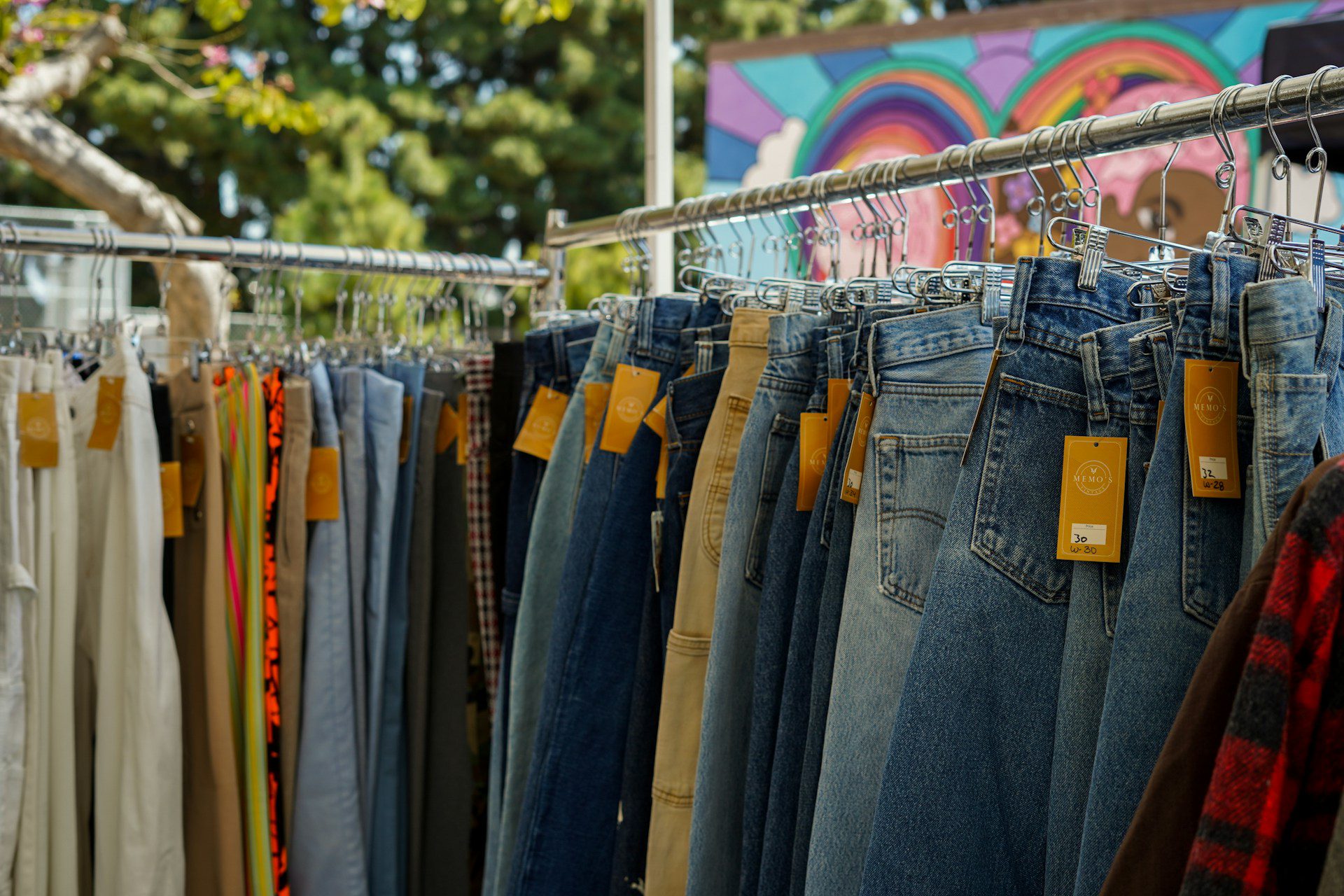
Keep an eye on which items aren’t selling as your garage sale goes on.
Lower prices gradually to encourage buyers to pick up those lingering items.
You can start by dropping prices by 10-20% after a few hours.
By the end, consider bundling items or offering steep discounts to clear space.
This approach keeps buyers interested and helps you avoid taking items back home.
Highlight unique or vintage items with special tags

You want your unique or vintage items to stand out at your garage sale. Use special tags to catch buyers’ attention and show these items have extra value.
Make your tags clear and simple, describing what makes the item special, like “Vintage 1970s Lamp” or “Handcrafted Wooden Toy.”
This helps shoppers quickly spot interesting finds and may encourage them to spend a little more on those pieces.
Be prepared to negotiate but know your bottom line

You’ll likely face some haggling at your garage sale. It’s a normal part of the process and can help you move more items.
Set a clear bottom price for each item before the sale. This helps you avoid accepting deals that don’t make sense.
Start with a slightly higher price, so buyers feel like they’re getting a deal when they negotiate down. Stay firm on your minimum to protect your profit.