



Your home’s scent can say a lot about you, but not all smells create a welcoming atmosphere. Sometimes, certain odors can make guests uncomfortable or even want to leave sooner than expected.
Understanding which home smells drive people away can help you create a more inviting and pleasant environment for visitors. Paying attention to how your house smells is a simple way to improve your guests’ experience without much effort.
Burnt food smell from the oven


If your oven smells like burnt food, it can be hard for guests to feel comfortable. The smell comes from leftover food or spills that char when heated.
To fix this, clean the oven thoroughly. You can make a paste with baking soda and water, apply it to burnt spots, and leave it overnight.
Afterwards, wipe everything down well. Ventilating your kitchen by opening windows or using fans also helps clear the air quickly.
Lingering cigarette smoke

If your home smells like cigarette smoke, it can be uncomfortable for your guests. Smoke odors cling to walls, furniture, and fabrics, making them tough to remove.
You can start by cleaning your walls with a gentle solution like water and vinegar. Opening windows and using fans helps freshen the air quickly.
Regularly washing fabrics and using air purifiers also reduce stubborn smoke smells. Keeping your home smoke-free is the best way to prevent the odor from returning.
Sour sink water odor


If you notice a sour smell coming from your sink water, it could be caused by bacteria buildup in your drain. This often happens when food particles or grease get stuck and start to decompose.
You can try cleaning the drain by running hot water or using a mixture of baking soda and vinegar. Also, check your garbage disposal if you have one—it might need a good cleaning to remove trapped debris.
Pet urine smell on carpets


If your carpet smells like pet urine, guests might notice it right away. The odor comes from bacteria and ammonia in the urine, which can soak deep into carpet fibers.
You can try sprinkling baking soda on the spot and letting it sit for 15 minutes before vacuuming. Using enzyme-based cleaners helps break down the odor-causing substances effectively.
Cleaning up accidents quickly reduces lingering smells. Regular maintenance and the right products will keep your carpets fresher and more inviting.
Rotten food in the fridge


If you leave spoiled food in your fridge, it can quickly create unpleasant odors that guests notice right away. Check your fridge regularly for expired or forgotten items, especially fruits, vegetables, and dairy products.
Using airtight containers can help keep your food fresh longer and prevent smells from spreading. When you do find bad odors, take everything out and clean the shelves with hot, soapy water. Baking soda left inside can also absorb lingering smells effectively.
Moldy bathroom mildew

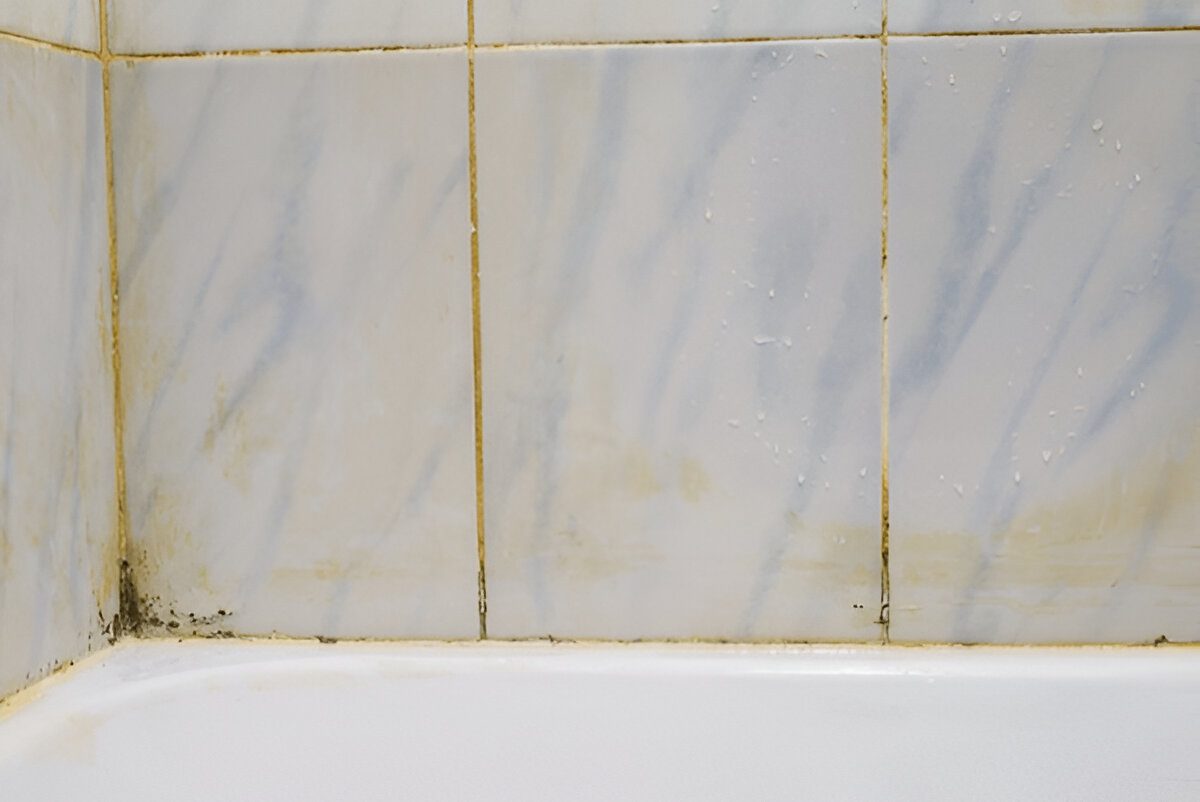
If your bathroom smells musty, mildew is often the cause. This smell happens when moisture lingers on surfaces like tiles, shower curtains, or towels.
To keep your bathroom smelling fresh, make sure it’s well-ventilated. Running a fan or opening a window helps dry out damp areas quickly.
Check regularly for mold growth in corners or grout lines. Cleaning with mold-killing products can stop odors before they get worse.
Stuffy, unventilated air

When your home feels stuffy, it’s often because fresh air isn’t moving through. Poor ventilation traps stale air, making rooms feel uncomfortable and heavy.
You can improve airflow by opening windows or using fans, especially in rooms without natural ventilation. This helps push out stale air and brings in freshness.
If your house stays sealed for too long, moisture and odors build up. Regularly circulating air keeps your space inviting and easier to breathe in.
Wet laundry left too long


If you leave wet laundry in the washer for too long, it can develop a musty, sour smell. This happens because damp clothes create a perfect environment for mildew and bacteria to grow.
You can prevent this by transferring your clothes to the dryer promptly. Adding vinegar during the wash cycle can also help neutralize odors and keep your laundry smelling fresh.
Dirty garbage bins


If your garbage bins aren’t cleaned regularly, they can develop strong, unpleasant odors. Moisture and bacteria build up over time, causing smells that are hard to remove.
Even thorough scrubbing might not fully eliminate these odors because plastic bins can absorb scents. Taking out the trash frequently and washing your bins helps keep smells under control.
Placing your bins in a well-ventilated spot rather than a cramped, enclosed space can also reduce lingering odors.
Musty closet odor
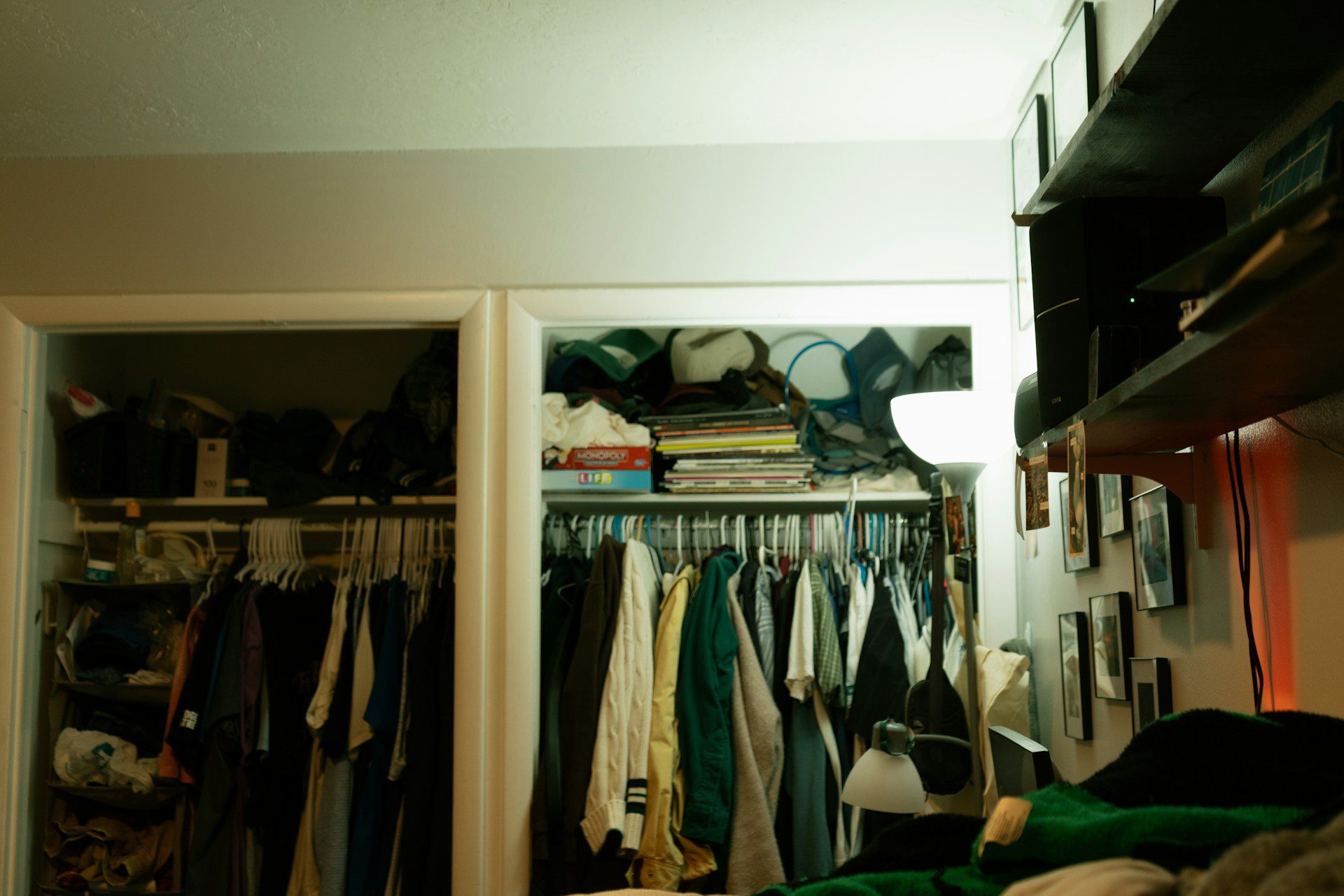
If your closet smells musty, it’s often due to moisture and poor air circulation. Damp clothes or towels left inside can encourage mold and mildew.
To fix this, keep your closet dry and store only clean, dry items. You can also use odor-control granules or place herbs like thyme to help reduce the smell naturally.
Opening your closet door regularly helps fresh air in and keeps the musty odor from settling in your clothes.
Cooking smells like garlic and onion

If your home smells like garlic or onion, it can be hard to get rid of. These odors often cling to fabrics, carpets, and surfaces, making the scent linger longer than you’d like.
To freshen your space, open windows and doors to let in fresh air. You can also sprinkle baking soda on carpets and upholstery, leave it for about 30 minutes, then vacuum.
Using a citrus-scented spray can naturally neutralize these strong smells without harsh chemicals. Regular cleaning helps keep your home smelling inviting after cooking.
Damp basement mustiness

If your basement smells damp and musty, it’s often caused by moisture seeping through walls or high humidity. This creates the perfect environment for mold and mildew to grow.
You can reduce the odor by fixing leaks and using dehumidifiers to keep the air dry. Painting basement walls with moisture-resistant paint helps block odors and prevent moisture from coming in.
Keeping your basement well-ventilated also stops damp smells from spreading to other parts of your home.
Scent of old wallpaper adhesive


If you’ve removed old wallpaper, you might notice a lingering glue smell that can be quite strong. This odor often comes from the leftover adhesive, which can have a wet, musty scent.
Ventilating your space by opening windows helps reduce the smell. You can also use a shellac-based primer to seal in odors before repainting. Sometimes, the scent fades naturally after a few weeks.
Smell of stale air-conditioning filters

If your air conditioner smells musty or stale, the filter might be the cause. Over time, filters trap dust, dirt, and moisture, which creates that unpleasant odor.
Changing or cleaning your air filter regularly keeps the air fresh. It also helps your AC work more efficiently and improves your home’s air quality.
If you notice the smell won’t go away after changing the filter, the problem could be deeper, like dirty ducts or mold. In that case, professional cleaning may help.
Grease buildup in kitchen vents

When grease builds up in your kitchen vents, it can block airflow and cause your space to feel hot and smoky. This not only makes cooking uncomfortable but can leave a lingering, unpleasant odor that bothers your guests.
Regularly cleaning your vents helps prevent grease from accumulating. It also keeps the air fresh and your kitchen smelling clean. You’ll notice a big difference in both comfort and atmosphere.