


If you’re like me, you’ve probably thought that the refrigerator is the best place to store all your perishable items. After all, it keeps things cool and slows down the process of decay, right? Well, not necessarily.
There are actually several items that are better off staying out of your fridge. Some items lose their flavor or texture when refrigerated, while others can actually spoil faster! Let’s delve into the 15 items I never store in my fridge and why.
1. Tomatoes

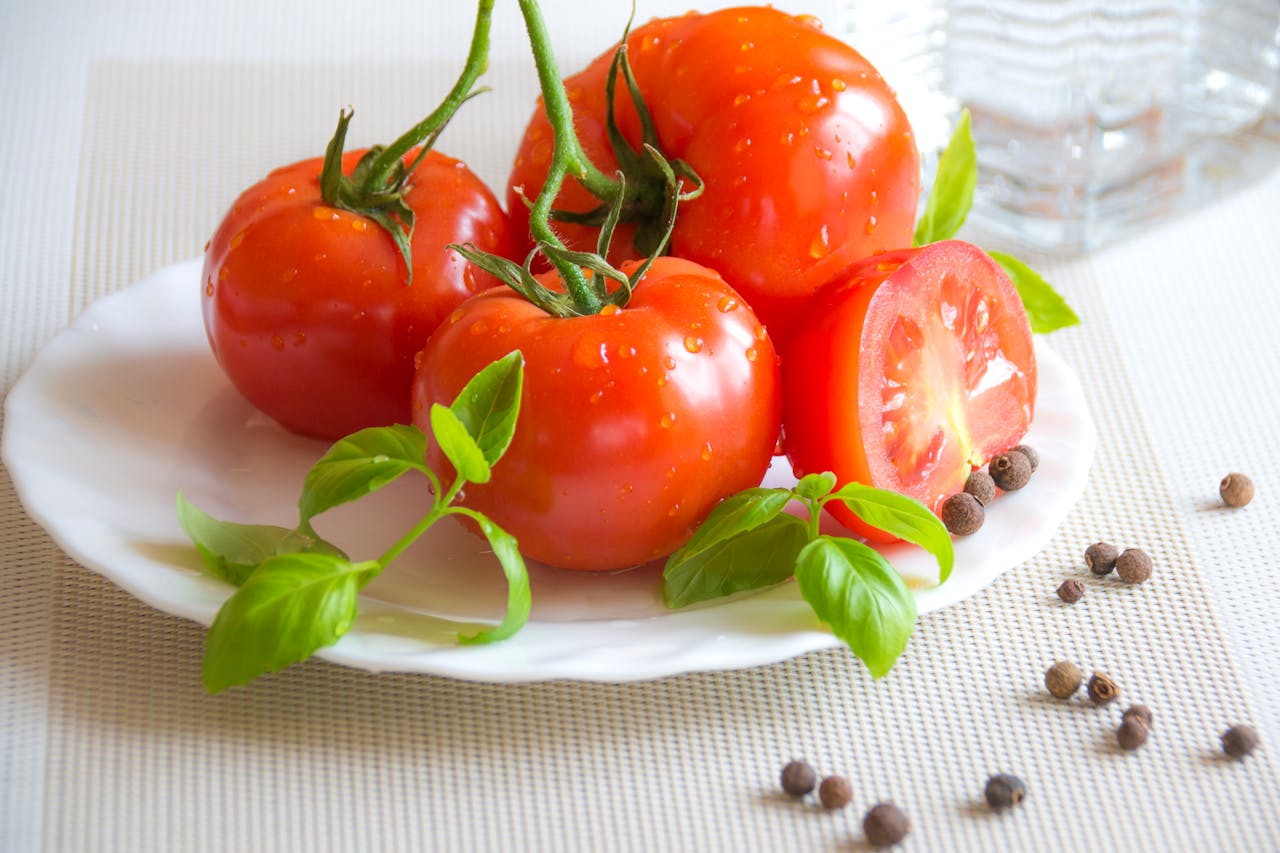
Fresh tomatoes are a staple in many kitchens. But, contrary to popular belief, they don’t belong in the fridge. The cold temperature damages the membranes within the fruit, making it mealy and flavorless. Tomatoes are best kept at room temperature, preferably away from direct sunlight. This helps maintain their delicious, fresh flavor and prolongs their shelf life.
2. Potatoes


Potatoes love cool, not cold environments, and so they are better stored in a cool, dark pantry than in a refrigerator. When you store potatoes in the fridge, the cold temperatures convert their starch to sugar. This can result in a change in taste and texture, giving you a sweeter potato with a harder bite.
3. Honey

Honey is a natural product that doesn’t spoil, so it doesn’t need refrigeration. Storing honey in the fridge can cause it to crystallize, making it hard to pour. At room temperature, it remains in its smooth, easy-to-use form. So, keep your honey in the pantry, and it will stay good indefinitely.
4. Coffee
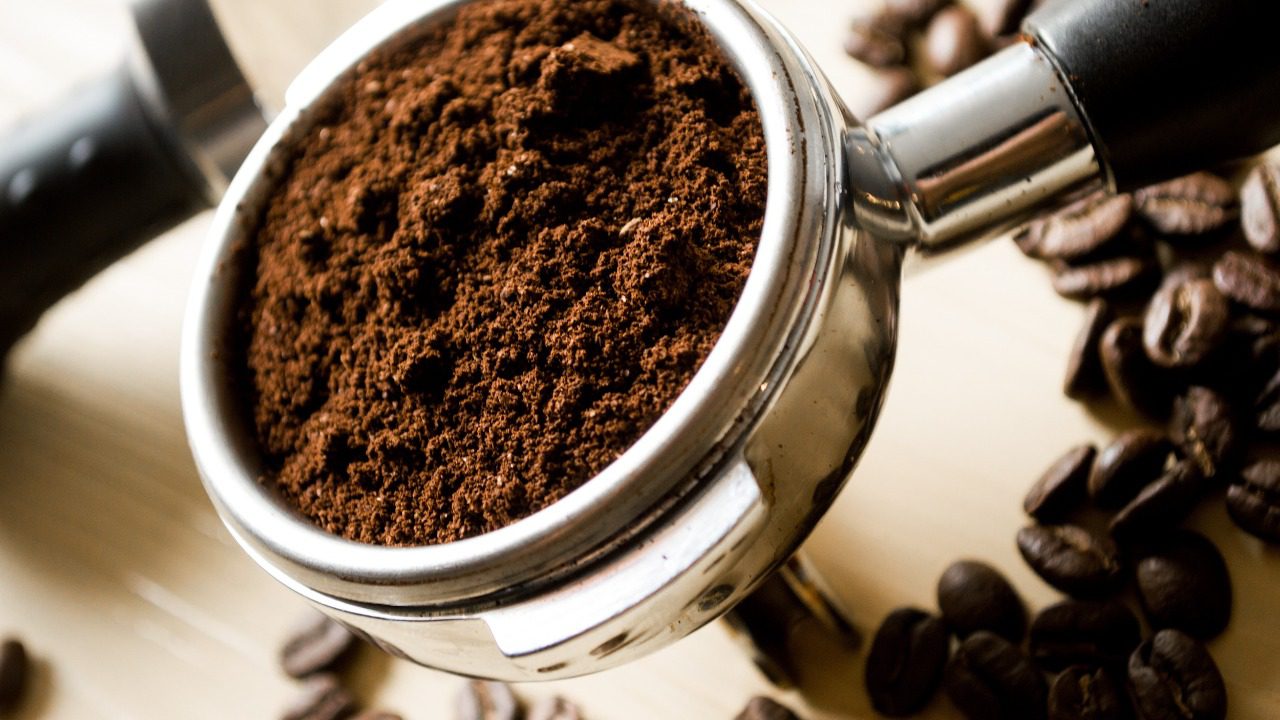
Storing coffee in the fridge can actually make it lose its flavor. The fridge causes condensation to form, which can dilute the taste. Coffee also absorbs odors, so those leftover onions could leave your morning brew tasting funky. Instead, store coffee in an airtight container in a dark and cool place.
5. Bread


Putting bread in the fridge will make it go stale faster. This is because the cold temperature speeds up the process of retrogradation, which affects the starches in the bread. If you have a loaf that you can’t finish right away, you’re better off freezing it.
6. Onions

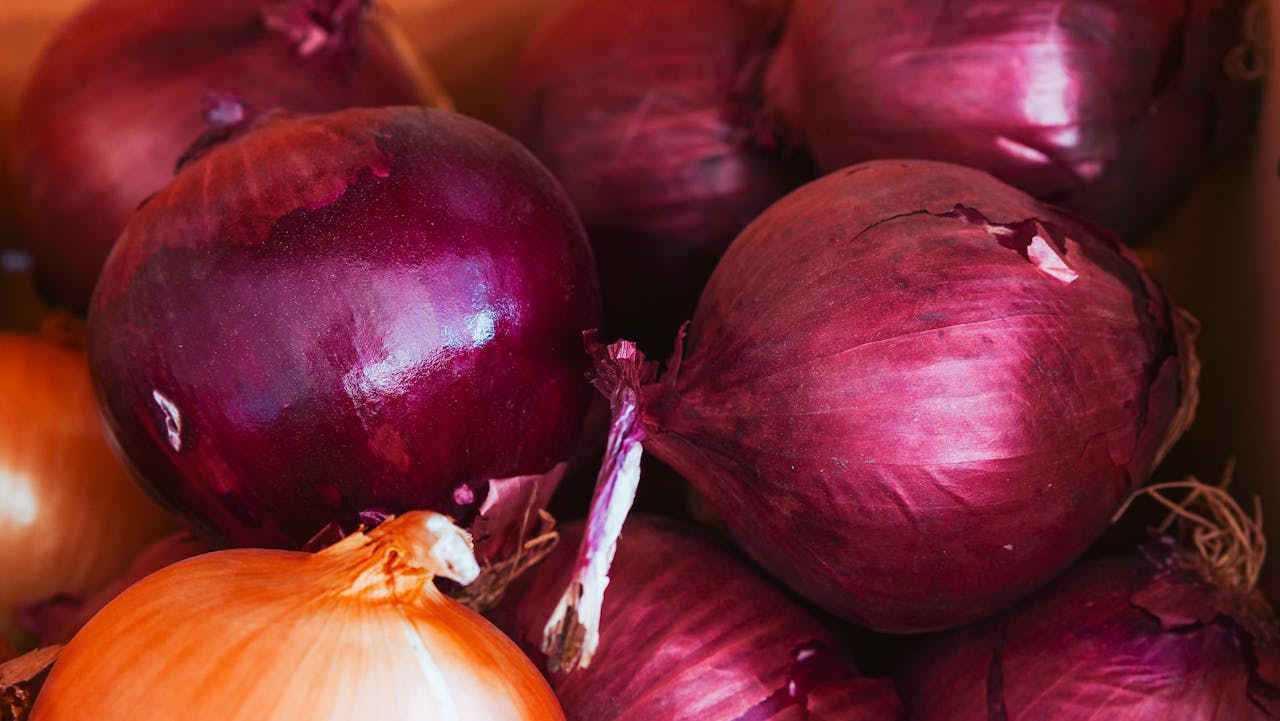
Onions like dry, ventilated environments. The moisture in the fridge can cause them to become moldy or mushy. Best practice is to store them in a cool, dark pantry. But remember, don’t store them near potatoes, as they can speed up each other’s spoiling process.
7. Garlic


Garlic prefers a dry and ventilated environment, just like onions. Storing garlic in the fridge can cause it to sprout and become moldy. Instead, keep your garlic in a cool, dark place where it can remain dry.
8. Avocados

If you want your avocados to ripen, they should be kept out of the fridge. Cold temperatures slow down the ripening process. If your avocado is already ripe and you’re not ready to eat it, then it can be refrigerated to slow down the spoiling process.
9. Olive Oil

Olive oil should never be stored in the fridge because it will harden and become butter-like. Instead, it should be kept in a cool, dark place where it can remain in a liquid state.
10. Hot Sauce

Most hot sauces can last up to three years in the pantry, thanks to vinegar and preservatives. Keeping it in the fridge can dull the flavor and change the viscosity. Of course, always check the label, as some might require refrigeration after opening.
11. Melons

Whole melons should be stored at room temperature to keep their antioxidants levels high. Refrigerating them might make them lose some of their health benefits. Once cut, however, melons should be refrigerated to prevent bacterial growth.
12. Basil


Basil wilts in the cold temperatures of the fridge and absorbs the smells of the foods around it. It’s better to treat it like a flower and put it in a cup of water on your counter.
13. Nuts

Nuts don’t need to be refrigerated. They have a long shelf life and can retain their flavor better when kept at room temperature. Plus, they taste better at room temperature!
14. Oranges
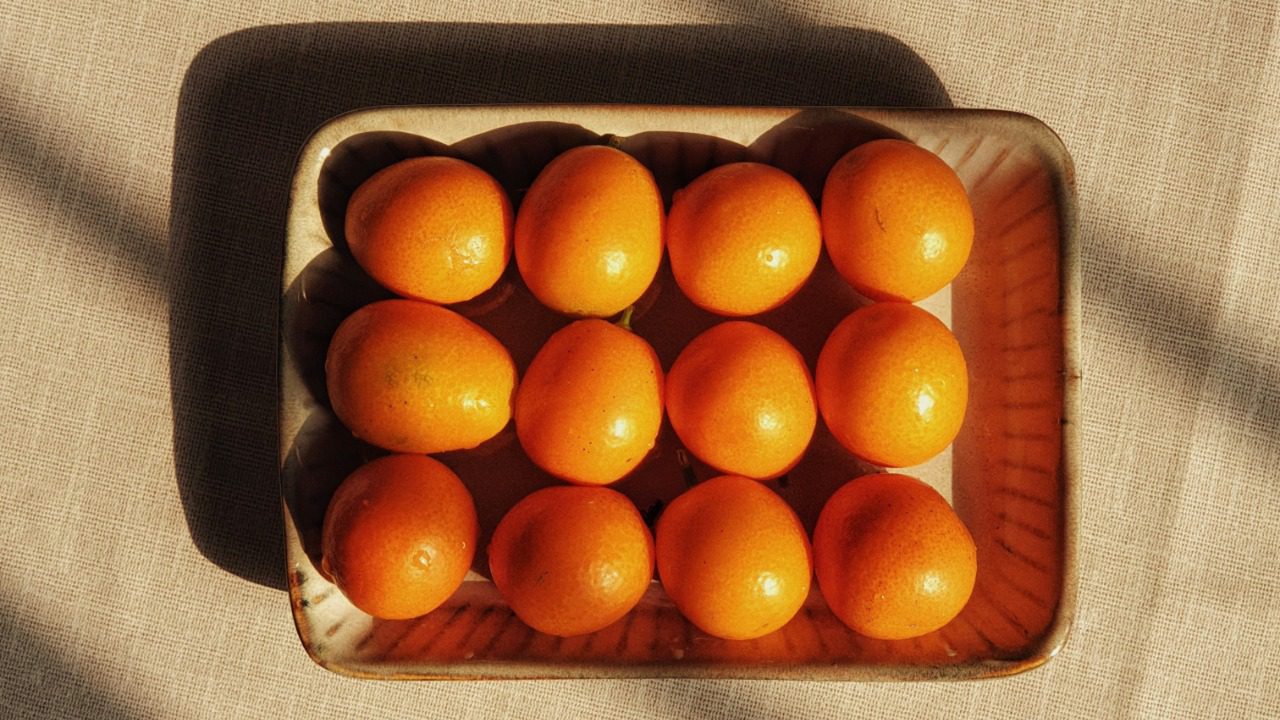
Oranges, and citrus fruits in general, do best in a cool, but not cold, environment. Keeping them in the fridge can actually result in a loss of flavors. Instead, store them in a cool, ventilated place away from direct sunlight.
15. Bananas

Bananas need room temperature for two reasons: The cold temperature of a fridge will slow down their ripening process, and it will also turn their peels an unappetizing black color. If you want to prolong the life of a ripe banana, you can put it in the fridge, but be aware that the peel will turn black.