

Your kitchen can quickly become cluttered with items you rarely use or need, making it harder to cook and keep clean. Simplifying what you keep can create more space and make your kitchen a more enjoyable place to be.
By focusing on the essential items and letting go of unnecessary clutter, you’ll make your kitchen more functional and easier to maintain. This guide will help you identify which items to purge and which to keep, so you can create a kitchen that works better for you.
Expired spices

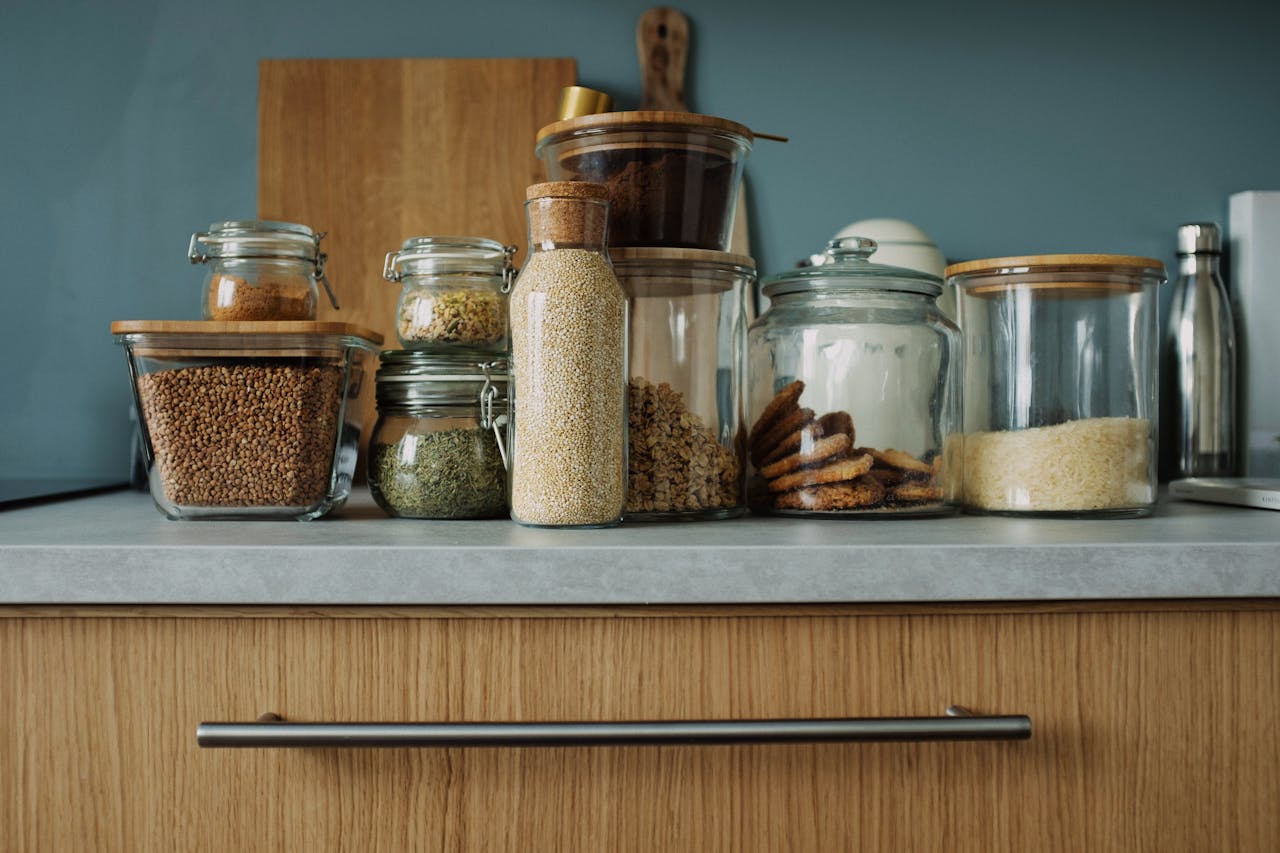
You might not realize it, but spices lose their flavor over time. If your spices have been sitting for more than two years, it’s a good idea to toss them.
Expired spices won’t harm you, but they won’t add much taste either. Keeping only your most-used spices fresh saves space and improves your cooking.
Check for clumps or off smells—that’s a clear sign it’s time to purge. This way, your meals stay delicious without unnecessary clutter.
Chipped ceramic dishes

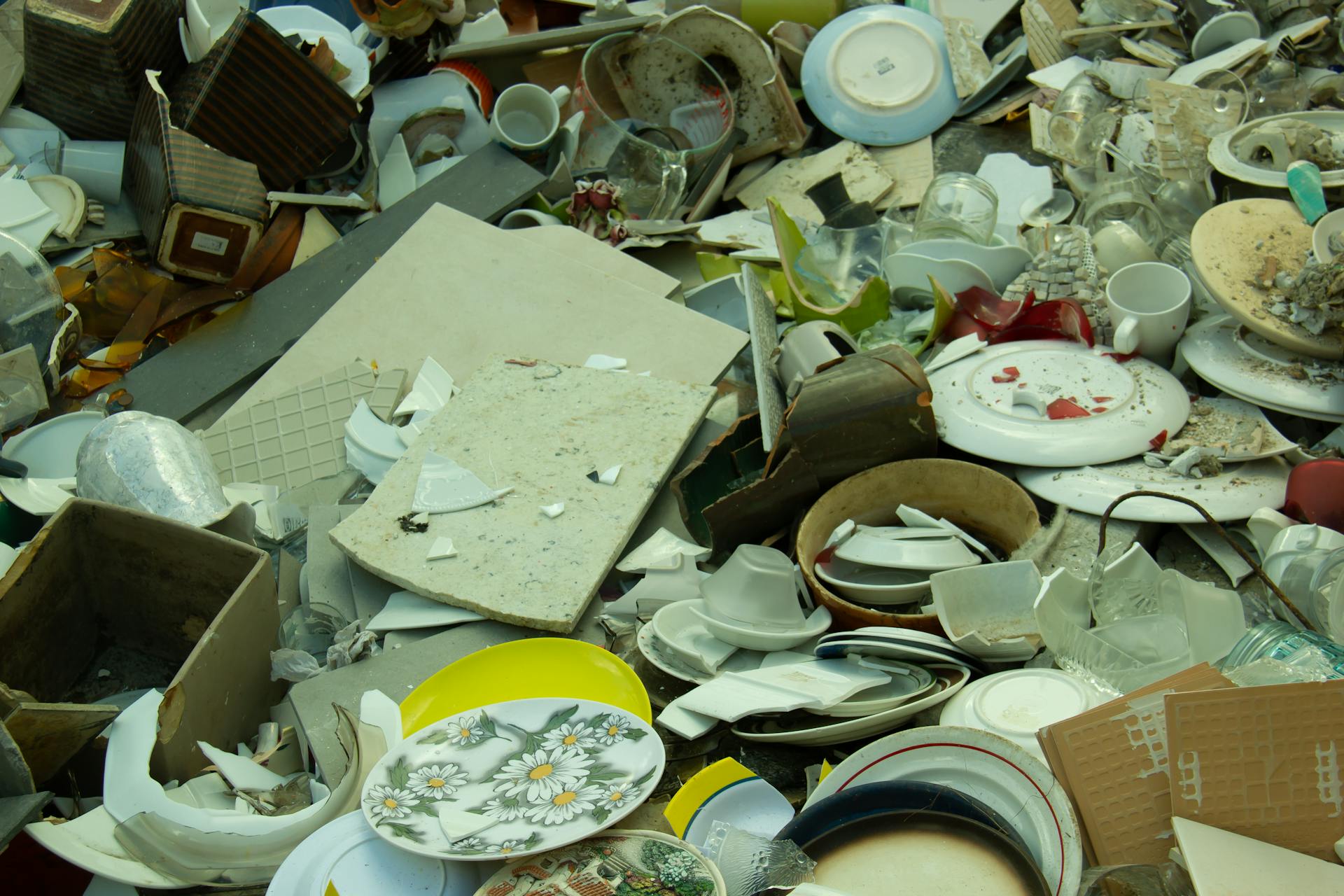
If your ceramic dishes have chips, it’s usually best to let them go. Chips can cause small pieces to break off, which might be unsafe when eating.
You might be able to keep some chipped ceramics for non-food use, like holding pens or plants. But for serving or eating, chipped dishes aren’t ideal.
Tossing them helps avoid accidents and keeps your kitchen looking fresh. It’s a simple way to stay safe and organized.
Worn-out cutting boards


You should check your cutting boards regularly for deep grooves and stains. These can trap bacteria and make cleaning difficult.
If your boards are heavily worn or splintered, it’s safer to replace them. Materials like plastic wear out faster and can harbor germs.
Keeping only one or two sturdy boards helps you stay organized. Wash them properly, and consider separate boards for meat and veggies.
Stained plastic containers

If your plastic containers are stained and hard to clean, it might be time to let some go. You can try soaking them in a mixture of water and vinegar for an hour or two to reduce stains.
Another simple trick is using a baking soda paste; let it sit for about 30 minutes before wiping clean.
Remember, keeping only a few well-maintained containers saves space and reduces clutter in your kitchen.
Old olive oil bottles

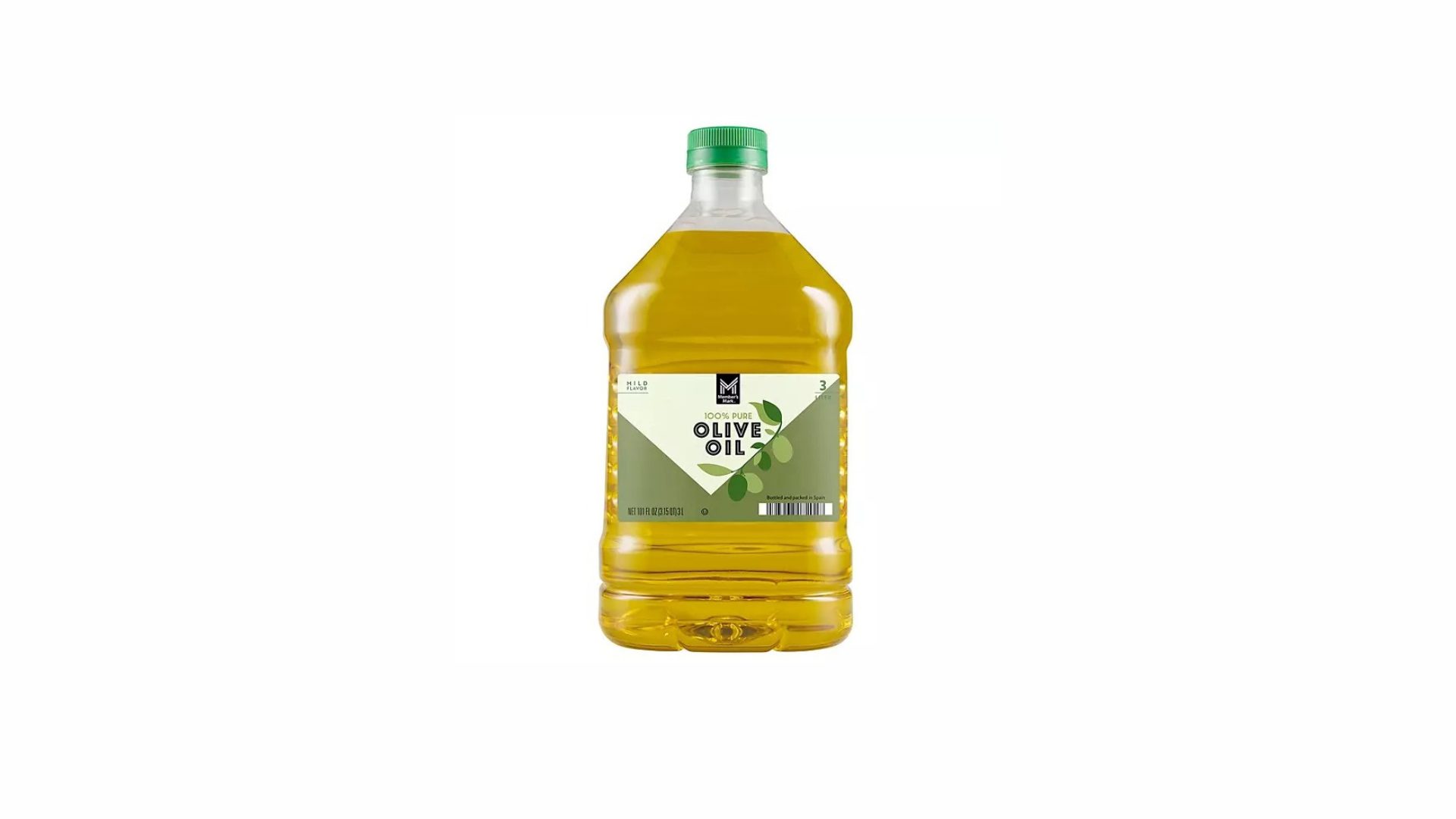
If you have old olive oil bottles sitting around, it’s time to consider letting most of them go. Keeping just one or two clean, leak-proof bottles is enough for everyday use.
Old bottles can accumulate residue and may affect the oil’s taste over time. Switching to glass bottles with proper pour spouts helps keep your oil fresh and easy to use.
Don’t forget to clean your bottles regularly to avoid buildup. If a bottle is chipped or hard to clean, it’s best to replace it.
Unused specialty gadgets


You might have kitchen gadgets that looked useful but rarely get used. Items like avocado slicers, cherry pitters, or egg separators can take up space without adding much value.
If you haven’t touched these gadgets in months, consider letting them go. Keeping only versatile tools makes your kitchen easier to navigate and clean.
Warped cookware
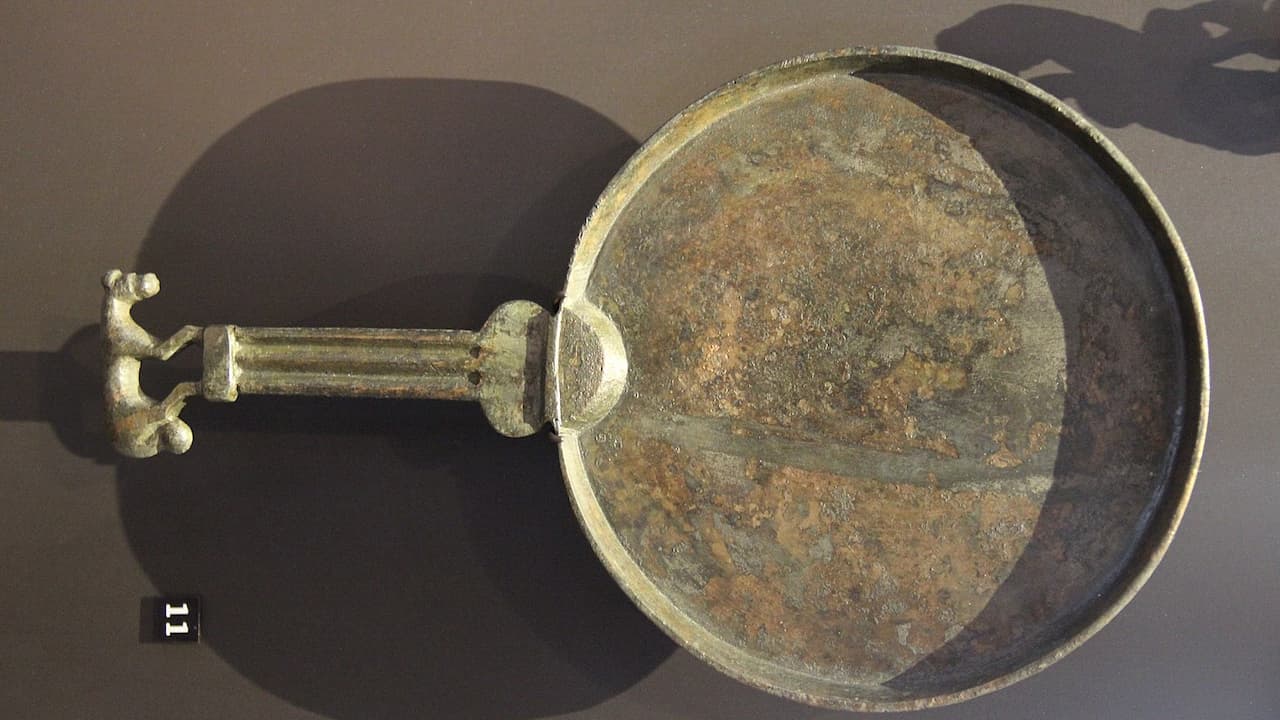
If your pans or baking sheets have warped, they won’t cook evenly. This can affect your food’s texture and how well it cooks.
You might be able to fix slight warping by placing the pan on a towel and pressing gently. But if the warp is severe, it’s time to let it go.
Keeping warped cookware can create frustration in the kitchen. Purging these items frees up space and lets you focus on tools that work well every time.
Extra coffee mugs
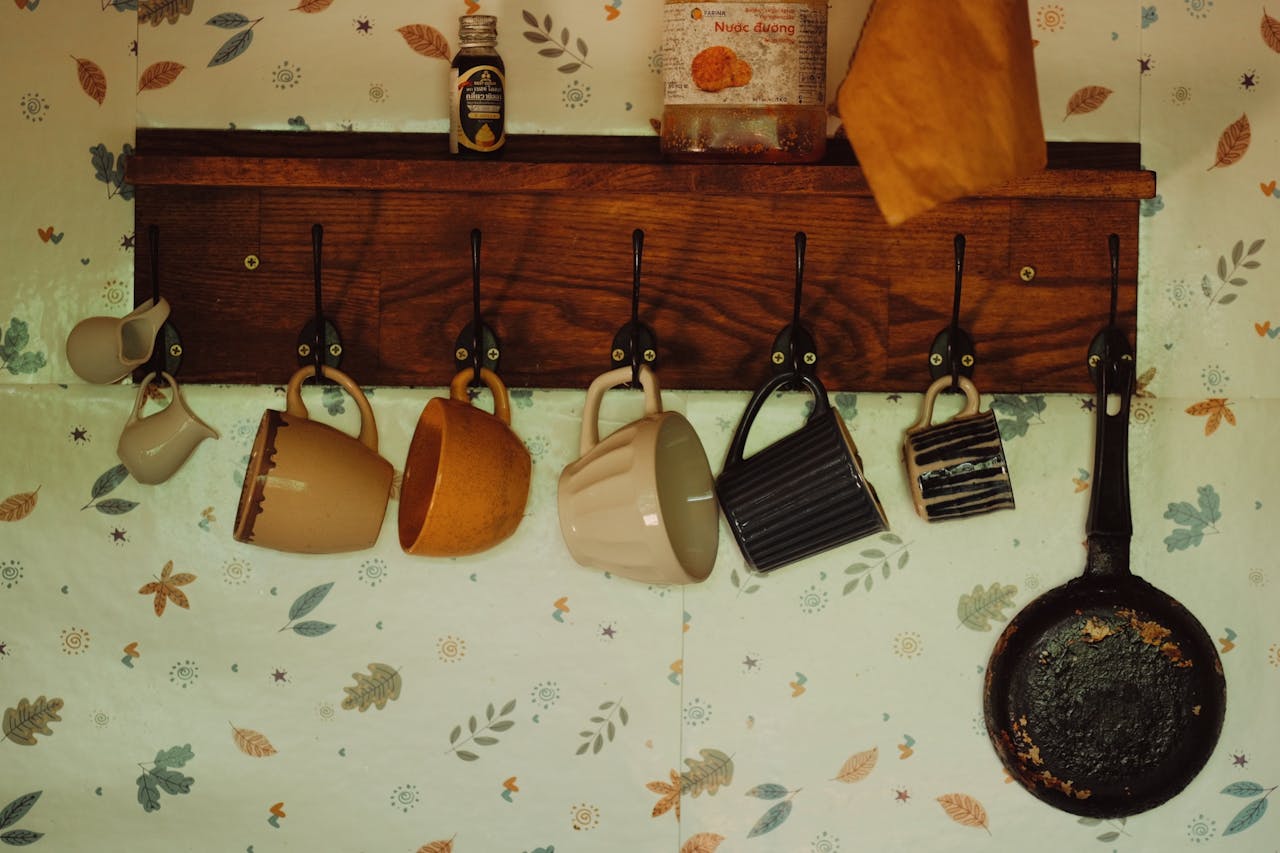
You likely have more coffee mugs than you actually use. Keeping only your favorite five saves space and makes your kitchen feel less cluttered.
Extra mugs often gather dust or sit unused in cabinets. Consider donating or recycling the ones you rarely reach for.
Focus on mugs that fit your daily routine. Clear, double-walled glass mugs are a practical choice since they keep drinks hot and look nice.
Promotional water bottles

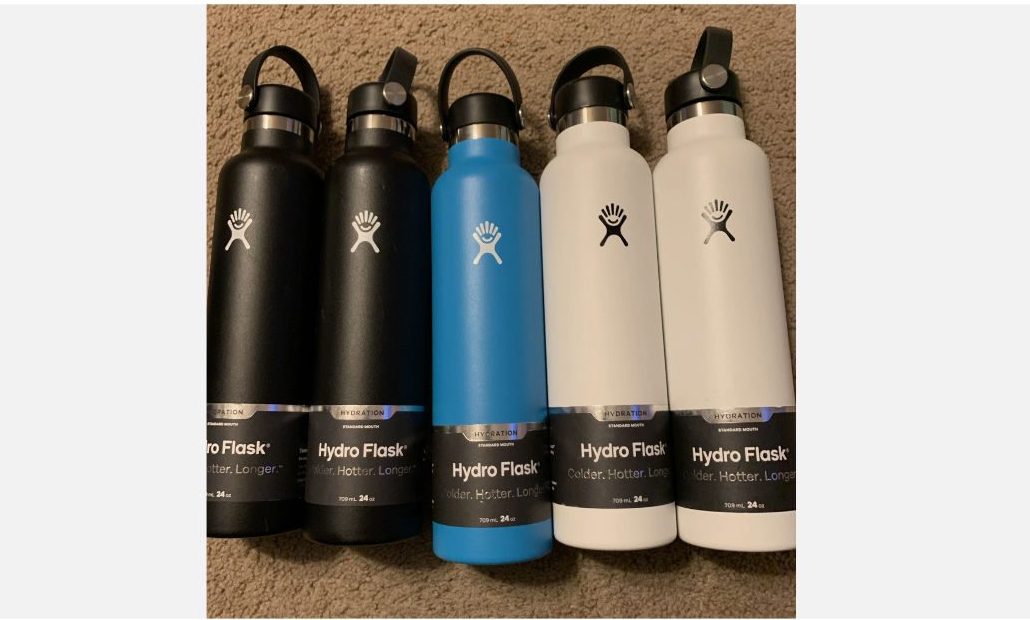
You might have a few promotional water bottles from events or companies. These often pile up because they come in different styles and sizes.
Consider keeping just one or two if you use them regularly. The rest can be donated or recycled to free up space.
They are handy for on-the-go hydration but don’t hold on to extras that crowd your kitchen or bags. Keep what fits your needs best.
Duplicate kitchen utensils

You probably have more than one of certain kitchen tools. Keeping duplicates can take up space and cause clutter.
Focus on keeping the utensils you use regularly. If you rarely grab a second spatula or extra whisk, it’s okay to let them go.
This way, you’ll have easy access to what you need without digging through extras. It helps keep your kitchen organized and efficient.
Broken can openers


If your can opener is broken or barely working, it’s time to let it go. A dull blade or misaligned parts make opening cans frustrating and unsafe.
Keeping a faulty can opener just adds clutter. Instead, choose one that’s sturdy and cuts cleanly, so you don’t risk jagged edges or damage to the tool.
You’ll save time and avoid hassle by having a reliable can opener in your kitchen. Toss the broken ones and make space for better gear.
Cracked glassware


If you have cracked glasses, it’s time to let them go. Even small cracks can harbor bacteria and make the glass unsafe to use.
Cracked glassware can also break completely when you least expect it, causing spills or injuries. Keep only intact pieces that you use regularly.
Saving a few sentimental or vintage glasses is okay, but don’t hold on to damaged items just because you think you might need them someday.
Old food storage containers

You likely have a collection of old food storage containers with missing lids or stains. These take up space and make your kitchen feel cluttered.
Keep a few that are in good condition, stackable, and airtight for better use. Toss or recycle containers that no longer seal properly or are warped.
This simple change clears space and helps you stay organized when storing leftovers or pantry items.
User manuals for appliances
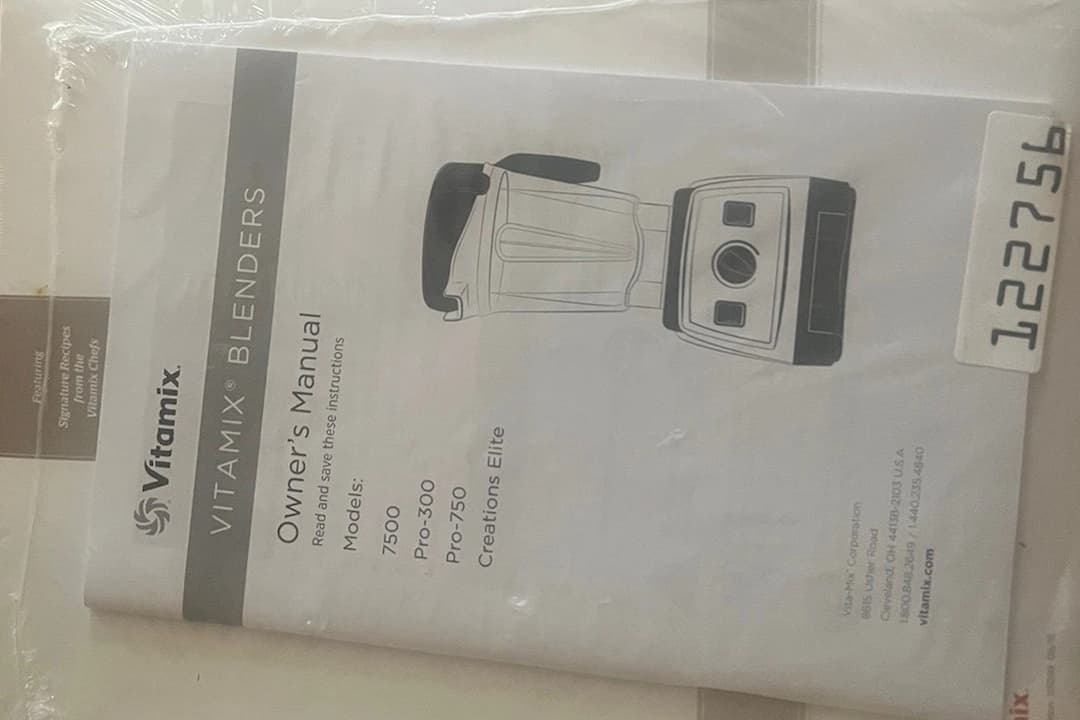
You probably have user manuals scattered around for appliances you no longer use. These manuals can take up valuable space and rarely get consulted after the initial setup.
If you keep a manual, consider scanning it and storing a digital copy instead. This way, you reduce clutter but still have the information handy if you need it.
Keep only manuals for appliances you currently own and use regularly. Toss the rest to free up room in your kitchen drawers or cabinets.
Plastic bags clutter

You probably have more plastic bags than you need. They take up space and often don’t get reused.
Instead of holding onto every bag, keep just a few for emergencies. Consider switching to reusable bags to cut down on clutter.
Getting rid of excess plastic bags will clear up your kitchen drawers and make things feel more organized.