



Managing family finances can feel challenging, especially when you want to save without sacrificing comfort. Many moms have developed simple habits that help stretch every dollar further while keeping their households running smoothly.
These 15 money-saving habits show you practical and effective ways to reduce expenses and build savings over time. By adopting small changes, you can make a noticeable difference in your budget without feeling deprived or overwhelmed.
Setting monthly savings goals


You can start by deciding how much money you want to save each month. Having a clear goal makes it easier to stay focused and motivated.
Break your goal into smaller steps. For example, save a set amount each week or after every paycheck. Track your progress regularly. Seeing your savings grow encourages you to keep going and adjust if needed.
Meal planning to avoid food waste


You can save money by planning your meals around what you already have. Use perishable ingredients first to prevent them from spoiling. Try to incorporate leftovers into new meals instead of throwing them away.
Focusing on sale items and affordable pantry staples helps you stretch your budget and reduce waste. By planning ahead, you waste less food and spend smarter, making mealtime easier and more cost-effective.
Using leftovers as regular meals


You can save time and money by planning meals around your leftovers. Instead of tossing extra food, turn it into a quick dinner option.
Using leftovers means less cooking and fewer dishes to clean. This habit makes busy evenings easier and helps reduce food waste.
Try keeping portions manageable so you have enough for another meal. With a little creativity, leftovers can feel just as fresh the second time around.
Driving an older car with no payments


Choosing to drive an older car can save you a lot of money. When you avoid car payments, you free up cash for other important expenses or savings.
Older cars usually cost less to insure, which lowers your monthly bills even more. It’s smart to buy used vehicles with care and keep them well-maintained.
By skipping loans and paying cash, you avoid interest charges. This habit helps you stay financially flexible and less stressed about monthly budgets.
Shopping with a strict grocery budget


You can stick to your grocery budget by planning meals around sales and store specials. Make a list and shop with it to avoid impulse buys.
Buying in bulk for items you use often saves money in the long run. Also, consider store brands—they are usually cheaper and often just as good. Try to shop once a week or less to reduce extra trips that can lead to spending more than planned.
Using coupons and promo codes

You can save a good amount by hunting down coupons and promo codes before shopping. Many stores offer discounts that aren’t obvious unless you look for them online.
Make it a habit to check websites or apps that collect these deals. Applying them at checkout can help lower your total without extra effort.
Keep an eye out for special promotions, especially on items you buy regularly. Small savings add up over time when you use coupons consistently.
Buying secondhand clothing and toys


You can save a lot by choosing secondhand clothes and toys for your kids. Thrift stores often have great finds that are still in good condition.
Look for items your family actually needs to avoid unnecessary purchases. Shopping this way not only keeps costs down but also helps reduce waste.
It might take a little more time to hunt for the right pieces, but the savings and unique finds make it worth your effort.
Batch cooking meals on weekends


Batch cooking on weekends can save you time during busy weekdays. Preparing several meals at once helps you avoid last-minute takeout or expensive convenience foods.
You can cook large portions of staples like rice, pasta, or roasted vegetables, then mix and match throughout the week. This habit also helps manage your food budget by reducing waste and using ingredients efficiently.
Freezing excess produce to extend freshness

You can save money by freezing extra fruits and vegetables before they spoil. This helps you avoid waste and keeps your produce usable for weeks or even months.
Make sure to wash, chop, and dry your produce well before freezing. Use airtight containers or freezer bags to prevent freezer burn and maintain flavor.
Label your packages with the date so you can keep track of how long they’ve been stored. This simple habit helps stretch your grocery budget effectively.
DIY household cleaners


You can save money by making your own household cleaners with simple ingredients like vinegar, baking soda, and lemon. These natural cleaners are effective for many surfaces and reduce the need to buy expensive products.
Mix vinegar and water for an all-purpose spray. Baking soda works well as a gentle scrub for tough stains. This way, you keep your home clean without extra costs.
Growing a small vegetable garden

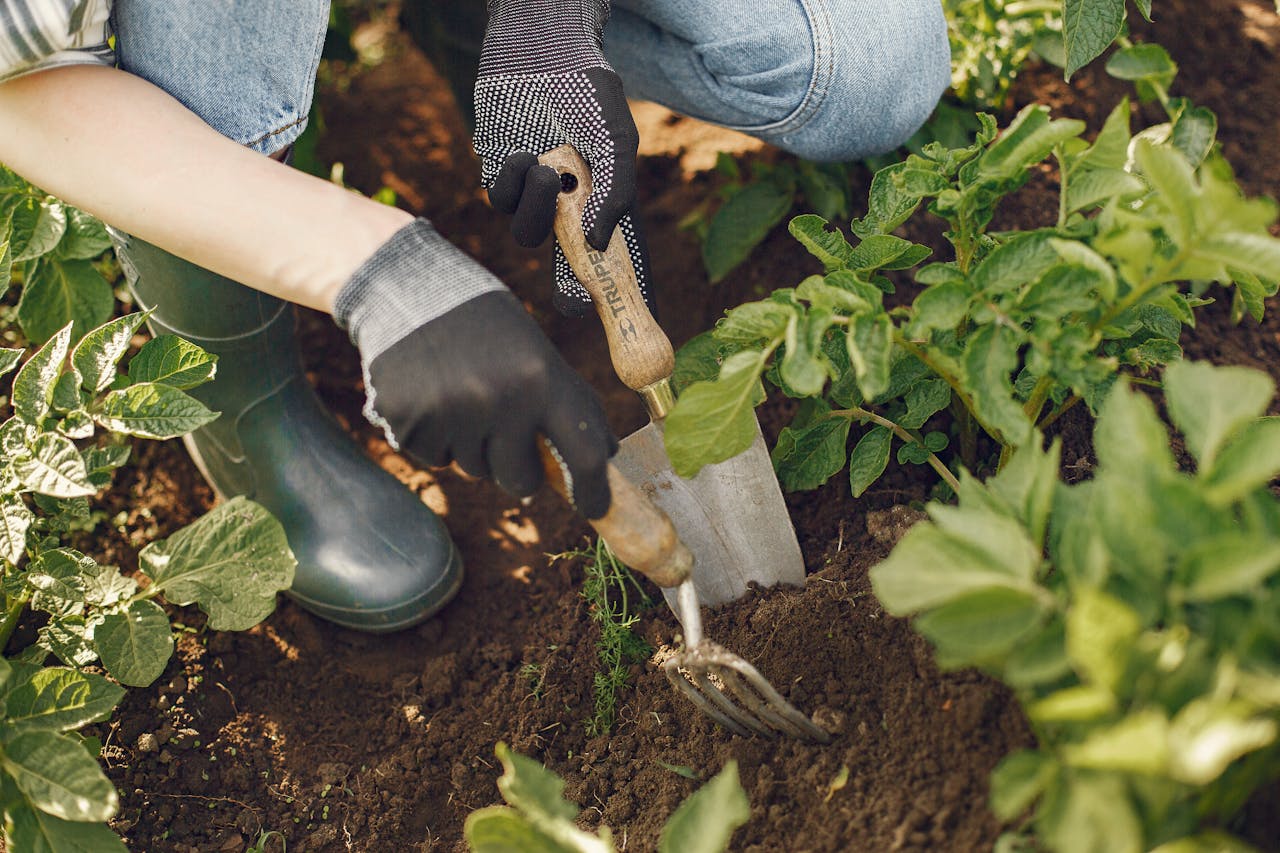
Growing a small vegetable garden can save you money and provide fresh produce at home. Start with easy-to-grow plants like tomatoes, lettuce, or herbs.
Use containers or small raised beds if space is limited. Save seeds from your harvest to plant again next season.
Water your plants efficiently by using rainwater or watering early in the morning. This helps reduce your water bill while keeping your garden healthy.
Reducing energy use with LED bulbs


Switching to LED bulbs is one of the easiest ways you can lower your energy bills. LEDs use much less electricity compared to traditional incandescent or fluorescent bulbs.
You’ll also find that LED bulbs last longer, which means you don’t need to replace them as often. This saves you money both on your electric bill and on buying new bulbs.
By making this simple change, you take a small step that adds up to noticeable savings over time.
Unplugging electronics when not in use

You can save a bit on your electric bill by unplugging devices that aren’t needed. Many electronics draw small amounts of power even when turned off.
Try to make unplugging chargers, computers, and entertainment devices a regular habit. It’s an easy way to reduce energy waste without much effort.
Remember, the savings won’t be huge, but every little bit helps when you’re managing a budget.
Using library resources instead of buying books

You can save money by borrowing books from your local library instead of buying them. Libraries offer a wide range of titles for all ages, so you’ll find what your family needs without spending extra.
Many libraries also lend DVDs, audiobooks, and e-books through apps like Libby or Hoopla. This way, you can enjoy entertainment and learning materials right from your phone or tablet at no cost.
Hosting clothing swaps with friends

You can save money and refresh your wardrobe by hosting clothing swaps with friends. Everyone brings clothes they no longer wear, and you exchange items that suit your style.
This way, you get new-to-you outfits without spending. It’s also a fun, social way to declutter and discover hidden gems in your friends’ closets. Try setting simple rules, like clean items only, to keep swaps enjoyable and fair for everyone.
Like what you read? Here’s more by us: