

When you’re about to make a purchase, it’s easy to get caught up in the moment or tempted by a good deal. Taking a step back and asking yourself a few simple questions can help you make smarter decisions and avoid unnecessary spending.
By reflecting on what you truly need and how a purchase fits into your life, you can save money and make choices that align with your priorities. This approach helps you focus on what matters most and reduces impulse buying.
Do I really need this item?


Before buying, ask yourself if the item is essential or just something you want. This helps you avoid impulse purchases that might not add real value to your life.
Think about how often you’ll use it. If it’s something that will sit unused, it might not be worth the cost or space.
Considering your needs first keeps your spending focused and intentional.
Will this product add lasting value to my life?


Ask yourself if the product will truly improve your daily routine or bring you joy over time. Sometimes, what feels exciting now might lose its appeal quickly.
Consider how often you’ll use it and if it solves a real problem. If it’s just a passing interest, it might not be worth the investment.
Think about whether this item supports your long-term goals. If it aligns with what you value, it’s more likely to add meaningful value.
Can I afford this without stress?

Before buying, ask yourself if this purchase fits comfortably within your budget. If paying for it means cutting into essentials or going into debt, it’s better to wait.
Consider how many hours you’ll need to work to earn this item. If it feels like too much effort for a want, think twice.
Buying without financial strain helps keep your money stress-free and your spending habits healthier.
Is this purchase aligned with my budget goals?


Before buying, check if this item fits within your budget. Consider how it affects your spending plan and if it moves you closer to your financial goals.
If the purchase strains your budget, think about waiting or saving up first. Staying mindful helps you avoid compromising other important expenses.
Have I researched the product quality thoroughly?


Before buying, take a little time to check the product’s quality. Look for reviews from other buyers and see if the materials used are durable.
Think about how long you’ll use the product. Choosing something well-made can save you money and reduce waste over time.
If information isn’t clear, don’t hesitate to ask the seller or look for expert opinions. It helps make sure you’re getting something worth your money.
Is there a better or more sustainable alternative?

Before buying, ask yourself if there’s a more sustainable option that meets your needs. Sometimes, choosing a product with a longer lifespan or made from recycled materials can reduce waste.
You might find alternatives that use less energy or water during production. Checking for options that support ethical practices can also make your purchase more responsible.
Taking a moment to compare helps you make choices that are better for the planet and often for your budget in the long run.
Will I use this regularly or just once in a while?


Ask yourself how often you’ll actually use the item. If it’s something you’ll only need occasionally, it might not be worth the expense or space.
Sometimes, things seem handy in the moment but end up gathering dust. Thinking about regular use helps you avoid clutter and wasted money.
If it’s a one-time or rare use, consider borrowing or renting instead. This can save you both money and storage trouble.
Do I have space to store or use this item at home?

Before buying, think about where you’ll keep the item. If you don’t have a clear spot, it might add clutter instead of value.
Assess whether your current storage can handle it without overcrowding. Sometimes waiting to buy until you make room can save you stress later.
Also, consider if you will actually use the space for this item or if it’s better used for something else. Making intentional choices helps keep your home organized and functional.
Am I buying this out of emotion like boredom or sadness?

Before making a purchase, check in with yourself. Are you feeling bored, sad, or stressed right now? Sometimes, shopping can be a way to cope with emotions instead of solving a real need.
If the answer is yes, consider waiting. Giving yourself time can help you decide if this buy truly adds value or is just an emotional impulse. This step helps avoid regret later.
Have I compared prices to get the best deal?

Before you buy, take a moment to check prices from different sellers. This helps you find the best value without paying more than necessary.
Sometimes, stores or websites offer discounts that aren’t obvious at first glance. Comparing can reveal these deals and save you money.
Price differences can be surprising, especially for big purchases. A little research goes a long way in making sure your money is well spent.
Is this product environmentally friendly or ethically made?

You should check if the product is made with sustainable materials or uses eco-friendly processes.
Look for certifications or information from the brand about ethical labor practices and fair wages.
Consider if the product’s packaging is recyclable or minimal to reduce waste.
Be aware of greenwashing—sometimes brands say they are eco-friendly without clear proof.
Asking these questions helps you make choices that align with your values.
Could I borrow or rent this instead of buying?


Before you buy, think about whether you really need to own the item. Sometimes borrowing or renting can save you money and space.
For things you use only occasionally, like tools or musical instruments, renting might be more practical. It lets you try something out without a big commitment.
Renting also helps avoid storage hassles and protects you from depreciation. Consider this option before making your purchase.
Will this item become clutter quickly?


Before buying, think about how long you’ll actually use the item. If it’s something that will sit unused or forgotten, it might just add to clutter.
Ask yourself if you really need it or if it’s an impulse purchase. Small, frequent buys can quietly take over your space.
Being mindful now helps prevent clutter from piling up later and keeps your home feeling organized.
Is this purchase helping me move toward minimalism or simplicity?

Ask yourself if this item truly adds value to your life or just creates clutter. Minimalism is about choosing quality over quantity and keeping only what serves a purpose.
Think about how this purchase fits into your goals for simplicity. Will it reduce stress and make your daily routine easier, or will it add more maintenance and distractions?
Am I prepared to take care of and maintain this over time?
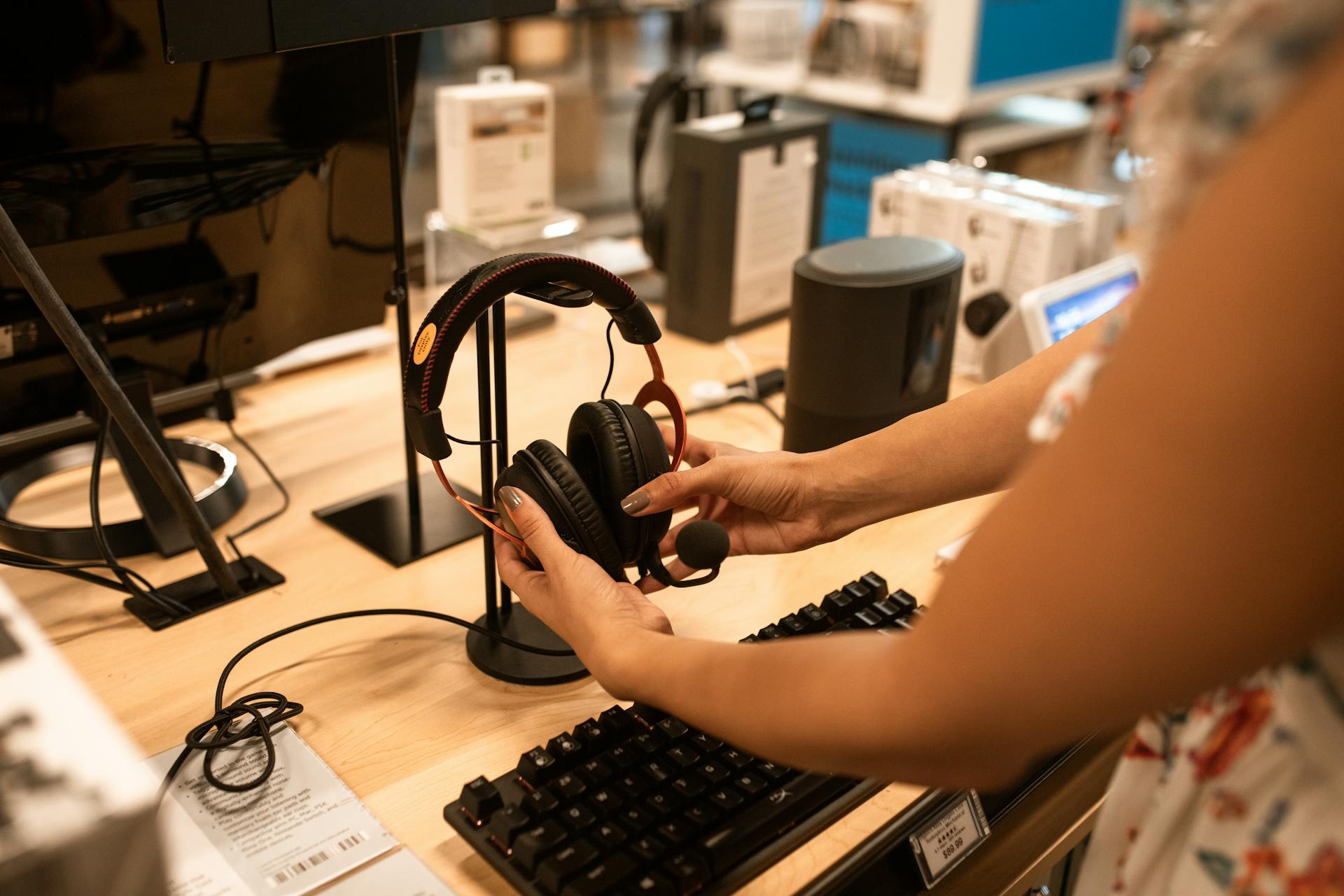
You should think about the effort required to keep your purchase in good shape. Some items need regular cleaning, repairs, or updates.
Consider if you have the time, skills, or budget for ongoing care. Maintenance can add costs you might not expect at first.
Ask yourself if you’re willing to commit to those responsibilities before you buy. This will help you avoid items that become a burden later.