

When it comes to protecting your home, understanding what makes it a target for burglars is key. You might not realize that certain behaviors or situations can signal to thieves that your house is an easy mark.
Knowing these common red flags can help you make simple changes to discourage break-ins and keep your home safer. By spotting and addressing these warning signs, you take important steps toward better security for you and your family.
Unlocked doors and windows


Leaving your doors or windows unlocked is one of the simplest ways to invite burglars in. It gives them easy access without any effort or noise.
Even if you only step outside for a moment, locking up is important. Burglars often look for quick and quiet entries, and unlocked points make that possible.
Make it a habit to check all doors and windows before leaving or going to bed. Small actions like this can significantly reduce your risks.
Overgrown shrubs near entrances

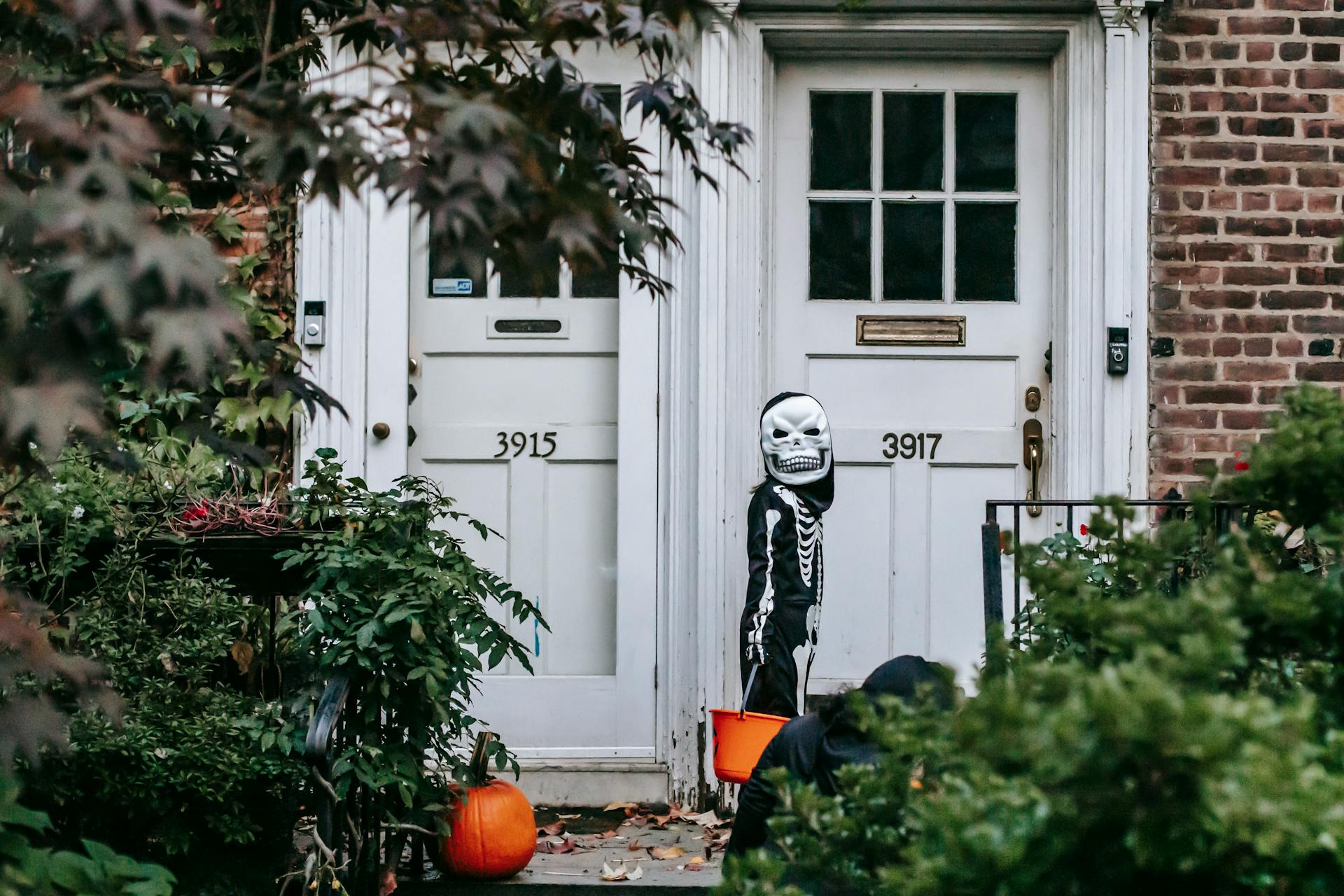
If you have bushes or shrubs growing close to your doors or windows, they can create hiding spots for burglars. This gives them a chance to stay out of sight while trying to break in.
Keeping your landscaping trimmed not only looks nice but also improves visibility. This helps neighbors and passersby notice any suspicious activity around your home.
Taking a few minutes to prune overgrown plants can make your home less inviting to intruders without much effort.
No visible security system


If your home doesn’t have visible security cameras or alarms, it can look like an easy target to burglars. Even simple signs, like stickers indicating a security system, can discourage unwanted visitors.
You don’t need an expensive setup; just showing that your home is monitored can make a big difference. Burglars often avoid houses that seem watched or protected because they want to reduce risk. Adding visible security features tells others you’ve taken steps to protect your space.
Visible expensive items through windows


When valuables like electronics or jewelry are clearly visible through your windows, it can catch a burglar’s eye. You might not realize it, but this kind of display invites unwanted attention.
Keeping expensive items out of sight or covering windows with blinds can help reduce the risk. It’s a simple step that helps protect your home by not advertising what’s inside.
Unkempt lawn and yard


If your lawn is overgrown or your yard looks neglected, it sends a message that no one is home. Tall grass, weeds, and untrimmed bushes create hiding spots for burglars.
Regularly mowing your lawn and keeping plants trimmed helps your home look cared for. This simple step can discourage unwanted attention from anyone watching your property.
Lack of outdoor lighting

If your home is dark at night, it can invite unwanted attention. Burglars prefer hiding in shadows, so poor or no outdoor lighting makes your property an easier target.
Adding well-placed lights around entry points and pathways can discourage intruders. Make sure lights are bright enough and properly aimed to avoid creating dark spots.
Motion-activated lights are a helpful option because they surprise anyone approaching. Keeping your outdoor areas visible helps you keep your home safer.
Leaving tools and ladders outside

If you leave ladders or tools out in the open, you might be making it easier for burglars. These items can be used to climb into windows or gain access to your home.
It’s best to store tools and ladders in a locked shed or garage. This simple step lowers the chances of someone using them without your permission.
Keeping your yard clear of easily accessible tools helps protect your home and gives you peace of mind.
Posting travel plans on social media


When you share your travel plans online, you might unintentionally signal that your home will be empty. Burglars often watch for these clues to choose their targets.
It’s safer to wait until after your trip to post photos or updates. This way, you reduce the risk of drawing unwanted attention while you’re away.
Remember, small changes to your posting habits can make your home less appealing to thieves.
Strangers repeatedly walking around neighborhood

If you notice someone walking back and forth near your home often, it could be a sign they are casing the area. People pretending to jog or just casually walking may be watching to find weak points in your security.
Pay attention to unfamiliar faces who linger or seem out of place. You can help protect your home by reporting suspicious activity to local authorities.
Inconsistent occupancy cues like lights off at night

If your lights are off at night, it can signal to burglars that no one is home. When homes are consistently dark during typical evening hours, it creates a clear occupancy cue.
Leaving some lights on or using timers helps make it look like someone is inside. This small step can make your home less inviting to intruders watching for empty houses.
No neighborhood watch participation


If you don’t take part in a neighborhood watch, it may make your area seem less secure. Burglars often look for communities where people aren’t paying attention to each other.
Being involved helps create a sense of vigilance. When neighbors watch out collectively, it can discourage criminals from targeting your home.
Strangers asking about security or employee schedules

If someone you don’t know starts asking detailed questions about your home’s security or your daily routines, be cautious.
Burglars sometimes pose as service workers or neighbors to gather information about when the house is empty.
You can politely decline to answer or verify their identity before sharing any details. Trust your instincts if something feels off.
No doorbell camera installed


If your home doesn’t have a doorbell camera, it might catch a burglar’s eye as an easier target. Cameras signal that someone is watching, which can discourage unwanted visitors.
Without that visible security, your front door could seem less protected. Installing a doorbell camera is a simple step to make your home look more secure. It also helps you keep an eye on visitors from anywhere.
Leaving spare keys outside

Hiding a spare key outside might seem convenient, but burglars know the common spots to check first. Places like under the doormat or flowerpots are often the first places they look.
If you need a spare key outside, consider a secure lockbox with a code. This keeps your key hidden while still accessible when needed. Otherwise, give a trusted neighbor a spare to avoid obvious risks.