



Renovating your home can be a thrilling yet daunting task. It’s an opportunity to create a space that embodies your taste, lifestyle, and dreams. However, the process is often more complex and time-consuming than most anticipate. Knowing what to expect and how to prepare can make all the difference in your renovation experience. Here are 15 things I wish I’d known before diving headfirst into my first renovation project.
1. Establish a Clear Vision


Before you pick up a hammer or call a contractor, take time to fully envision your renovation project. Get a clear understanding of what you want the end result to look like. This is more than just choosing a color palette or picking out fixtures. It involves understanding how the space will function, how it connects with the rest of your home, and how it reflects your lifestyle.
Use tools like Pinterest or home design magazines to gather ideas and inspiration. This will help you communicate your vision with contractors and ensure that the finished product aligns with your expectations. Remember, this is your home and your project – don’t settle for a design that doesn’t resonate with you.
2. Budget More Than You Expect
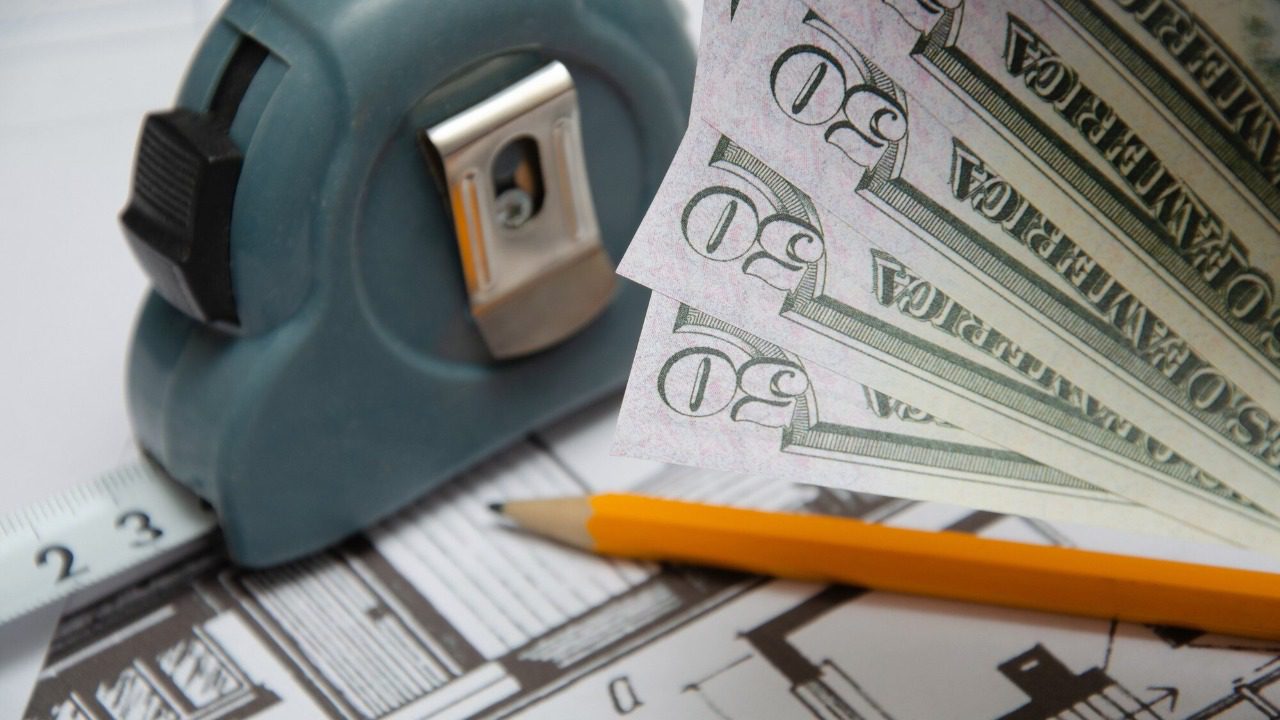
When it comes to renovation, costs can quickly spiral out of control if not carefully managed. Many people underestimate the financial aspect of a renovation, only considering the obvious costs like materials and labor. However, there are always unforeseen expenses such as permits, waste disposal, or unexpected structural issues.
Create a detailed budget that includes a contingency for unexpected expenses. This will give you a financial buffer and reduce stress during the renovation process. Always get multiple quotes from contractors to ensure you’re getting the best value for your money.
3. Hire the Right Professionals

Renovating a home is not a solo project. You will need to hire professionals such as architects, contractors, and interior designers. It’s crucial to choose the right people who understand your vision, have a proven track record, and are easy to work with.
Do your due diligence when selecting your team. Check references, view previous work, and ensure they are licensed and insured. Remember, the cheapest quote may not always be the best. It’s worth investing in quality professionals to ensure your renovation is completed to a high standard.
4. Be Prepared for Delays
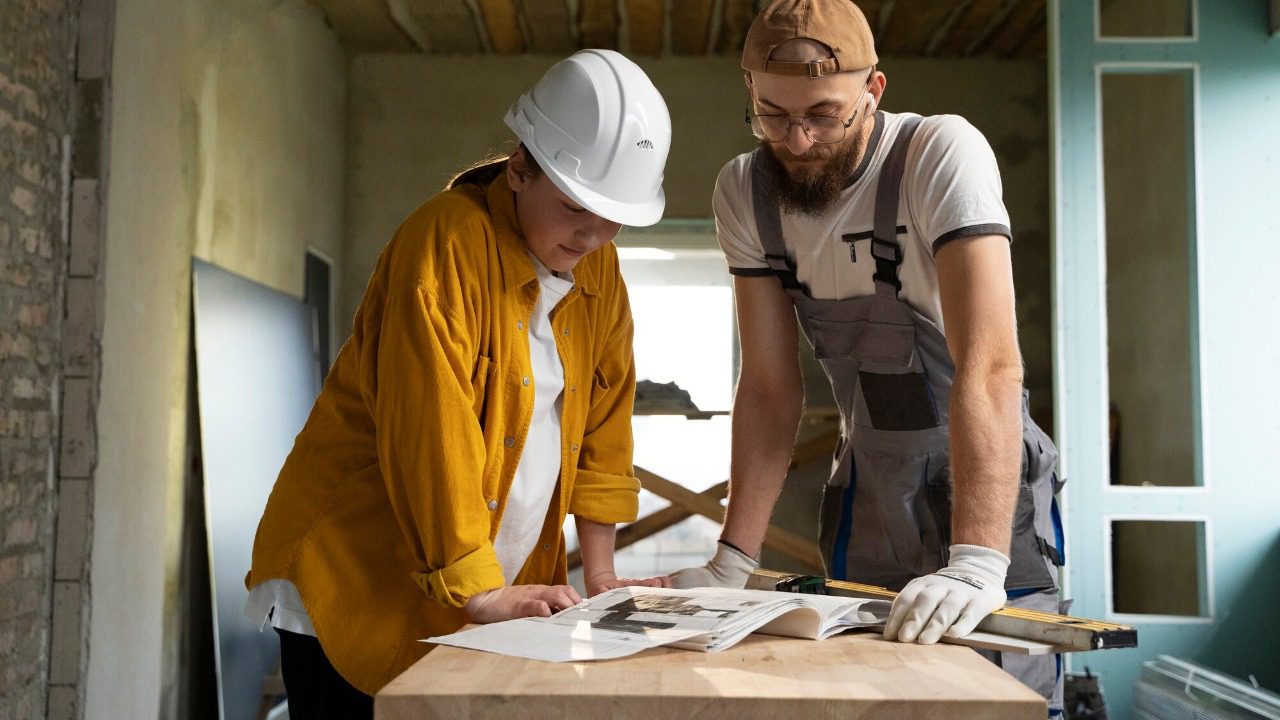
In a perfect world, every renovation would be completed on time. However, the reality is that delays are often an inevitable part of the process. Inclement weather, unexpected structural issues, and delays in material delivery can all push back your completion date.
While it’s frustrating when projects run over schedule, it’s important to be prepared for this eventuality. Factor in a buffer when planning your renovation timeline. This will help manage expectations and reduce stress. Remember, quality work takes time, so be patient.
5. A Good Contract is Key
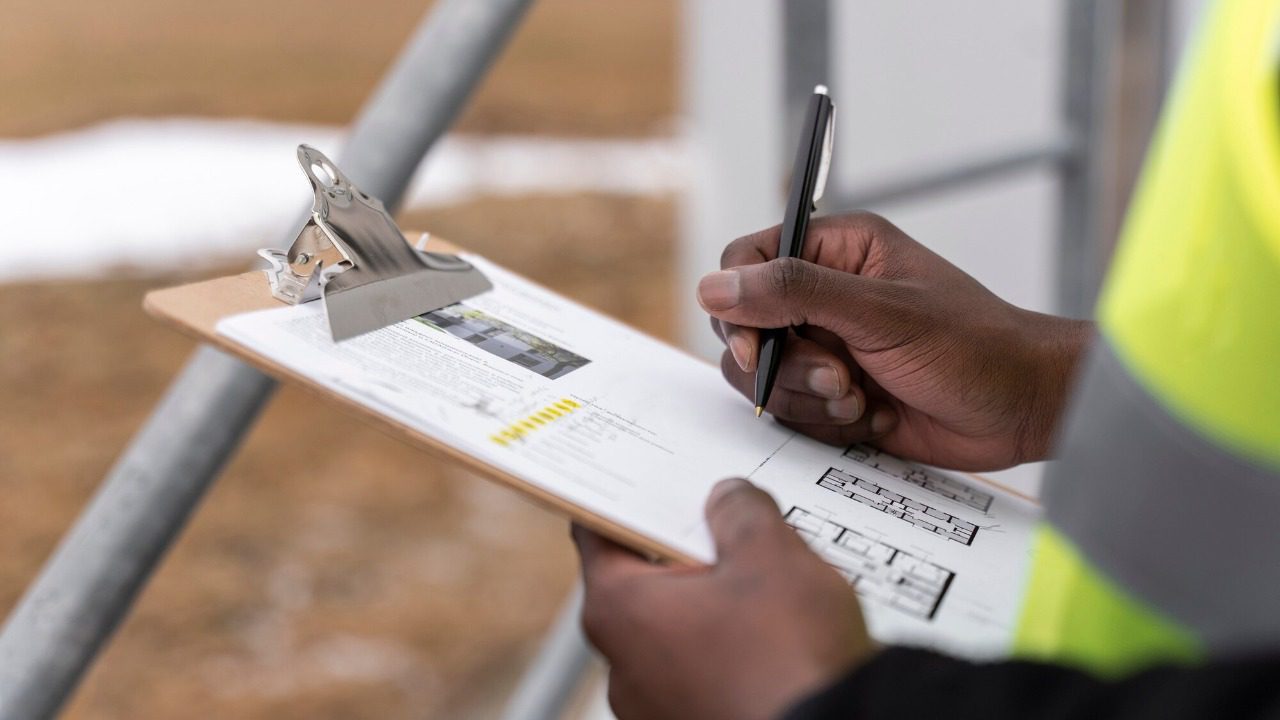
A detailed, written contract can be your best friend during a renovation project. It should clearly outline the scope of work, the cost, the payment schedule, and what happens if changes need to be made. This protects both you and the contractor, ensuring everyone is on the same page.
Don’t be afraid to ask questions or seek legal advice if you don’t understand something in the contract. It’s better to spend extra time at the beginning getting everything right than to have misunderstandings down the line. Always keep a copy of the contract and any changes made in writing.
6. Renovations are Stressful
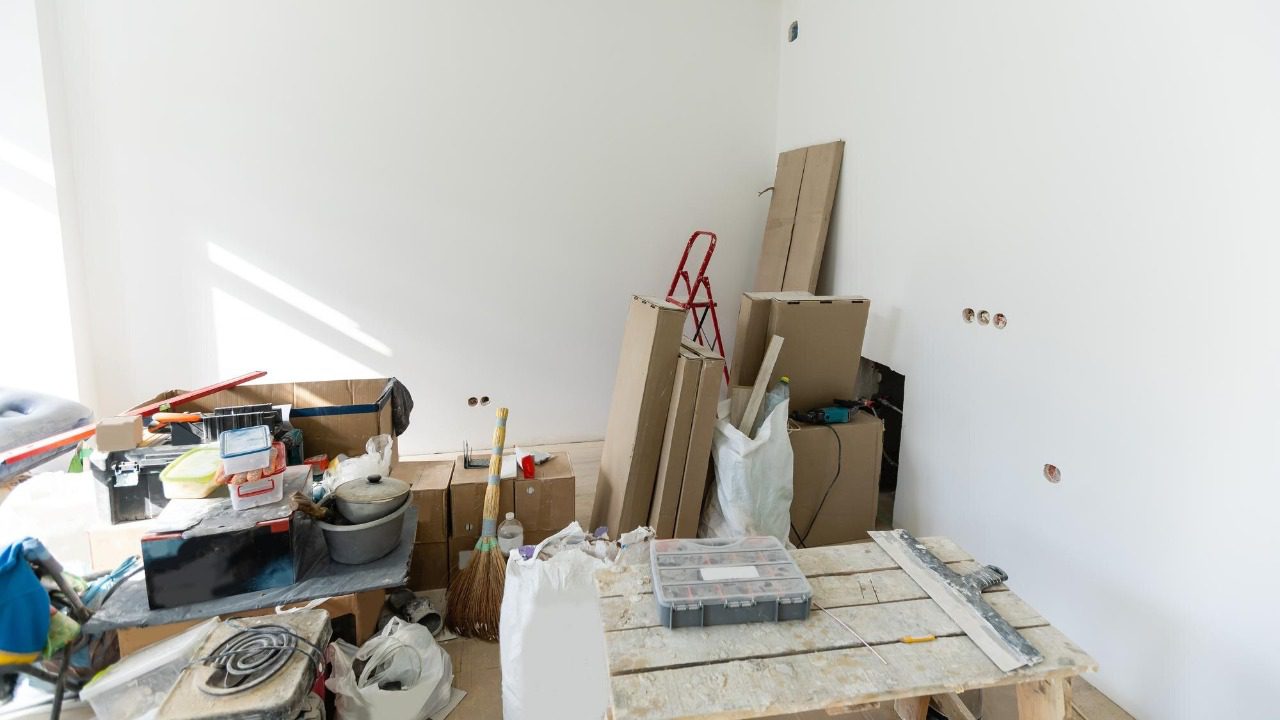
Renovating your home can be a stressful undertaking. There will be dust, noise, and people constantly in your home. Plus, living in a construction zone can be disruptive to your daily routine.
It’s important to keep this in mind and plan accordingly. You may want to consider finding temporary accommodation or setting up a temporary kitchen or living area. Try to keep your focus on the end result – a beautiful, customized space that you’ll love.
7. Communication is Crucial

A successful renovation relies heavily on good communication. Regularly communicate with your contractor and team about your expectations, any changes, and any issues that arise. A good contractor will keep you informed about the progress, but don’t hesitate to ask questions if you’re unsure about anything.
Remember, this is your home and your project. Don’t be afraid to speak up if something isn’t going as planned. It’s better to address issues as they come up than to be unhappy with the end result.
8. You’ll Need to Make a Lot of Decisions

During a renovation, you’ll be faced with a seemingly endless stream of decisions. From paint colors to fixtures to door handles, every little detail counts. It can be overwhelming, but it’s also part of the fun.
Try to make decisions in a timely manner to keep the project moving. However, don’t rush decisions that you might regret later. Take your time, do your research, and trust your instinct.
9. Quality Materials are Worth the Cost

When it comes to materials, you often get what you pay for. Investing in quality materials can increase the longevity and value of your renovation. It’s often worth spending a little more upfront for a finish that will last.
However, this doesn’t mean you have to blow your budget on high-end everything. Be strategic about where you invest. For example, spending more on a quality kitchen benchtop that will see heavy use can be a wise decision.
10. Plan for Waste Disposal
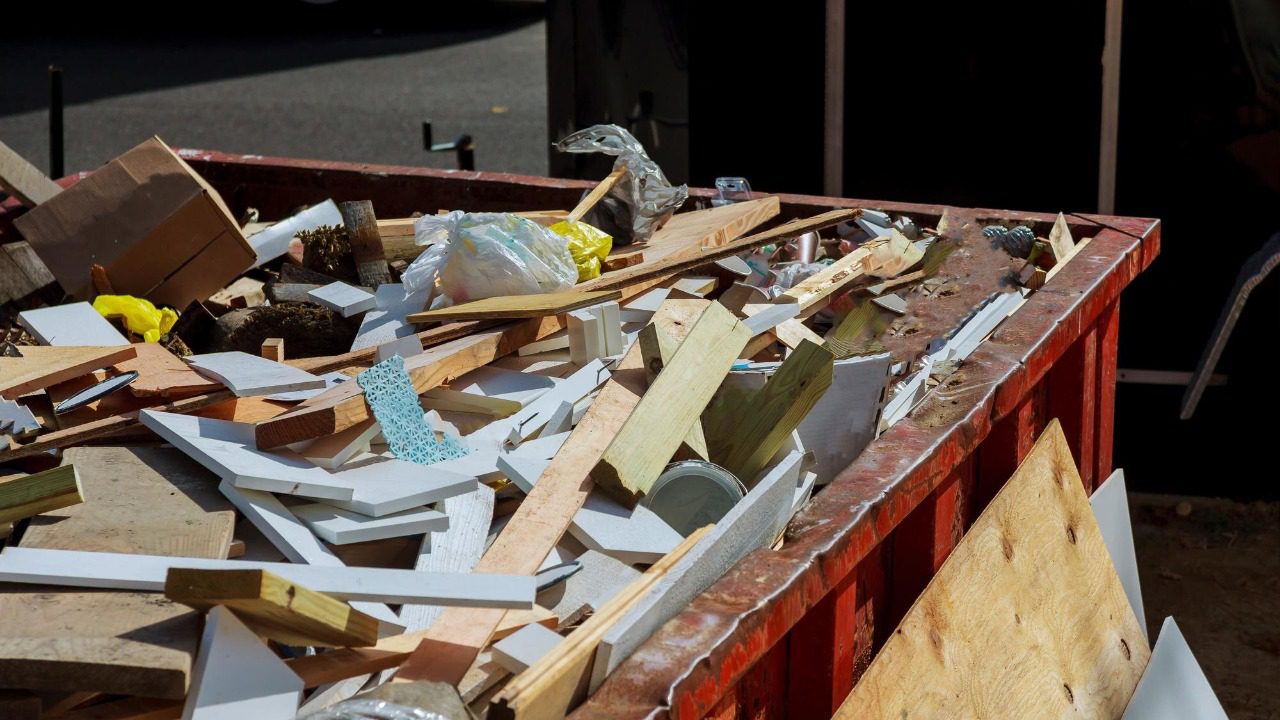
Renovation projects generate a lot of waste. From old fixtures and fittings to packaging for new items, you’ll be surprised at how much rubbish accumulates. Many people overlook this aspect of a renovation.
Ensure you have a plan for waste disposal. This might involve hiring a skip bin or scheduling regular rubbish pickups. Keep your site clean and organized to ensure a safe working environment.
11. You’ll Need a Contingency Plan
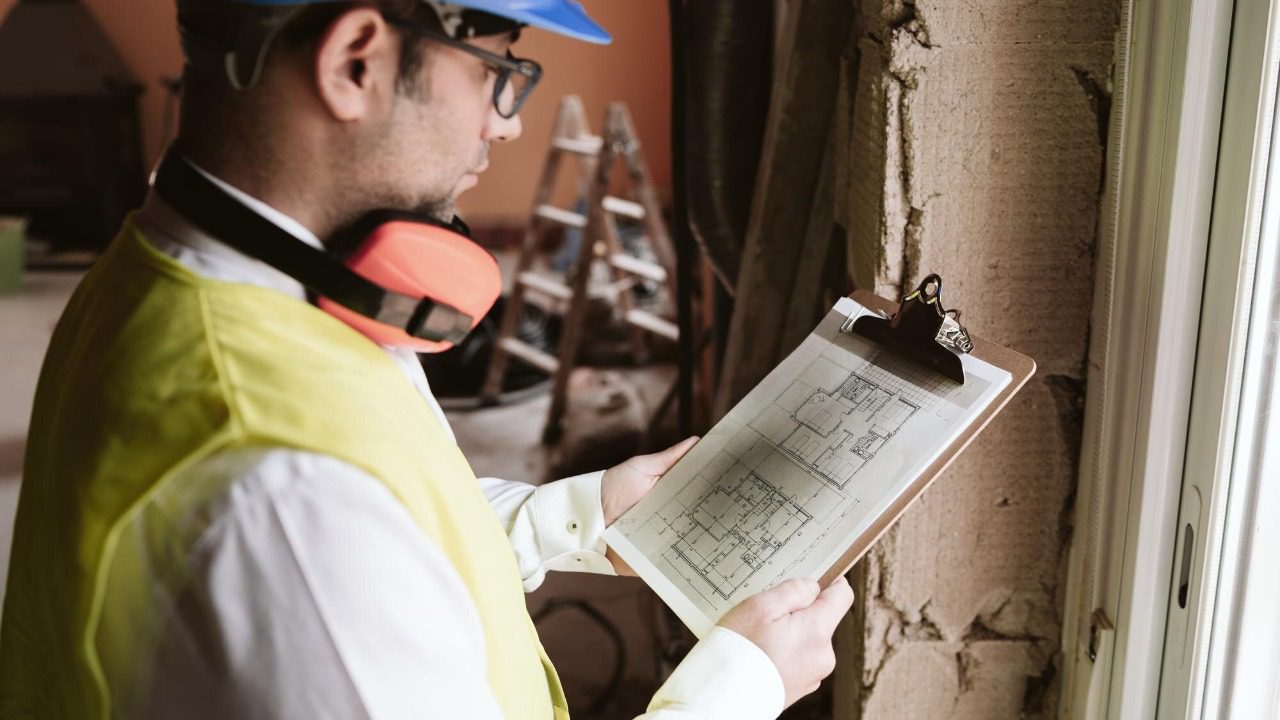
Despite careful planning, things can go wrong during a renovation. You might discover hidden issues like structural damage or faulty wiring. Or, you might decide to change your design partway through.
Always have a contingency plan. This includes a financial buffer in your budget and a flexible timeline. Being prepared for unexpected events can help reduce stress and keep your project on track.
12. DIY Isn’t Always Cheaper

While DIY can save money in some cases, it’s not always the cheaper option. Professional tradespeople have the skills, knowledge, and tools to do the job efficiently and to a high standard. Plus, some jobs require a licensed professional for safety and legal reasons.
Before deciding to DIY, consider the complexity of the job, the tools required, and the potential cost if things go wrong. Sometimes, hiring a professional can save money in the long run.
13. Renovations Can Uncover Hidden Problems

One of the biggest surprises during a renovation can be uncovering hidden problems. This might include issues like mold, asbestos, or structural damage. It’s important to address these issues for the safety and longevity of your home.
If you encounter unexpected problems, consult with your contractor or a specialist to understand your options. This can be a stressful part of the renovation process, but it’s important to remember that it’s better to discover and fix these issues now than to have them cause problems down the line.
14. Don’t Forget About the Exterior
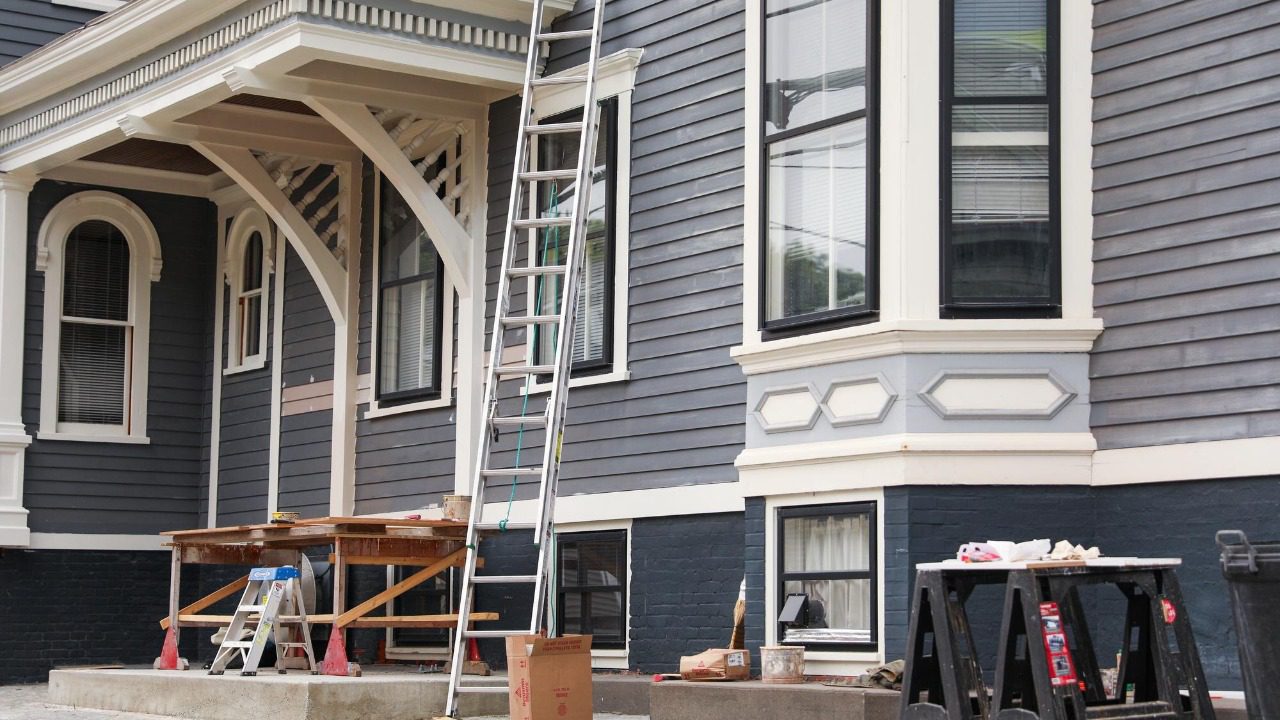
While it’s easy to get caught up in the excitement of renovating your interior, don’t forget about your home’s exterior. A well-maintained exterior can improve your home’s curb appeal and increase its value.
Consider aspects like landscaping, exterior paint, and outdoor living spaces. These can be included in your overall renovation plan and budget.
15. Enjoy the Process

Finally, try to enjoy the process. Yes, renovations can be stressful and challenging, but they’re also an opportunity to create a home that reflects your lifestyle and taste.
Take pride in the progress, celebrate milestones, and look forward to enjoying your new space. After all, the journey is just as important as the destination.
Renovating your home is a big undertaking, but with careful planning and preparation, you can navigate the process with confidence. Keep these 15 tips in mind as you embark on your renovation journey. Happy renovating!