

Sheds often become a catch-all spot for things you don’t use regularly, but over time, clutter can make it hard to find what you actually need. Clearing out items that just take up space can help you reclaim your shed and make it more functional.
Knowing which items to remove can help you create a more organized and efficient space that works better for your needs. By sorting through what’s really useful and what’s just weighing you down, you can make your shed a place you actually want to use.
Torn tarps

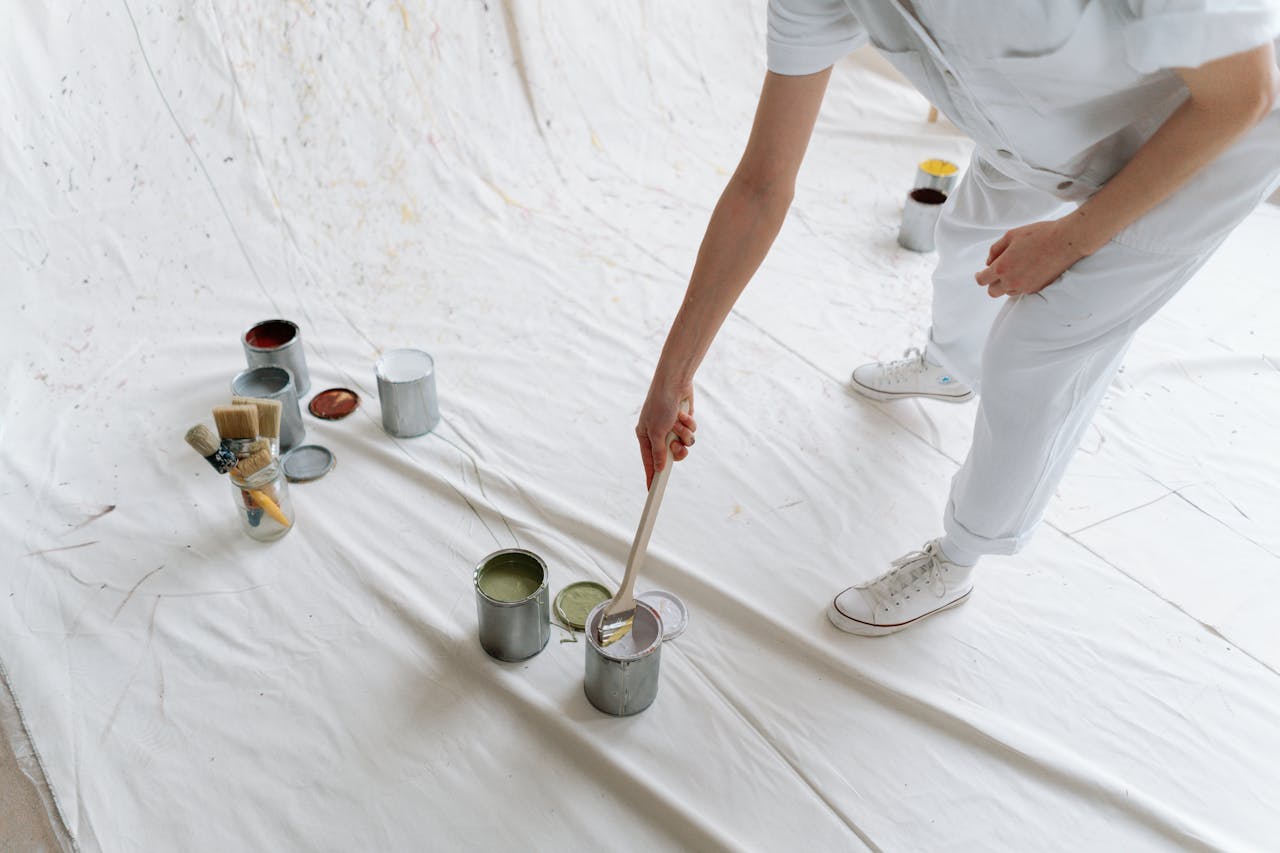
If you have torn tarps in your shed, they are probably not doing much good. They might still work for a short-term cover, but holes let rain and pests inside.
You can try repairing small tears with tarp tape or contact adhesive. However, if the damage is extensive, it’s better to recycle or replace them. Keeping torn tarps just takes up space without offering reliable protection.
Old broken lawnmower parts


If you have old broken lawnmower parts scattered in your shed, they might just be taking up space. These parts are often hard to reuse unless you’re into repairs or have a plan for them.
You can keep some key components if you fix mowers regularly. Otherwise, consider recycling or disposing of them properly. Many dumps accept dead lawnmowers and parts if the gas tank is empty. Check local options for responsible disposal. For more details on this, see how to dispose of a dead lawnmower.
Expired paint cans

You might have old paint cans in your shed that are no longer good. Latex-based paint can last up to ten years, but after that, it may not apply well or dry properly.
If the paint is dried out or empty, you can safely throw the can away. To speed this up, some people add cat litter or sand to solidify the paint before disposal.
Properly disposing of old paint helps keep your shed clutter-free and safe. Learn more about how to properly dispose of old paint.
Empty fertilizer bags
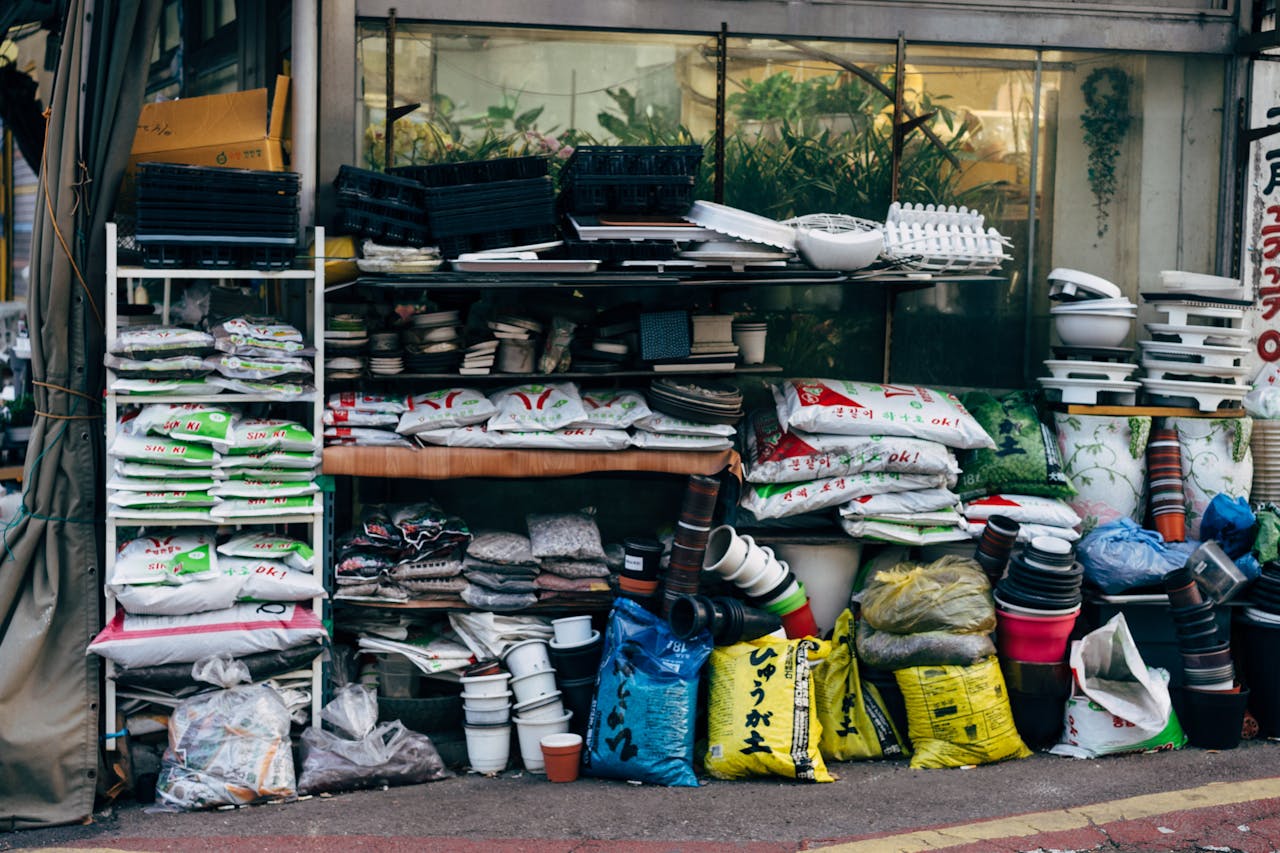
Empty fertilizer bags often pile up quickly and take up more room than you realize. You can save space by rolling each bag tightly. Keep the rolled bags inside one of the used bags to keep them contained and easy to handle.
Storing them this way also helps keep your shed tidy and prevents bags from getting damaged or scattered around. For tips, see how others manage empty fertilizer bags.
Rusty nails and screws


You probably have a bunch of rusty nails and screws lying around that don’t serve much purpose. Rust weakens their strength, making them unreliable for most projects.
If they’re heavily rusted, it’s usually better to toss them and get new ones. For less rusty nails, you can try countersinking and filling holes to minimize damage, but often replacing is simpler. Keeping just clean machine screws and better construction screws is more practical than holding on to everything.
Partial pieces of drywall

If you have small bits of drywall lying around, they’re probably not as useful as you think. These scraps often just take up space and can be tricky to fit into a project.
You’re usually better off buying a full sheet when you need drywall. It gives you more material to work with and reduces waste. For tips on drywall repairs, check out this guide on how to repair drywall.
Unused leftover tiles


If you have leftover tiles sitting in your shed, they can quickly take up valuable space. You might be holding onto them in case of repairs, but often they just gather dust.
Consider donating or recycling boxes you won’t use. If you want to get creative, leftover tiles can be used for small projects like making coasters or decorating planters. Storing them neatly helps keep your shed organized and frees up room for things you actually use.
Old garden hoses with leaks


Old garden hoses with leaks are common clutter in many sheds. They can waste water and make watering your garden frustrating.
You might think it’s worth fixing them, but leaks usually come from worn-out connectors or dry washers. Sometimes, replacing the hose is easier. If you want to keep them, consider turning old hoses into useful DIY projects instead of letting them take up space.
Damaged plastic pots


If you have damaged plastic pots in your shed, they’re likely just taking up space. These pots often break down over time but don’t decompose, adding to environmental waste.
You can keep a few for seed starting or as scoops, but damaged ones usually don’t serve much purpose. Consider recycling or properly disposing of them to clear out clutter and help reduce plastic waste.
Dried-out spray paint cans
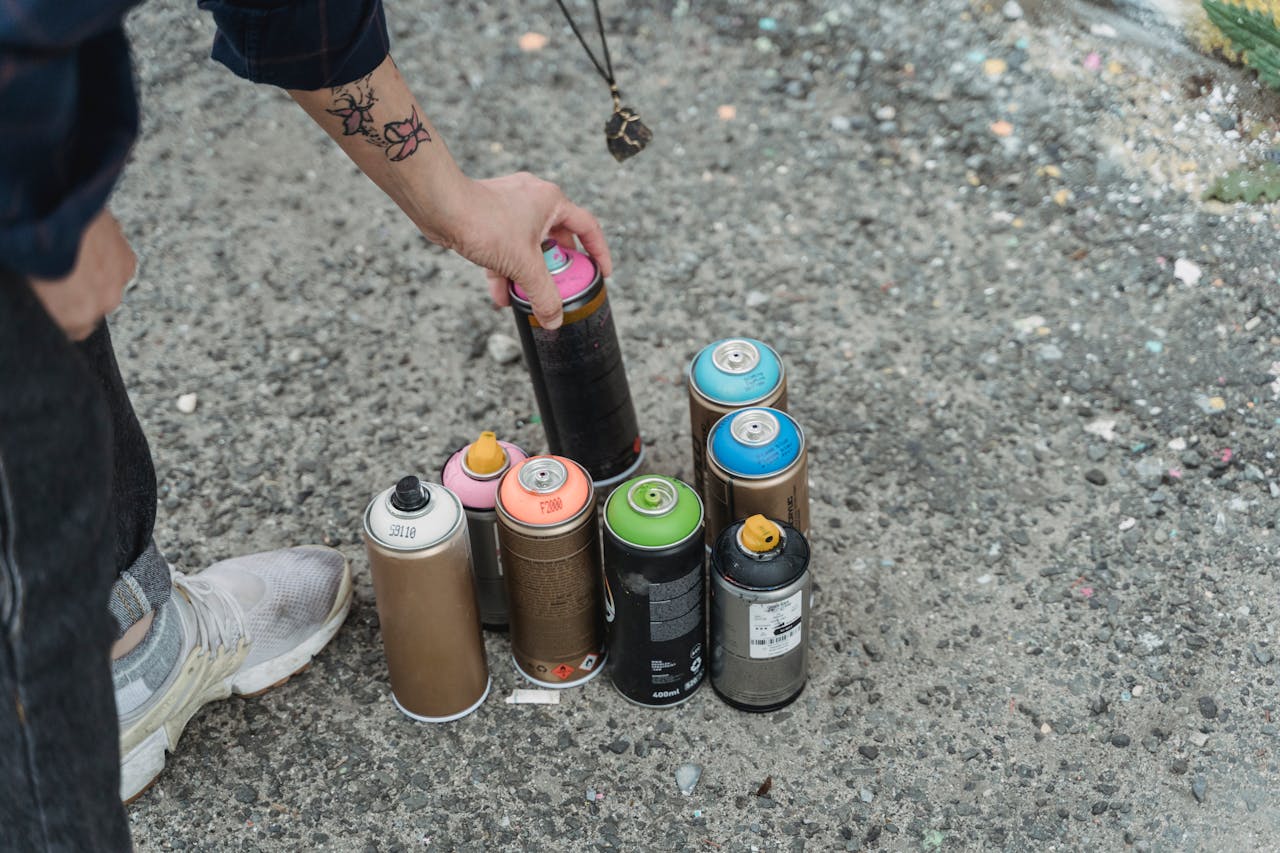
If you have dried-out spray paint cans in your shed, they’re probably no good for spraying anymore. Holding onto them just takes up space and adds clutter.
You can safely empty any remaining paint before disposal to avoid hazards. Check if your local recycling center accepts empty spray cans or find household hazardous waste collection services for proper disposal. This way, you keep your shed tidy and stay safe.
Empty or half-full chemical containers


You might have empty or half-full chemical containers stacked in your shed. Even when they look empty, these containers often hold residues or fumes that can be hazardous.
It’s important to label any empty drums and handle them carefully to avoid risks. Proper disposal or recycling keeps your space safe and clutter-free. For more guidance on safely managing chemical drums, check out outdoor drum storage safety tips.
Broken garden tools


If you have broken garden tools lying around, they’re just taking up valuable space. Tools with cracked handles or bent parts can be unsafe and hard to use.
You don’t need to keep tools that won’t work properly. It’s better to let someone else repair or recycle them, freeing up room for tools you actually use.
Unused buckets with cracks
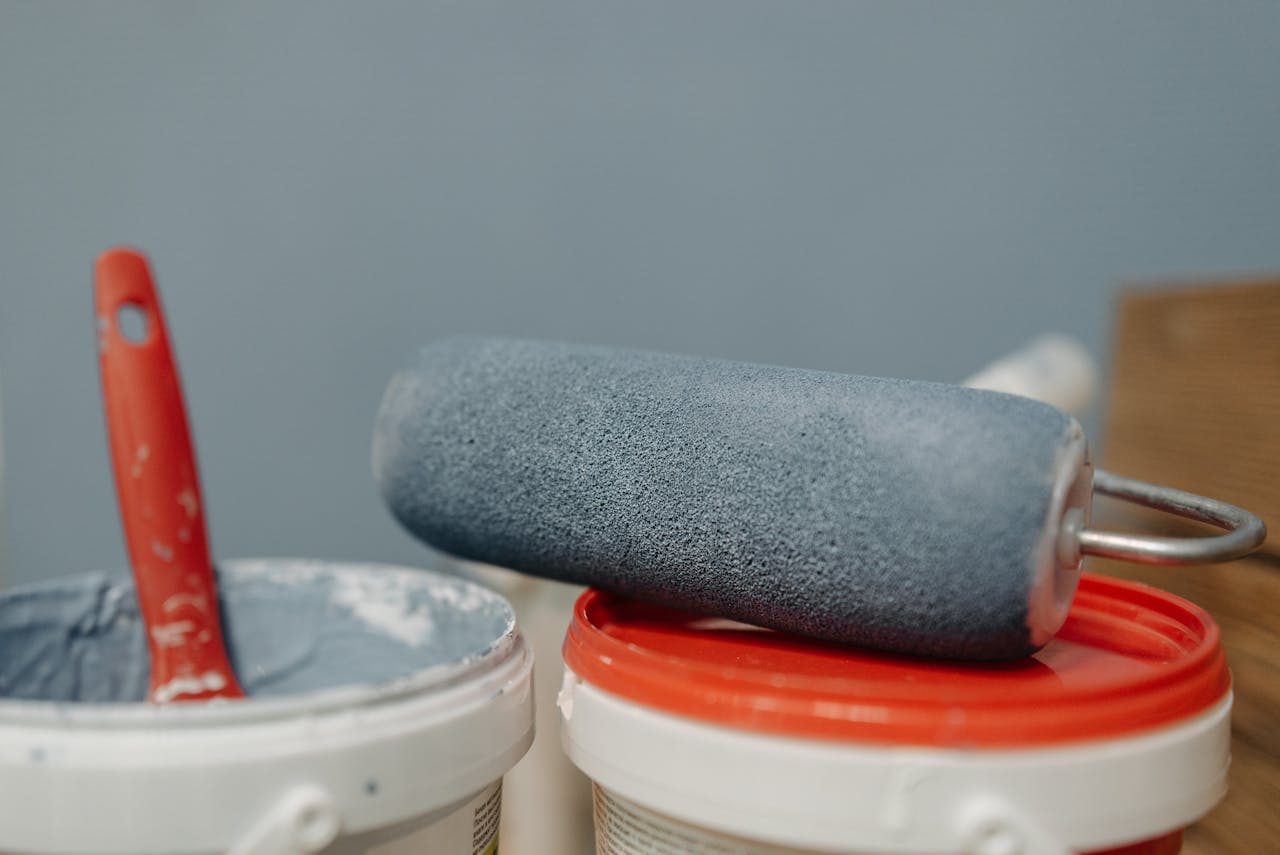
You probably have a few buckets sitting in your shed with cracks or holes. They might have seemed useful once, but now they just leak or break down.
These buckets take up space but don’t serve their purpose anymore. It’s better to recycle or replace them with sturdy ones you’ll actually use.
Keeping only reliable buckets helps you avoid messes and frustration when you need them for projects or chores.
Old newspapers piling up

You might find stacks of old newspapers hiding in your shed. They can quickly take up a surprising amount of space without serving much purpose.
While newspapers can be recycled or reused, keeping too many often just leads to clutter. Consider clearing them out to free up room for things you truly need.
If you want to hold onto some, try organizing or repurposing them rather than letting them pile up endlessly. This helps keep your shed tidy and useful.
Worn-out work gloves


You might have old gloves in your shed that have seen better days. If the material is torn or the grip is worn out, they won’t protect your hands properly.
Holding on to these can cause more harm than good during projects. It’s better to replace them with a good pair of cut-resistant gloves that fit well and keep you safe, like those made for durability and comfort.
Like what you read? Check out more by me: