


You probably know your fridge has a few mystery leftovers that should have been tossed ages ago, but plenty of other everyday items are quietly past their prime too. From beauty products to tech clutter, hanging on to them can waste money, space, and even harm your health. Use this list as a practical audit so you can clear out what no longer serves you and make room for things that actually work.

1) Expired Skin Care Products
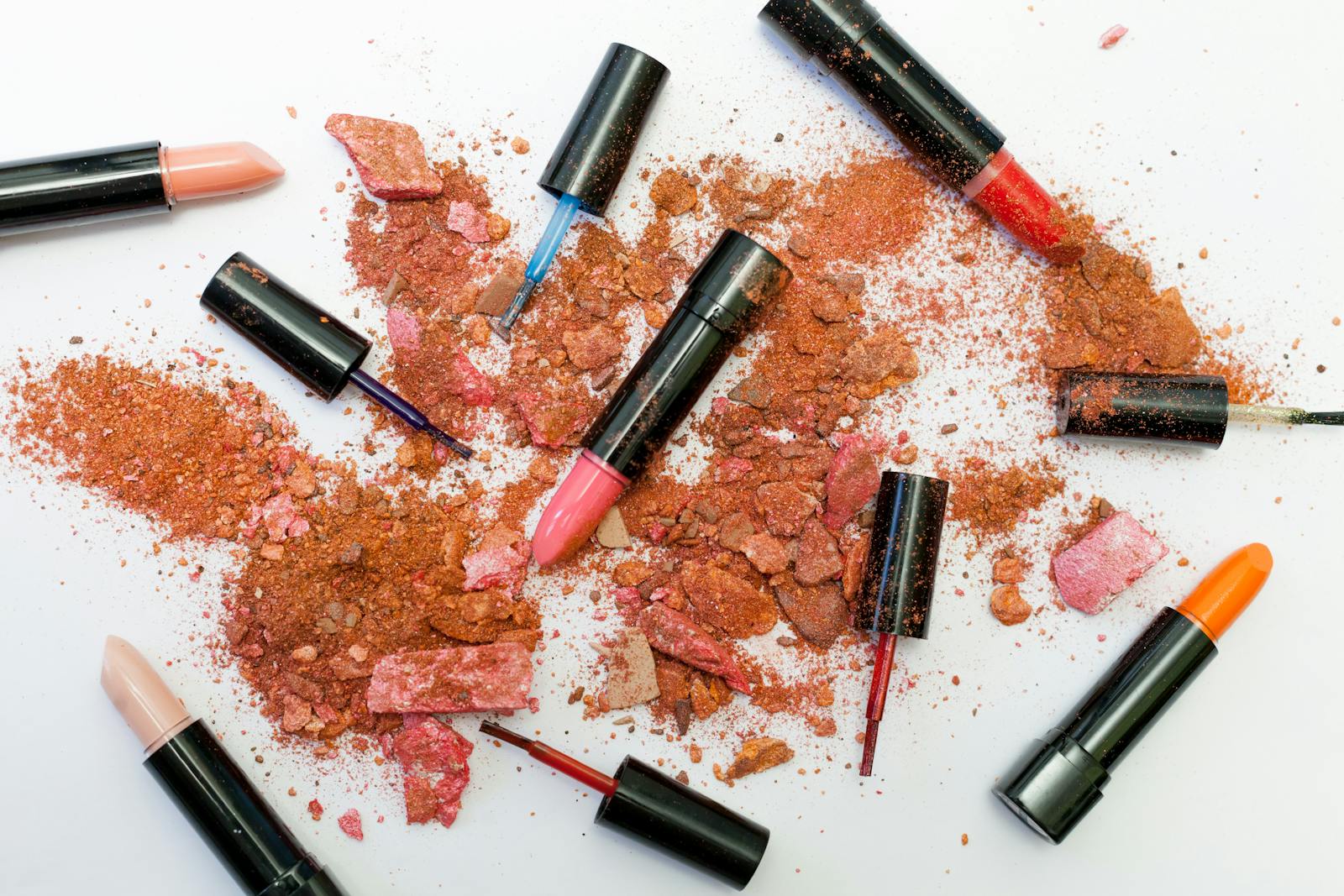
Expired skin care products are some of the most overlooked clutter in your bathroom, even though they sit directly on your face. Experts warn that hanging on to beauty products past their prime is not just ineffective, it can actually trigger the very irritation, breakouts, and dullness you are trying to fix. As preservatives degrade, textures separate, active ingredients lose potency, and bacteria can flourish in jars and pumps that you touch with your fingers every day.
Guidance on when to toss out beauty products stresses that you should not treat serums and moisturizers like collectibles. You are told to watch for changes in color, smell, and consistency, and to respect the period-after-opening symbol on the packaging. Keeping old exfoliants or retinoids can mean rubbing unstable formulas into your skin, which raises the risk of redness and stinging. Clearing expired bottles protects your skin barrier and keeps your routine focused on formulas that actually deliver results.
2) Old Mascara and Liquid Eyeliner
Old mascara and liquid eyeliner deserve a separate spot on your toss list because they live right next to your eyes. Every time you pump a mascara wand, you push air and microbes into the tube, turning it into a breeding ground. Once the formula dries out or starts to smell off, it is not just clumpy, it can increase your risk of irritation, redness, and infections like conjunctivitis that derail your day and may require medical treatment.
Eye-area products usually have shorter safe-use windows than creams, so you should treat them like perishables rather than long-term staples. If you cannot remember when you opened that tube, err on the side of caution and replace it. Tossing old mascara and liner also improves performance, since fresh formulas glide on more smoothly and hold curl better. For contact lens wearers or anyone with sensitive eyes, being strict about this timeline is a simple way to protect your vision and comfort.
3) Cracked or Cloudy Sunscreen
Cracked or cloudy sunscreen is another item that stops doing its job long before the bottle is empty. When filters break down or separate, the even film that is supposed to shield your skin from ultraviolet radiation becomes patchy. That means you might think you are protected at the beach or on a long drive, while parts of your face and body are essentially bare, raising your risk of sunburn and long-term damage such as hyperpigmentation.
Texture changes, a sour smell, or a chalky layer on top are all signs that your sunscreen has passed its useful life. Heat exposure in a hot car or beach bag can speed up this breakdown, so a bottle that has traveled through several summers is a poor bet. Tossing compromised sunscreen and replacing it with a fresh, broad-spectrum formula is a small expense compared with the cost of treating preventable sun damage later.
4) Half-Used Hotel Toiletries
Half-used hotel toiletries often linger in drawers as tiny trophies from past trips, but they rarely serve a real purpose. Those miniature shampoos, conditioners, and lotions are usually formulated for cost and shelf stability, not for your hair or skin type. Once opened, they can dry out or separate, and the caps are prone to leaking, leaving sticky residue on shelves and in travel bags.
Keeping a scattered collection of small bottles also makes it harder to see what you actually have, which can lead you to buy more travel-size products unnecessarily. By tossing the random leftovers and keeping only a streamlined, labeled travel kit, you reduce clutter and avoid using stale formulas on your skin. It also nudges you to invest in refillable containers and products you genuinely like, which is better for both your routine and your suitcase.
5) Stretched-Out Hair Ties and Brushes
Stretched-out hair ties and worn brushes quietly sabotage your styling efforts. Elastic bands that have lost their snap require multiple loops to hold a ponytail, which can tug on your scalp and still slip throughout the day. Frayed metal clasps and broken seams can snag individual strands, contributing to breakage around your hairline that is difficult to grow out and style.
Hairbrushes with missing bristles, bent pins, or a thick buildup of product and shed hair are not just unsightly, they can redistribute oil and debris back onto clean hair. That buildup can also scratch your scalp and make brushing less effective. Regularly tossing worn-out tools and replacing them with a few high-quality, well-cleaned options keeps your hair healthier and your morning routine faster, since you are not fighting against damaged accessories.
6) Old Pillows and Mattress Toppers
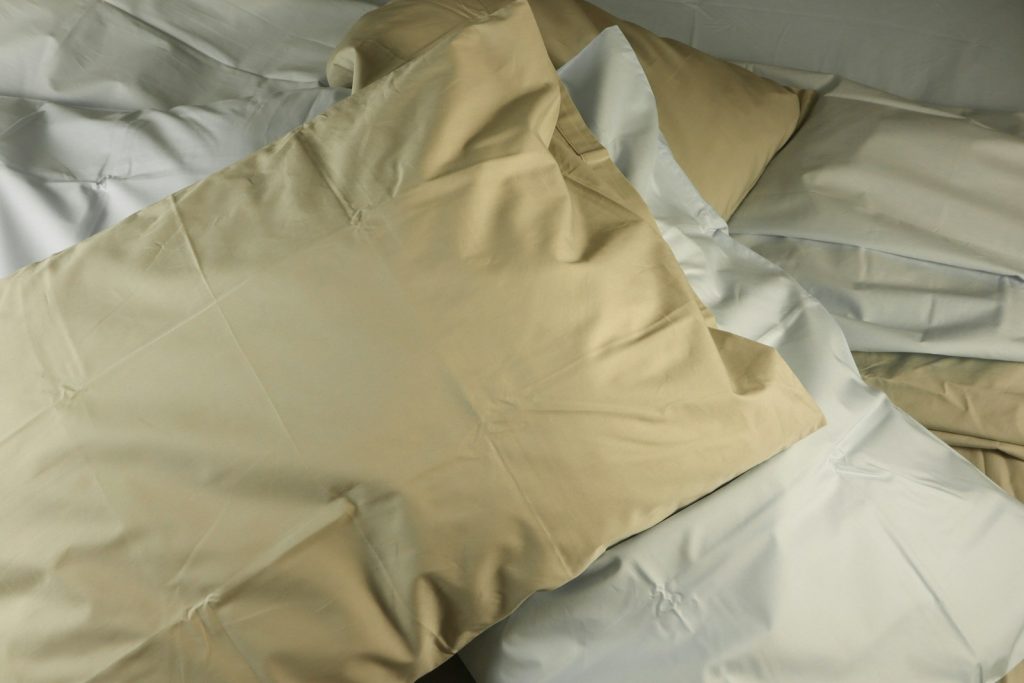
Old pillows and mattress toppers lose their support long before they visibly fall apart. As fillings compress and clump, your head and neck sink out of alignment, which can contribute to stiffness, headaches, and restless sleep. Over time, these soft surfaces also accumulate sweat, skin cells, and dust, creating a hospitable environment for dust mites that can aggravate allergies and asthma.
If your pillow stays folded when you bend it in half, or you can feel lumps and flat spots in your topper, it is likely past its prime. Washing pillowcases alone does not solve the underlying hygiene problem once the core is saturated. Replacing these items on a regular schedule improves sleep quality and reduces the unseen allergen load in your bedroom, which has ripple effects on your daytime focus and overall health.
7) Chipped Nonstick Pans
Chipped nonstick pans are another household staple that should not linger once they show damage. When the coating peels or flakes, it can mix into your food, and the exposed metal underneath may heat unevenly or react with acidic ingredients. Scratched surfaces also lose their nonstick performance, so you end up using more oil and scrubbing harder, which accelerates the wear.
Continuing to cook on a pan with visible gouges is a false economy, since it undermines both food quality and kitchen safety. Replacing damaged pieces with a smaller set of well-made pans, and using silicone or wooden utensils to protect them, keeps your cookware functioning properly for longer. It also simplifies storage, because you are not stacking and shuffling a pile of unreliable, half-usable skillets every time you make dinner.
8) Warped Cutting Boards
Warped cutting boards may seem harmless, but they create real food safety and usability issues. When a board bows, it rocks on the counter, making your knife strokes less stable and increasing the risk of slips. The curve can also cause juices from meat or produce to pool in one area, which makes cross-contamination more likely if you are not meticulous about cleaning.
Deep grooves and cracks in older boards are even more concerning, because they are hard to sanitize thoroughly. Bacteria can lodge in those crevices and survive routine washing, then transfer to whatever you chop next. Tossing warped or deeply scarred boards and replacing them with flat, well-maintained options gives you a safer, more predictable surface, which is especially important if you cook for children, older adults, or anyone with a compromised immune system.
9) Expired Pantry Staples
Expired pantry staples like old flour, oils, and spices quietly undermine your cooking. Even if they do not make you sick, they can dull flavors and textures so that recipes never quite taste right. Rancid oils develop off smells and bitter notes, while stale flour can give baked goods a dense, flat crumb that no amount of frosting can fix.
Spices lose their potency over time, so you may find yourself adding extra teaspoons of paprika or cumin and still ending up with bland results. That can tempt you to over-salt dishes or reach for more processed sauces to compensate. A regular sweep of your pantry, tossing items that are clearly past their best-by dates or smell off, helps you cook with ingredients that behave predictably and taste the way recipes intend.
10) Plastic Food Containers with Stains and Odors
Plastic food containers that stay stained or smelly even after washing are prime candidates for the trash. Persistent orange or red marks from tomato sauces, along with lingering garlic or curry odors, signal that the plastic has absorbed oils and pigments. Over time, repeated heating and cooling can cause warping and tiny surface cracks, which make containers harder to clean and more likely to leak.
Using compromised containers for meal prep or kids’ lunches can lead to spills in bags and fridges, and the uneven surfaces may harbor bacteria despite your best scrubbing. Retiring these pieces and switching to a smaller set of intact containers, ideally with tight-fitting lids and clear labeling, streamlines storage and reduces frustration. It also encourages you to reheat food safely, since you are not guessing whether a warped lid will pop off in the microwave.
11) Outdated Phone Chargers and Cables
Outdated phone chargers and cables accumulate in drawers, yet many no longer match your current devices or work reliably. Frayed insulation, bent connectors, and loose plugs can cause intermittent charging that shortens battery life and interrupts software updates. In the worst cases, damaged cables can spark, overheat, or fail mid-charge, which is especially risky if you leave devices plugged in overnight.
Sorting through your cords and tossing those that are visibly worn, incompatible, or untested frees you from the daily annoyance of jiggling cables to make them work. It also makes it easier to see which high-quality, certified chargers you actually own, so you are less tempted to grab cheap, unverified replacements. That small bit of decluttering supports both digital safety and a calmer, more organized workspace.
12) Old Power Strips and Surge Protectors
Old power strips and surge protectors often stay in service far longer than they should, quietly aging behind desks and entertainment centers. The protective components inside these devices degrade each time they absorb a surge, even if the exterior looks fine. Once that protection is spent, the strip functions like a basic extension cord, leaving your computer, TV, and other electronics vulnerable to voltage spikes.
Relying on worn surge protectors can turn a single storm or wiring glitch into a costly equipment failure. If a strip feels hot, has a loose on/off switch, or lacks modern safety certifications, it is time to retire it. Replacing old units with newer models that include clear status indicators and adequate joule ratings helps safeguard your gear and reduces the risk of overloaded outlets in busy areas of your home.
13) Forgotten Subscription Services
Forgotten subscription services may not take up physical space, but they clutter your budget every month. Streaming platforms you rarely open, cloud storage you no longer need, and auto-renewing app trials can quietly drain your account. Because charges are small and recurring, they are easy to overlook, especially when they are scattered across different cards or app stores.
Letting these subscriptions run on autopilot means you are effectively paying for content and features you do not use, which limits what you can spend on things that matter more. A periodic audit of your bank statements and digital accounts, canceling services that no longer fit your habits, is the financial equivalent of cleaning out a junk drawer. It restores a sense of control and can free up funds for savings, debt repayment, or experiences you actually enjoy.
14) Old Workout Shoes
Old workout shoes lose their cushioning and support long before the uppers show obvious holes. As midsoles compress and treads wear down, your feet absorb more impact with every step, which can contribute to shin splints, knee pain, and plantar fasciitis. The change is gradual, so you may blame your body rather than the shoes that no longer distribute force properly.
If the outsole is smooth in high-contact areas or the shoe tilts when placed on a flat surface, it is likely past its useful life for running or high-impact classes. Continuing to train in worn footwear can make minor aches harder to shake and increase your risk of overuse injuries. Retiring old pairs and rotating in fresh, activity-appropriate shoes protects your joints and makes workouts feel more responsive and enjoyable.
15) Paper Manuals and Outdated Receipts
Paper manuals and outdated receipts are classic examples of clutter that feel important but rarely are. Most modern products have digital manuals available online, complete with searchable text and updated troubleshooting steps. Keeping thick booklets for every appliance and gadget quickly fills drawers and file boxes, making it harder to find the few documents you actually need, such as current warranties or tax records.
Receipts for items you cannot return, low-value purchases, or long-ago events add to the paper pile without offering real utility. Sorting and shredding what is no longer relevant, while scanning or neatly filing key records, lightens your storage load and improves privacy. It also makes future tasks like budgeting, moving, or claiming a warranty far smoother, because you are not wading through years of unnecessary paper to find one crucial slip.