

Keeping your home organized can make daily life feel calmer and more manageable. Many people don’t realize that the key to staying organized often involves removing certain items rather than just tidying up what you have.
Knowing what not to keep in your home helps you create a space that feels orderly and stress-free. This article will guide you through common things organized people avoid, helping you rethink what belongs in your living space.
Crayons and glitter

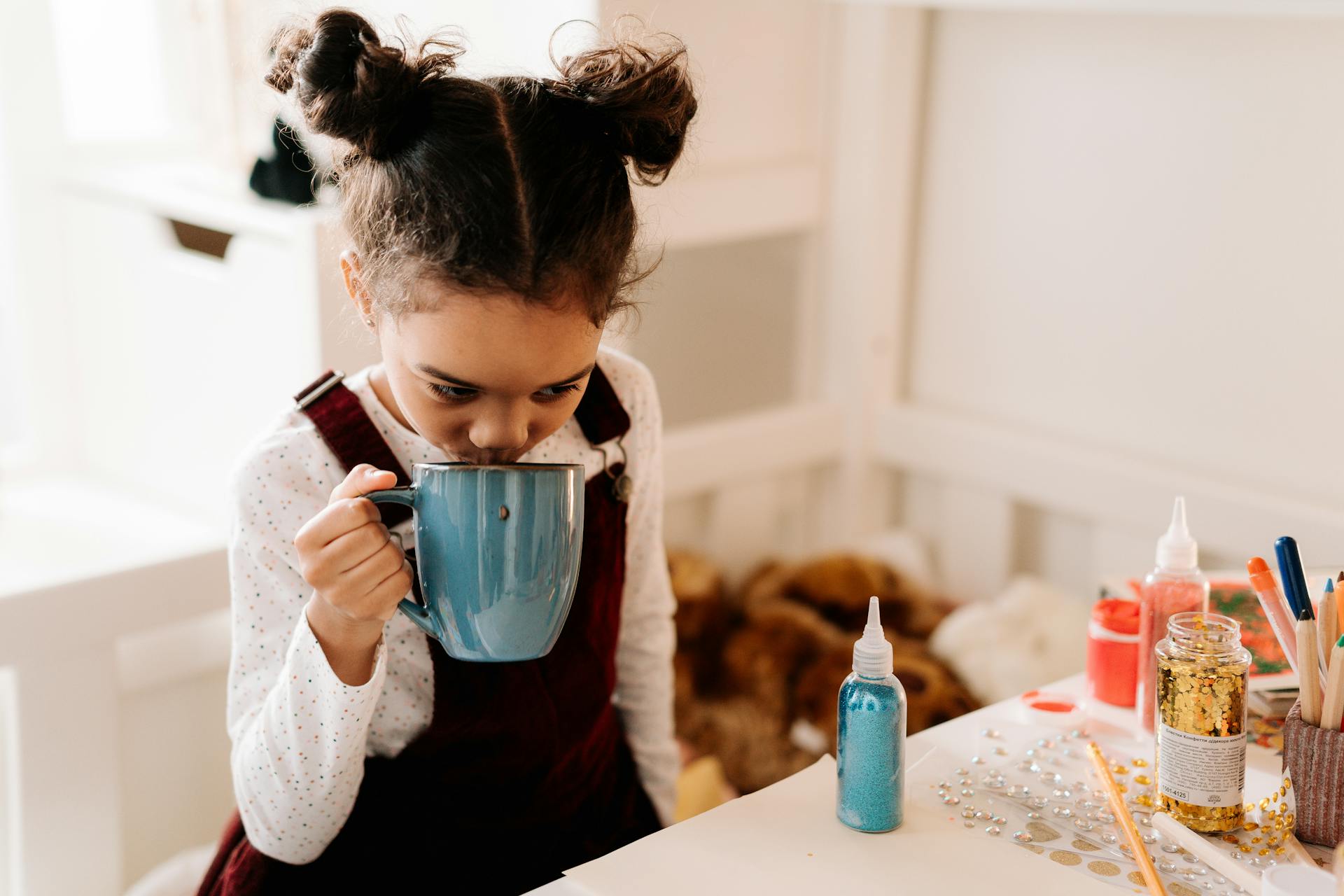
You’ll find that organized homes usually keep crayons and glitter out of main living areas. These crafting supplies can easily create messes that are tough to clean up.
Instead, store them in a dedicated space where creativity doesn’t interfere with daily tidiness. This keeps your living spaces neat and makes crafting time more enjoyable.
Keeping these items away from furniture helps protect your belongings and reduces clutter visible to guests.
Loose Post-it notes
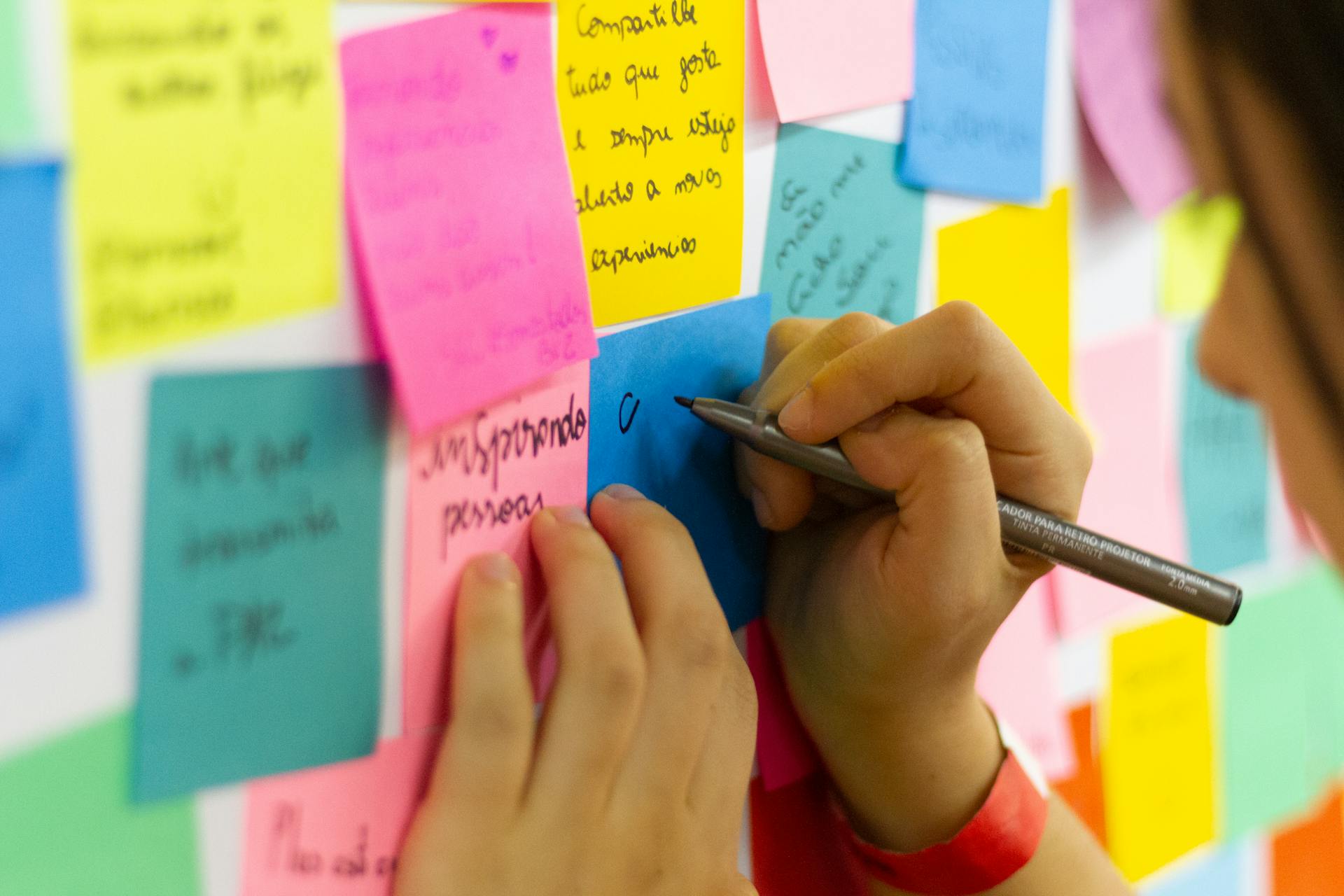
Loose Post-it notes can quickly crowd your space and make it harder to find important reminders. Instead of scattering them around, consider consolidating your notes in one place like a notebook or digital app.
Using the Post-it Note method in an organized way means assigning each color a meaning. This helps keep your reminders clear and your space tidy. Avoid keeping random loose notes; they often end up forgotten or lost.
Junk drawers filled with random items


You might be tempted to toss all kinds of things into a junk drawer. Batteries, rubber bands, and takeout menus often end up there.
Organized people avoid overloading these drawers with random, forgotten items. Important papers, for example, should never be stored here.
Keeping your junk drawer tidy means only holding small, useful items. That way, you can actually find what you need without frustration.
Too many kitchen gadgets

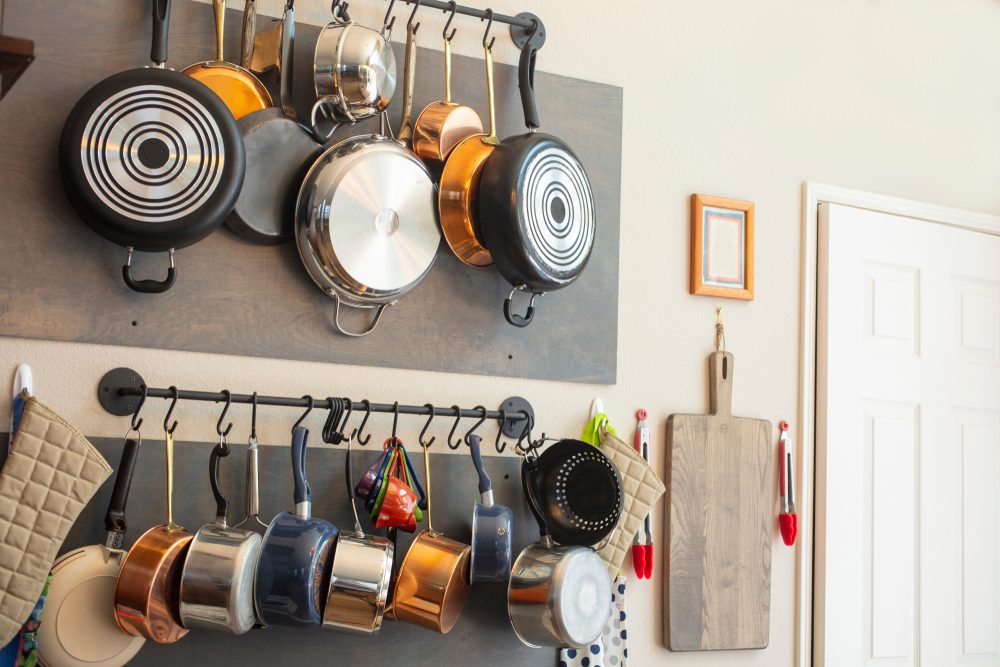
You don’t need every gadget on the market to keep your kitchen functional. Having too many appliances can clutter your space and make cooking more complicated.
Focus on keeping tools you use regularly. If something hasn’t been touched in months, it’s probably safe to let it go. This helps you stay organized and makes your kitchen easier to clean.
Excess cleaning products


You don’t need to stockpile dozens of cleaning products. Excess supplies take up space and often lead to clutter.
Many chemicals in cleaners can be harmful to your health and the environment when overused. Choose a few multi-purpose products instead.
Using less also helps you keep track of what you have and avoid expired or unnecessary items. Simplify your cleaning routine by keeping only what you really need.
Expired coupons or flyers

You likely don’t need to keep expired coupons or outdated flyers cluttering your space. They take up room and lose value once the date passes.
Regularly check your coupons and flyers, then toss what’s no longer valid. This simple habit keeps your home tidy and prevents paper buildup.
Keeping only current and useful papers helps you focus on what really matters and saves time searching through useless clutter.
Unused exercise equipment

You might feel guilty about letting exercise gear sit unused. However, holding onto items like treadmills, weights, or yoga mats that you don’t use only clutters your space.
If the equipment no longer motivates you or fits your routine, consider donating or selling it. Clearing out unused gear frees room for activities you truly enjoy and helps keep your home more organized.
Broken or damaged furniture

You should avoid keeping broken or damaged furniture in your home. It creates clutter and can make your space feel messy and unorganized.
Damaged pieces are often unsafe or uncomfortable to use. Letting go of them frees up room for items that are functional and visually pleasing.
If you can’t fix furniture, consider donating or recycling it. This keeps your home tidy and makes it easier to maintain order.
Old magazines and newspapers


You probably have stacks of old magazines and newspapers taking up space. Organized people avoid keeping these because they quickly create clutter and dust.
If you want to keep some for reference, limit the number and store them neatly. Otherwise, recycle or donate them to free up room and keep your home tidy.
Excessive decorative knick-knacks


You might find it tempting to keep lots of small decorative items around. However, too many knick-knacks can make your space look cluttered and disorganized.
Keeping only meaningful or functional pieces helps your home feel cleaner and more open. It also makes cleaning easier and reduces visual distractions. Try donating or storing items you no longer enjoy to keep your space simple and inviting.
Expired food in the pantry

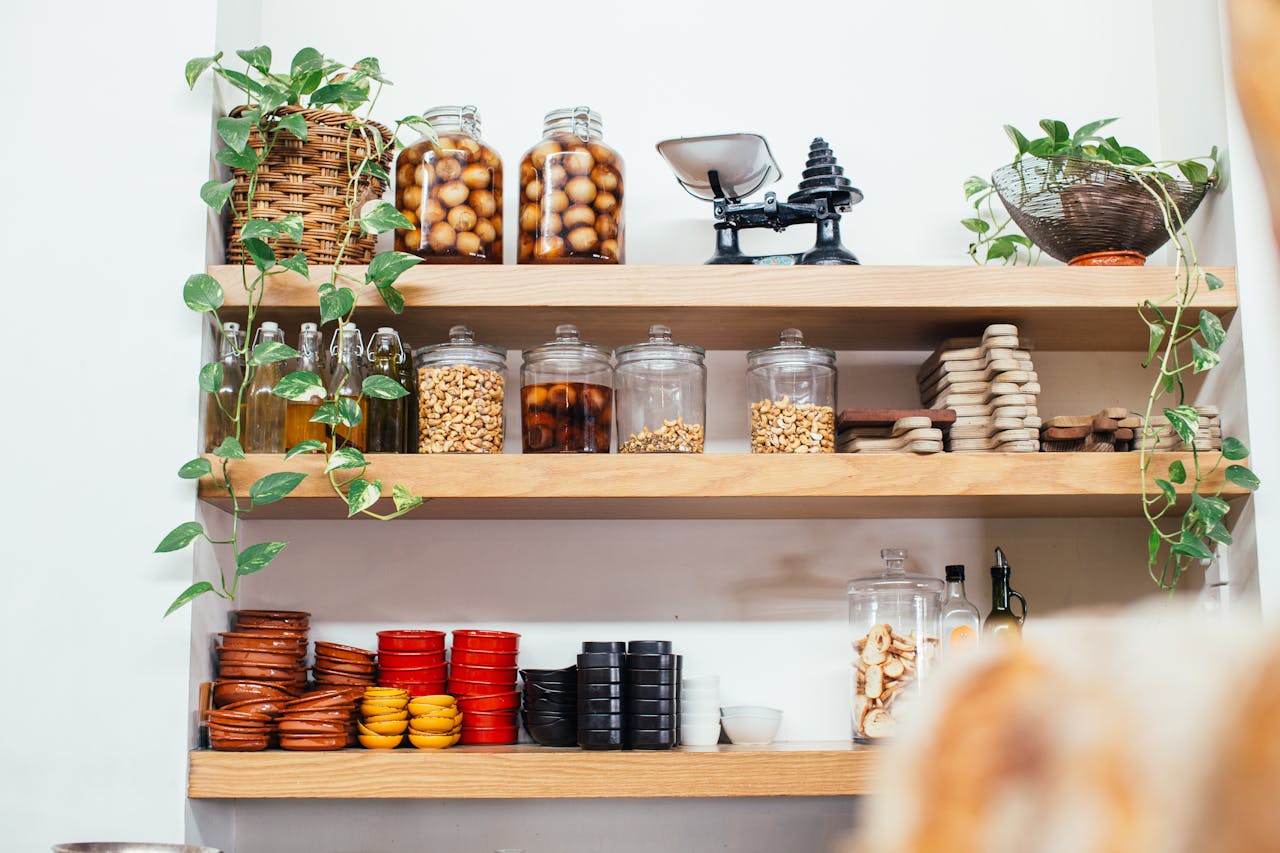
You should regularly check your pantry for expired food. Old items can lose taste and nutritional value over time.
Expired food may also attract bugs or cause unpleasant odors.
If you find cans that are leaking or damaged, it’s safer to throw them away immediately. Keeping your pantry fresh helps prevent health risks and keeps your kitchen organized.
Unsorted mail piles

You probably know how quickly mail can take over your counters. Organized people avoid letting piles of unopened mail build up.
Instead, they sort through mail as soon as it arrives. Creating small, labeled piles helps you deal with bills, invitations, or junk mail more efficiently.
Keeping mail organized prevents clutter and makes it easier to find important documents when you need them.
Multiple sets of keys no longer used


You don’t need to keep every set of keys you’ve ever had. Old keys for places you no longer visit just add clutter and confusion.
Holding onto multiple key sets can make it harder to find the ones you actually need.
Consider sorting your keys and removing duplicates or those that no longer serve a purpose. This keeps your keyring lighter and your home more organized.
Cheap plastic containers missing lids

You might think keeping cheap plastic containers without lids is harmless. But missing lids make stacking and storing them a hassle.
Instead, try buying containers with attached lids to avoid losing them. It saves you time and keeps your storage neat.
If you have several lids, use a dedicated organizer to keep them all in one place. This way, you can always find the right lid when you need it.
Excess cables and chargers

You probably don’t need to keep every cable and charger you’ve ever owned. Organized people let go of extras that no longer fit their devices or work properly.
Use simple tools like Velcro loops or small bins to keep only the cables you actively use. This makes your space cleaner and saves time when you need to find the right charger.